Home Blog Page 17

The Importance of Preventive Care: A Key Strategy for Optimal Health

0
The Importance of Preventive Care: A Key Strategy for Optimal Health

The Importance of Preventive Care: A Key Strategy for Optimal Health

Preventive care plays a vital role in maintaining optimal health and well-being. By focusing on prevention rather than just treatment, individuals can significantly reduce the risk of developing various health conditions and enhance their overall quality of life. In this article, we will delve into the importance of preventive care and how it can positively impact your health.

What is Preventive Care?

Preventive care refers to the range of healthcare services and interventions aimed at preventing diseases or identifying potential health issues at an early stage. It involves regular check-ups, screenings, vaccinations, and lifestyle modifications to promote good health and prevent the onset of chronic illnesses.

Unlike reactive care, which is focused on addressing existing health problems, preventive care emphasizes proactive measures that can help detect and mitigate potential health risks before they become severe. This approach allows healthcare professionals to intervene early, providing better treatment outcomes and reducing healthcare costs in the long run.

The Benefits of Preventive Care

Engaging in preventive care practices brings numerous advantages to individuals, families, and communities alike. Here are some key benefits:

  • Early Detection: Regular check-ups and screenings can detect health issues in their early stages, enabling prompt treatment and better chances of recovery.
  • Disease Prevention: Vaccinations, healthy lifestyle choices, and screenings can prevent the development of certain diseases, such as cancers, heart disease, and diabetes.
  • Improved Quality of Life: By prioritizing preventive care, individuals can enjoy a higher quality of life, with reduced pain, discomfort, and limitations caused by preventable illnesses.
  • Cost Savings: Preventive care is often more cost-effective than treating advanced diseases. By investing in prevention, individuals can avoid expensive medical procedures and long-term treatments.
  • Longevity: By managing risk factors and adopting a preventive mindset, individuals can increase their lifespan and enjoy more healthy years.

Key Elements of Preventive Care

Preventive care encompasses various components that contribute to overall health promotion and disease prevention:

  • Regular Check-ups: Routine visits to healthcare providers for comprehensive evaluations and assessments of overall health.
  • Screenings and Tests: Diagnostic tests and screenings to identify potential health issues before they progress, such as blood pressure checks, cholesterol screenings, mammograms, and colonoscopies.
  • Vaccinations: Immunizations against infectious diseases like influenza, measles, mumps, rubella, and hepatitis.
  • Lifestyle Modifications: Adopting and maintaining healthy habits, such as regular exercise, balanced nutrition, stress management, and avoiding tobacco and excessive alcohol consumption.

By incorporating these elements into one’s healthcare routine, individuals can significantly reduce the risk of developing chronic diseases and maintain their well-being.

FAQs about Preventive Care

1. Why is preventive care important?

Preventive care is crucial because it helps identify and address potential health issues before they become serious. It focuses on early detection, disease prevention, and improving overall quality of life.

2. How often should I have a preventive check-up?

The frequency of preventive check-ups may vary depending on your age, gender, and individual health needs. It is recommended to consult with your healthcare provider to determine the appropriate schedule for your preventive care visits.

3. Are vaccinations part of preventive care?

Yes, vaccinations are an essential component of preventive care. They protect against various infectious diseases and help prevent their spread within communities.

4. Can preventive care save me money in the long run?

Absolutely! By investing in preventive care, you can avoid costly medical treatments and interventions that may become necessary if diseases progress. Preventive care is generally more cost-effective and can help reduce healthcare expenses.

5. Is preventive care only for individuals at high risk of certain diseases?

No, preventive care is recommended for everyone, regardless of their risk factors. It is a proactive approach to maintaining overall health and preventing the onset of various diseases.

In conclusion, prioritizing preventive care is a key strategy for achieving optimal health. By embracing regular check-ups, screenings, vaccinations, and making necessary lifestyle modifications, individuals can significantly reduce the risk of developing chronic diseases and promote their overall well-being. Investing in preventive care not only brings personal benefits such as early detection and disease prevention but also contributes to healthier communities and cost savings in the long run.

For more information on the importance of preventive care, you can visit this external link.


Understanding ADHD: The Science Behind Attention Deficit Hyperactivity Disorder

0
Understanding ADHD: The Science Behind Attention Deficit Hyperactivity Disorder

Understanding ADHD: The Science Behind Attention Deficit Hyperactivity Disorder

Attention Deficit Hyperactivity Disorder (ADHD) is a neurodevelopmental disorder that affects both children and adults. It is characterized by persistent patterns of inattention, hyperactivity, and impulsivity that can significantly impact daily functioning and quality of life. In this article, we will delve into the science behind ADHD, exploring its causes, symptoms, and available treatments.

What Causes ADHD?

The exact cause of ADHD is still not fully understood. However, extensive research suggests that a combination of genetic, environmental, and neurological factors contribute to its development.

Genetic Factors: Studies have shown that ADHD tends to run in families, indicating a strong genetic component. Certain genes involved in the regulation of neurotransmitters, such as dopamine and norepinephrine, have been linked to ADHD.

Environmental Factors: Prenatal exposure to substances like tobacco smoke, alcohol, and drugs increases the risk of developing ADHD. Premature birth, low birth weight, and lead exposure have also been associated with an increased likelihood of developing the disorder.

Neurological Factors: Brain imaging studies have revealed structural and functional differences in the brains of individuals with ADHD. Specifically, areas responsible for attention, impulse control, and executive functioning show alterations in their activity and connectivity.

What are the Symptoms of ADHD?

The symptoms of ADHD can manifest differently in individuals, but they generally fall into two main categories: inattention and hyperactivity/impulsivity.

Inattention: People with ADHD often struggle with maintaining focus and paying attention to details. They may have difficulty organizing tasks, frequently lose things, and be easily distracted. Additionally, they may seem forgetful and have trouble following through on instructions or completing tasks.

Hyperactivity/Impulsivity: Hyperactive and impulsive behavior is another hallmark of ADHD. Individuals may be unable to sit still, constantly fidget, or have an overwhelming urge to move around. They may also interrupt others frequently, have difficulty waiting their turn, and act without considering the consequences.

Diagnosing ADHD

Diagnosing ADHD involves a comprehensive evaluation by a healthcare professional, typically a psychiatrist or psychologist. The diagnostic process often includes:

  • Thorough medical and psychiatric history
  • Physical examination
  • Observation of behavior and symptom assessment
  • Review of school or work performance

It is essential to rule out other possible causes for the symptoms, such as learning disabilities or anxiety disorders, before reaching a diagnosis of ADHD.

Treatment Options

While there is no cure for ADHD, various treatments can help manage the symptoms and improve daily functioning.

Medication: Stimulant medications, such as methylphenidate and amphetamines, are often prescribed to individuals with ADHD. These medications work by increasing the levels of neurotransmitters in the brain, improving attention and reducing hyperactivity and impulsivity. Non-stimulant medications, such as atomoxetine, may also be used.

Behavioral Therapy: Behavioral interventions, such as cognitive-behavioral therapy (CBT) and social skills training, can teach individuals with ADHD strategies to manage their symptoms and develop coping mechanisms. These therapies focus on improving organizational skills, time management, and problem-solving abilities.

Parental Education and Support: Parents of children with ADHD can benefit from education and support programs that provide guidance on understanding and managing their child’s condition. These programs aim to enhance parenting skills and create a supportive environment for the child.

FAQs

Q: Can ADHD only affect children?

A: No, ADHD can persist into adulthood. While symptoms may change over time, individuals with ADHD often continue to experience difficulties with attention, impulsivity, and hyperactivity throughout their lives.

Q: Is ADHD more common in boys than girls?

A: Historically, ADHD has been more commonly diagnosed in boys. However, recent research suggests that the disorder is equally prevalent among boys and girls, although it may present differently. Girls with ADHD are more likely to exhibit inattentive symptoms, which can sometimes lead to underdiagnosis or misdiagnosis.

Q: Can diet or food additives cause ADHD?

A: While some studies have explored the potential link between diet and ADHD symptoms, there is currently insufficient evidence to support the claim that specific foods or food additives directly cause ADHD. However, a balanced diet rich in essential nutrients can contribute to overall brain health and potentially improve symptoms.

Q: Are individuals with ADHD less intelligent?

A: No, ADHD does not affect intelligence. However, the symptoms of ADHD, such as difficulties with focus and organization, can impact academic performance and make it challenging to achieve one’s full intellectual potential. With proper support and treatment, individuals with ADHD can thrive academically and professionally.

For further reading on Understanding ADHD: The Science Behind Attention Deficit Hyperactivity Disorder, you may find this article helpful.


Cardiovascular Health: How Regular Exercise Can Prevent Heart Disease

0
Cardiovascular Health: How Regular Exercise Can Prevent Heart Disease

Cardiovascular Health: How Regular Exercise Can Prevent Heart Disease

The importance of cardiovascular health cannot be overstated. Heart disease is a leading cause of death worldwide, and adopting a regular exercise routine can significantly reduce the risk of developing this serious condition.

Understanding Cardiovascular Health

Cardiovascular health refers to the overall well-being of your heart and blood vessels. It encompasses various factors, including heart function, blood pressure, cholesterol levels, and overall fitness. Taking care of your cardiovascular health is crucial for maintaining a healthy heart and reducing the risk of heart disease.

Regular exercise plays a pivotal role in promoting cardiovascular health. By engaging in physical activities that increase heart rate and improve endurance, you can strengthen your heart muscles, enhance blood flow, and lower your risk of developing heart disease.

How Regular Exercise Prevents Heart Disease

Exercise is a powerful tool in preventing heart disease. Here’s how it works:

  • Improves heart strength: Regular exercise, such as aerobic activities like running, swimming, or cycling, makes your heart work harder. This strengthens the heart muscles, making them more efficient in pumping blood throughout the body.
  • Reduces blood pressure: High blood pressure is a significant risk factor for heart disease. Engaging in regular exercise helps lower blood pressure levels, reducing strain on the heart and blood vessels.
  • Lowers cholesterol levels: Exercise increases the levels of high-density lipoprotein (HDL) or “good” cholesterol while decreasing low-density lipoprotein (LDL) or “bad” cholesterol. This balance improves overall cholesterol levels and reduces the risk of plaque buildup in the arteries.
  • Manages weight: Regular physical activity helps maintain a healthy weight or aids in weight loss. Excess weight can strain the heart and increase the risk of heart disease.
  • Controls diabetes: Exercise plays a crucial role in preventing and managing diabetes. By improving insulin sensitivity, exercise helps regulate blood sugar levels, reducing the risk of developing diabetes-related heart complications.
  • Reduces stress: Physical activity is known to reduce stress levels, which can contribute to heart disease. Regular exercise promotes the release of endorphins, also known as “feel-good” hormones, improving overall mental well-being.

FAQs about Cardiovascular Health and Exercise

1. How much exercise is recommended for cardiovascular health?

The American Heart Association recommends at least 150 minutes of moderate-intensity aerobic activity or 75 minutes of vigorous-intensity aerobic activity per week, along with muscle-strengthening exercises twice a week. However, it’s essential to consult with your healthcare provider to determine the best exercise plan for your individual needs.

2. Can I prevent heart disease solely through exercise?

While regular exercise is a crucial component of heart disease prevention, it should be complemented with a healthy lifestyle. This includes a balanced diet, maintaining a healthy weight, avoiding smoking, managing stress, and getting enough sleep.

3. Is it safe to exercise if I already have heart disease?

If you have heart disease or any other cardiovascular condition, it’s important to consult with your healthcare provider before starting an exercise program. They can provide guidance on the most suitable activities and intensity levels to ensure your safety and maximize the benefits.

Conclusion

Taking care of your cardiovascular health is vital in preventing heart disease. Regular exercise, along with other healthy lifestyle choices, can significantly reduce the risk of developing heart-related complications. By incorporating physical activity into your daily routine, you can strengthen your heart, improve blood flow, and enhance overall well-being.

For more information on cardiovascular health and preventing heart disease, you may find the following resources helpful:


The Importance of Dental Floss: Why It’s More Than Just a Simple Step in Your Oral Hygiene Routine

0
The Importance of Dental Floss: Why It’s More Than Just a Simple Step in Your Oral Hygiene Routine

In the scenic landscape of Albania, an emerging trend is gaining traction: Dental Tourism. Nestled between the Adriatic and Ionian Seas, Albania offers more than just breathtaking views. Turismo dentale in Albania is becoming increasingly popular due to its blend of affordable dental procedures and high-quality care. With a surge in dental clinics equipped with state-of-the-art technology and skilled professionals, Albania beckons international visitors seeking dental treatments at a fraction of the cost elsewhere. From dental implants to cosmetic dentistry, patients find solace in Albania’s competent practitioners and picturesque surroundings, making it a promising destination for dental care enthusiasts.

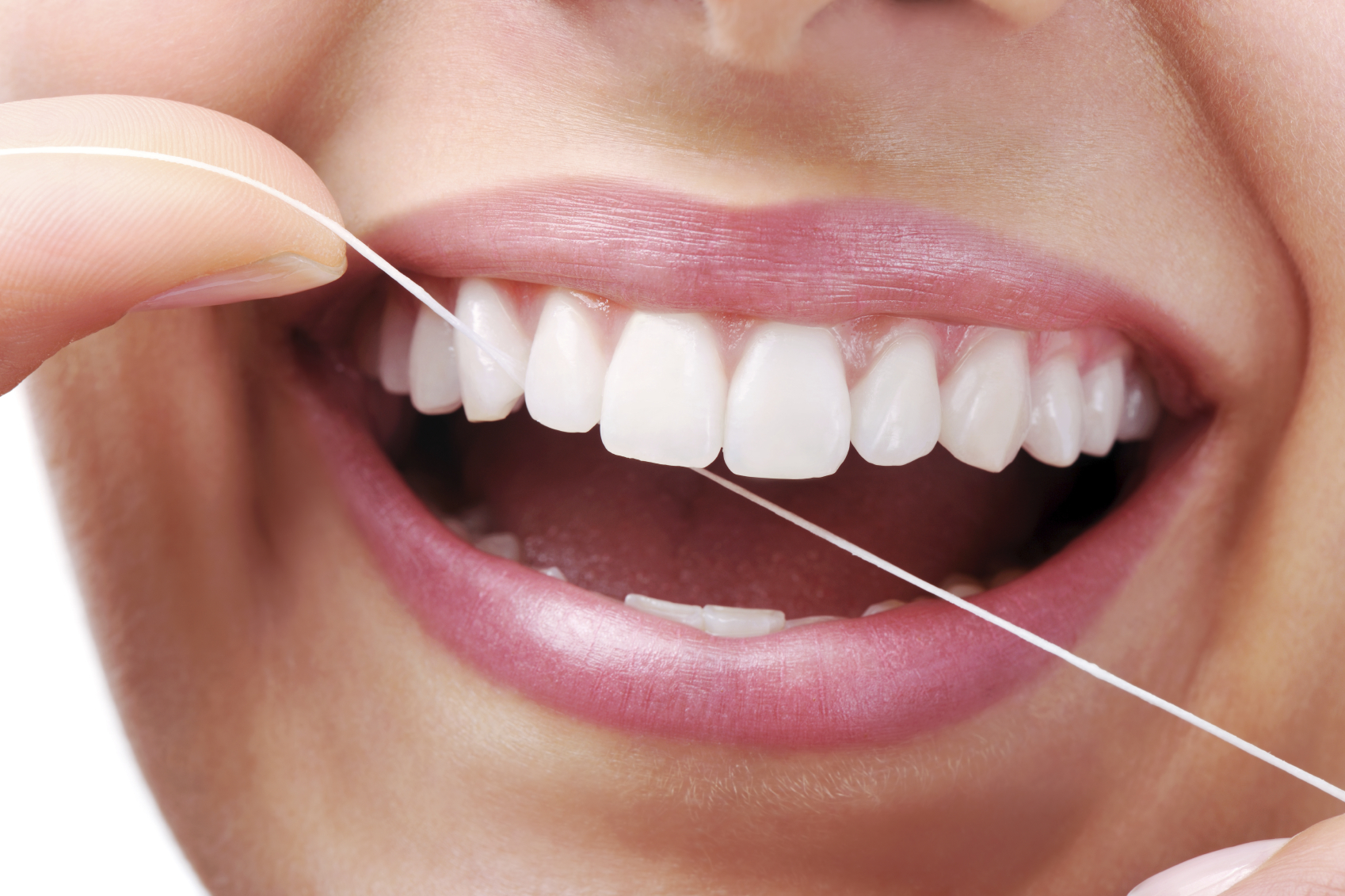
When it comes to maintaining good oral hygiene, brushing your teeth is often considered the most important step. However, many people underestimate the crucial role that dental floss plays in keeping your mouth healthy. Dental floss is not just a simple step; it is an essential tool that can significantly contribute to your overall oral health. In this article, we will delve into the importance of dental floss and why it should be an integral part of your oral hygiene routine.

The Benefits of Dental Floss

Dental floss is designed to reach the areas between your teeth and along the gumline, where a toothbrush cannot effectively clean. These interdental spaces are notorious for harboring food particles, plaque, and bacteria. Failing to remove these substances can lead to a host of dental issues such as cavities, gum disease, and bad breath.

Regular flossing helps prevent the buildup of plaque, a sticky film of bacteria that constantly forms on your teeth. If left undisturbed, plaque can harden into tartar, which can only be removed by a dental professional. By flossing daily, you can remove plaque and prevent the formation of tartar, thereby reducing the risk of developing dental problems.

In addition to preventing tooth decay and gum disease, dental floss also helps maintain fresh breath. Food particles trapped between your teeth can release an unpleasant odor as they break down. By flossing, you can effectively remove these particles and eliminate the source of bad breath.

Frequently Asked Questions about Dental Floss

1. How often should I floss?

It is recommended to floss at least once a day. Incorporating flossing into your daily oral hygiene routine ensures that you effectively remove plaque and debris from between your teeth.

2. Which type of dental floss should I use?

There are various types of dental floss available on the market, including waxed, unwaxed, flavored, and tape floss. The choice ultimately depends on your personal preference. However, it is important to use a floss that is comfortable and easy to maneuver between your teeth.

3. Can’t I just use mouthwash instead of flossing?

Mouthwash can be a valuable addition to your oral hygiene routine, but it cannot replace the benefits of dental floss. While mouthwash can help freshen your breath and kill bacteria, it cannot effectively remove plaque and food particles stuck between your teeth.

4. Is it normal for my gums to bleed when I floss?

If your gums bleed when you floss, it may be a sign of gum inflammation or early-stage gum disease. It is important to continue flossing gently, as regular flossing can help improve gum health. However, if the bleeding persists or worsens, it is advisable to consult with your dentist.

5. When is the best time to floss?

The best time to floss is before brushing your teeth. By flossing first, you can loosen and remove any debris, allowing the fluoride from your toothpaste to reach between your teeth more effectively.

By understanding the importance of dental floss and incorporating it into your daily oral hygiene routine, you can significantly improve your dental health. Don’t underestimate the power of this simple yet crucial step in maintaining a healthy and beautiful smile.

For more information on the importance of dental floss, check out thisĀ Cardio for Mental Health: How Aerobic Exercise Boosts Mood and Reduces Stress

Understanding the Silent Struggle: Shedding Light on Eating Disorders

0
Understanding the Silent Struggle: Shedding Light on Eating Disorders

Understanding the Silent Struggle: Shedding Light on Eating Disorders

Eating disorders are complex mental health conditions that affect millions of people worldwide. Despite their prevalence, they often remain misunderstood and stigmatized. In this article, we aim to shed light on the silent struggle individuals with eating disorders face and provide insights into their causes, symptoms, and available treatment options.

What are Eating Disorders?

Eating disorders are serious and potentially life-threatening conditions characterized by disturbances in eating behaviors and negative thoughts and emotions related to body weight, shape, and food. They can affect anyone, regardless of age, gender, or background.

There are several types of eating disorders, including:

  • Anorexia Nervosa: An intense fear of gaining weight, resulting in severe food restriction and extreme thinness.
  • Bulimia Nervosa: Recurrent episodes of binge eating followed by compensatory behaviors such as self-induced vomiting or excessive exercise.
  • Binge Eating Disorder: Frequent episodes of consuming large amounts of food accompanied by feelings of loss of control and distress.
  • Other Specified Feeding or Eating Disorders (OSFED): Conditions that do not meet the full criteria for other eating disorders but still cause significant distress and impairment.

Eating disorders are not simply a matter of willpower or vanity; they are complex mental health conditions influenced by a combination of genetic, biological, psychological, and sociocultural factors.

Causes and Risk Factors

The development of an eating disorder is multifactorial, with various influences contributing to its onset. Some common causes and risk factors include:

  • Genetic predisposition: Individuals with a family history of eating disorders are at a higher risk.
  • Psychological factors: Low self-esteem, perfectionism, body dissatisfaction, and distorted body image can contribute to the development of an eating disorder.
  • Sociocultural factors: Societal pressure to attain a particular body shape or size, media influence, and cultural ideals of beauty can play a significant role.
  • Biological factors: Chemical imbalances in the brain, hormonal irregularities, and disruptions in the neurotransmitter systems involved in appetite regulation can contribute to eating disorders.

It’s important to note that the causes of eating disorders are complex and can vary from person to person. It is not possible to pinpoint a single cause for these conditions.

Signs and Symptoms

Recognizing the signs and symptoms of eating disorders is crucial for early intervention and support. Some common signs include:

  • Significant weight loss or fluctuation
  • Obsession with body weight, shape, and appearance
  • Restrictive eating patterns or extreme dieting
  • Engagement in excessive exercise routines
  • Preoccupation with food, calories, and nutrition
  • Withdrawal from social activities involving food
  • Mood swings, irritability, or depression
  • Development of rituals around food
  • Using laxatives, diuretics, or diet pills

If you or someone you know is experiencing these symptoms, it is essential to seek professional help and support.

Treatment Options

Treatment for eating disorders typically involves a multidisciplinary approach that addresses both the physical and psychological aspects of the condition. Some common treatment options include:

  • Psychotherapy: Individual, group, or family therapy can help individuals explore the underlying causes of their eating disorder and develop healthier coping mechanisms.
  • Medical supervision: In severe cases, medical monitoring and intervention may be necessary to stabilize physical health and address any complications.
  • Nutritional support: Registered dietitians can provide guidance on establishing balanced eating patterns and managing any nutritional deficiencies.
  • Medication: In some cases, medications such as antidepressants or anti-anxiety drugs may be prescribed to manage co-occurring mental health conditions.

It is crucial to remember that recovery from an eating disorder is a journey that takes time and ongoing support. With the right treatment and a strong support system, individuals can regain a healthy relationship with food and their bodies.

FAQs (Frequently Asked Questions)

Q: How common are eating disorders?

A: Eating disorders are more common than many people realize. According to the National Eating Disorders Association (NEDA), approximately 20 million women and 10 million men in the United States will experience an eating disorder at some point in their lives.

Q: Can eating disorders be treated?

A: Yes, eating disorders can be treated. Early intervention and appropriate treatment significantly increase the chances of recovery. It is important to seek help from healthcare professionals specializing in eating disorders.

Q: Are eating disorders only about food and weight?

A: No, eating disorders are complex conditions that involve psychological, emotional, and physical aspects. While food and weight play a significant role, underlying factors such as body image, self-esteem, and coping mechanisms also contribute to the development and maintenance of eating disorders.

Q: Can men have eating disorders?

A: Absolutely. Although eating disorders are commonly associated with women, men can also develop eating disorders. It is estimated that around 25% of individuals with anorexia or bulimia are male. However, due to stigma and stereotypes, men may be less likely to seek help or receive a proper diagnosis.

For further information and resources on understanding eating disorders, please visit National Eating Disorders Association (NEDA) or Eating Disorder Hope.


Maximizing Your Cardio Routine: Strategies for Optimal Results

0
Maximizing Your Cardio Routine: Strategies for Optimal Results

Maximizing Your Cardio Routine: Strategies for Optimal Results

Cardiovascular exercise, commonly known as cardio, is an essential component of any fitness routine. It not only improves heart health but also aids in weight loss, increases stamina, and boosts overall well-being. However, to achieve optimal results from your cardio routine, it is important to follow specific strategies that maximize its effectiveness. In this article, we will explore various techniques and provide valuable insights to help you make the most out of your cardio workouts.

1. Set Clear Goals

Before embarking on any fitness journey, it is crucial to establish clear goals. Determine what you want to achieve through your cardio routine. Whether it’s weight loss, improved endurance, or enhanced cardiovascular health, setting specific goals will keep you motivated and focused.

For instance, if your aim is weight loss, you might consider incorporating high-intensity interval training (HIIT) into your cardio routine. HIIT involves short bursts of intense exercise followed by brief recovery periods. This approach has been proven to be highly effective in burning calories and boosting metabolism.

2. Vary Your Cardio Exercises

Engaging in the same cardio exercise day in and day out can lead to a plateau in your progress. To prevent this, incorporate a variety of cardio exercises into your routine. This not only keeps your workouts interesting but also challenges different muscle groups and energy systems, leading to better overall results.

Some popular cardio exercises include running, cycling, swimming, jumping rope, rowing, and dancing. By alternating between these exercises, you engage different muscle groups and prevent overuse injuries. Additionally, varying your cardio routine helps prevent boredom and keeps you motivated to continue your fitness journey.

If you have access to a gym, try utilizing different cardio machines such as the treadmill, elliptical trainer, or stair climber. Each machine offers a unique workout experience, targeting different muscles and providing a change of pace.

3. Incorporate Interval Training

Interval training involves alternating between periods of high-intensity exercise and active recovery. This technique not only challenges your cardiovascular system but also helps burn more calories in a shorter amount of time.

For example, during your regular jog, incorporate short bursts of sprinting followed by a slower pace to recover. This interval training not only increases the intensity of your workout but also boosts your metabolism, even after you’ve finished exercising.

Interval training can be applied to various cardio exercises, such as cycling, swimming, or even dancing. Experiment with different intervals and intensities to find what works best for you.

4. Monitor Your Heart Rate

Understanding and monitoring your heart rate during cardio exercises is vital to ensure you are working at an appropriate intensity level. This can help you maximize the efficiency of your workouts and achieve your desired results.

There are several methods to measure heart rate during exercise. The simplest way is to use the manual method, where you count your pulse for 10 seconds and multiply it by six to get your heart rate per minute. Alternatively, you can use wearable fitness trackers or heart rate monitors that provide real-time data.

By staying within your target heart rate zone, which is typically around 50-85% of your maximum heart rate, you can ensure you are working at an appropriate intensity for your fitness goals. This allows you to optimize fat burning, improve endurance, or train specific energy systems.

5. Fuel Your Body Properly

Proper nutrition plays a crucial role in maximizing the benefits of your cardio routine. Before engaging in any intense cardio exercise, ensure you fuel your body with the right nutrients to sustain energy levels and enhance performance.

Carbohydrates are the primary source of fuel for cardio workouts. Include complex carbohydrates such as whole grains, fruits, and vegetables in your pre-workout meal. These provide a steady release of energy throughout your workout.

In addition to carbohydrates, make sure to consume adequate protein to support muscle recovery and growth. Lean sources of protein, such as chicken, fish, tofu, or legumes, can be included in your post-workout meal to aid in muscle repair.

FAQs

Q: How often should I do cardio to see results?

A: The frequency of cardio workouts depends on your fitness level and goals. For general health benefits, aim for at least 150 minutes of moderate-intensity cardio or 75 minutes of vigorous-intensity cardio per week, spread over several days.

Q: Can I do cardio every day?

A: Yes, you can do cardio every day if you vary the intensity and duration to prevent overexertion. It is important to listen to your body and allow for adequate rest and recovery.

Q: Should I do cardio before or after strength training?

A: The order in which you perform cardio and strength training depends on your goals. If your main focus is building strength and muscle, it is generally recommended to prioritize strength training first. However, if your priority is cardiovascular endurance or weight loss, starting with cardio may be more beneficial.

To summarize, maximizing your cardio routine requires setting clear goals, varying your exercises, incorporating interval training, monitoring your heart rate, and fueling your body properly. By following these strategies, you can optimize your results and achieve your desired fitness goals. Remember to listen to your body, be consistent, and enjoy the journey towards a healthier and fitter lifestyle.

For more information on maximizing your cardio routine, you can check out this helpful resource.


Unmasking the Benefits of Mouthwash: Why It’s More Than Just Fresh Breath

0
Unmasking the Benefits of Mouthwash: Why It’s More Than Just Fresh Breath

Unmasking the Benefits of Mouthwash: Why It’s More Than Just Fresh Breath

Mouthwash is often associated with freshening breath, but its benefits go far beyond just that. When used correctly, mouthwash can do wonders for your oral hygiene and overall health. In this article, we will delve into the various advantages of mouthwash, exploring its potential to improve

oral health, prevent dental issues, and enhance your overall well-being.

The Power of Mouthwash

Mouthwash serves as a valuable addition to your oral care routine, offering benefits that may surprise you. Let’s unmask its potential advantages below:

1. Enhanced Oral Hygiene

Mouthwash can significantly contribute to maintaining good oral hygiene. Its antibacterial properties help eliminate harmful bacteria, reducing the risk of plaque formation and gum disease. Regular use of mouthwash can reach areas that a toothbrush or floss might miss, ensuring a thorough cleaning

of your mouth.

2. Prevention of Dental Issues

By reducing the presence of bacteria and plaque, mouthwash aids in preventing various dental issues. It can help combat cavities, gingivitis, and periodontal disease. Regular use of mouthwash, along with brushing and flossing, can significantly reduce the risk of developing these oral problems.

3. Fresh Breath

Fresh breath is often the first benefit that comes to mind when thinking about mouthwash. By eliminating odorous bacteria in your mouth, mouthwash helps combat bad breath, providing you with a long-lasting, refreshing feeling. Say goodbye to those embarrassing moments caused by unpleasant breath.

4. Reduction of Stains

Some mouthwashes contain ingredients that can help reduce teeth stains caused by factors like coffee, tea, or smoking. While it’s important to note that mouthwash alone may not completely eliminate these stains, it can contribute to a brighter smile when used alongside other stain-prevention

measures, such as regular dental cleanings or whitening toothpaste.

5. Improved Overall Health

Surprisingly, the benefits of mouthwash extend beyond oral health. Research suggests that maintaining good oral hygiene can positively impact overall health. Some studies have found a potential link between poor oral health and systemic conditions such as heart disease, diabetes, and respiratory

infections. By incorporating mouthwash into your routine, you may contribute to your overall well-being.

Frequently Asked Questions (FAQs)

Q: How often should I use mouthwash?

A: It is generally recommended to use mouthwash twice a day, after brushing your teeth. However, it’s essential to follow the instructions provided by the specific mouthwash brand you are using, as some may have different usage guidelines.

Q: Can mouthwash replace brushing and flossing?

A: No, mouthwash should not replace brushing and flossing. While mouthwash offers additional benefits, it is not a substitute for the mechanical action of brushing and flossing, which effectively remove plaque and food particles from your teeth and gums.

Q: Are there any side effects of using mouthwash?

A: When used correctly, mouthwash is generally safe and well-tolerated. However, some individuals may experience temporary side effects such as a burning sensation or dry mouth. If you have any concerns, it is advisable to consult with your dentist or healthcare professional.

Conclusion

Mouthwash offers a range of benefits that extend beyond just fresh breath. By incorporating mouthwash into your oral care routine, you can enhance oral hygiene, prevent dental issues, and improve your overall health. Remember to use mouthwash as directed and consult with a dental professional

for personalized advice.

To learn more about the importance of oral hygiene and maintaining fresh breath, check out this informative external link on the same topic.


Understanding the Enigma: Unraveling the Complexities of Personality Disorders

0
Understanding the Enigma: Unraveling the Complexities of Personality Disorders


Understanding the Enigma: Unraveling the Complexities of Personality Disorders

Introduction

Personality disorders have long been a subject of intrigue and fascination for psychologists, researchers, and the general public alike. These enigmatic conditions often defy easy categorization and understanding, leaving many individuals perplexed. In this article, we will delve into the depths of personality disorders, exploring their complexities and shedding light on the various facets that make them so intriguing.

What Are Personality Disorders?

Personality disorders refer to a group of mental health conditions characterized by long-standing patterns of maladaptive thoughts, behaviors, and emotions. These patterns significantly deviate from societal norms and cause distress and impairment in various areas of an individual’s life, including relationships, work, and self-identity.

Unlike other mental health disorders that may be episodic in nature, personality disorders are pervasive and enduring, often originating in adolescence or early adulthood. It is crucial to note that these disorders are not mere quirks or idiosyncrasies but serious mental health conditions that require specialized treatment and support.

The Complexities Unveiled: Exploring Different Types of Personality Disorders

1. Paranoid Personality Disorder

Individuals with paranoid personality disorder exhibit a pervasive distrust and suspicion of others, even in the absence of any concrete evidence. They are often hypervigilant, constantly on guard for potential threats or betrayals. Interpersonal relationships are challenging for them, as they struggle to trust and may interpret innocent actions as malevolent.

2. Borderline Personality Disorder

Borderline personality disorder is characterized by intense emotional dysregulation, impulsive behaviors, and unstable self-image. Individuals with this disorder often experience profound fear of abandonment and engage in self-harming behaviors as a coping mechanism. Their relationships are marked by intense love-hate dynamics and a constant fear of rejection.

3. Narcissistic Personality Disorder

Individuals with narcissistic personality disorder possess an inflated sense of self-importance and an excessive need for admiration. They often lack empathy and exploit others to meet their own needs. Behind their grandiose facade lies fragile self-esteem that is easily shattered by criticism or perceived slights.

4. Antisocial Personality Disorder

Antisocial personality disorder is characterized by a disregard for the rights and feelings of others. Those with this disorder may engage in repeated criminal behavior, display a lack of remorse or empathy, and manipulate others for personal gain. They often exhibit a charming and charismatic demeanor, hiding their underlying callousness.

5. Avoidant Personality Disorder

Individuals with avoidant personality disorder exhibit extreme social inhibition and an overwhelming fear of rejection or humiliation. They tend to avoid social interactions, often leading to isolation and a profound sense of loneliness. Despite their desire for companionship, the fear of being judged or ridiculed hinders their ability to form meaningful relationships.

6. Obsessive-Compulsive Personality Disorder

Obsessive-compulsive personality disorder is characterized by a preoccupation with orderliness, perfectionism, and control. Individuals with this disorder may be excessively focused on rules, details, and routines, often at the expense of flexibility and spontaneity. Their pursuit of perfection can be overwhelming and impair their ability to complete tasks efficiently.

7. Schizoid Personality Disorder

Schizoid personality disorder is characterized by a lack of interest in social relationships and a limited range of emotional expression. Individuals with this disorder often prefer solitary activities and struggle with forming close bonds with others. They may appear indifferent or detached, finding solace in their own inner world.

8. Schizotypal Personality Disorder

Schizotypal personality disorder is marked by peculiar beliefs, eccentric behavior, and social anxiety. Individuals with this disorder may experience unusual perceptual experiences and have difficulty maintaining close relationships. Their eccentricities often make it challenging for them to fit into societal norms, leading to feelings of isolation.

FAQs: Unraveling Common Questions About Personality Disorders

Q1. Can personality disorders be treated effectively?

Yes, although personality disorders are complex and enduring, they can be effectively treated through a combination of psychotherapy, medication, and support systems. It is essential for individuals with personality disorders to seek professional help from mental health experts specializing in this area.

Q2. Can personality disorders be completely cured?

While personality disorders may not be completely cured, individuals can experience significant improvement in their symptoms and overall functioning with proper treatment and support. The goal of treatment is to help individuals manage their symptoms, develop coping mechanisms, and improve their quality of life.

Q3. Are personality disorders a result of upbringing or genetics?

The development of personality disorders is influenced by a combination of genetic, environmental, and social factors. While genetics may predispose individuals to certain traits, adverse childhood experiences and environmental factors can also contribute to the development of personality disorders. It is a complex interplay between nature and nurture.

Q4. Can someone with a personality disorder have healthy relationships?

Yes, individuals with personality disorders can have healthy relationships with proper treatment and support. Therapy can help them develop healthy coping mechanisms, improve communication skills, and build emotional resilience, enhancing their ability to form and maintain stable and fulfilling relationships.

Q5. Are personality disorders a form of mental illness?

Yes, personality disorders are classified as mental illnesses. They significantly impact an individual’s thoughts, emotions, and behaviors, causing distress and impairments in various areas of life. Seeking professional help is crucial in addressing these conditions and promoting overall mental well-being.

Conclusion

Personality disorders remain an enigma, captivating researchers and professionals in the field of psychology. By understanding the complexities of personality disorders and recognizing the unique challenges faced by individuals with these conditions, we can foster empathy, provide support, and promote effective treatment interventions. Together, we can unravel the enigma, paving the way for a more compassionate and inclusive society.

For further reading on the topic, please visit this external resource: [Link to an article on personality disorders]

References:

– American Psychiatric Association. (2013). Diagnostic and statistical manual of mental disorders (5th ed.). Arlington, VA: American Psychiatric Publishing.