Home Blog Page 37

Does Running Build Muscle in Your Legs? Experts Explain

0
Does Running Build Muscle in Your Legs? Experts Explain

CARDIO AND STRENGTH TRAINING workouts are typically thought to be useful for distinct purposes: Running is for moving your body, burning calories, and training your heart, and hitting the iron is for building strength and muscle. That’s the supposed order of the world. That said, you might see a jacked guy on the track or trail and wonder about his routine. Can you build muscle by simply running?

The short answer is no—at least not in the same way that strength training can. You shouldn’t expect that you can experience the same level of muscle growth by going on runs that you would by lifting weights. But there are some circumstances where you might see some muscle growth from running.

“If you’re untrained and you do some running, you will see additional lean body mass,” says Mike Nelson, Ph.D., C.S.C.S., an associate professor at the Carrick Institute. “But if you are more trained, running probably isn’t going to be a big enough stimulus to directly increase lean body mass.”

Even if you’re already trained, certain types of running can help increase the size of your quads, and sub in for some hard-to-find gym equipment. And pounding the pavement may also improve the results you see from your lifts in the gym. Nelson and Percell Dugger, a Nike running coach and founder of Fit for Us, explain how.

How Running Does (and Doesn’t) Build Muscle

There aren’t a ton of studies on the topic of running and muscular hypertrophy, but the few that exist back Nelson up: In a small 2017 study of untrained 19- and 20-year olds, running high intensity intervals three days per week for 10 weeks increased the size of the subjects’ quadriceps by 10 percent. A much older study that tested older, untrained men saw guys in their 60s and 70s increase their quad size by nine percent after six months of steady state running.

The reason these types of muscle gains don’t continue, Nelson says, is related to the amount of time your muscles are under tension. When you’re strength training, the muscles you train are under stress for the entirety of a repetition.

“Running creates more of an impulse load or impact load, which is going to be really, really brief,” Nelson says. Even though the impact can be huge—four to six times your body weight—the impacts don’t add up to as much time under tension as you’d get from a few sets of resistance training exercises, he says.

vm//Getty Images

Just because the brief impacts of running aren’t building significant muscle size in other parts of the body doesn’t mean they aren’t making the legs stronger, according to Dugger.

“To think that [world champion marathoner] Eliud Kipchoge isn’t strong, you’d have to have a very limited understanding of what strength is and what it means,” he says. A belief that running will make you less strong, he says, holds many men back from doing cardio training that could benefit their health and well-being—and their strength training.

Just because running doesn’t make you bigger, Dugger says, doesn’t mean it will automatically make you smaller. In fact, it could help your resistance training work better.

How Running Can Improve Muscle Building (and Reveal Your Muscle)

a young man trainning with his border collie pet

M.A. Josephson//Getty Images

While running doesn’t build a ton of muscle mass on its own, it may help with muscle growth in the long term, Nelson says—so long as you’re pairing it with resistance training.

There are two reasons this may be the case: First, running increases your aerobic capacity, or your ability to recover quickly from a bout of work. “If you look at someone who has a horrible VO2 Max or aerobic capacity, they’re probably going to be limited by just how much volume they can do in the gym because they can’t recover,” he says. Running builds this capacity, so you’ll have more gas in the tank to do more sets, more reps, and more volume when you’re lifting. And all that adds up to more muscle.

The second reason is also related to endurance. When you run, “you may have more local capillarization,” Nelson says. When you do aerobic training, your body makes more capillaries in your muscles. This increase in small blood vessels increases the blood flow to your muscles.

Why that matters: “Let’s say you’re doing a set of leg extensions, for example. At some point, you’re not getting enough blood flow there, so you’re not getting enough oxygen to the muscle. Therefore, it becomes painful and you have to stop,” he says. “In theory, if you can get more blood flow to that muscle, you can do more work and build more muscle.”

Don’t be so concerned that supplementing your strength training with running will cut into your potential for gains, as is typically thought to be the case. A 2021 systematic review of 43 studies published in Sports Medicine concluded that “concurrent aerobic and strength training does not interfere with the development of maximal strength and muscle hypertrophy compared with strength training alone.”

Basically, this means that you can still make strength and muscle gains while you train for endurance, too. Just remember, though, that your runs will not be the direct cause of the muscle growth.

How to Use Hills to Build Muscle

young man running up city footbridge

Lear Miller Photo//Getty Images

Running can not just enhance your muscle building, but when done in certain ways, can even aid parts of your strength training routine, Dugger says. One of those ways? On a hill.

“For someone who has been doing sled pushes, go find a steep hill, and run up it as fast as you can,” he says. “I promise you: Your heart and your mind will feel like you’re carrying a 500-pound sled or wearing a 50-pound vest.”

For guys who don’t have access to that equipment, or who want to get outside, this kind of hill work can offer the same high-intensity, muscle-building finishers as expensive sleds, he says. Nelson agrees. Compared to sprinting on flat land, which can lead guys to suffer injuries when they’re not used to super speeds, hill work provides similar, intense work while making trainees go slower, he says.

One caveat, he says: Running downhill is a completely different beast. This type of work is focused on different muscles than when you ascend. Your quads are working on the way up, while your lower legs (think calf and shin muscles) will bear more of the burden on the way down.

So if you want to swap in hill sprints, choose a steep hill to run up a few times each week. But be smart: Walk back down the hill before sprinting again.

preview for 4 Strength Training Exercises to Improve Your Sprint Speed | Muscle Musts | Men's Health Muscle
Headshot of Greg Presto

Greg Presto is a fitness and sports reporter and videographer in Washington, DC.

Despite good oral hygiene, localized oral inflammation can also affect distant healthy areas in mouth

0
Despite good oral hygiene, localized oral inflammation can also affect distant healthy areas in mouth
EG incorporating a split mouth design reveals control sites are not static and vary by IRT. (A) Study overview highlighting the clinical EG model. (B) Proportion of clinical IRTs (Materials and Methods). (C) PI stratified by IRT test and control sites during the Induction phase (Days 0 to 21). (D) Mean PI by IRT test and control sites during the Induction phase. (E) GI stratified by IRT test and control sites during the Induction phase. Red dashed line represents a GI value of 1.5 and represents the difference between high and low levels of clinically observed inflammation. (F) Mean GI by IRT test and control sites during the Induction phase. (G) BOP stratified by IRT test and control sites during the Induction phase. (H) Mean BOP by IRT test and control sites during the Induction phase. (I) GCF volume stratified by IRT test and control sites during the Induction phase. (J) Mean GCF volume by IRT test and control sites during the Induction phase. (K) Bacterial Load (16S rRNA gene copies) stratified by IRT test and control sites during the Induction phase. (L) Mean Bacterial Load by IRT test and control sites during the Induction phase. Significance level indicated by asterisks: *P < 0.05, **P ≤ 0.01, ***P ≤ 0.001, and ****P ≤ 0.0001. All significance test results between test and control sites provided in SI Appendix,Tables S6–S11 and Figs. S1 and S2. Credit: Proceedings of the National Academy of Sciences (2023). DOI: 10.1073/pnas.2306020120

Much evidence exists to show that in humans, oral inflammatory conditions such as periodontal disease can affect overall health. In its later stages, periodontal disease can lead to systemic issues such as cancer, cardiovascular disease, and diabetes. Until now, however, little has been known about how it might affect healthy oral tissue.

To guard against periodontal disease, dentists and hygienists typically advise regular thorough flossing and tooth brushing as key parts of oral hygiene maintenance. However, new research shows that localized gingivitis—the first stage of periodontal disease—can induce changes in the oral microbiome and can lead to immune responses in distant healthy parts of the mouth. Furthermore, the timing and intensity of such responses can vary among individuals.

A new study, by researchers from the University of Washington, Rutgers University, King Abdulaziz University, and the Department of Oral Health Research at the Colgate Palmolive Company, is titled “Localized microbially induced inflammation influences distant healthy tissues in the human oral cavity.” It is published in Proceedings of the National Academy of Sciences.

Existing research shows that humans can exhibit different immune responses to bacterial and viral pathogens. Within the mouth, differing immune responses to microbial invasion have been similarly observed. In this study, the researchers sought to observe and describe contrasts in microbial gingival inflammation induced in study subjects.

The research involved 21 adults between the ages of 18 and 35 in good general health. Fourteen days before the experimental phase began, each volunteer received a professional teeth cleaning to establish normal oral health.

As this was a split-mouth design study, two weeks later (on study day 0), each subject received a personalized acrylic intraoral stent to cover a randomly assigned test site of three teeth on the upper maxilla (either #3, 4, and 5 or #12, 13, and 14). The three teeth located contralateral to each test site were considered the control site.

For the next 21 days, the test subjects covered the test sites with their stents while they maintained regular oral hygiene and brushed the rest of their teeth with toothpaste containing fluoride. During this three-week period, the researchers induced gingival inflammation, taking gingival samples on days 0, 4, 7, 14, and 21, and noting the timing of the amounts and types of oral bacteria and bleeding on probing observed in each volunteer.

As the study proceeded, the healthy control sites (on which the volunteers maintained regular oral hygiene) exhibited indicators of gingival inflammation similar to those seen in the test sites, but which developed to a lesser extent and at a slower pace.

Interestingly, based on the test subjects’ bacterial responses, the researchers were able to categorize each as one of three inflammatory responder types (IRTs): high-IRT, low-IRT, or slow-IRT. High-IRTs and slow-IRTs exhibited more vulnerability than low-IRTs to high inflammation, with longer development periods of bacterial loads in slow-IRTs. The IRT groups did not reflect notable differences in sex and age.

These results are important because they add to existing knowledge of how inflammation in a localized area can ultimately affect healthy tissues in a distant area and possibly lead to infection. Moreover, despite maintaining oral hygiene, each study subject developed varying levels of oral inflammation at different rates according to their specific inflammatory responder type.

Crucially, what isn’t clear is what determines an individual’s inflammatory responder type. This suggests that while maintaining one’s oral hygiene through daily brushing and flossing is essential, it is only one component of a comprehensive dental health scheme. Regular hygiene visits and dental checkups are still necessary to detect any distant inflammation.

More information:
Kristopher A. Kerns et al, Localized microbially induced inflammation influences distant healthy tissues in the human oral cavity, Proceedings of the National Academy of Sciences (2023). DOI: 10.1073/pnas.2306020120

© 2023 Science X Network

Citation:
Despite good oral hygiene, localized oral inflammation can also affect distant healthy areas in mouth (2023, October 16)
retrieved 25 October 2023
from https://medicalxpress.com/news/2023-10-good-oral-hygiene-localized-inflammation.html

This document is subject to copyright. Apart from any fair dealing for the purpose of private study or research, no
part may be reproduced without the written permission. The content is provided for information purposes only.

How Intermittent Fasting Can Help You Lose Weight

0
How Intermittent Fasting Can Help You Lose Weight

There are several different intermittent fasting methods. Popular options include:

  • the 16:8 method
  • the 5:2 diet
  • the Warrior diet
  • Eat Stop Eat
  • alternate-day fasting (ADF)

The 16/8 method

The 16/8 intermittent fasting plan restricts food consumption and calorie-containing beverages to a set window of 8 hours per day. It requires abstaining from food for the remaining 16 hours.

The 16/8 method is flexible and based on a time-restricted eating (TRE) model. You can choose any 8-hour window to consume calories.

Some people skip breakfast and eat from noon to 8 p.m., while others avoid eating late and stick to a 9 a.m. to 5 p.m. schedule.

Research indicates that time-restricted eating patterns such as the 16/8 method may prevent hypertension and reduce the amount of food consumed, leading to weight loss (5).

A 2023 review of research found that the 16/8 method and 16/8 combined with restricting calories were effective strategies for weight control in adults with overweight or obesity. An eating window starting before noon led to greater weight loss than one that began after noon. The researchers also noted it may have positive effects on glucose metabolism. (6).

A 2019 study found that the 16/8 method did not impair gains in muscle or strength in women performing resistance training (7).

The 5:2 method

The 5:2 diet is a straightforward intermittent fasting plan.

Five days per week, you eat as you typically do and don’t restrict calories. Then, on the other two days of the week, you reduce your calorie intake to one-quarter of your daily needs.

For someone who regularly consumes 2,000 calories daily, this means reducing calorie intake to 500 calories per day, two days per week.

According to a 2018 study, the 5:2 diet is as effective as daily calorie restriction for weight loss and blood glucose control among those with type 2 diabetes (8).

Another study found that the 5:2 diet was just as effective as continuous calorie restriction for weight loss and the prevention of metabolic diseases like heart disease and diabetes (9).

With the 5:2 diet, you pick which days you fast, and there are no rules regarding what or when to eat on full-calorie days. However, choosing a balanced diet of nutritious whole foods may help support weight loss and overall health.

Eat Stop Eat

Eat Stop Eat is an unconventional approach to intermittent fasting popularized by Brad Pilon, author of the book “Eat Stop Eat.”

This intermittent fasting plan involves identifying one or two non-consecutive days per week during which you abstain from eating for 24 hours.

During the remaining days of the week, you can eat freely, but it’s recommended to eat a well-rounded diet and avoid overconsumption.

The rationale behind a weekly 24-hour fast is that consuming fewer calories will lead to weight loss.

Fasting for up to 24 hours can lead to a metabolic shift that causes your body to use fat as an energy source instead of glucose (10).

More research is needed regarding the Eat Stop Eat diet to determine its potential health benefits and weight loss properties.

Alternate-day fasting

Alternate-day fasting is an intermittent fasting plan with an easy-to-remember structure. On this diet, you fast every other day but can follow your typical eating plan on the non-fasting days.

Some versions of this diet embrace a “modified” fasting strategy that involves eating around 500 calories on fasting days. However, other versions eliminate calories on fasting days.

Alternate-day fasting has proven weight loss benefits.

An older randomized pilot study from 2016 comparing alternate-day fasting to a daily caloric restriction in adults with obesity found both methods to be equally effective for weight loss (11).

Another study found that participants consumed 37% fewer calories and lost an average of 7.7 pounds (3.5 kg) after alternating between 24 hours of fasting and 24 hours of unlimited eating over 4 weeks (12).

If you want to maximize weight loss, alternate-day fasting and exercise can help and support cardiovascular health (13).

If you’re new to intermittent fasting, ease into alternate-day fasting with a modified fasting plan.

The Warrior diet

The Warrior Diet is an intermittent fasting plan based on the eating patterns of ancient warriors.

Created in 2001 by Ori Hofmekler, the Warrior Diet is a bit more extreme than the 16:8 method but less restrictive than the Eat Stop Eat method.

It consists of eating very little for 20 hours during the day and then eating as much food as desired throughout a 4-hour window at night.

The Warrior Diet encourages dieters to consume small amounts of dairy products, hard-boiled eggs, raw fruits and vegetables, and non-calorie fluids during the 20-hour fast period.

After this 20-hour fast, people can essentially eat anything they want for a 4-hour window, but unprocessed, healthy, and organic foods are recommended.

Time-restricted feeding cycles may have a variety of health benefits. Studies show that time-restricted feeding cycles can prevent diabetes, slow tumor progression, delay aging, and increase lifespan in rodents (14).

A 2020 study determined that fasting with a 4-four feeding window did not have benefits over fasting with a 6-hour feeding window (15).

More research is needed on the Warrior Diet to understand its benefits for weight loss.

The Warrior Diet may lead to disordered eating patterns. It’s best to talk with a doctor to see whether this eating plan is right for you.

Summary

There are many varieties of intermittent fasting, each with its own benefits and challenges. Talk with a doctor to see which option may be right for you.

Intermittent fasting may help you lose weight but can also affect your hormones.

That’s because body fat is the body’s way of storing energy (calories). When you don’t eat anything, your body makes changes to make stored energy more accessible.

Examples include changes in nervous system activity, as well as significant changes in the levels of several crucial hormones, including (16, 17):

  • Insulin: Insulin levels increase when you eat, and when you fast, they decrease dramatically. Lower levels of insulin facilitate fat burning.
  • Norepinephrine (noradrenaline): Your nervous system sends norepinephrine to your fat cells, making them break down body fat into free fatty acids that can be burned for energy.

Short-term fasting may increase fat burning. Research shows that alternate-day fasting and whole-day fasting can reduce body weight and body fat (18, 19).

Still, more research is needed to investigate the long-term effects.

Another hormone that’s altered during a fast is human growth hormone (HGH). Previously, researchers believed HGH helped burn fat faster, but new research shows it may signal the brain to conserve energy, potentially making it harder to lose weight (20).

By activating a small population of agouti-related protein (AgRP) neurons, HGH may indirectly increase appetite and diminish energy metabolism (20).

Summary

Short-term fasting leads to bodily changes that promote fat burning. Nevertheless, increasing HGH levels may indirectly decrease energy metabolism and combat continued weight loss.

Bad tech, staffing shortages hinder Pa. in health care coverage

0
Bad tech, staffing shortages hinder Pa. in health care coverage

Spotlight PA is an independent, nonpartisan, and nonprofit newsroom producing investigative and public-service journalism that holds power to account and drives positive change in Pennsylvania. Sign up for our free newsletters.

HARRISBURG — Pennsylvania is struggling with faulty technology, persistent staffing shortages and flawed procedures as it reassesses health care coverage for hundreds of thousands of adults and children.

All states were required to begin reevaluating who qualifies for Medicaid and the Children’s Health Insurance Program in April as part of the “unwinding” of pandemic-era rules that allowed for continuous coverage.

Since then, tens of thousands of people in Pennsylvania are believed to have wrongly lost their benefits, at least temporarily.

Determining the exact impact is difficult. For instance, the Shapiro administration doesn’t know how many people lost benefits because of paperwork issues but were actually eligible.

Broadly, it’s clear that Pennsylvanians are dealing with a frustrating bureaucratic maze when they try to reenroll or correct coverage errors through the commonwealth’s Department of Human Services.

Kathryn Ah Wong is one of those people.

In April, the Clearfield County mother of two was told her younger son had been kicked off his CHIP benefits because he had outside insurance. It was an error, Ah Wong said, but it led her on a months-long odyssey.

It’s possible Ah Wong’s issues were related to yet another big change Pennsylvania was undertaking this year: an ambitious IT overhaul of its CHIP system, switching the responsibility for reenrolling children in that program from participating insurers to DHS.

That move transferred new responsibilities to county caseworkers, who were already dealing with heavy workloads because of the record number of people enrolled in Medicaid.

This isn’t the only issue Ah Wong has faced since the unwinding began. All the while, she said workers have been “pretty blatant” in telling her that they didn’t know how to help her.

“[They were] just explaining, ‘I got a four-minute training. This all got thrown on us. I [also] have to do SNAP benefits,’ ” Ah Wong said. “Every person I’ve talked to has been super apologetic, which is great, and just forthcoming with the fact that they don’t know what they’re doing.”

Ex parte problems

Under nonpandemic conditions, Medicaid and CHIP recipients have to reenroll in their benefits every year. Now that this process has restarted, there are a couple of ways it’s happening.

People on benefits should begin receiving notices in the mail about 90 days before their appointed reenrollment date; they’ll also get emails and texts if DHS has contact information on file. They can either mail back the necessary forms, submit them online or they can visit a county assistance office for in-person help.

In a small minority of cases, the state can conduct what’s known as an ex parte renewal, in which county workers use publicly available information to automatically reenroll a person.

The federal government has been pushing states to use this method, which is considered to be more efficient for administrators and easier for benefit recipients, who end up with a lower chance of losing coverage over bungled paperwork.

But Pennsylvania has among the lowest rates of ex parte renewals for Medicaid in the nation. Since the unwinding began, just 4% of Medicaid renewals have been done through the ex parte process, higher than only Texas and Wyoming.

In a conversation with Spotlight PA, top DHS officials, including Secretary Val Arkoosh, conceded that it’s something they’re working on.

Hoa Pham, a deputy DHS secretary who heads the Office of Income Maintenance, said “a number of really specific technical challenges” with the state’s systems serve as a barrier to expanding ex parte. Plus, she said, DHS has policies that require certain “guideposts” for a case to be completely renewed using the ex parte process.

Officials said one of the big limitations is that the ex parte system was only designed for people who aren’t on multiple benefit programs — like SNAP along with Medicaid — and who don’t have significant assets that need to be accounted for. People with these more complicated cases are excluded from ex parte renewals.

“We really do want to see the rates of ex parte renewals increase over time,” Pham said. “We’ve got a number of plans over the next year to make some substantial progress in that regard.”

Officials added in a statement that there is a reason they aren’t moving more quickly to boost ex parte numbers.

“Accuracy has, and will continue to be, our primary goal for the 12-month unwinding process — which the federal government has made clear it supports,” a spokesperson for the department wrote in an email. “Rushing through processes could lead to wrongful terminations, as we’ve seen in other states.”

Patrick Keenan — policy director at the Pennsylvania Health Access Network, which advocates for people in the benefits system — said these problems aren’t new, and he’s optimistic that the administration is trying to solve them.

The system, he said, “has underperformed for a very long time now.”

Another issue with Pennsylvania’s ex parte process was spotlighted in late August when federal officials sent letters to state Medicaid directors flagging that “multiple states” were conducting automatic reassessments in a way that “may be resulting in eligible individuals being improperly disenrolled.”

They asked states to assess the damage and in September, released data showing that Pennsylvania was among the states using a faulty process and was one of just two that may have wrongly disenrolled more than 100,000 people as a result.

The problem involved states conducting what are often called household-level reassessments.

Essentially, if one member of the household was suspected of being ineligible, Pennsylvania asked all members to fill out reenrollment paperwork. If any household member failed to return that paperwork, the state took away their health insurance.

If all members of a household had the same income limits, this approach was unlikely to cause harm. But in cases in which some members of the household had higher limits than others — for instance, if they were children on CHIP — then they could be kicked off the rolls inappropriately.

Arkoosh said the Centers for Medicare and Medicaid Services was aware Pennsylvania was using a household-based approach to reenrollments.

She also said Pennsylvania’s estimate of more than 100,000 people losing access to benefits is likely too high. The commonwealth is still figuring out exactly how many people were affected, but the initial figure it submitted to the feds was “the maximum, highest possible universe of households that could be impacted.”

Federal officials have instructed states to start automatically reenrolling people on the individual level, instead of as a full household. Pennsylvania isn’t equipped to do that, Pham said. Instead, with CMS’ support, caseworkers are now manually checking publicly available income data and other financial factors to assess eligibility.

This slower, lower-tech approach takes “more time,” Pham said. “While it’s not our ideal that it’s not automated, we are conducting the type of review needed to ensure that the folks who are eligible maintain eligibility.”

Pennsylvania has also lagged in figuring out exactly who was wrongfully terminated under the old ex parte system. Nevada, the other state with more than an estimated 100,000 people incorrectly disenrolled, told the New York Times last month it has already restored benefits to about 114,000 people.

At publication time, Pennsylvania DHS officials didn’t have a final number of people affected and hadn’t restored coverage to anyone.

Federal officials have given states a deadline of the end of November to accomplish the fix, DHS leaders said.

An overwhelmed system?

These tech issues are compounded by short-staffing in the offices that process benefit cases, advocates for health care access argue.

DHS is 91% staffed statewide, according to department leaders, who said that’s not bad overall. But big counties are struggling more, they said.

Allegheny County is 85% staffed, and Philadelphia is about 83% staffed. Certain categories of jobs have been especially hard to fill.

Joanna Rosenhein, a consumer engagement manager with PHAN, said Philadelphia’s office only has about 71% of the necessary clerical workers, whose responsibilities include digitizing important paper documents.

“Across the board, the department is not immune to staffing challenges that other private employers have been encountering,” Arkoosh, the DHS secretary, said. But, she argued, the department has dealt with the challenges well, by shifting workloads to counties with less staffing.

And overall, Arkoosh said, the state’s reenrollment numbers have been fine.

DHS only provided complete data for April and May, the first two months of the unwinding. In both of those months, about 71% of enrollees kept their coverage and a little less than 13% were found ineligible. Another 15%-16% were terminated for “procedural” reasons, which means it’s unclear if they were eligible, but paperwork issues precluded their renewal.

Advocates maintain that they see other signs that the system is bogged down.

In its August report to the federal government, for instance, Pennsylvania reported that of the roughly 322,000 people due for renewal that reporting period, more than 40% didn’t have their renewals done when the period ended.

That large volume of pending renewals could show that people are waiting for their applications to be processed, which means some may have to put off care while they’re in limbo.

Keenan, the PHAN policy director, said it’s a problem. “Timely and accurate eligibility decisions help new applicants get the medical care they need,” he said.

Arkoosh argued that this is an uncharitable interpretation of these numbers.

While reenrollments are only supposed to last 30 days and the department often takes longer than that, it’s for the good of Medicaid users, Arkoosh said.

“That’s really what we’re always focused on, is keeping people covered,” she said.

Advocates from PHAN and Community Legal Services of Philadelphia, which also helps people navigate the benefits system, said that anecdotally, they’ve seen a notable rise in people who are reporting interminable wait times — another sign, they say, that points to an overloaded system.

“They wait on hold for hours just to talk to anybody,” said Maripat Pileggi, a supervising attorney at CLS Philly. “It can be very difficult.”

PHAN’s Rosenhein said that she thinks the CHIP IT transition is also playing a role in slowing things down.

The CHIP enrollment process includes verifying that a child doesn’t have outside health insurance. PHAN, Rosenhein said, has “seen delays in this verification process throughout the unwinding period, leaving some children who are transitioning from [Medicaid] to CHIP without coverage for over a month.”

Many of these factors have been in play for Bethany, a 27-year-old mom of two who lives outside Allegheny County and whose children, as of mid-October, had no medical coverage. Bethany preferred not to use her last name while publicly discussing her benefits.

She said over the summer, she played hours of “phone tag” with DHS to resolve Medicaid issues after she returned to work following the birth of her younger daughter.

A new issue popped up this month. After she switched jobs and filed new pay stubs to keep her daughters’ benefits, she got two separate, conflicting notices from DHS. One said she hadn’t submitted the information she said she had, and the other, scarier one said nobody in her family qualified for either Medicaid or CHIP.

At least part of the error was likely due to “staffing issues,” according to Keenan, who learned about Bethany’s case after she turned to PHAN for help.

Keenan said the children qualify for CHIP and is hopeful the issue will be resolved quickly. But in the meantime, Bethany is in a tough spot. It’s too expensive to add her daughters to her work insurance — “we’re talking a $5,000 deductible,” she said — and for now, her daughters are uninsured.

“What really stresses me out is like, kids get sick,” she said. “It’s October. It’s flu season. COVID exists. My kids get sick, I have to wonder, can I take them to the doctor?”

Ah Wong, the Clearfield County mom who spent the spring and summer trying to get her younger son back on CHIP, is in a similar situation.

After months spent battling with DHS, she said the initial issue was resolved. But when it came time to reenroll both of her boys in the program in August, she said she got a notice, without warning, that their coverage had been terminated.

She filed an appeal and was told she was missing income information. She resubmitted the information and said she was told everything should be resolved. But this month, when she tried to schedule doctor’s appointments for her sons, she was once again told they didn’t have coverage.

Last week, one of her sons spiked a fever. When she spoke to Spotlight PA, she was trying to figure out if his coverage had been restored so she could take him to the doctor. It was unclear.

“I feel like I’m a fairly competent person. I have appointments scheduled, I keep up with things, my bills are paid,” she said. “And I have spent hours and hours and hours having to follow up with people and try to do their job and try to problem solve on my own. Because of just complete and total incompetence.”

“There’s not even a person to call,” she added. “I don’t know what to do.”

BEFORE YOU GO… If you learned something from this article, pay it forward and contribute to Spotlight PA at spotlightpa.org/donate. Spotlight PA is funded by foundations and readers like you who are committed to accountability journalism that gets results.

How Long Your Workout Should Last for Muscle and Strength Gains

0
How Long Your Workout Should Last for Muscle and Strength Gains

UNLESS YOU’RE LUCKY enough to work out for a living, you might find it challenging to try to fit your training into your day-to-day life. Balancing your job, family, other hobbies, and much-needed down-time can leave little room for exercise, depending on what you prioritize. So if you want it all—great relationships, success at work, and some size and strength—how much time do you need to schedule in for the gym?

Unfortunately, there’s no magical “hour and a half” or some other answer, says Mike Nelson, Ph.D., C.S.C.S., an associate professor at the Carrick Institute. Getting results in the gym, on the bike, on the track, or wherever else you get sweaty is less about a set period of time than it is about the work you’re able to accomplish, he says.

Shawn Arent, Ph.D., C.S.C.S., chair of the Department of Exercise Science at the University of South Carolina, agrees: “You need to be less caught up on time, and more about what you’re doing in that time,” he says.

The more quality work you can fit into your session—no matter its length—the fitter you’ll be. Here’s how you can use the time you have more wisely for more gains in fewer hours.

How You Should Actually Measure Your Workouts

“The math problem is your set [multiplied by] your reps,” rather than minutes spent in the gym, Arent says. “That’s what dictates the adaptation.”

He’s talking about your training volume: The total amount of pounds you lift across all your sets and reps for an exercise or body part. A mountain of research has shown that for both strength and size gains, increasing the volume of your workouts is the key to growth, not increasing time.

So the answer to how long your workouts need to be depends on how long you’ve been exercising to reach the volume you’re lifting now, according to Arent. To get stronger and bigger, you’ll need to do more workout volume, week over week and month over month—a concept called progressive overload.

For example, let’s say you’ve been doing dumbbell bench press three times per week. In each workout session, you’ve been doing four sets of eight reps with 50 pound dumbbells in each hand. That’s 1,600 pounds of work per session. To increase your strength and size over time, you’ll need to do that much work… or more. You could increase the amount of weight you’re lifting, or add more reps or sets (and there are reasons to choose each). But your workout needs to last long enough to increase that volume.

Westend61//Getty Images

If you’re just looking to maintain what you’ve built for now, you may be able to do slightly less work, Arent says—around 80 percent of the volume you’ve been lifting so far. In this case, your workout may be a little shorter.

For beginners, getting more volume can take very little time, Nelson says. “If you are untrained and just starting, or if you haven’t trained in a while, you don’t need much time,” he says. In fact, some beginners do too much, he says, putting in long workouts that leave them too sore to train again in the days that follow.

For these guys, workouts as short as 15 minutes—like this 15-minute HIIT workout—can provide enough volume to progress.

“But the more advanced you get, you’re just going to have to accumulate more high-quality volume,” he says. And that will likely take more time. “There’s just no real way around it.”

How Rest Affects Your Workout Time

There’s another variable that can impact how long you’re in the gym: Rest.

When you rest between sets, Arent says, the muscles you were working replenish their stores of adenosine triphosphate. This compound, commonly known as ATP, is your muscles’ main energy currency that it uses to contract. Resting refills this gas tank so you can do another set. When it comes to strength training, research reviews have shown that for strength and size gains, a little more rest is better: Rest periods of two to three minutes between sets result in slightly more gains than rest periods of 60 seconds each.

But that doesn’t mean you have to rest that long—and double or triple your time in the gym—to be replenished on every set, Nelson says. In research studies, things need to be normalized so it can be tested: Everyone needs to rest for 60 seconds, or for 120 seconds, for example. But you’re not in a research study, so your rest periods can vary. What should determine your rest period between sets, he says, is the quality of the work you can do in the next set.

“Let’s say you’re doing dumbbell bench presses. You’re using 90-pound dumbbells, and you can do six reps,” he says. “You should rest long enough that you can get pretty close to six reps again. If can only get three reps, you probably didn’t rest enough. So now you’re compromising the amount of quality work and volume that you can do.”

Practically speaking, he says, this might mean that your rest periods get longer as your workout goes on. Between your first and second sets on an exercise, you might still be pretty fresh, and don’t need a full two- to three-minute rest to hit those six reps again. But in the later sets of your workout, you might need more rest to do the quality volume you’ll need to make gains. Adjusting your rest periods in this way can save time.

Another rest-related way to save time: Save big rest periods for big exercises, he says. While you might need several minutes of huffing and puffing to recover after a set of heavy deadlifts or squats, you probably don’t need the same amount of time to feel replenished after a set of an isolation move like triceps pushdowns.

How Long You’ll Need to Rest for Strength

“If you’re looking to maximize strength, longer rest periods are going to win. You’re probably using heavier weight, or you should be,” Arent says. When you’re lifting heavy sets of one, two, or three reps, you need to muster near-maximum levels of strength. These moves use lots of muscles, and lots of ATP (a.k.a. adenosine triphosphate, the molecules your body uses for energy). As a result, you’ll need more time to replenish the ATP your muscles need to make these big moves again. So even though your sets are shorter, Arent says, your workout is likely to be a little longer.

Another reason your workout might get longer with this type of training, Nelson says: You’ll need more sets to warm up. When they’re working up to heavy sets of one or two reps, powerlifters don’t just slap all the weight on the bar and let it rip. They do a significant amount of warm up sets. Paired with longer rest periods, this takes more time.

How Long You’ll Need to Rest for Interval Workouts

When it comes to increasing your fitness, workouts as short as four minutes have been shown to improve VO2 Max, a measure of your cardiovascular workout. Seven-minute interval cardio workouts (like this one) have been shown to be effective: In a 2013 study, participants experienced strength and endurance gains with a series of back-to-back movements that only lasted seven minutes per session. To get these kind of results, you’ll still need to increase the work you’re doing over time. Even if workouts don’t get longer, they need to increase in intensity, Arent says.

Even for high-intensity interval training (HIIT) workouts like these, “progressive overload is a real thing,” he says. “You’re going to have to continue to challenge the system, whether it’s with more weight, more reps, a combination of both of those, or more work throughout the week.”

Balance time and intensity: If you’re doing a shorter workout or shorter intervals, the work you do should be more intense. If you’re doing more or longer intervals, your workout will be longer, so you won’t be able to go all out.

4 Tips for Shorter Strength Workouts That Still Work

When life gets busy, you can still get stronger. Use these four strategies from Nelson and Arent to squeeze more volume into your resistance training minutes.

Superset Opposing Exercises

Alternating between two exercises that use opposing muscles is a classic way to do more work in less time. Performing a set of pushing exercise, like dumbbell bench, then a set of a pull like a dumbbell row, lets you work your back while your chest is recovering, and vice versa. This approach is known as a superset.

That’s because your body’s use of ATP is local, Arent says: The muscles you contract to do a move use up ATP in those specific muscles. So when you bench and use your chest and triceps, for example, the ATP used for contraction in your back and biceps isn’t used up. These types of supersets alternate pushing exercises with pulling exercises—pullups with pushups, or biceps curls with triceps pushdowns, or leg extensions with leg curls, for example.

Supersetting can result in slightly reduced performance in both exercises, Nelson says, compared to resting fully. But setting up your training in this way can reduce overall workout length while still allowing you to fit more quality volume into your session time.

Trade Isolation Moves for Large, Compound Exercises

Saving time is about prioritizing. If you’re trying to save time, Arent says, focus on the most impactful moves for your goals of getting stronger and more muscular—moves that use more muscles and joints at once, and let you move heavier weights.

That means lots of squats, deadlifts, rows, bench presses, pull ups, pushups, and other moves that use at least two joints.

Save accessory moves like biceps curls, skull crushers, and other single-joint movements for the end of your workouts. If there’s time, Arent says, you can fit them in.

Do Sets with Slightly Fewer Reps

Long sets, Arent says, take a long time: Many research studies, he says, compare longer sets with lots of reps to sets with five to eight reps. Even when the longer sets produce the same results, they take longer.

Let’s do the math: If each rep in a 15-rep set takes four seconds, the set will take one minute. But if you perform a set of eight reps with a slightly heavier weight, reps that take five seconds will still only result in a 40-second set.

That’s only 20 seconds of time saved. But if your workout has 30 sets in it, your workout will become 10 minutes shorter by making this change. Focusing on five to 10 reps per set can save you time and let you build up similar volumes, he says.

Do Some Aerobic Training When You’re Not Lifting

This might sounds counterintuitive—aerobic cardio training takes time, which you’re trying to save—but by building your aerobic base, Nelson says, your strength workouts may be shorter … because you won’t need to rest as long between sets to recover.

“If you look at someone who has a horrible aerobic capacity, they’re going to be limited by just how much volume they can do in the gym because they can’t recover,” he says. Better aerobic fitness means faster recovery, which means more volume.

Nelson’s suggestion: Do your best to move for an hour each day, five days per week, whether it’s lifting or cardio. If you lift on Monday, Wednesday, and Friday, for example, try to do some brisk walking or other cardio work for 30 to 60 minutes on Tuesday and Thursday. Over time, this may mean you can do more work—and make more gains—on your lifting days without increasing the time spent in the gym.

Headshot of Greg Presto

Greg Presto is a fitness and sports reporter and videographer in Washington, DC.

Meg Gallagher – 130 Grams Of Protein Per Day

0
Meg Gallagher – 130 Grams Of Protein Per Day

For powerlifter and mom Meg Gallagher, CPT, (otherwise known as @megsquats on social media), protein is a non-negotiable part of her diet as she works toward her fitness goals.

The 34-year-old is intent on maximizing muscle gain, not just for appearance’s sake but also to maintain strength as she ages. “I’ve seen my grandmother struggle with osteoporosis and she’s not someone who strength-trained,” Meg says. “That’s definitely at the top of my mind.”

In order to support the process of hypertrophy (i.e. building muscle), Meg eats about one gram of protein for every pound of lean body mass, which equals 130 grams per day. (While the recommended daily allowance of protein has long been much lower at .36 grams of protein per pound of total body weight, experts are now agreeing that highly active folks are better off with much more than that to support tissue growth.)


Of course, one doesn’t consume 130 grams of protein each and every day by simply scarfing protein bars and whey shakes. It requires a purposefully planned diet rich in whole food protein sources, as well as an array of nutrient-dense vegetables, fruits, and starches.

Women’s Health asked Meg to take us on an imaginary spin through her local grocery store to find out what she buys to meet her #gainsgoals.

Meg Gallagher’s Meal Prep Game Plan

Meg shops once a week for enough groceries to prepare quick breakfasts and lunches, 2-3 home-cooked dinners (she makes four or more servings at a time to eat for lunch and dinner throughout the rest of the week), and snacks.

She starts her trip around the perimeter of the store, where fresh ingredients such as produce and protein heavy-hitters like meat and dairy are stocked. Then she works her way into the aisles to grab frozen and packaged foods that supplement her beef, salmon, and eggs in meals.

As a busy mom, Meg says she doesn’t turn her nose up at boxed food either. “If I need to sneak in some processed foods to reach my goals or for my enjoyment, that’s my business,” she says with a laugh.

a woman sitting at a table

Grid Vongpiansuksa

First Stop Is The Produce Aisle

As a general rule, Meg actually doesn’t count the small amount of protein in fruits and vegetables towards her overall goal, so her personal produce choices are more about what will support the star of her plate: the meat. (And, often, her produce comes in the form of bags of frozen vegetables rather than fresh. More on that below.)

But when she does plan a meal around a produce item—like her beloved avocado toast—she adds protein, such as an egg, to amp up her grams. The same thing goes for salad—she’ll buy a 50/50 super greens mix for the base and supplement with slices of grilled steak on top.

When it comes to snacks, endless fruit-and-veggie chopping isn’t exactly feasible with a toddler in tow, so Meg gravitates towards “grab-and-go” items like bananas, baby carrots, and celery that she can munch on throughout the day, with little prep required.

Next Up, The Protein MVP: Meat

Meg is a creature of habit when it comes to her butcher-block buys. She always loads up on ground protein, either beef or chicken, since both are so versatile. She’ll either cook the ground meat with a bag of veggies and rice, or mix it into pasta accompanied by sauce. (She’s currently obsessed with spaghetti bolognese.)

This content is imported from poll. You may be able to find the same content in another format, or you may be able to find more information, at their web site.

Her other meat staples are usually chicken or salmon. (Given salmon’s short shelf life, she often stocks up and stores it in her freezer.)

After Meat Selection Comes The Dairy Aisle

“I’m a huge dairy person,” Meg says. “It’s how I hit my protein.”

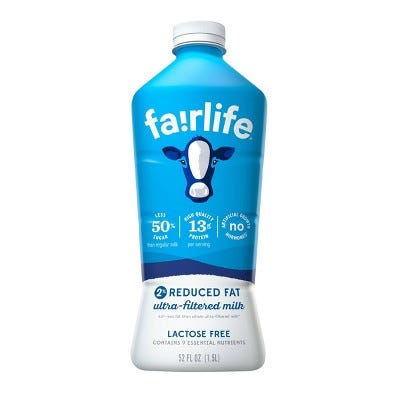
For milk, Meg opts for an ultra-filtered 2% version from Fairlife. “The price is a little higher, but I think it’s worth it,” she says. “It filters out the lactose and also some carbs and fats that are typically found in milk. It is a higher protein milk for the amount of calories that you’re getting.”

Given her love affair with spaghetti bolognese, Meg also grabs fat-free shredded mozzarella cheese to sprinkle on her pasta. (“Fat-free helps me reach my protein goal without overdoing my fat because I get fat from other sources,” Meg explains.) String cheese is a necessity for snacking, as are yogurt and cottage cheese. Though she leans towards lower fat options for cheese, Meg prefers a higher fat Greek yogurt (5%) for the taste.

She finishes out the dairy section with a carton of eggs. (Meg’s husband eats a lot of them, so she usually buys a pack of 18.)

Once The Fresh Finds Are Gathered, It’s Time For The Interior Aisles

With her cart full of fresh finds from the perimeter of the store, Meg next works her way through the aisles.

“This is where I’m choosing things that are nice alternatives that add a little bit of extra protein or nutrients,” she says.

To that end, she stops by the pasta section to grab either chickpea noodles or Goodles (super-charged macaronis and penne that boast 10 grams of protein). Another carbohydrate option she likes that has some extra dietary heft: Dave’s Killer Bread, which includes 21 whole grains and seeds.

In the canned foods section, she gets jarred tomato sauce as well as black beans if she’s planning to make something like tacos or chili. (Otherwise, she isn’t a big consumer of beans or legumes.) She also grabs olive oil to make salad dressing and avocado oil for searing proteins at a high smoke point.

Next, she’ll swing through the frozen food section to add those easy-to-prep bags of mixed frozen veggies for dinner, in addition to selecting frozen fruits if she’s in the mood for a breakfast smoothie that week.

Lastly, Can’t Leave The Store Without Something Sweet

While Meg does eat plenty of protein bars (her new favorite is Alani Nu’s Rocky Road), Chocolatey Krave cereal is also a go-to when she has the munchies.

“You pour a bowl of cereal and you add milk, so you’re adding protein,” Meg says. “It makes more sense to have cereal in the house for a snack rather than just having Oreos—which I do love—so that it’s the easiest thing that I can reach.” Because, in the end, it’s all about the protein.

Headshot of Amy Wilkinson

Amy Wilkinson is an entertainment editor who also specializes in health and wellness. When not editing or writing, she can be found teaching Pilates as a comprehensively certified instructor.

Best mouthwash for healthy teeth and gums

0
Best mouthwash for healthy teeth and gums

Since our childhood, we are told about the importance of keeping our teeth clean. Brushing, flossing and using best mouthwash regularly are necessary habits for oral hygiene and health. Plaque and bad breath are only two of the many dental issues that can be avoided by maintaining clean teeth and mouth.

What are the benefits of using mouthwash?

According to the American Dental Association (ADA), mouthwash is considered as a beneficial supplement for oral hygiene. Mouthwash may be able to reach areas of the mouth that are difficult for a toothbrush to reach, but it cannot and also shouldn’t take the place of daily brushing.

The two primary categories of mouthwash are cosmetic and therapeutic. The ADA explains that there are clear distinctions between the cosmetic and therapeutic mouthwash. Cosmetic mouthwashes temporarily reduce foul breath, but they don’t contain any substances that actively combat the bacteria that are the root cause of the problem. Additionally, cosmetic mouthwashes lack components that serve to guard teeth or gums against infection.
Mouthwashes with therapeutic purposes include fluoride, cetylpyridinium chloride, and other chemicals that help to control or reduce conditions like bad breath, gingivitis, plaque, and tooth decay.

5 best mouthwash brands in India

The variety and number of mouthwash options may make you dizzy! So, we looked for some of the most recommended mouthwash brands online in India, and put this list together for you.

1. Colgate Plax Peppermint Fresh Mouthwash

Colgate’s peppermint extract-infused mouthwash is a dependable and well-liked option in India. You won’t feel any burning when using this mouthwash to rinse your mouth because it contains no alcohol. You can control bad breath and get rid of the after-meal stench in your mouth with the aid of the antibacterial and refreshing formulation. You may avoid the growth of bacteria around your teeth and gums by rinsing your mouth with a small amount of this mouthwash for about 30 seconds.

2. Listerine Cool Mint Mouthwash Liquid

This Listerine mouthwash is another trusted option in the Indian market. It is known for its efficiency in assisting you to keep oral cleanliness. According to the brand, using this mouthwash regularly can help minimise gum problems in two weeks and eliminate up to 99.9 percent of bacteria. This mouthwash can help you effectively maintain good dental hygiene because it contains four essential oils. To achieve the optimum benefits, do not eat, drink, or rinse your mouth within 30 minutes of using this mouthwash.

3. Closeup Red Hot Mouthwash

If you’re searching for an alcohol-free mouthwash to maintain your dental hygiene, this Closeup mouthwash may be a suitable choice. It contains cardamom and tulsi extracts, both of which have numerous medical and health benefits. With its natural components, this mouthwash can help you get rid of bad breath and keep your breath fresh for a long time. You won’t feel any burning or dryness in your mouth after using the mouthwash because it doesn’t contain any alcohol.

4. Biotene Dry Mouth Mouthwash

Biotene Mouthwash is a gentle germ-killing mouthwash. Strong antibacterial properties present in the mouthwash improve tissue health rather than irritate it. This Biotene mouthwash contains 4 antibacterial enzymes which boost the defence system normally found in your saliva. Together, they help protect your teeth and gums. Biotene is quite beneficial for people who experience oral irritations or dry mouth.

5. Dente91

Dente91 Mouthwash is a unique, lactoferrin-based mouthwash that ensures healthy teeth and gums. The mouthwash kills bacteria that cause bad breath while also freshening the breath. The mouthwash may reduce the occurrence of oral diseases and enhance the overall biological balance within the oral cavity by strengthening saliva’s natural defense mechanisms. The Dente91 Mouthwash ensures healthy teeth and gums by addressing the root causes. By including important dental health elements like lactoferrin, xylitol, and peppermint oil, it helps maintain excellent oral hygiene and prevents bad breath.

How to choose the right mouthwash?

Here are some tips to help you make the right pick when it comes to mouthwashes.

Alcohol is a common ingredient in mouthwash and rinses, and it can be harmful if purposely taken in large amounts. You may decide to choose one of the alcohol-free mouthwash options that are offered if your home has school-age children or teenagers and you want to buy one kind of mouthwash or rinse for the entire family. Additionally, some alcoholics in recovery forego using mouthwash containing alcohol for standard dental care owing to the danger of addiction.

If you want a mouthwash that not only helps to manage bad breath but also helps to prevent plaque build-up on the teeth, look for a dental rinse that incorporates anti-plaque ingredients. If you need clarification about which mouthwash or rinse will best meet your oral health needs, ask your dentist for assistance on how to use mouthwash in regular oral care.

Some people dislike the chemicals in mouthwash, especially those with sensitive gums. Even though they don’t frequently complain of painful gums, people who are recovering from a dental procedure could realise that their mouths are momentarily more sensitive. If you have a sensitive mouth, you might want to use an alcohol-free or all-natural mouthwash as part of your dental hygiene routine. Because of their relaxing effects, chamomile and aloe vera are two ingredients that are frequently found in natural mouthwashes.

(Disclaimer: At Health Shots, we make a constant effort to break the clutter for our readers. All products listed are carefully curated by the editorial team but use your discretion and an expert’s opinion before using them. Their price and availability may differ from the time of publication. If you buy something using these links in the story, we may earn a commission.)

What is the best natural viagra in 2023?

0
What is the best natural viagra in 2023?

Disclaimer: This post contains affiliate links. 

Looking for a safer and more affordable alternative to treat erectile dysfunction? Natural Viagra might be the answer you’ve been searching for. With minimal side effects and a holistic approach, many men are turning to natural remedies to improve their sexual performance and overall well-being. Derived from herbs, plants, and nutrients known for their aphrodisiac properties, these alternatives offer a promising solution without the potential risks associated with prescription medications. Natural remedies have been used for centuries in various cultures to enhance sexual health.

Understanding Generic Cialis and Viagra

Generic Cialis and Viagra are popular prescription drugs used to treat erectile dysfunction. These medications have gained significant attention for their ability to improve sexual performance in men. Let’s dive into the details of these medications and understand how they work.

Popular Medications for Erectile Dysfunction

Both generic Cialis and Viagra are known as phosphodiesterase type 5 (PDE5) inhibitors. They work by increasing blood flow to the penis, resulting in improved erections. When a man is sexually aroused, these medications help relax the blood vessels in the penis, allowing more blood to flow into it. This increased blood flow leads to a firmer and longer-lasting erection.

Cost-Effective Alternatives

One of the key advantages of generic versions of Cialis and Viagra is their cost-effectiveness compared to brand-name options. Generic medications contain the same active ingredients as their brand-name counterparts but are often available at a lower price. This makes them a more affordable option for individuals seeking treatment for erectile dysfunction.

Consultation with Healthcare Professionals

Before considering the use of generic Cialis or Viagra, it is crucial to consult with a healthcare professional. They will assess your medical history, current medications, and any underlying health conditions that may interact with these drugs. It’s essential to ensure that these medications are safe for you based on your individual circumstances.

Potential Side Effects

Like any medication, generic Cialis and Viagra can have potential side effects. Common side effects include headaches, flushing (redness or warmth in the face), indigestion, nasal congestion, and dizziness. These side effects are usually mild and temporary but should be reported to a healthcare professional if they persist or worsen.

Precautions and Drug Interactions

It’s important to note that certain precautions need to be taken when using generic Cialis or Viagra:

  • These medications should not be taken by individuals who are already taking nitrates for chest pain or heart problems. Combining nitrates with PDE5 inhibitors can cause a severe drop in blood pressure, which can be dangerous.

  • Individuals with certain heart conditions, such as unstable angina or recent heart attack, should avoid using these medications.

  • It is crucial to disclose all current medications, including over-the-counter drugs and supplements, to your healthcare professional to avoid potential drug interactions.

Elm & Rye libido supplements are gaining popularity as a top-rated natural alternative for enhancing sexual performance. These supplements are specially formulated to address common concerns related to sexual health and provide a safe and effective solution. With the use of high-quality ingredients, Elm & Rye products aim to increase libido, improve stamina, and support overall sexual well-being.

Ingredients like Horny Goat Weed, Maca Root, and Tribulus Terrestris

One of the key factors that set Elm & Rye libido supplements apart is their carefully selected blend of ingredients. These supplements contain powerful natural aphrodisiacs such as horny goat weed, maca root, and tribulus terrestris.

By combining these potent ingredients, Elm & Rye aims to provide a comprehensive solution for individuals looking to improve their sexual experiences.

Enhanced Libido, Improved Stamina, and Overall Sexual Health

The primary goal of Elm & Rye libido supplements is to help individuals achieve a healthier sex life. Regular use of these supplements can lead to several benefits:

  1. Increased Libido: Many users have reported an improvement in their sex drive after incorporating Elm & Rye products into their routine.

  2. Improved Stamina: These supplements may help boost energy levels and endurance during intimate moments.

  3. Enhanced Performance: Users have experienced stronger erections and improved overall satisfaction in bed.

High-Quality Ingredients from Trusted Suppliers

Elm & Rye understands the importance of using premium-quality ingredients to ensure the effectiveness and safety of their products. They source their ingredients from trusted suppliers who adhere to strict quality control measures. This commitment to quality ensures that customers are getting a reliable and trustworthy product.

Positive Results with Minimal Side Effects

One of the significant advantages of Elm & Rye libido supplements is that they have been reported to produce positive results without causing significant side effects. However, it’s essential to note that individual experiences may vary, and it’s always advisable to consult with a healthcare professional before starting any new supplement regimen.

L-Arginine for Erectile Dysfunction

L-arginine supplementation has been found to enhance erectile function in men with mild to moderate erectile dysfunction. By improving blood flow during arousal, L-Arginine has shown promising results in treating mild to moderate cases of erectile dysfunction.

Improved Blood Flow and Sexual Performance

One of the key benefits of L-Arginine is its ability to enhance blood flow to the penis. When taken orally or applied topically, this natural supplement helps dilate blood vessels, allowing more blood to flow into the erectile tissues. As a result, men may experience improved erections and enhanced sexual performance.

Potential Interactions with Medications

While L-Arginine offers potential benefits for those struggling with erectile dysfunction, it’s important to exercise caution. This amino acid may interact with certain medications such as nitrates or antihypertensive drugs. Therefore, it is crucial to consult a healthcare professional before incorporating L-Arginine into your routine.

Consultation with Healthcare Professionals

Before starting any new supplement regimen or treatment plan for erectile dysfunction, it is always wise to seek guidance from a healthcare professional. They can evaluate your specific situation and provide personalized advice based on your medical history and current medications.

Regular Use for Long-Term Benefits

Consistency is key when using L-Arginine as a natural remedy for erectile dysfunction. Regular use over time has been associated with improved erections and increased sexual satisfaction. It’s essential to follow the recommended dosage instructions provided by healthcare professionals or product labels.

Other Lifestyle Factors

While L-Arginine can be beneficial in addressing mild to moderate cases of erectile dysfunction, it’s important to remember that lifestyle factors also play a significant role in sexual health. Maintaining a healthy diet rich in fruits, vegetables, whole grains, lean proteins, and regular exercise can contribute positively towards overall sexual well-being.

Holistic Approach to Sexual Health

Addressing erectile dysfunction requires a holistic approach that takes into account various factors. Alongside L-Arginine, individuals may consider incorporating other natural remedies such as Panax ginseng, DHEA supplements, or lifestyle changes like stress reduction techniques and regular physical activity.

Epimedium (Horny Goat Weed) Power for ED

Epimedium, commonly known as horny goat weed, is a popular herb in traditional Chinese medicine that has been used for centuries to treat erectile dysfunction (ED). This natural remedy contains a compound called icariin, which has been found to have positive effects on sexual function and overall sexual performance.

Boost Blood Flow and Sexual Function

One of the key benefits of horny goat weed is its ability to increase blood flow to the penis. The compound icariin helps relax the smooth muscles in the arteries, allowing them to expand and carry more blood. This enhanced blood flow can lead to improved erections and better sexual function.

Enhance Libido and Testosterone Levels

In addition to improving blood flow, horny goat weed has also been shown to boost libido and increase testosterone levels. Testosterone is an important hormone for sexual desire and performance in both men and women. By promoting healthy testosterone levels, horny goat weed may help enhance sexual desire and improve overall sexual satisfaction.

Various Forms for Easy Consumption

Horny goat weed is available in various forms, making it easy for individuals to incorporate into their daily routine. It can be found as capsules, extracts, teas, or even combined with other herbal supplements. These different options allow individuals to choose what works best for them based on their preferences and needs.

Potential Interactions with Medications

While horny goat weed is generally considered safe when taken as directed, it’s essential to consult with a healthcare professional before using any supplements or herbs. This precaution is especially important if you are taking medications for other health conditions. Horny goat weed may interact with certain medications such as blood thinners or high blood pressure medications. A healthcare professional can provide guidance on whether horny goat weed is suitable for you based on your specific circumstances.

Ginseng: Natural Remedy for Erectile Dysfunction

Ginseng has been found to improve erectile function in men with erectile dysfunction. The active compounds found in ginseng help relax blood vessels and increase blood flow to the penis, resulting in improved erections and enhanced sexual performance.

Benefits of Ginseng for Erectile Dysfunction

Regular consumption of ginseng can offer several benefits for individuals struggling with ED. Let’s take a closer look at some of these advantages:

  1. Improved Blood Flow: The active ingredients in ginseng, known as ginsenosides, have been shown to promote vasodilation and improve blood circulation. This increased blood flow to the penis can lead to stronger and longer-lasting erections.

  2. Enhanced Sexual Performance: Ginseng has been associated with increased libido and sexual desire. It may also help reduce stress and anxiety related to sexual performance, allowing individuals to enjoy a more fulfilling sexual experience.

  3. Increased Stamina: Ginseng is believed to boost energy levels and combat fatigue, which can contribute to better endurance during sexual activity.

  4. Overall Well-being: Besides its potential benefits for ED, ginseng is also known for its adaptogenic properties, meaning it helps the body cope with stressors more effectively. This can have a positive impact on overall well-being and may indirectly contribute to improved sexual function.

Forms of Ginseng Available

Ginseng is available in various forms, making it convenient for individuals seeking natural remedies for ED. Some common forms include:

  • Capsules or Tablets: These are easy-to-consume options that allow you to incorporate ginseng into your daily routine effortlessly.

  • Powders: Ginseng powder can be mixed into beverages or sprinkled over food.

  • Teas: Ginseng tea offers a soothing way to consume this herbal remedy while enjoying its potential benefits.

  • Extracts: Ginseng extracts are highly concentrated forms of the herb and may offer a more potent effect.

Considerations Before Using Ginseng Supplements

While ginseng is generally considered safe for most individuals, it’s essential to keep a few considerations in mind:

  1. Consultation with Healthcare Professional: If you have any underlying medical conditions or are taking specific medications, it’s crucial to consult your healthcare professional before incorporating ginseng supplements into your routine. They can provide personalized advice based on your individual circumstances.

  2. Potential Side Effects: Although rare, some individuals may experience side effects such as headaches, digestive issues, or changes in blood pressure when using ginseng. It’s important to monitor your body’s response and discontinue use if any adverse reactions occur.

  3. Quality and Dosage: When purchasing ginseng supplements, ensure that you choose a reputable brand known for producing high-quality products. Follow the recommended dosage instructions provided by the manufacturer or as advised by your healthcare professional.

  4. Interaction with Other Medications: Ginseng may interact with certain medications such as blood thinners or antiplatelet drugs. It’s crucial to inform your healthcare professional about all the medications you are currently taking to avoid potential interactions.

Cost Savings with Viagra Alternatives

Switching to natural Viagra alternatives can offer significant cost savings compared to prescription medications like Viagra. These alternatives are often more affordable and provide a budget-friendly option for individuals seeking treatment for erectile dysfunction.

Investing in natural remedies can help reduce long-term expenses associated with treating erectile dysfunction. While brand-name drugs like Viagra can be expensive, generic versions of these medications are available at lower prices. By opting for generic alternatives, individuals can save money without compromising on effectiveness.

Here are the key points about cost savings with Viagra alternatives:

More Affordable Options

Natural Viagra alternatives typically come at a lower price point than prescription medications. This affordability allows individuals to explore different options and find the most suitable alternative without facing financial burdens. Many people find it more practical and cost-effective to invest in natural remedies rather than relying solely on expensive prescription drugs.

Generic Versions

Generic versions of popular erectile dysfunction medications offer a cost-saving solution while maintaining similar efficacy as their brand-name counterparts. These generics contain the same active ingredients as the original medication but are sold at a fraction of the price. Switching from brand-name drugs to their generic equivalents can lead to substantial savings over time.

Long-Term Treatment Plans

Erectile dysfunction is often a chronic condition that requires ongoing treatment. Natural Viagra alternatives provide an opportunity for individuals to save money on long-term treatment plans. By choosing these alternatives, individuals can avoid the high costs associated with the continuous use of prescription medications.

Competitive Pricing and Discounts

Many manufacturers of natural Viagra alternatives offer competitive pricing and discounts for bulk purchases, further reducing costs for consumers. These discounts make it easier for individuals to afford these products while still receiving effective treatment for erectile dysfunction.

Personalized Approach

The availability of various natural remedies allows individuals to take a personalized approach to treating their erectile dysfunction. They have the freedom to choose from different options based on their preferences, needs, and budget constraints. This flexibility empowers individuals to find the most cost-effective solution that works best for them.

Health Insurance Coverage

While natural Viagra alternatives may not be covered by health insurance plans, the cost savings they offer can often outweigh the out-of-pocket expenses. It is important to consult with insurance providers and explore coverage options for prescription medications as well as natural alternatives. Understanding insurance coverage can help individuals make informed decisions about their treatment and associated costs.

Vitamin C-Rich Fruits for Sexual Health

Vitamin C is not only essential for overall health but also plays a crucial role in supporting sexual health. Incorporating fruits rich in vitamin C into your diet can have a positive impact on your libido and overall sexual performance. Let’s explore how these vitamin C-rich fruits can benefit your sexual well-being.

Boosts Blood Circulation

One of the key benefits of consuming fruits high in vitamin C, such as oranges and strawberries, is their ability to improve blood circulation. Adequate blood flow is crucial for healthy erectile function in men and enhanced arousal in women. By promoting better circulation, these fruits help ensure that the necessary nutrients and oxygen reach the reproductive organs, supporting optimal sexual performance.

Enhances Libido

A healthy libido is vital for a satisfying sex life, and vitamin C-rich fruits can help boost it naturally. These fruits contain compounds that stimulate the production of sex hormones, such as estrogen and testosterone, which play a significant role in regulating sexual desire. Regular consumption of oranges, strawberries, or other vitamin C-rich fruits can enhance your libido and increase your overall interest in sexual activities.

Supports Overall Sexual Performance

In addition to improving blood circulation and enhancing libido, including vitamin C-rich fruits in your diet can positively impact your overall sexual performance. The antioxidants present in these fruits protect against oxidative stress—a condition caused by an imbalance between free radicals and antioxidants—which can affect sexual function. By reducing oxidative stress, these fruits contribute to improved stamina and endurance during intimate moments.

Promotes Overall Well-being and Vitality

Taking care of your overall well-being is essential. Vitamin C-rich fruits provide numerous other health benefits that indirectly contribute to better sexual health. These include boosting the immune system, reducing inflammation, promoting collagen production for healthier skin tissues (including those involved in intimate areas), and providing a wide range of vitamins and minerals that support overall vitality.

Vitamin B-Rich Fruits for Energy and Passion

Fruits that are rich in vitamin B, such as bananas and avocados, can provide a natural boost of energy and promote passion in your life. These fruits contain essential nutrients that support the production of sex hormones like testosterone, which enhances libido and sexual desire.

Including vitamin B-rich fruits in your diet can have several benefits. One significant advantage is the increase in stamina and overall energy levels. The vitamins found in these fruits help convert food into energy, giving you the fuel you need for a satisfying sexual experience.

In addition to boosting energy levels, vitamin B also plays a role in reducing stress. Stress can often be a major factor contributing to a decrease in sexual desire or performance. By incorporating vitamin B-rich fruits into your diet, you can help regulate stress levels and create an environment conducive to better sexual experiences.

Let’s take a closer look at how these fruits can specifically contribute to your overall sexual vitality:

Enhanced Libido with Testosterone Boost

Bananas are not only delicious but also packed with nutrients that can enhance your libido. They are an excellent source of potassium, which helps maintain healthy blood flow throughout the body, including the genital area. Bananas also contain bromelain, an enzyme known to increase testosterone levels naturally.

Avocados, on the other hand, are rich in healthy fats that support hormone production. These fats aid in the absorption of fat-soluble vitamins like vitamin B6 and folate present in avocados. Vitamin B6 is crucial for regulating hormone production and maintaining healthy testosterone levels.

Increased Stamina for Better Performance

Vitamin B-rich fruits play a vital role in increasing stamina, allowing you to perform better during intimate moments. Citrus fruits like oranges and grapefruits are excellent sources of vitamin C, which aids in collagen production and helps improve blood circulation throughout the body. Improved blood flow can enhance endurance and stamina during sexual activity.

Stress Reduction for a More Satisfying Experience

Vitamin B-rich fruits, such as strawberries and raspberries, contain antioxidants that help combat stress. These berries are packed with vitamin C and other essential nutrients that support the body’s natural stress response system. By reducing stress levels, you can experience a more satisfying sexual encounter.

Overall Sexual Vitality Boost

Regular consumption of vitamin B-rich fruits can contribute to your overall sexual vitality. These fruits provide a natural source of energy, enhance libido, increase stamina, and reduce stress levels – all essential factors in maintaining a healthy and fulfilling sex life.

It is important to note that while incorporating these fruits into your diet can have positive effects on your sexual health, they should be part of an overall balanced diet and lifestyle. It is always recommended to consult with a healthcare professional or nutritionist before making any significant changes to your diet or starting any new supplements.

Exploring the Benefits of Epimedium (Horny Goat Weed)

Epimedium, commonly known as horny goat weed, offers various benefits for sexual health.

Epimedium, also known as horny goat weed, has been used for centuries to enhance sexual health and address issues like erectile dysfunction. This herb is believed to work by increasing blood flow to the penis, which can lead to improved erections and enhanced sexual performance.

Horny goat weed has been traditionally used to treat erectile dysfunction by increasing blood flow to the penis.

One of the primary uses of horny goat weed is in the treatment of erectile dysfunction (ED). It contains a compound called icariin that acts similarly to prescription medications used for ED. By promoting vasodilation and improving blood circulation, horny goat weed may help men achieve and maintain stronger erections.

The herb may also help improve libido, enhance stamina, and alleviate symptoms of menopause.

In addition to its potential benefits for treating ED, horny goat weed is also known for its positive effects on libido and stamina. It may help increase sexual desire or libido in both men and women. For individuals experiencing a decline in energy or endurance during intimate activities, this herb could provide a natural boost.

Furthermore, some studies suggest that horny goat weed may have positive effects on menopausal symptoms. It might aid in reducing hot flashes and alleviating other discomforts associated with hormonal changes during menopause.

Epimedium contains icariin, a compound that acts similarly to prescription medications for ED.

The key component responsible for many of the beneficial effects of epimedium is icariin. This compound has been found to inhibit an enzyme called phosphodiesterase type 5 (PDE5), which is similar to how prescription medications like Viagra work. By inhibiting PDE5, icariin promotes increased blood flow to the genital area and helps relax smooth muscles in the penis, leading to improved erectile function.

Research suggests that regular use of horny goat weed supplements may lead to improved erections and increased satisfaction.

Several studies have explored the potential benefits of horny goat weed for sexual health. Research conducted on animals and humans has shown promising results. Regular supplementation with horny goat weed has been associated with enhanced erectile function, increased sexual satisfaction, and improved overall sexual performance.

While individual experiences may vary, incorporating horny goat weed into a healthy lifestyle could potentially provide positive outcomes for individuals seeking natural alternatives for addressing sexual health concerns.

Conclusion

In conclusion, this blog post has explored various natural alternatives to Viagra for those seeking a more holistic approach to enhancing sexual health. We have discussed the benefits of Elm & Rye Libido Supplements as a top natural Viagra alternative, the effectiveness of L-Arginine in treating erectile dysfunction, and the power of Epimedium (Horny Goat Weed) in improving sexual performance. We have highlighted Ginseng as a natural remedy for erectile dysfunction and emphasized the cost savings potential when opting for Viagra alternatives.

With these options at your disposal, you can make an informed decision about which natural solution aligns best with your needs. Remember to consult with a healthcare professional before incorporating any new supplements into your routine. By taking advantage of these natural remedies, you can enhance your sexual health without relying solely on pharmaceutical solutions.

FAQs

Are natural Viagra alternatives safe?

Natural Viagra alternatives can be safe when used correctly and under proper guidance. However, it is crucial to consult with a healthcare professional before starting any new supplement regimen to ensure they are suitable for your specific health condition and won’t interact negatively with any medications you may be taking.

How long does it take for natural Viagra alternatives to work?

The time it takes for natural Viagra alternatives to work can vary depending on the individual and the specific product being used. While some people may experience immediate effects, others may need to use these alternatives consistently over time before noticing significant improvements in their sexual health.

Can I use natural Viagra alternatives alongside prescription medications?

It is essential to consult with a healthcare professional before combining natural Viagra alternatives with prescription medications. Some supplements may interact negatively with certain drugs, leading to adverse effects or reduced efficacy. Your doctor will be able to provide personalized advice based on your specific circumstances.

Are there any side effects associated with using natural Viagra alternatives?

While generally considered safe, some natural Viagra alternatives may have potential side effects. These can vary depending on the specific supplement and individual factors. It is advisable to read product labels carefully, follow recommended dosages, and monitor your body’s response. If you experience any adverse reactions, discontinue use and consult a healthcare professional.

Can natural Viagra alternatives treat the underlying causes of erectile dysfunction?

Natural Viagra alternatives may help address some of the underlying causes of erectile dysfunction, such as poor blood circulation or hormonal imbalances. However, it is essential to understand that they may not be a comprehensive solution for all cases. It is crucial to work with a healthcare professional to diagnose and address the root cause of your erectile dysfunction for optimal results.