Home Blog Page 36

Meta’s instagram sued by 33 US states for damaging children’s mental health, causing depression, anxiety, insomnia

0
Meta’s instagram sued by 33 US states for damaging children’s mental health, causing depression, anxiety, insomnia

Meta’s Instagram is getting sued by a coalition of 33 states for intentionally damaging children’s mental health, causing depression, anxiety, insomnia using their algorithms. The lawsuit accusing the tech giant of exploiting young users for profit and exposing them to harmful content

Meta Platforms, the parent company of social media giants Instagram and Facebook, has found itself embroiled in a rather tricky legal battle. On Tuesday, California, along with a coalition of over 30 states, filed a lawsuit accusing the tech giant of exploiting young users for profit and exposing them to harmful content. The lawsuit was formally submitted in a federal court situated in California.

The lawsuit contends that Meta has harnessed unprecedented technologies to lure, engage, and effectively ensnare young individuals, particularly youth and teenagers.

Charges against Meta
The states argue that the underlying motive behind these actions is driven by profit, and in pursuit of maximizing financial gains, Meta has consistently misled the public about the substantial dangers associated with its social media platforms.

Related Articles

After

After Threads, Meta’s Instagram copies another feature from Elon Musk’s X, tests ‘verified only’ feed

After

Meta sued in the US: How Instagram is particularly harmful to adolescents

Meta Platforms, has asserted its commitment to ensuring the online safety of young users and their families. To this end, the company has introduced more than 30 tools aimed at supporting these objectives.

In response to the lawsuit, Meta Platforms issued a statement expressing its disappointment in the approach taken by the attorneys general. The company expressed its preference for collaborative efforts within the industry to establish clear, age-appropriate standards for the multitude of apps utilized by teenagers.

Whistleblower’s testimony, the backbone of the lawsuit
This lawsuit stems from a series of concerns that have surfaced over the past year, largely triggered by former Meta employee Frances Haugen, who emerged as a whistleblower in 2021. Haugen’s allegations pointed to Meta knowingly targeting vulnerable young users to enhance its profits.

Notably, Haugen revealed an internal study conducted on Instagram, which indicated that many adolescent girls using the platform were grappling with depression and anxiety, particularly concerning body-image issues.

In this recent lawsuit, Haugen’s testimony to Congress has been included as pertinent evidence. Furthermore, the legal action underscores the existence of child-oriented accounts on both Facebook and Instagram, featuring content related to toys like Hot Wheels and Lego, as well as television programs such as PAW Patrol and Bluey.

Collecting data from children
While users under the age of 13 are mandated to secure parental consent to create an account on Facebook and Instagram, the lawsuit alleges that Meta Platforms has been collecting personal information about underage users who have not received the required parental authorization.

It’s noteworthy that Meta Platforms Inc. is not the only tech company facing legal action concerning the impact of social media on the mental health of adolescents and young adults.

Competitors such as Snap, TikTok, and Google are similarly contending with numerous lawsuits, with claimants arguing that these platforms are responsible for issues like anxiety, depression, eating disorders, and sleep disturbances among young users ensnared by the allure of social media.

Muscle Knots – Why They Happen, How to Relieve Them

0
Muscle Knots – Why They Happen, How to Relieve Them

Maybe you went to bed just fine, but you wake up with hardened, sensitive spots in areas including your neck, shoulders, or back? Or these develop over the course of a day, causing distracting discomfort. You’re likely dealing with muscle knots, often due to overuse related to exercise, or underuse related to sitting too long.

Muscle knots, which people may also know as “trigger points,” are specific areas of muscle contracture or stiffness, says Jake Price, a chiropractor at MVMT Chiropractic in Houston. They occur when stress applied to muscle tissue exceeds the muscles’ capacity to recover. They can also be a literal pain to deal with, as they can cause muscle aches and limit your range of motion.

What causes muscle knots?

If you notice that your muscle knots pop up when you’ve been consistent about working out regularly, that’s because they are typically a result of repetitive activity or overloading the muscle tissue, Dr. Price says.


“As the muscle gets overworked, it will become more tense, which can reduce blood flow and circulation,” he says. “This will result in poor exchange of nutrients and oxygen to the tissue which ultimately leads to the local contracture of the muscle.”

Muscle knots can also be caused by ergonomic factors, such as sitting at your desk for extended periods of time without enough breaks in between. It also certainly doesn’t help matters much if your desk set-up isn’t a comfortable one that promotes good posture.

Other causes of muscle knots include traumatic events like car accidents, slips or falls, or muscle strains or injuries, Dr. Price says. Blunt trauma can damage muscle tissue, as can the muscle being stretched beyond its limits. “When these injuries occur, there will be inflammation in the area, which can change the blood flow and nutrient flow in and out of the injured muscle. This ultimately changes the way the muscle functions and the development of trigger points or knots are not uncommon,” he says.

Nutritional and environmental factors can also be a culprit in muscle knots—even electrolyte deficiency, heat-related factors, excessive training and increased sweat production can contribute, Price adds.

What are the symptoms of a muscle knot?

“Knots or trigger points are often super tender to the touch and can refer to pain to other areas of the body, usually in the vicinity of the knot (check out trigger point referral patterns),” says Dan Giordano, D.P.T., C.S.C.S., founder of Bespoke Treatments.

“Using the muscle or contracting the muscle in which the knot may be found can also be very painful,” adds Dr. Price

How can you prevent muscle knots?

While you can’t prevent muscle knots that come on as the result of an event like a car accident or fall, you can take steps to prevent them when they’re related to your level of activity, Dr. Price says.

“Appropriate training and recovery is the best way to prevent these muscle knots from forming, as they are most commonly a result of repetitive stress/strain on the muscles,” he says. “Making sure you have ‘easy’ days in your training is important, and gradually progressing any type of training program is an important concept as well to make sure the muscles are able to adapt to the load placed on them.”

Muscle knots also commonly develop as a result of engaging in new activities, such as doing a new movement, or taking up a new sport or even from overuse in terms of workout load or volume, adds Giordano.

If you suspect your muscle knots may be the result of a poor ergonomic setup, you can evaluate your workspace and consider replacing your chair for one that promotes better posture, or even opting for a standing desk. Be sure to take breaks to stretch or walk around and avoid sitting for several hours straight.

How to treat muscle knots at home

According to Dr. Price, a number of techniques can be effective in relieving muscle knots:

1) Massage. If you can’t reach the area, “having a partner massage over the areas or muscles with trigger points can help,” he says. “Remember that these trigger points are typically very painful and sensitive to pressure, though, so your partner should be mindful of this when treating it with direct pressure.” Dr. Price recommends five to 10 repetitions of direct pressure for 60 seconds each, increasing pressure with each rep.

“Massaging around the knot may be useful to make the area more comfortable and tolerable for the direct pressure,” he adds. It can also just increase some blood flow to the area which will be helpful as well.

2) Direct pressure. Price says this is the most effective way to treat a muscle knot. To do this, apply sustained deep pressure over the trigger point (ischemic compression) using a tennis ball, door frame corner, or other objects that allow you to apply direct pressure to the muscle knot, or roll over it. “This should be applied with gradual pressure and for no longer than 60 to 90 seconds at a time,” he says.

3) Epsom salt baths. These, plus the hot water in the bath, help relax muscles and relieve pain and swelling.

4) Stretching. Gentle stretches can promote mobility and reduce pain in your back and neck.

The fifth way requires a little help.

When should you seek professional treatment for muscle knots?

You might need professional help to get relief from muscle knots more often than you think. Much of the time, muscle knots won’t go away on their own, Dr. Price says. If at-home remedies and techniques like stretching, pressure, and hot baths haven’t brought relief, he recommends seeing a health care provider such as a chiropractor, massage therapist or physical therapist.

“General massage can sometimes be effective in reducing the knots or helping the muscle recover,” he says.

If this doesn’t work, and you’re still feeling pain or discomfort, aggressive techniques may be necessary, which can involve them performing ischemic compression, or dry needling—this involves inserting a fine needle directly into the muscle knot or trigger point. “This can help decrease muscle tightness, increase blood flow, and stimulate the body’s natural healing responses,” he explains.

Finally, if your muscle knots just won’t subside, you may need trigger point injections. These involve injecting steroids or Botox into the muscle tissue to aid in healing or reducing the muscle tension, Dr. Price says. These usually work best in combination with physical therapy, says Giordano. The injections can provide quick relief from the muscle spasms, and by modulating the pain, he says “you can get the most out of your physical therapy and create long-term change.”

If you keep getting muscle knots, don’t hesitate to back off the training plan you’re on. “We are still learning about what these knots/trigger points are, so listen to your body and understand that if it hurts, it is probably a good idea to back off a bit and seek help from a professional,” Giordano says.

Headshot of Emilia Benton

Contributing Writer

Emilia Benton is a Houston-based freelance writer and editor. In addition to Runner’s World, she has contributed health, fitness and wellness content to Women’s Health, SELF, Prevention, Healthline, and the Houston Chronicle, among other publications. She is also an 11-time marathoner, a USATF Level 1-certified running coach, and an avid traveler.

‘The Drug Helped Me Lose 30 Pounds At Age 52’

0
‘The Drug Helped Me Lose 30 Pounds At Age 52’

I always had a massive appetite and most of my life, I was able to eat what I wanted. I never worried about my size, assuming I had a fast metabolism to thank. But when I turned 45 and perimenopause came knocking on my door, I started steadily gaining weight each year. Then, during the pandemic, I put on almost 20 pounds.

Food is my love language and I’ve always been a big overeater. And as a mother, wife, and business owner, food has always been my comfort and what brings my family together. Portion size wasn’t on my radar. I would eat three servings of pasta for dinner and not even bat an eyelash. It honestly felt like my brain never signaled I was full or told me to stop eating. On top of that, I’ve never been a big exerciser. I’ve tried yoga, Pilates, running, and even bought a Peloton, but I always burn out and struggle to stay motivated. Instead, daily walks with my dog are my go-to.

To put things in perspective, I’m about 5’5’’ and at my heaviest, I was 180 pounds. For some, this isn’t considered big, but personally, that was heavier than when I was pregnant with my daughter. I’ve always been naturally curvy, but now I was noticeably packing weight in my mid-section, face, and arms. My calves were also thicker than ever because I could no longer pull on some of my favorite boots.


Aside from aesthetics, I was constantly out of breath and chronically tired. My doctor also expressed concern about my weight and high cholesterol. I was discouraged and the weight kept coming. I just didn’t feel like myself.

This content is imported from poll. You may be able to find the same content in another format, or you may be able to find more information, at their web site.

I started researching weight loss medications and considered my options.

Within the last year, I’ve seen tons of ads for weight loss medications on social media and heard success stories through friends. I was intrigued, so started researching medical weight loss drugs and considered my options. I wanted any medication to be effective and safe, but I also had to stay financially practical since most options aren’t covered under my insurance.

One day, I saw an Instagram post for a new medical weight loss clinic in my area. The monthly price was within my budget, and I knew the lead nurse practitioner so felt comfortable with the process and trusted her expertise. I immediately signed up and booked an appointment.

a woman holding a bag

Pilar before starting semaglutide

Pilar DeMann

After a physical, bloodwork, and in-depth medical history, my nurse practitioner and I decided at the end of April 2023 that I would start on 0.25 milligrams of the generic version of semaglutide, the active ingredient of Ozempic and Wegovy. (FYI: Wegovy is FDA-approved for long-term weight management, while Ozempic is FDA-approved to treat type 2 diabetes but often prescribed off-label for medical weight loss.)

My practitioner discussed the possible risks and side effects such as nausea, constipation, abdominal pain, and even pancreatitis, but explained that starting at a low dose of semaglutide would be best to keep side effects at bay and see how my body reacted.

The weekly medication is administered through an injection, but the first dose was easy and painless.

I experienced some side effects, but my body quickly adjusted.

Side effects are common when taking semaglutide, and the first couple weeks I experienced headaches. Luckily, they were bearable and easily managed with Advil.

I also immediately noticed that I had no desire for food. I wasn’t hungry and nothing sounded good. The only food I occasionally craved was cottage cheese, but after a few bites, I was stuffed.

Mentally, this was a little weird for me. I’ve always loved food and pride myself in cooking three meals a day for my family. When I’m not cooking, I’m meal planning. Now, I could barely even think about food without feeling a little queasy.

After about three weeks, my dosage increased to 0.5 mg, and I quickly experienced more side effects. I was frequently nauseous and had severe heartburn if I ate anything when I wasn’t hungry. One afternoon, I split a chocolate chip cookie with my daughter and after a single bite, I had such bad heartburn I was in bed for the rest of the day.

As a result, I became extremely aware of what I was putting in my mouth. Instead of snacking and mindlessly eating when I wasn’t hungry, food became fuel. I prioritized moderate portions of fresh, whole food (in addition to cottage cheese, I sometimes craved meat) and ate to nourish my body.

a person sitting at a table

Pilar prepping dinner for her family

Pilar DeMann

I also significantly cut down on alcohol. Before my weight loss journey, I was drinking wine on the daily. Now, my craving for alcohol is completely gone and I’d honestly almost always rather have water.

I started exercising with a personal trainer and realized how strong I was.

As mentioned, fitness has never been my jam. However, I know the importance of exercise, especially at my age. My nurse practitioner continues to tell me that lifestyle changes are extremely important while on semaglutide, and weekly exercise is a must to maximize the medication’s effects. So, I signed up for personal training at my local gym since they offered 30 minute sessions. I told myself I can do anything for 30 minutes and committed to two training sessions a week.

I never knew (or thought) I was strong, but after a few workouts, I feel stronger and more confident than ever. Previously, I lacked discipline and could never stick to regular exercise on my own, but finding a trainer who I like and connect with is huge. My personal trainer, Lyndsay, is the motivation and extra push I need. She holds me accountable.

a person lifting weights

Pilar lifting weights

Pilar DeMann

I still love walking my dog, but I’m also learning new ways of moving that make my mind and body feel good. So far, I’m really enjoying the process and just signed up for another month.

I continued increasing my dosage until I hit my goal weight.

Along with a healthy diet and weekly exercise, I continued to increase my dose of semaglutide every few weeks, with the guidance of my medical provider. At my peak, I was taking 1.5 mg a week, and by the end of August, I officially hit my goal weight. I was down 30 pounds.

a woman in a dress

Pilar after hitting her goal

Pilar DeMann

Today, I’m about 147 pounds and I feel like myself. My face and mid-section are slimmer, I can work out without gasping for air, I’m stronger, and my boots fit me! Aside from some lingering nausea and reduced appetite, my other side effects also subsided and I feel really good.

The goal is to eventually work my way off semaglutide, so my nurse practitioner recently reduced my dosage as I enter more of a maintenance mode. I’m now taking 1.0 mg every two weeks and the plan is to slowly decrease doses as I wean my way off. I’m a little nervous about weight regain, but I’m certainly more mindful and appreciative of my lifestyle changes. I will continue to work out, limit alcohol, and focus on portion control and a balanced diet.

Semaglutide changed how I nourish my body—and I’ve never felt better.

Personally, I believe this medication is a miracle. I’m so thankful I had access to semaglutide, and I’m fortunate that my body adjusted. I feel like myself again and couldn’t be happier.

Aside from the weight loss, semaglutide taught me to be mindful of how I fuel and treat my body. After years of dieting and attempting every weight loss hack on the planet, semaglutide gave me an opportunity to lose weight without feeling restricted.

Instead of giving up my love of food to lose weight, semaglutide changed my mindset. I’m learning that it’s okay (and healthy!) to eat my favorite meals and weight loss should not be a punishment. By prioritizing whole foods, staying mindful of portion size, scaling back on alcohol, and learning to embrace fitness, my weight loss journey has been a major success.

17 best herbal viagra in 2023

0
17 best herbal viagra in 2023

Disclaimer: This post contains affiliate links. 

In the pursuit of enhancing sexual vitality and rekindling the flames of passion, the realm of herbal alternatives to Viagra has emerged as an alluring and natural pathway to heightened intimacy. Herbal viagra is a popular alternative to prescription medications for erectile dysfunction. In this article, we venture into the world of the “best herbal Viagra” options, an exploration that offers a holistic approach to addressing sexual health concerns and reviving one’s amorous desires. From traditional aphrodisiacs to modern herbal formulations, these natural alternatives provide a promising route to kindling desire, boosting performance, and nurturing overall sexual well-being. Join us as we delve into the diverse herbal remedies that promise to ignite the spark of passion and empower individuals on their quest for more fulfilling and satisfying intimate experiences.

17 best herbal viagra

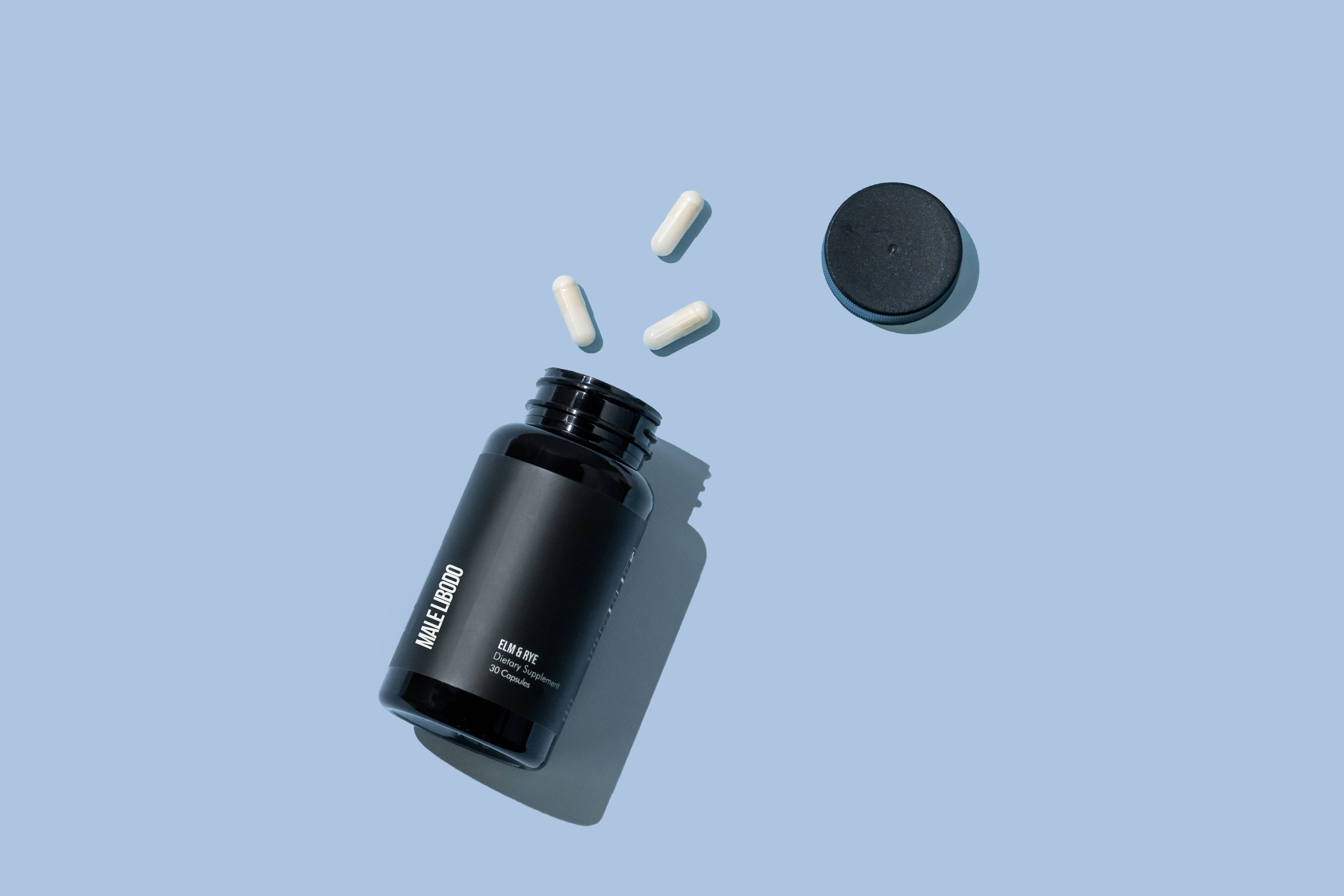
  1. Elm & Rye Libido Supplements

  2. Vital Herbal Horny Goat Weed Capsules

  3. BMVINVOL Horny Goat Weed Capsules

  4. Nature’s Bounty Horny Goat Weed

  5. Natgrown Organic Maca Root Capsules

  6. JNS Maximum Action Capsules

  7. Nature’s Craft Horny Goat Weed

  8. Horbaach Horny Goat Weed Gummies

  9. Dr Martin’s Nutrition Horny Goat Weed

  10. Double Wood Supplements Horny Goat Weed Capsules

  11. Nutricost Yohimbine HCl 5mg

  12. Purify Life Horny Goat Weed Gummies

  13. Havasu Nutrition Horny Goat Weed Capsules

  14. Herbtonics High Strength Ginseng Korean Red Panax Extract

  15. Carlyle Maca Root 4800mg

  16. Horny Goat Weed by Breakthru Labs 1000mg Max Strength 

  17. Wild & Organic Maca Root Organic Drops

Elm & Rye’s libido supplements have gained popularity in recent times, thanks to their effectiveness and natural ingredients. These supplements are designed to boost libido and enhance sexual performance in both men and women. Our proprietary blend of natural ingredients such as yohimbe bark, maca root, and Horny Goat Weed has been carefully curated for maximum effectiveness. Our supplements are often referred to as herbal Viagra due to their potent and natural properties that can help with erectile dysfunction and other sexual dysfunctions. With Elm & Rye’s libido supplements, you can improve your sex life without taking synthetic medication or exposing yourself to harsh chemicals.

For thousands of years, traditional medicine has utilized herbs to help improve sexual health and desire. One herb in particular, known as horny goat weed, has been shown to be especially effective in boosting libido and stamina. As a natural alternative to pharmaceutical options, Vital Herbal’s Horny Goat Weed Capsules contain a potent dose of this powerful herb, helping to increase blood flow and energy levels to enhance sexual performance. Often referred to as “herbal viagra,” horny goat weed has been recognized for its benefits in promoting overall sexual wellness, making it a popular choice for those looking for a natural way to support a healthy sex life.

If you’re looking for a natural alternative to Viagra, you may have heard of Horny Goat Weed capsules. This herbal supplement, also known as Epimedium, has been used for centuries in Chinese medicine for its purported aphrodisiac effects. Some people even refer to it as “herbal viagra.” These capsules are said to increase blood flow, enhance sexual desire and performance, and even improve mood and energy levels. However, it’s important to note that the research on horny goat weed is limited and mixed, with some studies suggesting it may not be effective for all individuals. As with any supplement, it’s always wise to consult with your healthcare provider before trying it.

Nature’s Bounty Horny Goat Weed is a well-known supplement that has been used for centuries in traditional Chinese medicine. Although commonly associated with a funny name, this supplement has gained popularity as a natural alternative for erectile dysfunction. Known as a “herbal viagra,” it contains an active ingredient called icariin which is thought to help increase blood flow to the genitals. But the benefits of horny goat weed don’t stop there. It is also believed to improve bone health, boost energy levels, and even lower stress and anxiety. However, it is important to note that like any supplement, side effects and interactions may occur, so it is recommended to consult with a healthcare professional before use.

If you’re in search of a natural way to improve your sexual health, you may have heard about herbal viagra. One of the most talked-about supplements in this category is maca root. Our Natgrown Organic Maca Root Capsules provide a convenient and efficient way to reap the potential benefits of this herbal remedy. Derived from a plant that grows in the Andes Mountains, maca root is widely believed to enhance sexual function by improving blood flow, reducing stress, and increasing energy levels. Additionally, it contains a range of essential nutrients that can support overall health and well-being. With our organic capsules, you can enjoy the benefits of maca root in a pure, potent form that’s free from harmful additives and toxins.

In today’s fast-paced world, it’s no surprise that individuals are constantly seeking ways to enhance their performance, particularly when it comes to their intimate relationships. JNS Maximum Action Capsules are one such product that has gained popularity in recent years. Labeled as the “herbal viagra,” these capsules are marketed as a natural alternative to traditional erectile dysfunction medication. Made from a blend of herbs such as Epimedium, Cordyceps militaris, and Lycium barbarum, the JNS Maximum Action Capsules are believed to boost energy levels, improve blood circulation, and promote sexual stamina. However, as with any supplement or medication, it’s crucial to consult with a healthcare professional before incorporating these capsules into your routine.

Nature’s Craft Horny Goat Weed has been gaining popularity in recent years as a natural alternative to the well-known erectile dysfunction drug, Viagra. Derived from a Chinese herb, this supplement boasts the ability to increase blood flow, stamina, and libido. While it may not provide the instant results that Viagra does, many users have reported positive effects after consistent use. It’s important to note that Horny Goat Weed should not be used as a replacement for medical treatment of erectile dysfunction, but rather as a supplement to enhance sexual performance and overall wellness. As with any herbal supplement, it’s crucial to consult with a healthcare professional before use.

Horbaach Horny Goat Weed Gummies is a natural dietary supplement that aids men’s sexual health. Derived from an ancient Chinese herb, this supplement contains a powerful blend of ingredients that work together to support increased endurance, sensation, and potency. Horny Goat Weed has been commonly referred to as the “herbal viagra” due to its vasodilatory properties, which promote blood flow to the genital region. The gummies are a convenient alternative to traditional capsules or tablets, making them easy to incorporate into your daily routine. If you’re looking for a natural and effective way to improve your sexual health, Horbaach Horny Goat Weed Gummies may be just the solution you need.

Are you looking for a natural alternative to Viagra? Look no further than Dr. Martin’s Nutrition Horny Goat Weed. This herbal supplement has been used for centuries in traditional Chinese medicine to improve libido and treat erectile dysfunction. It contains a compound called icariin, which works similarly to the active ingredient in Viagra by relaxing the blood vessels in the penis and increasing blood flow. Plus, its all-natural formula means no unwanted side effects. Give Dr. Martin’s Nutrition Horny Goat Weed a try and experience the benefits of a natural herbal viagra.

If you’re looking for a natural supplement to spice up your love life, Double Wood Supplements Horny Goat Weed Capsules might just be what you’re looking for. This herbal supplement has a long history of use in traditional Chinese medicine and has been touted as a natural alternative to Viagra. Horny Goat Weed is believed to work by increasing blood flow and boosting libido, making it a popular choice among those seeking more energy, vitality, and endurance. While the claims of Horny Goat Weed being a natural viagra are not substantiated, it is clear that it has many benefits that make it a popular supplement. Plus, with Double Wood Supplements’ high-quality formula, you can rest assured that you’re getting the best of the best.

Looking for a natural way to boost your vitality and energy levels? Look no further than Nutricost Yohimbine HCl 5mg. This powerful herbal supplement can help support your body’s natural processes, promoting greater blood flow and maximizing your stamina and endurance. Often referred to as the “herbal viagra,” Nutricost Yohimbine HCl 5mg is a popular choice among those looking for a safe and effective way to improve their sexual performance. Whether you’re hoping to enhance your workout routine or improve your intimate relationships, Nutricost Yohimbine HCl 5mg can help you reach your goals safely and effectively. So why wait? Start experiencing the benefits of this powerful herbal supplement today and take your vitality to the next level!

Horny Goat Weed has been used for centuries in traditional Chinese medicine as a natural aphrodisiac and a remedy for various ailments. The herb has gained popularity in recent years due to its potential as a natural alternative to Viagra. One of the easiest and most convenient ways of incorporating this wonder herb into your daily routine is through Purify Life’s Horny Goat Weed Gummies. These gummies are packed with the same active ingredient as herbal Viagra and are formulated to improve circulation, increase libido, and enhance sexual performance. With Purify Life Horny Goat Weed Gummies, you can experience the benefits of this herb in a delicious and easy-to-digest form.

Havasu Nutrition’s Horny Goat Weed capsules have been making headlines in the herbal supplement arena. This product contains the herb Epimedium, also known as Horny Goat Weed, which has been used for centuries in traditional Chinese medicine to support libido and sexual health. In recent years, it has gained popularity as a natural alternative to the famous erectile dysfunction drug, Viagra. While not a direct replacement, some users report noticeable improvements in sexual performance and overall well-being. It’s important to note that this supplement is not a cure or treatment for medical conditions, but rather a natural way to potentially enhance sexual drive and function. If you’re interested in trying this herbal Viagra alternative, consulting your healthcare professional is always recommended.

Herbtonics High Strength Ginseng Korean Red Panax Extract is a natural supplement designed to improve sexual performance and vitality. With its powerful blend of herbs and nutrients, this high-quality extract can help men and women overcome libido-related issues and enjoy better intimacy with their partners. Often referred to as “herbal viagra,” this potent supplement is made with top-notch ingredients that are clinically tested and proven to be effective in supporting erectile function and sexual health. Whether you are looking to regain your sexual confidence or simply want to spice up your love life, Herbtonics High Strength Ginseng Korean Red Panax Extract can help you achieve your goals and improve your overall wellness.

Carlyle Maca Root 4800mg is an all-natural supplement that has been gaining popularity in recent years, especially among men who are seeking a natural alternative to prescription medications for sexual health. This herbal supplement is particularly known for its reputation as a “herbal viagra,” as it has been found to potentially promote healthy libido and sexual function in both men and women. Derived from the root of the maca plant, which is native to Peru, this supplement is packed with essential vitamins and minerals that can support overall immune and endocrine health. Additionally, Carlyle Maca Root 4800mg is easy to incorporate into your daily routine, with capsules that can be taken with or without food.

Horny Goat Weed is the go-to herbal supplement for those looking to improve their sexual health. Breakthru Labs has introduced a potent 1000mg Max Strength version that is perfect for those looking for fast and effective results. Often touted as an herbal Viagra, Horny Goat Weed is an all-natural way to boost libido and increase sexual stamina. It has been used for centuries in traditional Chinese medicine and has recently gained popularity in the Western market. With its unique combination of various active compounds, this supplement works by improving blood flow to the reproductive organs, which helps to improve male sexual function and alleviate symptoms of female sexual dysfunction. If you’re looking for a natural way to improve your sexual health, give Breakthru Labs’ Horny Goat Weed a try!

Maca root has been gaining popularity over the years for its potential health benefits. Often touted as a natural Viagra, maca root may help boost libido and sexual function in both men and women. And now, Wild & Organic Maca Root Organic Drops offer a convenient and easy way to incorporate maca root into your daily routine. These drops are made with organic maca root, known for its adaptogenic properties and high nutrient content. Whether you’re looking to improve your energy levels, support your reproductive health, or simply add a nutritious supplement to your diet, Wild & Organic Maca Root Organic Drops are a great option.

Our Criteria For Ranking the Best Herbal Viagra

When ranking the best herbal Viagra alternatives, we apply a comprehensive set of criteria to ensure that our recommendations are well-informed and evidence-based. Our criteria encompass the following aspects:

  1. Efficacy: We evaluate the product’s ability to enhance sexual desire, arousal, and overall sexual performance. This assessment is based on scientific studies, clinical trials, and user experiences.

  2. Safety: Safety is paramount. We examine potential side effects, ingredient profiles, and interactions with other medications or underlying health conditions to ensure that the products are safe for use.

  3. Ingredients: We assess the quality and source of ingredients, emphasizing natural and clinically-proven components known for their effectiveness in addressing sexual health issues.

  4. Customer Feedback: Real-world user experiences are invaluable. We analyze customer reviews, testimonials, and ratings to gauge the product’s effectiveness, ease of use, and any potential issues.

  5. Price and Value: We consider the product’s cost in relation to its effectiveness, ensuring that it provides value for money. Accessibility and affordability are crucial factors in our evaluation.

  6. Manufacturer Reputation: The credibility and history of the company producing the product are vital. We assess the manufacturer’s commitment to quality, transparency, and customer support.

  7. Clinical Evidence: The presence of scientific studies and clinical trials that support the product’s claims is a strong indicator of its efficacy. We prioritize products with documented evidence of their benefits.

  8. Customer Support: We evaluate the level of customer support provided by the manufacturer, including return policies, guarantees, and responsive customer service.

  9. Accessibility: We consider the product’s availability in the market, both online and offline, ensuring that it is easily accessible to individuals seeking herbal Viagra alternatives.

  10. Regulatory Compliance: We verify that the product complies with relevant regulations and standards, including those related to herbal supplements and sexual health.

  11. Expert Recommendations: Input from herbalists, naturopathic doctors, and sexual health experts is taken into account to provide additional insights into the product’s suitability and safety.

By adhering to these comprehensive criteria, we aim to provide well-rounded and objective assessments of the best herbal Viagra alternatives, empowering individuals to make informed choices that enhance their sexual health and overall well-being through natural means.

Conclusion

As we conclude our exploration into the world of the “best herbal Viagra,” we find a diverse array of natural alternatives that offer hope and empowerment for those seeking to enhance their intimate experiences and sexual well-being. From centuries-old aphrodisiacs to innovative herbal blends, these remedies present a compelling avenue for reigniting desire, boosting sexual performance, and nurturing overall sexual health. While the efficacy of these herbal options can vary, and individual results may differ, the overarching message is clear: nature offers a bounty of solutions for those who seek a more holistic and rejuvenating approach to their intimate lives. As we continue to navigate the ever-evolving landscape of sexual health, the exploration of herbal alternatives stands as a testament to the enduring human quest for passion and connection.

FAQ For Herbal Viagra

1. What is Herbal Viagra? Herbal Viagra refers to natural or herbal alternatives to pharmaceutical medications like Viagra, designed to address issues related to sexual health and enhance sexual performance. These products often contain herbal ingredients and claim to have similar effects.

2. How does Herbal Viagra work? The mechanisms of action can vary among different herbal Viagra products. Some work by increasing blood flow to the genital area, while others aim to enhance sexual desire and arousal. It’s essential to consult the specific product’s information or a healthcare provider for details.

3. Is Herbal Viagra safe to use? Safety can vary depending on the specific product and its ingredients. It’s important to research and choose products carefully, as some may contain unregulated or potentially harmful substances. Consult with a healthcare provider before trying any herbal Viagra to ensure safety and effectiveness.

4. Is Herbal Viagra available over the counter? Many herbal Viagra products are available over the counter as dietary supplements. However, the availability may vary by location and the specific product. Some may also require a prescription.

5. Are there any side effects associated with Herbal Viagra? Side effects can vary, and they depend on the product and the individual’s reactions. Common side effects may include digestive issues, headaches, or allergic reactions. It’s important to read product labels and consult with a healthcare provider for information about potential side effects.

6. Can I use Herbal Viagra with other medications? Combining Herbal Viagra with other medications can be risky due to potential interactions. Consult your healthcare provider to ensure that there are no adverse effects when using both simultaneously.

7. Who can use Herbal Viagra? Herbal Viagra is designed for individuals who want to address sexual health concerns or enhance their sexual performance using natural remedies. Its use should be determined on a case-by-case basis, ideally with the guidance of a healthcare provider.

8. How long does it take for Herbal Viagra to work? The onset of action can differ from product to product. Some may work within hours, while others may require consistent use over an extended period before notable results are observed.

9. Is Herbal Viagra safe to use during pregnancy or while breastfeeding? It’s typically not recommended to use Herbal Viagra during pregnancy or while breastfeeding due to potential risks. Consult with a healthcare provider for guidance if you are in these circumstances.

10. How can I choose the right Herbal Viagra product for me? To choose the right Herbal Viagra product, research the ingredients, read product reviews, and consult with a healthcare provider. They can help you determine which product, if any, is suitable for your specific needs and health status.

11. What are the recommended herbs as an alternative for Viagra? Ginseng has been shown to improve erectile function in men with ED. Tribulus terrestris may enhance sexual performance and increase testosterone levels. Maca root has been traditionally used to boost libido and improve sexual function. Yohimbe bark extract has been used for centuries as an aphrodisiac and erectile aid. Horny goat weed contains icariin, a compound that may help treat ED. Tongkat ali has been shown to improve sexual performance and increase testosterone levels. Ashwagandha may improve sexual function and reduce stress-related sexual problems. Ginkgo biloba may improve blood flow and sexual function in men with ED. Muira puama has been used as a natural remedy for sexual dysfunction.

Remember that the use of Herbal Viagra should not replace professional medical advice or the use of prescription medications when necessary. Always prioritize your safety and consult with a healthcare provider for personalized recommendations.

Mediterranean Diet Plus Exercise Burns Fat, Adds Muscle

0
Mediterranean Diet Plus Exercise Burns Fat, Adds Muscle

TUESDAY, Oct. 24, 2023 (HealthDay News) — Rich in colorful fruits and vegetables, healthy fats and lean proteins, a Mediterranean style of eating consistently earns accolades for its long list of health benefits, including the prevention of heart disease and diabetes.

Now, new research from Spain shows this way of eating, when combined with regular exercise and fewer calories, can slash dangerous belly fat in older folks while helping to preserve their muscle mass. 

Fat that accumulates around the midsection is known to cause inflammation and has been linked to heart disease, stroke, diabetes and some forms of cancer. Muscle mass is known to decline with advancing age, and this can lead to weakness, less mobility and a greater chance of falls.

The study, led by researcher Dora Romaguera, from the Health Research Institute of the Balearic Islands, included just over 1,500 middle-aged and older people who were overweight or obese and had metabolic syndrome, a cluster of disorders that signal a person’s increased risk of diabetes, heart disease and stroke.

One group of people followed a Mediterranean diet while cutting their calories by 30% and increasing their physical activity. They were also told to limit their consumption of processed foods, meats, butter, added sugar and to eat more whole grains. But the advice did not stop with food: They were also encouraged to increase their physical activity progressively, with a goal of walking 45 minutes per day or more on six days per week, along with exercises to improve strength.

A second group of people followed a Mediterranean diet without calorie restrictions or changes in physical activity.

Folks who reduced their calories and got regular exercise while adhering to a Mediterranean diet showed decreases in the belly and total fat, and they kept much of it off for three years. 

In contrast, people in the other group did not see any changes in belly fat. 

Both groups did gain some lean muscle mass, but the folks in the exercise plus calorie restriction arm lost more fat than muscle. 

The study, published Oct. 23 in the journal JAMA Network Open, presents the three-year results of an ongoing eight-year study designed to see if this style of eating can slash the risk for heart attack and stroke. 

Two experts were not surprised the combination did the trick.

“This is an ambitious and elegant study,” said Cewin Chao, director of clinical nutrition services at Montefiore Health System in New York City.  “If you eat a high-quality diet, exercise and reduce calories, you will lose more body fat, especially the more dangerous deeper fat around the belly area surrounding your organs, and preserve more muscle. These investments do look like they will pay off at the three-year mark.”

 “If you reduce your calorie intake and increase your physical activity, you will lose weight. This works every time,” said Marion Nestle, a retired professor of nutrition, food studies and public health at New York University in New York City.

 “People following a Mediterranean diet… are able to maintain a reduced calorie intake and better calorie balance for the three years of the study,” said Nestle. “This kind of diet is associated with all kinds of good health and is highly recommended.”

More information

 HealthDay has more on the .

SOURCES: Cewin Chao, MS, RD, CDN, MBA, director, Clinical Nutrition Services, Montefiore Health System, New York City; Marion Nestle, PhD, MPH, professor emerita, nutrition, food studies, public health, New York University, New York City; JAMA Network Open, Oct. 18, 2023

HIV-positive parents in Zimbabwe struggle to manage their children’s education, study finds

0
HIV-positive parents in Zimbabwe struggle to manage their children’s education, study finds
Credit: CC0 Public Domain

Over the past three decades researchers have explored various aspects of the impact of the HIV pandemic. One focus area has been children who have lost their parents to AIDS. Less attention has been given to children who are raised by parents living with HIV. This group has become much bigger as more people have access to antiretroviral therapy and are therefore expected to raise their children.

Our research in Zimbabwe looked at the effects the HIV status of parents had on their children’s education.

In Zimbabwe, the current HIV prevalence rate among adults is about 13%. In 1997 it was at its peak at 29.3%. Nevertheless, Zimbabwe still has the sixth highest HIV rate in the world. Eswatini has the highest rate (19.58%) and South Africa ranks fourth (14.75%).

Our research focused on mothers in Harare, Zimbabwe’s capital city, who had access to treatment. We were interested in the impact of HIV on their investment in their children’s education. We conducted interviews at Mashambanzou Care Trust, a local non-profit organization that provides care to about 5,000 HIV-positive low-income individuals in Harare. Thirteen HIV-positive mothers were interviewed to discuss the key reasons behind the disruption of their children’s schooling .

We found that the HIV status of low-income parents in Zimbabwe severely affected their children’s education, in four ways.

Firstly, HIV worsened the financial barriers parents faced when trying to get their children educated. Secondly, children missed school because they needed to take care of sick parents or siblings. Thirdly, sick parents were not involved with their children’s academic achievement because they were physically, mentally and emotionally incapable of helping. Lastly, children of HIV-positive mothers did not always have birth certificates, a major barrier to school and exam registration in Zimbabwe.

Financial barriers

The research showed that HIV in Zimbabwe is not only a health issue but also a socioeconomic problem that can force people into poverty traps.

HIV-positive women expressed the view that the Zimbabwean economy, their partner’s health and their own health affected how they supported their children’s educational needs.

We found children with parents who could not afford to pay school fees or buy school uniforms could be sent home until the payments were made. Other low income families experienced this too but parents with HIV could not work and so had more difficulty paying school fees.

HIV-affected families could also face the burden of raising other children from deceased or ill family members. Some of the mothers had siblings and close family members who had died of AIDS. In one case, a single HIV-positive mother had three biological children and three orphans from relatives.

Girls were particularly affected because they were expected to care for siblings, help sick parents with daily activities such as eating and toileting, and make sure they had a place to live and food to eat.

Mothers spoke about the heavy burden their daughters had to carry.

“My eldest child was the one who took care of me and cooked for me. When I got sick, my daughter stopped going to school. She is the one who took the responsibility of taking care of me.”

Some children were forced to drop out of school to earn an income.

“He dropped out of school after finishing his Form 3. He is currently selling bananas at Mbare and the money he is getting is not enough. Most of the time he brings home some food after selling bananas.”

No time to help

Most HIV-positive mothers told us that they did not spend time with their children because they spent a lot of time on income-generating activities, attending to their own health, or their husband’s health. These tough conditions led to even more illness and stress.

“All my seven children stay at home as none of them is in school right now. Each day of their lives is difficult as in some cases we fail to get some food to eat. After having failed to get food for the family, it then stresses me more as the mother. Given my condition that I am HIV-positive I end up getting continuous headaches and sometimes I get sick as a result of the stress.”

Birth certificates

Some HIV-positive parents were too sick to obtain birth certificates for their children. Without birth certificates, children risk being sent home and cannot benefit from programs that target poor children. One mother told of trying to get birth certificates for her children in Mutare, almost 300 kilometers away from Harare.

“I once went to Mutare to secure birth certificates for my children. I was told to bring my national identification card which was in Harare during that time. I am yet to go back to Mutare and collect birth certificates for my children. I am only being stopped from traveling because I am currently sick and receiving treatment.”|

Looking to the future

Our research highlights a vulnerable group of children who should also benefit from social assistance programs that target HIV-affected orphans, given that their parents are too sick to care for them.

They should be included in the National Orphan Care Policy, which seeks to provide basic care and protection to orphans and vulnerable children, and the Basic Education Assistance Module, which pays school fees for this group of children.

Provided by
The Conversation


This article is republished from The Conversation under a Creative Commons license. Read the original article.The Conversation

Citation:
HIV-positive parents in Zimbabwe struggle to manage their children’s education, study finds (2023, October 25)
retrieved 26 October 2023
from https://medicalxpress.com/news/2023-10-hiv-positive-parents-zimbabwe-struggle-children.html

This document is subject to copyright. Apart from any fair dealing for the purpose of private study or research, no
part may be reproduced without the written permission. The content is provided for information purposes only.

When 70% of mothers report feeling ‘invisible’, it’s clear something needs to change

0
When 70% of mothers report feeling ‘invisible’, it’s clear something needs to change

When it comes to motherhood, our culture is in the grip of a strange paradox. Women are, broadly, expected to try and have babies, with the idea of becoming a mum celebrated. When they do, though, cracks in the system and a lack of appropriate infrastructure mean that many find those early days really, really hard – something underscored by a lack of the sort of support needed to move through such a seismic transition.

Such a reality is borne out by new data. According to a survey of 3,600 women from motherhood community app Peanut, 72% of women feel invisible in the mothering role; 93% feel unappreciated, unacknowledged or unseen and 93% say that, since having a child, they feel that their identity is now limited to ‘mother,’ as opposed to the multifaceted reality. The results come from a research paper the app has presented as part of its new ‘Invisible Mothers’ campaign.

The roots of these feelings of invisibility included a lack of empathy from family, friends and strangers; an unfair division of household chores; trying to manage both work and kids; having to hide the pain of pregnancy loss and struggles to assert their identity and independence.

What else did the data show?

Reflecting broader issues with the state of healthcare, 46% did not feel supported by the health system when they were post-partum. When it comes to state assistance more broadly, 70% expected to have more support from societal infrastructure than they did.

That women can ‘have it all’ is a promise we’ve all heard. But many report that this phrase simply layers on pressure, rather than making them feel liberated. Ninety-seven per cent of women surveyed noted that society puts pressure on women to ‘do it all and be it all.’ On top of this, 94% feel that they are expected to put themselves, after their families, partners, jobs, and other responsibilities, in order to achieve everything that is expected of them.

So, how is this impacting new mums?

The ramifications are worrying. Of those surveyed, 95% agreed that the invisibility of the maternal experience is impacting women’s mental health. It means that:

  • 86% say they have been through feelings of anxiety
  • 82% report stress
  • 80% have experienced loneliness
  • 65% have been through loss of identity
  • 55% have felt depressed

What did the women surveyed have to say?

When asked for their thoughts, those who participated in the survey shared some concerning sentiments.

  • ‘My entire ‘fourth trimester’ I felt invisible. It’s such an insane change to go from caring for yourself to caring for a baby. I was struggling with anxiety and it was hell.’
  • ‘I have to mother like I don’t have a job and work like I don’t have children. I’m constantly dealing with the feeling of “I’m not doing enough.”’
  • ‘While holding my three-month-old, I was asked: when’s the next one coming? It’s like… you do realise I am a person and not just a baby birthing machine, right?’
  • ‘I’m never invited to social events because it’s assumed I’d have to bring the baby. Or my husband gets [invited] but people tell him I don’t have to go because I’ll be taking care of the baby.’

The expert view

Of the data, psychologist Rachel Goldman, PhD, who works with the app, said: ‘The invisibility of motherhood is a stark reality many face. The journey begins with frequent visits to healthcare providers, but once the child arrives, there’s a sudden gap, creating a sense of abandonment at a pivotal time.’

‘Women grapple with overwhelming feelings of exhaustion and stress, only to confront rushed appointments where healthcare professionals don’t have time to adequately dive into concerns. But, the problem is larger than healthcare alone; society needs to change. Women feel hesitant addressing their challenges with those in positions of power, meaning we must foster an environment where women feel valued, supported, and willing to voice their needs.’

‘It’s imperative to break stigmas—normalising both parents’ active roles, mental health support, and nurturing communication. The words we hear and use greatly affect us individually and as a society—we internalise things that we see and hear. But it doesn’t take grand gestures to offer support. A genuine ‘how are you’ or ‘thinking of you’ can significantly shift perceptions, signalling to someone that they matter.’

‘Fundamentally, it’s the butterfly effect in practice—small changes or actions, like compassionate conversations, can have profound impacts. By acknowledging and addressing these issues, we can begin to reconstruct the societal infrastructure to truly support motherhood.’

Peanut has launched its ‘Invisible Mothers’ campaign, which includes a research paper titled ‘TheState of Invisibility’. Find out more at invisible-mothers.peanut-app.

    Dear Patient: Do you really know your dental hygienist?

    0
    Dear Patient: Do you really know your dental hygienist?

    Your dental hygienist is more than just “the girl who cleans your teeth.” In fact, while 93% of hygienists are female, more men are entering this growing health-care field.

    Wait, did you just say health care? Yes, I said health care. Caring for your mouth is part of your overall health. Dental care is indeed health care despite how our medical system functions.

    I’ve been called many names as a dental hygienist: tooth scraper, gum gardener, and cleaning lady. These names do not remotely describe what I do. Truly, we should change our job title to oral health prevention specialist; perhaps then that “cleaning” appointment might feel a little more like a physical and less like just a tooth scraping.

    Educational requirements

    Your dental hygienist has had a great deal of formal education. All registered dental hygienists have taken chemistry, anatomy, microbiology (oh, that one was hard!), statistics, nutrition, psychology, and more. And those are just the prerequisites to get into a hygiene school!

    You might also want to read: Dear Patient: Keep these 6 things out of your mouth

    Once we enter hygiene school, we take more courses on anatomy, oral pathology, pharmacology, research methods, and more, in addition to hands-on clinical courses. Upon graduation, we must pass written and clinical boards (again, really hard). Some clinicians have an associate’s degree with just a few classes shy of a bachelor’s due to all those prerequisites. Others have degrees ranging from a bachelor’s to a PhD.

    And we don’t stop learning when we graduate. Continuing education is required to stay on top of all the new science and innovation in oral health to renew our license.

    Short story: we are really smart!

    Oral-systemic connection specialists

    When you come in for your hygiene appointment, we aren’t just looking at your teeth. Hygienists understand how conditions in your mouth can point to issues in the rest of your body long before you feel a thing. We are disease detectives. While we’re screening you for cavities and gum disease, we are also looking for signs of cancer, diabetes, airway obstruction, nutritional deficiencies, and more.

    Inflammation in your mouth can be a pathway for pathogenic oral bacteria (the bad guys) to be introduced to other parts of your body and cause disease and destruction. Chronic inflammation puts a strain on your immune system. So when you encounter that flu virus, your body might not have what it takes to fight it off because it’s too busy trying to battle untreated cavities or bleeding gums.

    Prevention specialists

    Speaking of bleeding gums, one of the remarkable things about being a dental hygienist is that we can prevent some diseases. We don’t have to be the bad guy slinging a drill. When you’re in for your appointment, sure, we poke around looking for signs of active disease. But the whole time, we’re thinking about ways to set you up for success and prevent you from needing anything more than an easy checkup.

    It starts with reviewing your medical history and looking for red flags that can impact your oral and overall health. The questions we ask you about your home care and changes in your medical history aren’t to scold or be nosy—we’re looking for ways to identify early signs of an issue and prevent you from needing further treatment. We have a lot of tricks up our sleeve beyond brushing and flossing.

    That “cleaning” you came in for is much more of a whole-body assessment to discover ways to keep or get you healthy. So give your oral health prevention specialist a high-five when you see them next, and let them know that you know they are more than just a tooth cleaner!