Home Blog Page 35

The Best Time To Take Lexapro For Anxiety, According To Doctors

0
The Best Time To Take Lexapro For Anxiety, According To Doctors

Nearly 30 percent of adults will deal with an anxiety disorder at some point in their lives, according to the American Psychiatric Association. If that’s you, the medication Lexapro may come up if you discuss treatment interventions with your doctor—along with a slew of questions like how much it will help and the best time to take Lexapro for anxiety.

Because, after all, you don’t just want to treat your anxiety—you want to throw everything you’ve got at it so you can feel more like yourself again.

Meet the experts: Yvette I. Sheline, MD, is a professor of psychiatry, radiology, and neurology at the University of Pennsylvania Perelman School of Medicine in Philadelphia. Douglas Misquitta, MD, is a psychiatrist in the Department of Psychiatry and Behavioral Health at The Ohio State University Wexner Medical Center and College of Medicine in Columbus, Ohio. Peter Martin, MD, is a professor of Psychiatry and Behavioral Sciences at Vanderbilt University Medical Center in Nashville Tennessee.

Timing matters with some medications, and certain drugs are designed to be taken with or without food. Of course it’s important to talk to your doctor about all of this before taking any medication, including Lexapro. But if you’re waiting for your next appointment to ask all your pressing questions, here’s some information courtesy of doctors who prescribe the medication.

What is Lexapro?

Lexapro is the brand name for escitalopram, and it’s in a class of antidepressants known as selective serotonin reuptake inhibitors (SSRIs), according to Medline Plus.

It works by increasing your body’s amount of serotonin, a natural substance in the brain that helps maintain mental balance, and it’s a common treatment for generalized anxiety disorder, along with depression, says Yvette I. Sheline, MD, a professor of psychiatry, radiology, and neurology at the University of Pennsylvania Perelman School of Medicine. Lexapro works over time versus being something that impacts you immediately after you take it, Dr. Sheline adds.

The overall goal of taking Lexapro is to be less anxious, and the medication generally works well for people. SSRIs like escitalopram keep the feel-good hormone serotonin circulating longer in the body in order to improve mood, says Douglas Misquitta, MD, a psychiatrist in the Department of Psychiatry and Behavioral Health at The Ohio State University Wexner Medical Center and College of Medicine.

This content is imported from poll. You may be able to find the same content in another format, or you may be able to find more information, at their web site.

Lexapro Side Effects

As with every medication, you can have potential side effects with Lexapro. The Food and Drug Administration (FDA) has a laundry list of those if you have some time to kill. But here are some to consider, per Medline Plus:

  • Nausea
  • Diarrhea
  • Constipation
  • Sexual problems in males; decreased sex drive, inability to get or keep an erection, or delayed or absent ejaculation
  • sexual problems in females; decreased sex drive, or delayed orgasm or unable to have an orgasm
  • Drowsiness
  • Yawning
  • Shaking
  • Difficulty falling asleep or staying asleep
  • Increased sweating
  • Dizziness
  • Heartburn
  • Stomach pain
  • Excessive tiredness
  • Dry mouth
  • Decreased appetite
  • Weight loss
  • Flu-like symptoms
  • Runny nose
  • Sneezing

When is the best time to take Lexapro?

Lexapro is designed to be taken once a day, and it’s up to you when you take it, says Peter Martin, MD, a professor of psychiatry and behavioral sciences at Vanderbilt University Medical Center. “It can be taken in the a.m. or p.m.,” he says.

Consider your lifestyle when deciding when to take your Lexapro, as well as what you’ll actually stick with, Dr. Sheline says. “The important thing is to have a regular time of day to take it,” she adds.

Keep this in mind, though, per Dr. Misquitta: You’ll want to keep tabs on how Lexapro impacts your sleep, if it all. “It is usually suggested to be taken in the morning so as to not negatively impact sleep,” he says. [But] some patients might find the medication makes them sleepy—in that case, it can be taken at night before bed.” (The reason why is just down to your own biology and how you’re personally impacted by serotonin.)

Whatever you decide on, it’s best to take your medication at that time every day so the amount of time between doses is consistent, Dr. Misquitta says.

Do you take Lexapro with food?

You can take Lexapro with a meal or snack, but you don’t have to take it with food. That said, Dr. Misquitta recommends listening to your body and paying attention to how you feel after you take Lexapro.

If you find it makes you a little queasy afterward, “taking it with food may lessen the nausea,” he says.

Can you take Lexapro with other medications?

Lexapro is designed to be a daily use medication and at some point, you may get sick with something that might require another drug, like antibiotics. If your doctor is giving you a prescription, just make sure they’re aware you’re on Lexapro (it should be in your chart, but…).

In general, it’s no biggie to take Lexapro with other medications, Dr. Misquitta says. But some, like ones that impact your heart rhythm or those that can make you feel drowsy could cause you to have a higher risk of side effects, he says, so it’s important to flag it with your doc.

Again, if you’re on Lexapro and you have questions, talk to your doctor. They should be able to answer any concerns you have and provide personalized guidance from there.

What happens if you miss a dose of Lexapro?

If you miss a dose of Lexapro, don’t panic—it happens. “Missing one dose on occasion is no big deal,” Dr. Martin says.

Dr. Sheline recommends taking it as soon as you remember. “If a dose is forgotten for an entire day, the dose should not be doubled up on the next day,” she says. “Simply take the usual dose.”

Korin Miller is a freelance writer specializing in general wellness, sexual health and relationships, and lifestyle trends, with work appearing in Men’s Health, Women’s Health, Self, Glamour, and more. She has a master’s degree from American University, lives by the beach, and hopes to own a teacup pig and taco truck one day.

Headshot of Douglas Misquitta, MD

Psychiatrist

Douglas Misquitta, MD, is a board-certified general and forensic psychiatrist at The Ohio State University (OSU) Wexner Medical Center. He treats patients with disorders that include major depression, generalized anxiety, post-traumatic stress disorder, and personality disorders. Dr. Misquitta is medical director of OSU Harding’s ambulatory services and director of OSU’s Forensic Psychiatry fellowship training program.

Holistic dentistry: What to know about natural dental home-care products

0
Holistic dentistry: What to know about natural dental home-care products

Oral health professionals (OHPs) are well-versed in educating patients about how to care for their dentition at home. With education and experience, OHPs can choose their favorite product to recommend, often recognizing a toothbrush, dentifrice, and floss are only the bare minimum when it comes to the oral hygiene aids patients may need to keep their oral cavity pristine. It may be prudent to spend several minutes throughout the dental appointment discussing what the patient currently uses to clean their mouth at home, and then make recommendations on where improvement is needed.

Certain oral hygiene aids are scientifically proven to be more effective than others.1 As dedicated health-care providers, it is the duty of OHPs to help make evidence-based recommendations to patients. Yet, despite years of science dictating recommendations of evidenced-based oral hygiene products, the decision ultimately lies with the consumer.1

What is natural dentistry?

Natural dentistry is defined as dentistry that treats both the teeth and the entire body, using only ingredients and materials found in nature or as close to their natural state as possible.2,3 Natural dentistry is also known by other names, including holistic, alternative, unconventional, biocompatible, clean, progressive, and integrative dentistry.3,4 Natural dentistry, while popular to some, is not currently a recognized specialty in the American Academy of Dentistry.3

You may also be interested in … Ancient remedies: Some healing secrets for dental pain have withstood the test of time

While there is debate about the benefits of natural dentistry, there is more research showing that natural dental products are becoming increasingly popular, especially at home. A 2018 study showed that 64% of consumers would choose a natural or clean personal home-care product.5 Because of this trend, it is estimated that the global market for natural home-care products will be $50.46 billion by 2027.6 OHPs should recognize that despite varying opinions on the efficacy of natural dental products, patients may be choosing to live a more natural lifestyle, and thus could benefit from their guidance on which products to purchase.

Why are patients looking for in natural dental products?

Natural dental at-home products are products that have natural ingredients and/or eco-friendly packaging.2 Some patients may choose a product with more natural ingredients for health and wellness preferences. Others may be hoping for eco-friendly products to help reduce waste and be kinder to the planet. Whatever the reason, patients have the right to use the oral hygiene aids they feel are appropriate. We should always be respectful of our patients’ decisions.

What are natural dental products made of?

Science has shown that natural dental products can be effective at disrupting dental biofilm and promoting oral health. Several studies have investigated whether specific naturally occurring ingredients benefit the oral cavity. Tea tree oil, coconut, xylitol, aloe vera, baking soda, oil of clove, chewing sticks, and hydroxyapatite have all been shown to disrupt bacteria or promote remineralization.2,7-16 More specifically, some of the naturally occurring ingredients attack cariogenic bacteria while others disrupt the plaque biofilm to increase saliva production and thus reduce halitosis.

You may also be interested in … Aromatherapy: An option for dental fear and anxiety

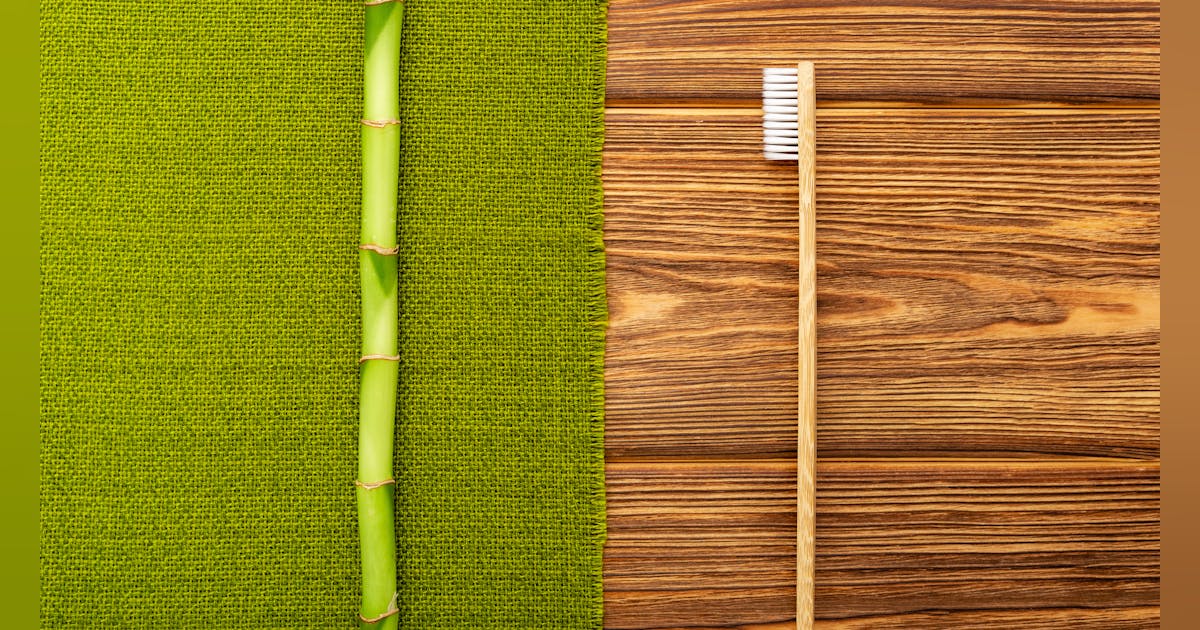
Eco-friendly dental home-care products include wooden, bamboo, or recycled plastic toothbrushes.2 Packaging with recycled materials and even disposable lozenges for mouthwash to reduce the amount of plastic needed for packaging are also considered eco-friendly dental home-care products.2 Based on an oral health assessment, OHPs can make individual recommendations to patients who want to use only natural dental products. Table 1 lists commonly found natural ingredients in dental care products and their benefits.

Responsibilities of oral care providers

OHPs and patients should comanage the oral home-care regimen. By having open discussions about patients’ desires for a more natural lifestyle and recognizing how natural products can benefit oral hygiene care, both parties can achieve their goal of a healthy mouth. OHPs can remind patients that science has shown both natural and man-made oral home-care products have oral health benefits.

OHPs have a duty to let patients know if a certain natural product has little research to back it up, as well as discuss a product’s potential advantages or disadvantages for oral health. Since research is showing that naturally occurring ingredients are effective in controlling biofilm and promoting overall oral health, we may see an increase in the use of natural dental products in the future.

Editor’s note: This article first appeared in Through the Loupes newsletter, a publication of the Endeavor Business Media Dental Group. Read more articles and subscribe to Through the Loupes.

References

  1. Department of Scientific Information, Evidence Synthesis & Translation Research, ADA Science & Research Institute, LLC. Home Oral Care. American Dental Association. Updated December 30, 2022. Accessed September 3, 2023. https://www.ada.org/resources/research/science-and-research-institute/oral-health-topics/home-care
  2. Sinclair L. Consumers demand natural dental hygiene products. Colgate-Palmolive Company. June 2022. Accessed September 13, 2023. https://www.colgateprofessional.com/students-faculty/practice-management/consumers-demand-natural-oral-hygiene-products
  3. Pallardy C. Holistic dentistry: Finding a balance. Ontario Academy of General Dentistry. February 14, 2022. Accessed September 12, 2023. https://www.agd.org/constituent/news/2022/02/14/holistic-dentistry-finding-a-balance
  4. Nunez K, Archibald J. What to know about holistic dentistry. Healthline. Reviewed February 25, 2020. Accessed September 9, 2023. https://www.healthline.com/health/holistic-dentistry
  5. Masory A. Naturally beautiful: millennials and preferences in beauty and personal care products. AlixPartners. May 30, 2019. Accessed September 13, 2023. https://www.alixpartners.com/insights-impact/insights/millennials-preferences-beauty-personal-care-products/
  6. Howarth J. Top 9 dental industry trends (2023–2205). Exploding Topics. January 17, 2023. Accessed September 13, 2023. https://explodingtopics.com/blog/dental-industry-trends
  7. Chen L, Al-Bayatee S, Khurshid Z, Shavandi A, Brunton P, Ratnayake J. Hydroxyapatite in oral care products–a review. Materials (Basel). 2021;14(17):4865. doi:10.3390/ma14174865
  8. McDonnell K, Kubala J. Why is coconut oil good for your teeth? Healthline. Updated May 24, 2021. Accessed September 8, 2023. Available at https://www.healthline.com/nutrition/coconut-oil-and-teeth
  9. Odeleye F, Okunye L, Kesi C, Olubunmi A. A study of the anticaries activity of three common chewing sticks and two brands of toothpaste in South West Nigeria. Br J Pharm Res. 2016;11(5):1-7. doi:9734/BJPR/2016/26004
  10. Barrell A, Cross K. Is clove oil effective for toothache? MedicalNewsToday. Updated July 25, 2023. Accessed September 7, 2013. https://www.medicalnewstoday.com/articles/321256
  11. Frothingham S, Westphalen D. Should I switch to xylitol toothpaste? Healthline. Updated August 8, 2019. Accessed September 12, 2013. https://www.healthline.com/health/xylitol-toothpaste
  12. Tea tree oil & your teeth. Colgate-Palmolive Company. Updated January 9, 2023. Accessed September 10, 2023. colgate.com/en-us/oral-health/nutrition-and-oral-health/tea-tree-oil-is-good-for-teeth
  13. Blackburn L, Jimenez L, Tran M, Pellegrini J. Role of aloe vera in oral health management. Decisions in Dentistry. November 6, 2018. Accessed September 13, 2023. https://decisionsindentistry.com/article/role-of-aloe-vera-in-oral-health-management/
  14. Ghassemi A, Hooper WJ, Vorwerk LM, et al. The effects of two baking-soda toothpastes in enhancing mechanical plaque removal and improving gingival health: a 6-month randomized clinical study. Am J Dent. 2020;33(5):265-272.
  15. Chi Y, Wang Y, Ji M, et al. Natural products from traditional medicine as promising agents targeting at different stages of oral biofilm development. Front Microbiol. 2022;13:955459. doi:10.3389/fmicb.2022.955459
  16. Philip N, Leishman S, Walsh L. Potential role for natural products in dental caries control. Oral Health Prev Dent. 2019;17(5):479-485. doi:10.3290/j.ohpd.a42741

Healthier diet may help you head off dementia, other diseases of aging

0
Healthier diet may help you head off dementia, other diseases of aging

Growing up in the 1950s and 1960s, I ate what a lot of other kids ate — ravioli from a can, frozen dinners, stuff we’d rightly call junk today. My strict diet meant eating whatever I wanted.

Young adulthood was little better, but in the 1980s I became a father twice over, and it dawned on me that I should try to eat better. I wasn’t perfect, though. I still routinely feasted until my stomach ballooned taut enough to pop.

As I approached 50, my body started whispering warnings to me: I suffered backaches and a hernia, and I grew a paunch that deeply offended my vanity. Thanks to such insults to the system, I took the hint and changed my diet. Today, at 71, I’m glad I made the shift.

“The elephant in the room is that older people require much fewer calories,” says Susan B. Roberts, senior associate dean of foundational research at the Geisel School of Medicine at Dartmouth College. “We exercise less, our metabolism slows, and taste acuity declines. Every five or 10 years, we should ask ourselves, ‘How can I keep enjoying healthy food even when I’m eating smaller amounts?’”

“As you get older, something has to give,” she adds. “Now is the time to change your habits and lower your risks of chronic disease.”

A ‘nutrition prescription’

A 2021 meta-analysis titled “Healthy Aging — Nutrition Matters: Start Early and Screen Often,” of which Roberts was lead author, concluded, “A cohesive body of research finds that a healthy diet and weight management are able to not only reliably delay the onset of most typical diseases and functional losses in aging, but also arrest progression and severity, and even support remission for some conditions.”

The study recommended routine screenings for “age-related conditions” that can be treated with “a nutrition prescription.” Healthy diets and weight, it noted, are associated with prevention of such diseases of aging as dementia, osteoporosis, urinary incontinence, sleep apnea and constipation.

“During the aging process, diet can play a surprisingly major role in one’s vitality and longevity — perhaps even more so than genetics,” Harvard Pilgrim Health Care reported after exploring the eating habits in communities where people live the longest. “Common denominators between food philosophy and consumption point to the intriguing idea that food and diet could be the prescription for a longer life.”

Those common denominators include eating plant-based meals, nuts, and whole, unprocessed foods. In general, researchers recommend eating more fruits, vegetables and whole grains, plus lean sources of protein such as seafood, dairy and fortified soy alternatives (beans, peas and lentils), while cutting back on saturated fats, sugar and salt.

“There is no one-size-fits-all eating pattern for how people should eat differently as they age,” says Rachel Stahl, a registered dietitian at Weill Cornell Medicine. “Some may find, for example, that they need to eat smaller meals more frequently.”

A study led by researchers at the Harvard T.H. Chan School of Public Health tracked changes in diet and lifestyle of some 74,000 people for 12 years. They followed mostly people over 60 and published their findings in the New England Journal of Medicine.

The bottom line: Small, gradual improvements in food choices led to a more nutritious diet that, in turn, can lower cholesterol levels, blood pressure, blood sugar and inflammation. It’s also never too late to start eating smart, the study suggests.

Yet the Cleveland Clinic reports that, as one ages, particularly after 65, healthy eating “can become more challenging,” with weight gain a potential result. A slower metabolism, fluctuating hormones, lowered physical activity and digestive issues are among the reasons.

“It can be difficult to change our eating habits on our own,” says Kathryn N. Porter Starr, a registered nutritionist and associate professor of medicine at the Duke University School of Medicine. “Certain key nutrients, such as fiber, are important to prioritize as we age.”

She recommends consulting a registered dietitian nutritionist “who can translate the science of nutrition into practical solutions for you.”

And “choose small goals that can be achieved and sustained,” she adds.

Since turning 50, I’ve taken baby steps toward eating smarter, and I now choose foods more selectively: more fresh vegetables (spinach, carrots, cabbage), more fruit (apples, blueberries, bananas), more fish (salmon, tuna, sardines) and only bread that’s whole wheat. I eat red meat only once or twice a month, skip most sweets, and often snack on yogurt and nuts (walnuts, pecans, almonds). My wife, who stays informed about dietary practices, is a big help.

I’ve also trained myself to stop eating well before facing the risk of spontaneous combustion and losing all my self-respect. I eat more slowly. I divide dinner into two courses, taking an intermission of 15 to 30 minutes to let my stomach signal satiety (and prolong the pleasure). I learned a hard-earned lesson from my father. He ate fast, finishing almost before anyone else even started, only to grow seriously overweight in his 50s and die of a massive heart attack at 70.

I’ve improved otherwise, too. I now eat progressively less through the day — as the axiom goes, like a prince at breakfast, a peasant at lunch and a pauper at dinner. I calibrate my consumption to sync up with my energy needs at a given hour. I eat meals early in the day and at regular times (usually about 8 a.m., noon and 7 p.m.) and limit myself to a modest intake of wine and beer — no more hard liquor for me.

My dietary philosophy is basic. Treat food as fuel for function — in effect, as medicine — but also as fun and without being finicky about it.

These days, I feel good. I weigh only about 10 pounds more than in high school. Despite borderline high cholesterol and high blood pressure, for which I take daily medication, I remain vigorous.

So, embrace your appetite for change. Hey, if I can do it, then believe me, so can you.

Sign up for the Well+Being newsletter, your source of expert advice and simple tips to help you live well every day

Promoting children’s independence: What parents say vs do

0
Promoting children’s independence: What parents say vs do

The elementary school years are important for children to develop independence, first under parent direction and then away from direct adult supervision. The C.S. Mott Children’s Hospital National Poll on Children’s Health asked a national sample of parents of children 5-11 years about their attitudes and actions related to promoting their child’s independence.

Among parents of a child 5-8 years, most (74%) say they make it a point to have their child do things themselves, when possible. However, fewer parents report their child regularly engages in actions such as talking with the doctor or nurse at health care visits (47%), deciding how to spend allowance or gift money (30%), speaking to unfamiliar adults in business situations, such as ordering at a restaurant (24%), or preparing their own meal or snack (20%). Parents say that things that get in the way of letting their child 5-8 years do things themselves include worry about the child’s safety (44%), habit of how the family usually does things (38%), parent belief that the child doesn’t want to do things themselves (34%) or isn’t mature enough (31%), and belief that it will take too long (27%) or won’t be done in the parent’s preferred way (26%).

Among parents of a child 9-11 years, 84% agree that children benefit from having free time without adult supervision. Fewer parents report their child does things without an adult present, including staying home for 30-60 minutes (58%), finding an item at the store while the parent is in another aisle (50%), staying in the car while the parent runs a quick errand (44%), walking/biking to a friend’s house (33%) or playing at the park with a friend (29%), or trick-or-treating with friends (15%). The top reason parents cite as preventing them from letting their child 9-11 years have time without adult supervision is worry that someone might scare or follow their child (54%); however, only 17% say their neighborhood is not safe for children to be alone. Some parents think their child isn’t ready (32%) or doesn’t want (28%) to do these things. Some parents believe state or local laws don’t allow children that age to be alone (17%), that someone might call the police (14%), or that others will think they are a bad parent (11%) if their child is not in direct adult supervision.

Over half of parents (56%) say that unsupervised children cause trouble. One-quarter (25%) have criticized another parent, and 13% have been criticized, for not adequately supervising their child.

Highlights

  • 3 in 4 parents say they make it a point to have their child do things themselves.
  • Worry is the top reason parents give for their child not doing things independently.
  • 1 in 4 parents have criticized another parent for not adequately supervising their child.

Implications

Gaining independence is a key aspect of child development and an essential parent responsibility. Becoming independent is a gradual process of allowing children increasing amounts of freedom, with parents there to teach skills, explain key information, and help the child understand consequences of their choices. As children become more experienced and comfortable with tasks, they can assume responsibility for doing them regularly. Research shows encouraging independence fosters a child’s self-confidence, resilience, problem-solving ability, and mental health.

Most parents endorse the idea that children benefit from free time without parent supervision, and say they allow their child to do things themselves. But parents’ description of what their child actually does independently suggests a sizable gap between parent attitudes and actions. Less than half of parents said their child 5-8 years old regularly engages in independent activities under their parent’s direction, such as answering questions at a doctor’s appointment, placing an order at a restaurant or other place of business, or fixing their own snack. This suggests some parents may be missing opportunities to guide their children in these “building block” tasks of autonomy. This pattern continues for older children (9-11 years old), where relatively few parents reported that their child stays home for a short period or spends time with friends without adult direction.

This Mott Poll suggests parents may be unintentionally restricting their child’s path to independence. A major factor is parental worry about their child’s safety. Parents may limit their child’s independent activities due to highly publicized media reports, even if those outcomes are very unlikely to occur or cannot be prevented. Parents may be affected by “blame culture” – the expectation that they will be criticized if something happens to their child. This mindset reflects the finding that over half of parents felt unsupervised children cause trouble and one-quarter have criticized another parent for inadequate supervision. Some cities and states enforce criminal penalties against parents who allow their children to be alone; other states have passed “independence for kids” laws to ensure that parents can determine when and where their children are allowed to be without direct adult supervision.

Parents may take steps to decrease their anxiety as their child gains independence. If children are meeting friends at the library, mall or park, parents may check in with staff or with other parents to feel comfortable that the location is appropriate. Some parents give their child a cell phone to stay in touch; however, parents should limit cell phone use to brief check-ins, unexpected changes in plans, or true emergencies, as constant calls and texts will not help the child become more independent.

Some parents do things their child could do themselves as a means of demonstrating dedication. Paradoxically, this “helicopter parenting” can impede the child from gaining the experience and confidence necessary to become a healthy and well-functioning adult. Some experts suggest that increased rates of anxiety in children may be related to having inadequate opportunities to develop their independence.

Parents can be more purposeful about fostering independence by considering if there is a good reason not to let the child do a particular task. From there, parents can look for opportunities to encourage their child to practice new skills and experiences, particularly with grocery shopping, meal preparation or clean-up, or other everyday tasks. Since allowing a child to do things independently often requires extra time and patience, parents might avoid the early morning rush and instead choose a time and place that allows ample time for the child to practice a new skill while parents offer guidance and, when appropriate, safety tips.

Learning to interact with adults outside the family is essential; in an emergency, children should be able to seek assistance from a responsible adult. Parents can help their child learn to identify trusted adult (e.g., a staff member) and practice making a request (e.g., asking for assistance, ordering lunch). These small steps can be important, particularly for children who are shy. Over time, parents can gradually step back as the child gains experience and comfort.

How to get involved and support men’s health

0
How to get involved and support men’s health

Let’s celebrate the men in our lives who are about to welcome their, as Ned Flanders puts it, ‘nose neighbour’.

Movember celebrates 20 years of its global movement this year.

Every November, men around the world grow out their moustaches for Movember in a bid to bring awareness to men’s health issues, such as prostate and testicular cancer, as well as to start more conversations around men’s mental health and suicide prevention.

This year, Movember, the leading men’s health organisation, has partnered with the mobility app FREENOW to help raise vital funds, increase awareness, and drive more conversation about men’s health here in Ireland.

A number of Irish male public figures also joined the movement’s launch, including TV presenter and Olympian Greg O’Shea, Love Hate actor John Connors, TV presenter and influencer James Patrice, and model and actor Carl Shaaban.

FREENOW comes into the fold as drivers, as we know all too well, are often the best conversationalists and can be a great listening ear for passengers.

According to research carried out by the taxi hailing service on 1,495 drivers, 15% of respondents say they regularly meet passengers who are experiencing challenges with their mental health, with a further 39% saying they have come across passengers who say they mentally struggle on occasion.

Close to half (46%) of drivers admit that they always talk to their passengers in the car; however, only 12% said mental health and wellbeing come up as a topic of conversation, with small talk around weather, sport, and current affairs being the most talked about subjects.

The most heartwarming finding was that 68% of drivers say that having a chat with a passenger has a positive impact on their own mental health and wellbeing.

However, sadly, 46% of drivers say they don’t talk to anyone about their mental health.

Why Movember is so important?

When we think of the men in our lives—fathers, brothers, sons, partners, friends, and so on—it’s unbearable to think that they may fall victim to any of these health woes or mental issues.

This month shines a light on extremely important topics that, unfortunately, can go unspoken about.

Movember strives to raise vital funds for men’s health projects around the world, challenge the status quo, shake up men’s health research, and transform the way health services reach and support men.

The reality is that suicide is the leading cause of death in men in Ireland between the ages of 15 and 29, with male suicide rates of 14.2 per 100,000 in 2020, according to CSO data.

Over the past 20 years, middle-aged men in Ireland, aged between 45 and 54, have experienced the highest average suicide rate of any age group.

Every year, 170 men in Ireland receive a testicular cancer diagnosis, mostly occurring in men under the age of 45.

Throughout their lifetime, one in eight men in Ireland will be diagnosed with prostate cancer.

These cancers are highly treatable, which is why early detection and awareness of the symptoms are paramount and why Movember is such an important annual event.

The history behind Movember

This annual event was founded by two friends in an Australian pub 20 years ago.

They had a number of goals for the movement: to stop men from dying too young, prioritising funding for three of the biggest health issues affecting men globally, which are mental health and suicide prevention, prostate cancer, and testicular cancer.

The mission remains the same today as it did in 2003.

Since its inception, Movember has invested over €300 million in 600 biomedical research projects, funded four prostate cancer registries with over 200,000 men enrolled from 19 countries, and made the moustache a must-have accessory for the month of November.

How can I support Movember?

Growing a moustache over the month of November is one way to bring funds and awareness to Movember’s mission.

Look, there’s no hiding a moustache, which is why this event is so poignant. It’s the first thing you’ll see on someone’s face when they are growing one out, and it automatically draws conversation about Movember, albeit some mockery, too.

Anyone who is willing to grow a moustache is encouraged to do so. However, there are other ways to get involved this November.

The public can take part in other Movember’s fundraising challenges, such as walking or running 60 km across the month or hosting a mo-ment to raise awareness for men’s health issues.

Social media can also be a powerful tool in spreading awareness, so ensure to document your mo-journey or show your support online with the hashtag #Movember.

All year-long, encouraging men in your life to open up about their mental health and regularly checking on them, as well as educating ourselves on men’s health issues and motivating men to seek medical advice, can have a monumental impact on raising awareness.

Donations and more information can be made at ie.movember.com.

FREENOW partnership

The mobility app has joined forces with Movember for one year across six countries.

FREENOW, as a result of the partnership, has pledged to donate a minimum of €104,000 to Movember Ireland.

For passengers using the service, there will be a ‘Round Up & Donate’ feature that will donate directly to the organisation.

For example, with the ‘Round Up’ feature turned on, if your trip costs €10.64, then you’ll pay €11, and FREENOW will donate the extra €0.36 directly to Movember.

You’ll see the option to donate when booking your trip; just tap to round up your journey or set it up before booking to ensure the donation is made.

Worse survival seen for Black, Hispanic women with early stage breast cancer

0
Worse survival seen for Black, Hispanic women with early stage breast cancer

October 26, 2023

2 min read


We were unable to process your request. Please try again later. If you continue to have this issue please contact [email protected].

Key takeaways:

  • Young Black and Hispanic women had worse overall breast cancer survival vs. white women.
  • Black women with hormone receptor positive tumors or BMI 25-30 kg/m2 had worse recurrence-free survival vs. white women.

Black and Hispanic women with early stage breast cancer in certain subgroups had worse survival rates compared with women of other races and ethnicities, according to results of a cohort study published in JAMA Network Open.

“Age has been associated with survival in patients with [breast cancer]. Both younger and older age have been associated with differences in treatments and adherence as well as worse mortality,” Marla Lipsyc-Sharf, MD, a medical oncologist and clinician investigator in the department of medical oncology at the University of California Los Angeles, and colleagues wrote. “BMI has also been shown to be associated with [breast cancer] survival, although the role of BMI in racial and ethnic survival disparities, particularly among groups that are underreported and underrepresented in clinical trials, such as Hispanic patients, merits additional study.”


Data were derived from Lipsyc-Sharf M, et al. JAMA Netw Open. 2023;doi:10.1001/jamanetworkopen.2023.39584.

Lipsyc-Sharf and colleagues conducted a cohort study with 9,479 women (median age, 52 years) who were participants enrolled between 1997 and 2010 in four randomized adjuvant chemotherapy trials. The median follow-up was 9.8 years. Researchers compared survival rates for non-Hispanic Black and Hispanic women with non-Hispanic white women within subgroups of tumor subtype, age and BMI.

Overall, 4.4% of participants were Hispanic, 8.8% were non-Hispanic Black, 3% were of another race or ethnicity, and 79.5% were non-Hispanic white.

Of all participants with hormone receptor positive/ERBB2 tumors, non-Hispanic Black women had worse recurrence-free survival compared with non-Hispanic white women (HR = 1.49; 95% CI, 1.04-2.12; 88.5% vs. 93.2%). However, differences in recurrence-free survival were not significant for any tumor subtype when utilizing the global test for association of race and ethnicity.

Both race and ethnicity were linked to overall breast cancer survival for participants aged younger than 50 years (P= .008). Specifically, young non-Hispanic Black (HR = 1.34; 95% CI, 1.04-1.71; 86.6% vs. 92%) and young Hispanic (HR = 1.62; 95% CI, 1.16-2.29; 86.2% vs. 92%) women had worse overall breast cancer survival compared with young non-Hispanic white women.

Race and ethnicity were also linked to recurrence-free survival for women with BMI from 25 kg/m2 to 30 kg/m2. Of these participants, non-Hispanic Black women had worse recurrence-free survival compared with non-Hispanic white women (HR = 1.81; 95% CI, 1.23-2.68; 83.2% vs. 87.3%).

“These data suggest that, in addition to addressing the social and structural factors that contribute to racial and ethnic disparities overall, it may be necessary to identify and address subgroup-specific mechanisms underlying the observed associations,” the researchers wrote. “It is critical to evaluate specific contributors to racial and ethnic disparities in survival as these may inform future interventions to improve these disparities.”


Sources/Disclosures

Collapse


Disclosures:
Lipsyc-Sharf reports receiving grants from the American Society of Clinical Oncology Conquer Cancer Foundation and the Terri Brodeur Breast Cancer Foundation; and received honoraria from MJH Life Sciences. Please see the study for all other authors’ relevant financial disclosures.

The power of Ayurveda: Fortify your immunity with natural remedies

0
The power of Ayurveda: Fortify your immunity with natural remedies

Photo: Collected

“>


The power of Ayurveda: Fortify your immunity with natural remedies

Photo: Collected

Have you noticed a spike in dengue and viral fever? It seems everyone is falling sick. This makes me wonder what we can do to fortify ourselves. Our immunity seems to be at an all-time low.

It’s not enough to rely on pharmaceuticals to save us when we are sick. We need to make our constitutions strong through yoga and herbal supplements that have been known to help humans for centuries.

Photo: Shazia Omar

“>


The power of Ayurveda: Fortify your immunity with natural remedies

Photo: Shazia Omar

When colonisers told us yoga, ayurvedic nutrition and herbal powders were inferior practices, we believed them and shifted our focus to Western science, but now, in the West, yoga and herbal alternatives to big pharma are hot and trending.

Now, western science is proving all our ancient knowledge to be true. So, let’s embrace our heritage and revive ancient practices that were good then and are good now. 

Several herbal powders have immune-boosting properties and are used to fortify the immune system. Here are some herbal powders that are often used to fortify immunity:

  • Echinacea powder: Echinacea is a well-known herb used to stimulate the immune system. It’s often taken in powder form or as a supplement to help prevent or reduce the severity of common colds and respiratory infections.
  • Ashwagandha powder: Ashwagandha is an herb that is thought to help the body adapt to stress and strengthen the immune system. It’s commonly used in Ayurvedic medicine.
  • Astragalus root powder: Astragalus is used in traditional Chinese medicine to support immune function and increase resistance to infections. The powdered form can be added to soups or beverages.
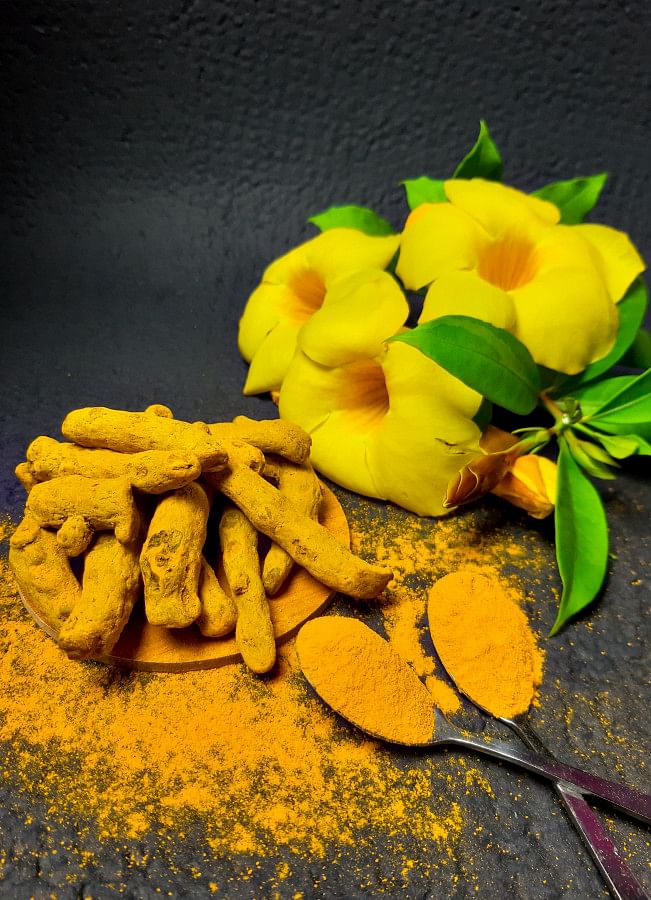
  • Turmeric powder: Turmeric contains curcumin, which has anti-inflammatory and antioxidant properties. It may help support the immune system by reducing inflammation in the body.

Photo: Collected

“>


The power of Ayurveda: Fortify your immunity with natural remedies

Photo: Collected

  • Ginger powder: Ginger is known for its anti-inflammatory and immune-boosting properties. Ginger powder can be added to teas, smoothies, or used in cooking.
  • Moringa leaf powder: Moringa is a nutrient-rich plant known for its potential immune-boosting effects. It is rich in vitamins and minerals, including vitamin C and zinc, which are essential for a healthy immune system.
  • Spirulina powder: Spirulina is a type of blue-green algae that is packed with nutrients. It contains vitamins, minerals, and antioxidants that can support overall health and immunity.
  • Reishi mushroom powder: Reishi mushrooms are known for their immune-enhancing properties. The powdered form can be added to hot water or used in cooking.
  • Chlorella powder: Chlorella is another type of algae that is rich in nutrients, including vitamins, minerals, and antioxidants. It’s often used to support immune health and detoxification.
  • Amla (Indian gooseberry) powder: Amla is a rich source of vitamin C, which is essential for immune function. It can be consumed as a powder or added to juices and smoothies.
  • Garlic powder: Garlic has been used for its immune-boosting properties for centuries. Garlic powder can be added to various dishes for flavour and potential health benefits.

Additionally, a balanced diet, regular exercise, and good hygiene practices are fundamental for maintaining a strong immune system. Stay well!

The author is a writer and a yogini. You can follow her on Instagram or YouTube: Shazzy Om. For more information, please email her at [email protected].

Chairside Impact: TheraBreath Dry Mouth Oral Rinse

0
Chairside Impact: TheraBreath Dry Mouth Oral Rinse

Dry mouth is a common oral condition that occurs when the salivary glands do not produce enough saliva.1 As oral-health professionals, we need to understand the impact of saliva in the oral cavity. It is also essential for us to understand the causes of dry mouth to recommend solutions and effective treatments.

Saliva is a watery liquid secreted bilaterally through paired salivary glands.2 It helps maintain and restore balance to the hard and soft tissues of the mouth with its antibacterial, antifungal, and antiviral properties.2 Calcium and phosphate in saliva aid in the prevention of enamel demineralization.


More Chairside Impact:


Decreased salivary production increases patients’ risks for caries, erosion, candidiasis, and difficulty with dentures.1 Medications, aging, tobacco and alcohol use, and cancer therapy are a few causes for decreased saliva production. Research suggests that dry mouth is common, with the highest prevalence in women and an increased frequency with age.2 Over 500 over-the-counter and prescription medications are known to reduce saliva production.1 Guggenheimer et al. stated most patients are unaware that they are experiencing dry mouth until approximately 50% of their saliva has diminished.1

What are patients saying?

Providing care to patients with dry mouth can be overwhelming. Often, patients walk into the store and purchase the first thing they see. Many patients with dry mouth say they have used over-the-counter rinses but have felt little effect, or their tissue felt thick and slimy. Other patients have tried a two-rinse process where equal parts of the rinses must be used to be effective, but most dislike these because the process is too involved. Patients need a simple, yet effective way to alleviate their dry mouth symptoms. This is why I have switched to recommending TheraBreath Dry Mouth Oral Rinse to my patients.

For patients with dry mouth

TheraBreath Dry Mouth Oral Rinse has a sweet, minty flavor and tingling sensation that soothes and moisturizes dry mouth with no slimy or thick feeling. TheraBreath is alcohol free, dye free, paraben free, and sulfate free. It contains xylitol, a sugar alcohol found naturally in plants. When introduced to the mouth, xylitol decreases the growth of Streptococcus mutans and binds to calcium ions to remineralize tooth enamel.3

The ingredient that produces the tingling sensation—Jambú flower extract (spilanthes acmella flower extract)—helps enhance the salivary experience by triggering natural salivary production.

Another reason I love TheraBreath Dry Mouth Oral Rinse is the addition of three salivary enzymes: lysozyme, amylase, and amyloglucosidase. Lysozyme is a protein found in mucosal secretions, such as saliva, and plays a vital role in immunity. Lysozyme is antibacterial, antifungal, and antiviral.4 Amylase aids in the digestion of carbohydrates in the mouth while amyloglucosidase continues to break down the carbohydrate chain that amylase started.5

When recommending TheraBreath Dry Mouth Oral Rinse to my patients, I suggest they swish with it for at least one minute. The tingling sensation will stimulate their saliva production.

Dry mouth on-the-go

For an on-the-go solution, TheraBreath has dry mouth lozenges that come in two pleasant flavors: Mandarin and Mint and Tart Berry. Both flavors contain xylitol and Jambú flower extract. The Jambú flower extract in the lozenges causes a tingling sensation that helps promote salivary production. The lozenges also contain zinc compounds, which can control plaque formation, reduce malodor, and inhibit calculus formation.6 I encourage patients to use a lozenge whenever their mouths feel dry.

I am so glad I found TheraBreath Dry Mouth Oral Rinse and lozenges to help my patients with dry mouth, and I urge you to recommend them as well.


Editor’s note: This article appeared in the October 2023 print edition of RDH magazine. Dental hygienists in North America are eligible for a complimentary print subscription. Sign up here.


References

  1. Guggenheimer J, Moore PA. Xerostomia: etiology, recognition and treatment. J Am Dent Assoc. 2003;134(1):61-119. doi:10.14219/jada.archive.2003.0018
  2. Sreebny LM. Saliva in health and disease: an appraisal and update. Int Dent J. 2000;50(3):140-161. doi:10.1111/j.1875-595x.2000.tb00554.x
  3. Gasmi Benahmed A, Gasmi A, Arshad M, et al. Health benefits of xylitol. Appl Microbiol Biotechnol. 2020;104(17):7225-7237. doi:10.1007/s00253-020-10708-7
  4. Ferraboschi P, Ciceri S, Grisenti P. Applications of lysozyme, an innate immune defense factor, as an alternative antibiotic. Antibiotics (Basel). 2021;10(12):1534. doi:10.3390/antibiotics10121534
  5. Warren FJ, Zhang B, Waltzer G, Gidley MJ, Dhital S. The interplay of α-amylase and amyloglucosidase activities on the digestion of starch in in vitro enzymic systems. Carbohydr Polym. 2015;117:192-200. doi:10.1016/j.carbpol.2014.09.043
  6. Lynch RJ. Zinc in the mouth, its interactions with dental enamel and possible effects on caries; a review of the literature. Int Dent J. 2011;61 Suppl 3(Suppl 3):46-54. doi:10.1111/j.1875-595X.2011.00049.x