Home Blog Page 34

Dental care for patients with Down syndrome: Understanding the challenges and accommodations

0
Dental care for patients with Down syndrome: Understanding the challenges and accommodations

Down syndrome, characterized by the presence of an extra copy of chromosome 21, is a prevalent genetic disorder affecting approximately one in every 700 births in the United States each year.1 Individuals with Down syndrome face physical and intellectual disabilities that present unique challenges in various aspects of health care, including dental care. Here I explore the background, statistics, health implications, dental treatment accommodations, and behavioral issues related to dental care for patients with Down syndrome.

Background details and statistics

First described by John Langdon Down in 1866, Down syndrome is associated with physical features such as upward slanting eyes, flat nasal bridge, small mouth, and protruding tongue. People with Down syndrome often experience cognitive delays, intellectual disabilities, and various health complications, such as cardiac defects, respiratory problems, and hearing loss.1 The prevalence of Down syndrome varies across populations due to factors such as maternal age and genetic predisposition.

There are three types of Down syndrome: trisomy 21 (nondisjunction), mosaicism, and translocation.2 Trisomy 21 is 95% of all Down syndrome cases. It’s a result of a triplicate of the 21st chromosome that’s in every cell of the body. Mosaicism accounts for 2% of cases. Only some of the cells have 47 chromosomes while others have the normal 46. These people have the least amount of Down syndrome characteristics. Translocation accounts for the remaining 3% of Down syndrome cases. With translocation, there’s an extra copy of the 21st chromosome that attaches to another chromosome, typically the 14th chromosome, while still having the normal 46 chromosomes in total. These individuals have the typical characteristics of Down syndrome.1

You might also be interested in: Providing optimal dental care to patients with Down syndrome

Health implications of Down syndrome

Patients with Down syndrome are at an increased risk of developing oral health conditions such as dental anomalies, periodontal disease, malocclusion, and bruxism. Dental anomalies can involve missing or extra teeth, abnormal tooth shape, or delayed tooth eruption, and these patients also typically have large tongues. Poor oral hygiene, decreased manual dexterity, and immune system deficiencies contribute to an increased risk of periodontal disease. Dental and skeletal abnormalities can result in malocclusion, such as an open bite, crossbite, or crowding. Additionally, individuals with Down syndrome often exhibit bruxism, which can cause tooth wear, jaw pain, and headaches.

Dental treatment accommodations

Providing dental care for patients with Down syndrome requires special considerations to ensure a positive experience. Dentists and dental hygienists should implement the following strategies.

  1. Establish trust and communication: A trusting relationship with the patient is crucial. Dental practitioners should communicate in a calm and friendly manner, allowing ample time for the patient to process information and respond.
  2. Use visual aids and simplified language: Pictures or diagrams, along with simplified language, help those with Down syndrome understand dental procedures and instructions.
  3. Incorporate behavioral management techniques: Positive reinforcement, distraction techniques, and desensitization can help reduce anxiety and promote cooperation.
  4. Employ modified positioning: Adjusting the patient’s position in the dental chair to accommodate physical limitations or sensory sensitivities can enhance their comfort and cooperation.
  5. Accommodate sensory sensitivities: Create a calm and sensory-friendly environment by controlling noise levels, minimizing bright lights, and providing sunglasses for the lights.

Behavioral issues and strategies

Behavioral challenges may arise during dental visits for people with Down syndrome due to anxiety, sensory sensitivities, and difficulty understanding instructions. Dental professionals can implement some strategies to manage behavioral issues.

  • Previsit preparation: Preparing the patient in advance can help alleviate anxiety and increase predictability. Providing information about the dental visit through social stories or visual schedules can help them understand what to expect. This preparation can include explaining the purpose of the visit and procedures and introducing the dental team. It’s important to communicate in a clear and concise manner while using simple language and visual aids as necessary.
  • Parental involvement: Encouraging parents or caregivers to participate in the dental visit can provide comfort and support to the patient. Parents can create a familiar and reassuring atmosphere by staying during the appointment, holding the patient’s hand, and offering encouragement. Their presence can enhance the patient’s cooperation.
  • Use of sedation or anesthesia: In some cases, people with Down syndrome may require sedation or general anesthesia to undergo dental procedures. This approach ensures the safety and cooperation of the patient while minimizing anxiety and discomfort. Dentists should work closely with medical professionals to determine the appropriate sedation options based on the patient’s health condition and individual needs.
  • Individualized treatment plans: These should be tailored to the specific needs and abilities of patients with Down syndrome. This may involve shorter appointments, frequent breaks, or dividing treatment into multiple sessions to accommodate attention span and comfort level. By adapting the treatment plan to the patient, dental professionals can optimize the experience and outcomes.
  • Regular preventive care: Emphasizing regular preventive dental care is essential. Educate caregivers about the importance of maintaining good oral hygiene practices, including flossing techniques and daily brushing. Additionally, routine dental checkups and professional cleanings are crucial for early detection and management of any dental issues.

Case study

Katie is a 30-year-old female with Down syndrome. She has high dental anxiety and has received little dental care. Katie is an incredibly happy person with a smile for everyone. She recently came under the care of a sibling. She does not allow anyone to help her brush and attempts her oral health herself, but her care is not adequate. She wants to cooperate but fears what will be done to her, and she continually states that she’s nervous.

Katie presented with multiple areas of dental decay, heavy plaque buildup, and light to moderate supragingival calculus with little subgingival calculus. There are signs of bruxism with wear and small fractures on her teeth (figures 1 and 2). Katie has a large tongue that often covers her teeth while her mouth is open (figure 3). She has an anterior and posterior crossbite (figure 4) and a retained primary tooth. Katie was cooperative for radiographs, which were taken while working with her verbally and using positive wording and demonstrations. Extra time was taken to allow her to process what was being described and to abate her fears.

Katie allows for a full exam in the office with a show-and-tell approach to ease her anxiety. She cooperates for the prophylaxis procedure as long as treatment is in short bursts, for example, scaling one sextant and then taking a short break before moving on to the next sextant. She tolerates the polishing and does not mind the texture or taste. However, rinsing with the water is a challenge for her. She must do it with short bursts of water, then evacuate quickly. She does not like the “tiny drain,” as she calls the slow speed evacuation. She prefers to leave a little prophylaxis paste to avoid too much water in her mouth.

Katie is extremely fearful of the restoration process. In her case, sedation was chosen due to the extent of decay, her level of fear, and her inability to cooperate for the more invasive procedure. With all procedures for the decay completed, she can now visit the office for routine recare.

Home care was discussed with both Katie and her sibling. Simple and positive language was used with Katie and more in-depth information was discussed with her sibling. Talking with Katie and her sibling together about home care and Katie’s need for help was helpful. This was explained to help Katie understand that if she allows her sibling to assist her with home care, this will hopefully limit the need for future hospital visits.

Dental care for patients with Down syndrome requires a patient-centered approach that addresses their unique challenges and accommodates their specific needs. By understanding the background details, health implications, and statistics related to Down syndrome, dental professionals can provide effective and compassionate care. Implementing dental treatment accommodations, managing behavioral issues, and encouraging regular preventive care contribute to maintaining optimal oral health in people with Down syndrome.


Editor’s note: This article appeared in the October 2023 print edition of RDH magazine. Dental hygienists in North America are eligible for a complimentary print subscription. Sign up here.


References 

  1. Data and statistics on Down syndrome. Centers for Disease Control and Prevention. 2020. Accessed June 4, 2023. https://www.cdc.gov/ncbddd/birthdefects/downsyndrome/data.html#
  2. About Down syndrome. National Down Syndrome Society. Accessed June 4, 2023. https://ndss.org/about#p_783 


Whole-Foods, Plant-Based Diet: A Detailed Beginner’s Guide

0
Whole-Foods, Plant-Based Diet: A Detailed Beginner’s Guide

Whole-foods, plant-based diets prioritize plant foods and minimize processed ingredients and animal products. This eating pattern is environmentally friendly and may be associated with several health benefits.

There are many arguments about which diet is best for you.

Nevertheless, health and wellness communities agree that diets emphasizing fresh, whole ingredients and minimizing processed foods are superior for overall wellness.

The whole-foods, plant-based diet does just that.

It focuses on minimally processed foods and prioritizes plants. Studies show that plant-based diets are effective at stimulating weight loss and improving health (1, 2).

This article reviews everything you need to know about the whole-foods, plant-based diet, including its potential health benefits, foods to eat, and a sample meal plan.

There is no clear definition of a what constitutes a whole-foods, plant-based diet (WFPB diet). The WFPB diet is not necessarily a set diet — it’s more of a lifestyle.

This is because plant-based diets can vary greatly depending on the extent to which a person includes animal products in their diet.

Nonetheless, the basic principles of a whole-foods, plant-based diet are as follows:

  • emphasizes whole, minimally processed foods
  • limits or avoids animal products
  • focuses on plants, including vegetables, fruits, whole grains, legumes, seeds, and nuts, which should make up the majority of what you eat
  • excludes refined foods, like added sugars, white flour, and processed oils
  • pays special attention to food quality, with many proponents of the WFPB diet promoting locally sourced, organic food whenever possible

For these reasons, this diet is often confused with vegan or vegetarian diets. Yet although similar in some ways, these diets are not the same.

People who follow vegan diets abstain from consuming any animal products, including dairy, meat, poultry, seafood, eggs, and honey. Vegetarians exclude all meat and poultry from their diets, but some vegetarians eat eggs, seafood, or dairy (3).

The WFPB diet, on the other hand, is more flexible. Followers eat mostly plants, but animal products aren’t off limits.

While one person following a WFPB diet may eat no animal products, another may eat small amounts of eggs, poultry, seafood, meat, or dairy.

Summary

The whole-foods, plant-based diet emphasizes plant-based foods while minimizing animal products and processed items.

Obesity is an issue of epidemic proportions. In fact, it’s estimated that nearly 31% of adults have overweight, while over 42% have obesity (4).

Fortunately, making dietary and lifestyle changes can facilitate weight loss and have a lasting impact on health.

Many studies have shown that plant-based diets are beneficial for weight loss.

The high fiber content of the WFPB diet, along with the exclusion of processed foods, is a winning combination for shedding excess pounds.

A review of 12 studies that included more than 1,100 people found that those assigned to plant-based diets lost significantly more weight — about 4.5 pounds (lbs), or 2 kilograms (kg), over an average of 18 weeks — than those assigned to non-vegetarian diets (5).

Adopting a healthy plant-based eating pattern may also help keep weight off in the long run.

A study in 65 people with overweight or obesity found that those assigned to a WFPB diet lost significantly more weight than the control group and were able to sustain that weight loss of 25 lbs (11.5 kg) over a 1-year follow-up period (6).

However, it’s unclear whether the control group received nutrition advice or made any changes to their diet (6).

Regardless, simply cutting out the processed foods that aren’t allowed on a WFPB diet like soda, candy, fast food, and refined grains is a powerful weight loss tool itself (7, 8).

Summary

Many studies have demonstrated that whole-food, plant-based diets are effective for weight loss. They may also help you maintain weight loss in the long run.

Adopting a whole-foods, plant-based diet not only benefits your waistline, but it can also lower your risk and reduce symptoms of certain chronic diseases.

Heart disease

Perhaps one of the most well-known benefits of WFPB diets is that they are heart-healthy.

However, the quality and types of foods included in the diet matter.

A large study in over 200,000 people found that those who followed a healthy plant-based diet rich in vegetables, fruits, whole grains, legumes, and nuts had a significantly lower risk of developing heart disease than those following non-plant-based diets (9).

However, less nutritious plant-based diets that included sugary drinks, fruit juices, and refined grains were associated with a slightly increased risk of heart disease (9).

Similarly, several other studies suggest that people following a healthy plant-based diet may have a lower risk of heart disease compared to meat eaters (10, 11).

Consuming the right kinds of food is critical for heart disease prevention when following a plant-based diet, which is why adhering to a WFPB diet is the best choice.

Cancer

Research suggests that following a plant-based diet may reduce your risk of certain types of cancer.

A study in over 76,000 people found that following a healthy plant-based diet could be associated with a lower risk of breast cancer (12).

Similarly, another recent study showed that greater consumption of nutritious plant-based foods was linked to a lower risk of aggressive forms of prostate cancer, especially in men under 65 years (13).

Furthermore, a 2022 review concluded that plant-based diets could be tied to a lower risk of digestive system cancers, including pancreatic, colon, rectal, and colorectal cancers (14).

Cognitive decline

Some studies suggest that diets rich in vegetables and fruits may help slow or prevent cognitive decline and Alzheimer’s disease in older adults.

Plant-based diets have a higher number of plant compounds and antioxidants, which may help slow the progression of Alzheimer’s disease and reverse cognitive deficits, according to some test-tube and animal studies (15).

In many studies, higher intakes of fruits and vegetables have been strongly associated with a reduction in cognitive decline.

A review of nine studies including over 31,000 people found that eating more fruits and vegetables led to a 20% reduction in the risk of developing cognitive impairment or dementia (16).

Other studies in older adults have found that plant-based eating patterns may be associated with a reduced risk of cognitive impairment, along with a slower decline in brain function (17, 18).

Diabetes

Adopting a WFPB diet may be an effective tool in managing and reducing your risk of developing diabetes.

A study in more than 200,000 people found that those who adhered to a healthy plant-based eating pattern had a 34% lower risk of developing diabetes than those who followed unhealthy, non-plant-based diets (19).

Another study demonstrated that plant-based diets could be beneficial for the prevention of type 2 diabetes, especially when they included nutritious plant-based foods like fruits, vegetables, whole grains, nuts, and legumes (20).

Plus, plant-based diets have been shown to improve blood sugar control, body weight, and cholesterol levels in people with diabetes (21).

Summary

Following a whole-foods, plant-based diet may reduce your risk of developing heart disease, certain cancers, cognitive decline, and diabetes.

Switching to a plant-based diet not only benefits your health — it can help protect the environment, as well.

People who follow plant-based diets may have smaller environmental footprints.

Adopting sustainable eating habits can help reduce greenhouse gas emissions, water consumption and land used for factory farming, which are all factors in global warming and environmental degradation.

A review of 63 studies showed that the largest environmental benefits were seen from diets containing the least amount of animal-based foods such as vegan, vegetarian, and pescatarian diets.

The study reported that a 70% reduction in greenhouse gas emissions and land use and 50% less water use could be achieved by shifting Western diet patterns to more sustainable, plant-based dietary patterns (22).

What’s more, reducing the number of animal products in your diet and purchasing local, sustainable produce helps drive the local economy and reduces reliance on factory farming, an unsustainable method of food production (23).

Summary

Plant-based diets emphasizing local ingredients are more environmentally friendly than diets that rely heavily on mass-produced animal products and produce.

From eggs and bacon for breakfast to steak for dinner, animal products are the focus of most meals for many people.

When switching to a plant-based diet, meals should center around plant-based foods.

If animal foods are eaten, they should be eaten in smaller quantities, with attention paid to the quality of the item.

Foods like dairy, eggs, poultry, meat and seafood should be used more as a complement to a plant-based meal, not as the main focal point.

A whole-foods, plant-based shopping list

  • Fruits: berries, citrus fruits, pears, peaches, pineapple, bananas, etc.
  • Vegetables: kale, spinach, tomatoes, broccoli, cauliflower, carrots, asparagus, peppers, etc.
  • Starchy vegetables: potatoes, sweet potatoes, butternut squash, etc.
  • Whole grains: brown rice, rolled oats, farro, quinoa, brown rice pasta, barley, etc.
  • Healthy fats: avocados, olive oil, unsweetened coconut, etc.
  • Legumes: peas, chickpeas, lentils, peanuts, black beans, etc.
  • Seeds, nuts and nut butters: almonds, cashews, macadamia nuts, pumpkin seeds, sunflower seeds, natural peanut butter, tahini, etc.
  • Unsweetened plant-based milks: coconut milk, almond milk, cashew milk, etc.
  • Spices, herbs and seasonings: basil, rosemary, turmeric, curry, black pepper, salt, etc.
  • Condiments: salsa, mustard, nutritional yeast, soy sauce, vinegar, lemon juice, etc.
  • Plant-based protein: tofu, tempeh, plant-based protein sources or powders with no added sugar or artificial ingredients
  • Beverages: coffee, tea, sparkling water, etc.

If supplementing your plant-based diet with animal products, choose quality products from grocery stores or, better yet, purchase them from local farms.

Examples of animal products that can be enjoyed in moderation include:

  • eggs
  • poultry
  • beef
  • pork
  • seafood
  • dairy products

While you can consume conventional animal products, some people may choose pasture-raised, grass-fed, wild-caught, or organic products for environmental reasons or personal preferences.

Summary

A healthy, WFPB diet should focus on plant foods like vegetables, fruits, whole grains, legumes, nuts, and seeds. If animal products are eaten, they should be eaten in smaller quantities compared to plant foods.

The WFPB diet is a way of eating that focuses on consuming foods in their most natural form. This means that heavily processed foods are excluded.

When purchasing groceries, focus on fresh foods and, when purchasing foods with a label, aim for items with the fewest possible ingredients.

Foods to avoid

  • Fast food: French fries, cheeseburgers, hot dogs, chicken nuggets, etc.
  • Added sugars and sweets: table sugar, soda, juice, pastries, cookies, candy, sweet tea, sugary cereals, etc.
  • Refined grains: white rice, white pasta, white bread, bagels, etc.
  • Packaged and convenience foods: chips, crackers, cereal bars, frozen dinners, etc.
  • Processed vegan-friendly foods: plant-based meats like Tofurkey, faux cheeses, vegan butters, etc.
  • Artificial sweeteners: Equal, Splenda, Sweet’N Low, etc.
  • Processed animal products: bacon, lunch meats, sausage, beef jerky, etc.

Foods to minimize

While healthy animal foods can be included in a WFPB diet, they should be minimized. These include:

  • beef
  • pork
  • sheep
  • game meats
  • poultry
  • eggs
  • dairy
  • seafood

Summary

When following a WFPB diet, highly processed foods should be avoided and animal products minimized.

Transitioning to a whole-foods, plant-based diet doesn’t have to be challenging.

The following 1-week menu can help set you up for success. It includes a small number of animal products, but the extent to which you include animal foods in your diet is up to you.

Monday

  • Breakfast: oatmeal made with coconut milk topped with berries, coconut, and walnuts
  • Lunch: large salad topped with fresh vegetables, chickpeas, avocado, pumpkin seeds, and goat cheese
  • Dinner: butternut squash curry

Tuesday

  • Breakfast: full-fat plain yogurt topped with sliced strawberries, unsweetened coconut, and pumpkin seeds
  • Lunch: meatless chili
  • Dinner: sweet potato and black bean tacos

Wednesday

  • Breakfast: a smoothie made with unsweetened coconut milk, berries, peanut butter, and unsweetened plant-based protein powder
  • Lunch: hummus and veggie wrap
  • Dinner: zucchini noodles tossed in pesto with chicken meatballs

Thursday

  • Breakfast: savory oatmeal with avocado, salsa, and black beans
  • Lunch: quinoa, veggie, and feta salad
  • Dinner: grilled fish with roasted sweet potatoes and broccoli

Friday

  • Breakfast: tofu and vegetable frittata
  • Lunch: large salad topped with grilled shrimp
  • Dinner: roasted portobello fajitas

Saturday

  • Breakfast: blackberry, kale, cashew butter, and coconut protein smoothie
  • Lunch: vegetable, avocado, and brown rice sushi with a seaweed salad
  • Dinner: eggplant lasagna made with cheese and a large green salad

Sunday

  • Breakfast: vegetable omelet made with eggs
  • Lunch: roasted vegetable and tahini quinoa bowl
  • Dinner: black bean burgers served on a large salad with sliced avocado

As you can see, the idea of a whole-foods, plant-based diet is to use animal products sparingly.

However, many people following WFPB diets eat more or fewer animal products depending on their specific dietary needs and preferences.

Summary

You can enjoy many different delicious meals when following a whole-foods, plant-based diet. The above menu can help you get started.

A whole-foods, plant-based diet is a way of eating that celebrates plant foods and minimizes animal products and highly processed foods.

Plant-based diets have been linked to a number of health benefits, including reducing your risk of heart disease, certain cancers, obesity, diabetes, and cognitive decline.

Plus, transitioning to a more plant-based diet is an excellent choice for the planet.

Regardless of the type of whole-foods, plant-based diet you choose, adopting this way of eating is sure to boost your health.

17 Best Lat Exercises and Workouts to Build a Stronger Back

0
17 Best Lat Exercises and Workouts to Build a Stronger Back

David Otey, C.S.C.S, is a member of the Men’s Health Advisory Board.

BY NOW, YOU PROBABLY understand how important your back muscles are for a balanced workout plan. Even though you won’t get the same type of instant gratification you do when you train your front-facing muscles like the biceps or chest, your posterior muscles are absolutely essential for your posture, aesthetics, and overall functionality. When it comes to your back or upper body workouts, though, it helps to understand exactly which muscles you’re targeting. One of the most consequential areas here will be your lats—and there are plenty of lat-focused exercises you’ll want to include in your training to make them stronger.

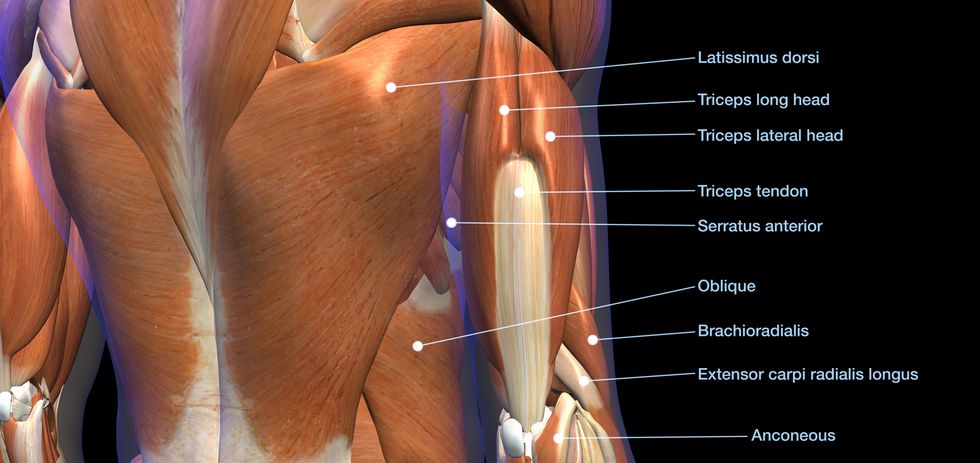
The lats, or the latissimus dorsi, to use the muscles’ proper name, are the wide, fan-shaped muscles that make up the majority of your mid-back. The lats are especially consequential for several reasons. They’re the biggest muscles in your upper body, combining with your traps in the upper back to from the “V” shape guys aspire to when they aim to develop a V-taper torso physique.

More importantly, the lats are crucial for some of the most essential movements you’ll make in both the gym and just about any other situation in your everyday life: pulling. From dumbbell rows to reining in your pets or kids, the lats are involved.

The key, then, is finding the best exercises to keep your lat workouts engaging. Here’s how to stay on track to building up a big back.

What Are Your Lats?

In order to work your lats you have to understand them at least a little: They’re the large, triangle-shaped muscles on the back, which create a thick taper from shoulder to waist.

Hank Grebe//Getty Images

The muscle inserts into the upper part of the humerus (your upper arm bone) from the inside. Their purpose is main two-fold: Your lats primarily work when you pull things, and when you adduct things. What’s adduction? Raise your arms out to your sides, forming a “T” with your torso. Now lower them forcefully back to your sides. That forceful lowering action is adduction.

How to Train Your Lats

This all means that traditional rowing motions with your arms by your sides pulling straight back will impact your lats. Get too wide with your grip on a row though, and you begin to see more involvement from the rear deltoid and middle traps.

Researchers have also found there could be some mild advantages from pulling with a medium grip width specifically in the vertical plane. In both the upward and downward path of the movement there were some small advantages from a muscular recruitment standpoint the the medium grip which seemed to be just right.

The Benefits of Lats Exercises

Training your lats will pay off in a number of ways. Functionally, strong lats mean you’ll perform better when it comes to pulling exercises—and that’s not just upper body moves like rows and pullups. You’ll find your deadlift is even stronger, too.

You’ll also benefit aesthetically. Training your lats can help you achieve the V-taper torso, a major goal for lots of guys. Like other back muscles, a well-developed set of lats will also help to balance out your physique and can even contribute to better posture, especially if you’re in danger of having an imbalance with too much focus on the anterior chain (front facing muscles like the chest).

The Best Lats Exercises

Now let’s get right into the best lat moves out there. Make sure you’re hitting two or three of these moves at least once a week to round out your physique.

Deadlifts

preview for How to Deadlift | Form Check

Why: The classic barbell deadlift is often thought of as a hamstring and glute developer, but it’ll smoke your lats too. Think about it: Whether you’re lifting or lowering that barbell with a heavy weight, it’s hanging from your arms, and your back muscles have to pull. Don’t underrate this move as a foundation of a solid back.

How to:

  • Load a barbell with weight on the ground and stand close to it, so it nearly touches your shins. Grasp it with an overhand, slightly-wider-than-shoulder-width grip.
  • With feet shoulder-width apart and arms just outside of the legs, push the hips back as far as possible then bend the knee far enough to reach the bar.
  • From the bottom position with a tall spine, pull the bar from the ground by standing tall and pulling the hips back to your standing position. Throughout the movement, it’s important to maintain a strong posture.
  • Descend down controlling the bar back down to the ground.

Sets and Reps: 3 to 4 sets of 6 to 8 reps


Barbell Row

preview for How To Master the Barbell Row | Men's Health

Why: Fixed moves with both arms can maximize the amount of weight that can move. This move is a staple in most bodybuilders, athletes, and probably your routine by this point.

The great thing about the barbell row is, due to required stability in the spine and core muscles (keeping a neutral spine) and isometric hamstring activity (hinging the hips in a bent position), the action becomes a global pull exercise,” says athlete performance and development specialist Curtis Shannon, C.S.C.S. “I personally love programming this exercise due to all the benefits the rows have on the posterior chain, as well as the added benefits of improvement of strength and hypertrophy.”

The movement is versatile, too. “You can program this as a primary or accessory movement or add as a superset exercise,” Shannon continues. “Depending on the weight and readiness of the athlete, avoid keeping moderate to heavy lifts under ten reps. Being bent over moving the weight can put added pressure on the lower back, especially if we are already, or begin to, fatigue.”

How to:

  • Stand next to a loaded barbell set on the ground. Bend your knees slightly and hinge forward so your torso is slightly higher than parallel to the ground, then grab the barbell using an overhand, shoulder-width grip. Look down, not forward. Tighten your core. Hinge upwards, raising your torso to a 45-degree angle with the ground and lifting the barbell. This is the starting position.
  • Keeping your core tight and your shoulder blades squeezed, bend your elbows and pull the barbell to your lower chest. Aim to keep your elbows at a 45-degree angle relative to your torso as you do this, and try to touch the bar to your ribcage.
  • Lower to the start with control. That’s 1 rep.

Sets and Reps: 3 sets of 8 to 10 reps


Dumbbell Row

preview for Dumbbell Row | Form Check

Why: This is one of the first variations novice lifters learn. You simply hinge forward, place one arm on a bench or rack for balance, and grasp a dumbbell in the other arm. Keep your torso steady as you bend your elbow and use your back muscles to pull the dumbbell up toward your ribcage. Dumbbell rows involve a host of back muscles, but if you want to focus on your lats here, aim to get a good stretch at the bottom of the motion.

How to:

  • Start standing, holding a single dumbbell in your right hand. Now hinge forward until your torso is nearly parallel with the ground. Keep your core tight and your feet shoulder-width apart as you do this.
  • Place your left hand on a box or bench for balance. This is the start.
  • Pull the dumbbell back to just above your belly button, then slowly return it back to the start.

Sets and Reps: 3 sets of 8 to 12 reps


Incline Dumbbell Row

preview for How To Perfect Your Incline Dumbbell Row | Form Check

Why: You’ve already seen how valuable dumbbell rows can be for your lats–now, introduce another implement (an adjustable bench) to eliminate your ability to cheat the movement by using momentum or flagging posture. With your chest on the bench, all you can do is pull. This will hit your lower lats, which are sometimes neglected during other pulling movements.

How to:

  • Adjust a bench to a 45-degree angle. Place your chest on the bench, but plant your feet as if you’re standing up, not only leaning on the bench. Engage your abs and glutes to maintain full-body tension.
  • Lift the weights, gripping them tightly, and keep your neck in a neutral position by gazing straight ahead.
  • Pull from the upper arm, driving the weight up toward your torso. Squeeze your back for a count at the top, then control the weight back down.

Sets and Reps: 3 sets of 8 to 10 reps


Seated Cable Row

preview for How to Do the Seated Cable Row to Build Back Muscle | Men’s Health Muscle

Why: This is one of the foundational back training exercises and a great place for beginners to start. Since you’re working with a machine and a bilateral load, you’ll be able to focus on scapular retraction more easily than with free weights, which is fundamental to shoulder health.

How to Do It:

  • Take a seat on the machine with your feet on the holders, a little wider than shoulder width. Drive the heels, and squeeze the glutes. Grab onto the handle.
  • Lean slightly forward and round out the upper back. Think about pulling the shoulder blades apart as much as possible.
  • Aim to get a good stretch through the lats. As you row, pull the shoulder blades down, back, and together just as you did in the beginner version. Row the handle bar in, landing just above your belly button.
  • You should finish in the same position as the beginner row: perpendicular with the floor, spine straight, with the shoulder blades squeezed together.

Sets and Reps: 3 to 4 sets of 10 to 15 reps


Elevated Plank Row

preview for How to Do the Elevated Plank Row PROPERLY *Avoid These Mistakes* | Men's Health Muscle

Why: Use the bench to train your lats in a different way—and get your core more involved too. You’ll give the lats and mid back plenty of valuable work, if you position yourself properly.

How to:

  • Set up in a single arm plank on the bench, with your legs spread wide and your elbow in front of you in an externally rotated position.
  • Lift the dumbbell, keeping your hips low by tightening your glutes and obliques.
  • Row the weight up to a parallel position relative to your torso, pause and squeeze the back, then lower back down.

Sets and Reps: 3 sets of 10 to 12 reps


Reeves Incline Row

preview for Eb and Swole: Reeves Incline Row

Why: Another advanced bench row swaps your dumbbells for an EZ bar or shorter barbell so you can take a new grip. This incline row allows you to pull from a wider position, giving your muscles a different stimulus.

How to:

  • Start with your chest on an incline bench, a loaded EZ curl bar (or barbell) beneath the bench.
  • Grasp the bar by the plates. Lift it from the ground. Tighten your shoulder blades.
  • Row the bar up, touching the bar to the bench, then lower.

Sets and Reps: 3 to 4 sets of 8 to 10 reps


Gorilla Row

preview for Eb and Swole: Gorilla Row Mayhem

Why: This bent-over row variation challenges you to work from a wide stance, while also giving you a chance to ease some of the tension you feel in your lower back during a traditional bent-over row by pulling from a dead stop from the floor.

How to:

  • Stand in an athletic stance as you would for a bent over row, then widen your feet slightly, and tighten core and glutes, making sure hips are lower than shoulders.
  • Grip the weights tightly in both hands. Maintain this position.
  • Keeping your shoulders level with the ground, row the right weight upwards, pressing the other weight into the ground.
  • Repeat on the other side.

Sets and Reps: 3 to 4 sets of 8 to 10 reps


Pullups and Chinups

preview for Work Your Way to a Pullup

Why: The pull-up and the chin-up are well-known moves, and staples for lat development. Both moves are simple: You hang from a bar, with an overhand grip (pull-ups) or an underhand grip (chin-ups), and pull your chest to the bar. To really hit your lats, avoid the so-called “kip,” a CrossFit idea that has you explosively swinging your hips to create momentum that drives your chest to the bar. Work up to 3 sets of 10.

How to:

  • Hang from a pullup bar with an overhand (pullup) or underhand (chinup) grip, hands about shoulder-width apart.
  • Keeping your core tight, bend at the elbows and shoulders and pull your chest to the bar.
  • Pause, then lower with control.

Sets and Reps: 4 sets of 6 to 8 reps


Lat Pulldowns

preview for Beginner's Guide: Get More From Your Lat Pulldown

Why: The lat pulldown is a cousin of pullups and chinups, and it definitely seems similar. But we’re giving it its own spot here because of how it lets you focus in on your lats. Freed of grip concerns and the need to manage your lower body perfectly, you can really focus in on your lats and finish off every rep with a good squeeze.

Be strategic once you start adding the pulldown to your workouts. “This exercise can be programmed as a superset to an upper body push exercise,” says Shannon “It can be programmed as a progressive exercise to help advance to wide grip pull ups. And lastly, used as an activation exercise to help get the lat muscles ‘firing’.”

How to:

  • Sit in a lat pulldown station and grab the bar above with a grip slightly wider than shoulder-width. Tighten your core and keep your torso upright.
  • Pull the bar down toward your chest, bending at your elbows and squeezing your shoulder blades.
  • Slowly return the bar to the top of the station.

“The key to getting the biggest ‘bang for your buck’ is keeping your torso not completely erect, but at about a 60 percent angle,” says Shannon. “As well as focusing on tempo and control to get that concentric (lowering the bar) and eccentric (raising the bar) effect.”

You can also try a kneeling variation, shown in the video above.

Set and Reps: 3 to 4 sets of 8 to 12 reps


Close-Grip Lat Pulldown

preview for How to Do the Close-Grip Lat Pulldown Correctly | Men’s Health Muscle

Why: Switch up the handle and narrow your grip for this pulldown variation, which allows you to increase the range of motion of your pull. This will also provide a safer position for your shoulders—especially if you can use a V-bar, as is demonstrated in the video.

How to:

  • Set seat at a comfortable height. Grab the handle, using a neutral grip if it’s a V-handle or an underhand grip for the more standard wide bar.
  • Plant your feet on the ground, engage your core, and squeeze the bar tight.
  • Lean back slightly, then squeeze your shoulders and drive them down as you pull. Drive your elbows down as you pull the bar to the top of your chest.
  • Hold at the bottom, then return to start position under control.

Sets and Reps: 3 to 4 sets of 6 to 8 reps


Landmine Row

preview for Adjust Your Landmine Rows With A Dropset | Men’s Health Muscle

Why: The landmine row has a lot in common with the barbell row, except the angle of your pull is slightly different. The landmine row, with the barbell anchored behind you, lets you get more of a squeeze with your lats. And because it’s anchored, you cheat less and squeeze a little bit more.

How to:

  • Set a barbell in a landmine and place some weight on the opposite end of the barbell.
  • Wrap a V-bar handle around the weighted end and grasp its handles.
  • Hinge forward so your torso is at a 45-degree angle with the ground; this is the start.
  • Squeeze your shoulder blades and row the weighted end of the barbell toward your chest; pause, then return to the start.

Sets and Reps: 3 to 4 sets of 6 to 8 reps


Dumbbell Pullover

preview for Train Your Lats like Arnold With Dumbbell Pullovers I Men's Health Muscle

Why: The dumbbell pullover is viewed as a chest exercise by some, and it’ll hit your abs considerably too. But as you pull the weight back above your torso, your upper arms mimic a row motion. And the best part comes before that: your lats wind up getting a great stretch as you lower the weight.

How to:

  • Lie with your back on a bench, holding a single dumbbell overhead with both hands, gripping the weight instead of the bar.
  • Keep your arms straight as you lower the weight in an arc behind your head.
  • Once you feel a stretch in your chest, pause, then pull it back to the starting position.
  • As you pull it back, your lats come into play, driving the motion. Think 3 sets of 8 to 10 reps here.

Sets and Reps: 3 to 4 sets of 8 to 10 reps


Meadows Row

Why: The brainchild of bodybuilder John Meadows, the Meadows row has you approaching the landmine from a different angle for a vicious single-arm row. The angle forces the resistance to travel both up and away, challenging you to pull explosively near the top.

How to:

  • Stand next to a landmine, facing away, your outside leg about 6 inches from the end of the barbell and your back leg in a staggered stance behind you.
  • Hinge forward so your torso is at a 45-degree angle to the ground, and rest your outside hand on your outside leg.
  • Grip the bar with an overhand grip with your inside hand. Tighten your core.
  • Now row the bar to the bottom of your chest. Squeeze. Lower with control.

Sets and Reps: 3 to 4 sets of 6 to 8 reps per side


Renegade Row

preview for How To Perfect Your Renegade Row | Form Check

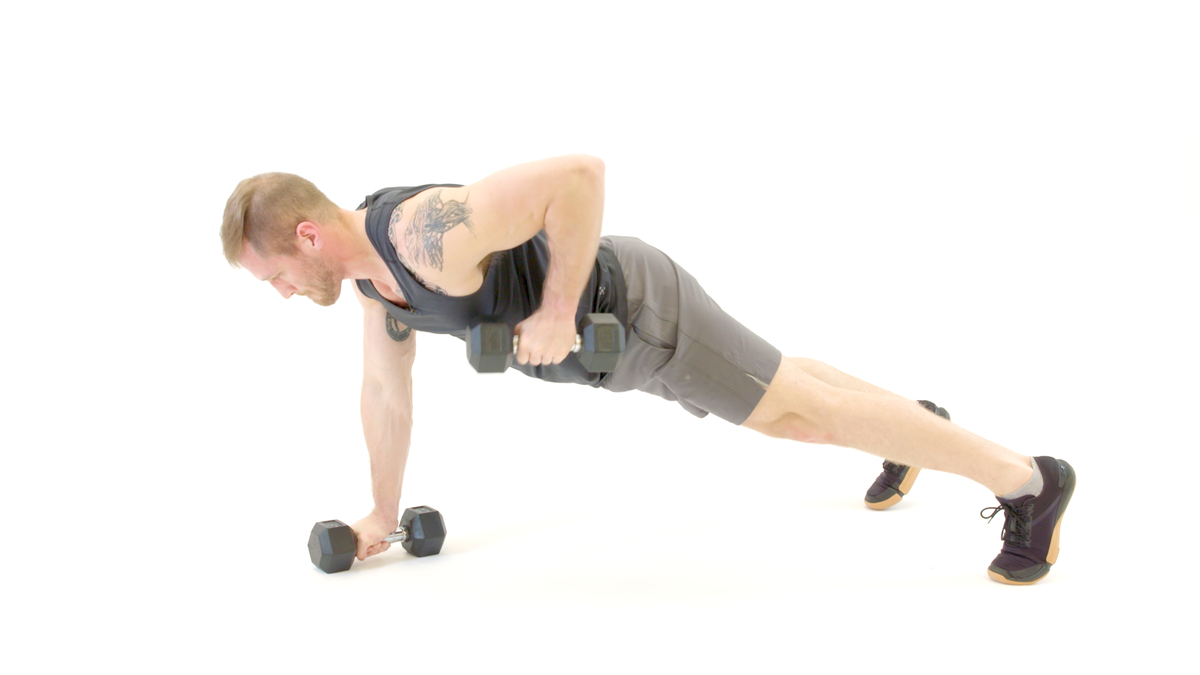
Why: This CrossFit staple lets you train your lats while building shoulder stability at the same time. It’ll also challenge your core. You’ll find yourself using lighter weights than you might on other motions, too, which means you’ll have a good opportunity to finish each rep with a squeeze. Just sit this one out if you have shoulder issues.

How to:

  • Get in pushup position, with your hands on a pair of dumbbells in a neutral grip, and your feet about shoulder-width apart. Do a pushup.
  • As you raise your torso, lift one dumbbell off the ground and row it toward your belly button; you’ll need to support your weight with your other shoulder.
  • Return to the pushup position, then lift and row the other dumbbell.
  • Alternate the first dumbbell you row with during every pushup rep.

Sets and Reps: 3 sets of 6 to 8 reps


Inverted Bodyweight Row

preview for How to Master the Inverted Bodyweight Row | Form Check

Why: This row has you lying underneath a bar, tightening your entire torso, then rowing your chest to the bar. It’ll challenge your abs and glutes, but expect it to be hard. The good news: It’s an incredibly scale-able bodyweight move: Make it easier by raising the bar higher and assuming a position closer to standing. Or make it easier by bending your knees and planting your heels into the floor (instead of maintaining a fully straight line from shoulders through feet).

How to:

  • Lie under a barbell or Smith machine and grab the bar with an underhand grip slightly wider than shoulder-width. Position your feet and torso so that you’re at a 45-degree angle with the ground. Squeeze your shoulder blades.
  • Now pull your torso and body upwards, aiming to touch the bar between belly button and chest.
  • Lower back to the start. That’s 1 rep.

Sets and Reps: 3 sets of 8 to 10 reps


Pendlay/Deadstop Row

preview for Eb and Swole: How to do the Pendlay Row

Why: The deadstop row is similar to the barbell row, except after each rep, you lower the bar all the way to the ground, bringing it to a dead stop. This gives you a chance to reset your form and tighten your core, and if you struggle with grip strength on the barbell row, it gives your forearms a break. The result: You move more weight, but without sacrificing form or risking injury.

How to:

  • Setup for this is very similar to a barbell row. Once again, you stand next to a loaded barbell set on the ground. Bend your knees slightly and hinge forward so your torso is slightly higher than parallel to the ground, then grab the barbell using an overhand, shoulder-width grip. Look down, not forward. Tighten your core, and make sure your hips are slightly lower than your shoulders.
  • Keeping your core tight and your shoulder blades squeezed, bend your elbows and pull the barbell to your lower chest.
  • Aim to keep your elbows at a 45-degree angle relative to your torso as you do this, and try to touch the bar to your ribcage.
  • Lower the barbell all the way to the ground, and let it come to rest (a dead stop) on the ground, then begin the next rep.

Sets and Reps: 3 sets of 8 to 10 reps


Headshot of David Otey, C.S.C.S.

David Otey, CSCS is a fitness writer, NYC-based strength coach, and Men’s Health Advisory Board member who specializes in strength and hypertrophy protocols as well as athletic performance. For more on Otey check out www.oteyfitness.com.

Headshot of Brett Williams, NASM

Brett Williams, a fitness editor at Men’s Health, is a NASM-CPT certified trainer and former pro football player and tech reporter who splits his workout time between strength and conditioning training, martial arts, and running. You can find his work elsewhere at Mashable, Thrillist, and other outlets.


If counting sheep isn’t working for you, try these natural remedies for sleep

0
If counting sheep isn’t working for you, try these natural remedies for sleep

Have you tried natural remedies for sleep? We all have our own ways of getting a good night’s sleep. We know the standard go-to remedies like lavender, chamomile, lemon balm, passionflower — oh, and don’t forget your valerian root.

However, what if you’re simply not taking any pills to relax and fall asleep? Well, then it’s time you should consider some of the common herbs used for centuries to help you drift off into lala land.

So don’t be tossing and turning all night, try these natural remedies for sleep to help you get the sleep you need.


Natural remedies for sleep to try instead of sleeping pills

1) Chamomile – Classic herbal remedy

Calming chamomile herbal tea (Image via Vecteezy)

For centuries, people have used chamomile tea to help get some sleep. The tea has a special antioxidant called apigenin that works with specific receptors in the brain.

This combo helps you relax and feel sleepy. Set your room with dim lights, and have a cozy cup of chamomile tea before bedtime. It will calm your mind and get your body ready for a peaceful night of rest.


2) Valerian root – Nature’s tranquilizer

Natural remedies for sleep - Helps with insomnia (Image via Vecteezy)
Natural remedies for sleep – Helps with insomnia (Image via Vecteezy)

Valerian root is a herb known for its calming properties. Valerian root has a traditional use of helping with insomnia and making sleep better.

It helps boost levels of gamma-aminobutyric acid (GABA), which is a chemical in the brain that helps control sleep. Consider taking valerian root as a supplement or steeping it in water to create a soothing herbal tea.


3) Lavender – A fragrant sleep aid

Reduces anxiety (Image via Vecteezy)

Lavender is famous for smelling nice and has been used for a long time to help people relax and sleep.

The smell of lavender has been proven to lower heart rate and anxiety, making sleep more peaceful. Use lavender essential oil in a diffuser or as a pillow spray to create a calming atmosphere in your bedroom.


4) Passionflower – Nature’s sleep inducer

Natural remedies for sleep - Reduces stress and anxiety (Image via Vecteezy)
Natural remedies for sleep – Reduces stress and anxiety (Image via Vecteezy)

Passionflower is a gentle herb commonly used to alleviate symptoms of anxiety, stress and insomnia.

It enhances the production of GABA, promoting a sense of calm and tranquility. Incorporate passionflower tea in your nighttime routine, or try a supplement derived from this herb for restorative sleep.


5) Lemon balm – Calming the mind

Regulates nervous system (Image via Vecteezy)

Lemon balm is a herb known for its calming effects on the nervous system. It helps reduce anxiety and promotes relaxation, making it beneficial for achieving restful sleep.

Prepare a cup of lemon balm tea before bedtime to soothe your mind and promote a restorative night’s sleep.


6) California poppy – A gentle sleep aid

Natural remedies for sleep - Provides a restful sleep (Image via Vecteezy)
Natural remedies for sleep – Provides a restful sleep (Image via Vecteezy)

California poppy is a gentle herbal sedative that can help ease anxiety and make you feel relaxed.

It’s especially useful for people who feel nervous or restless and have trouble sleeping. Use California poppy as a tincture or in capsule form to aid in achieving restful sleep.


7) Ashwagandha – Balancing body and mind

Many studies support the benefits of Ashwgandha. (Image via Vecteezy)

Ashwagandha is one of the natural remedies for sleep that helps the body adapt to stress and promotes overall well-being.

By reducing stress and anxiety, ashwagandha can indirectly improve sleep quality. Try taking an ashwagandha supplement to support overall relaxation and a more profound sleep experience.


8) Hops – Natural sleep Iiducer

Hops, which are usually used in beer, have been used for a long time to help with sleep.

They have a chemical called 2-methyl-3-buten-2-ol, which acts similar to sedative, making you sleepy and giving you a deep rest. Consider adding hops in a herbal tea or using them in a pillow sachet to enhance sleep quality.


If you want to get better sleep, herbs can help. Plants like chamomile, valerian root, lavender, passionflower, lemon balm, California poppy, ashwagandha and hops can all help you relax and snooze better.

These natural remedies for sleep can calm you down, reduce stress and make sleep quality better. However, before trying anything new, check with a healthcare expert. They will give you customized advice and make sure that it’s safe for you and your health needs.


Vaping and oral health: Unveiling the hidden risks

0
Vaping and oral health: Unveiling the hidden risks

In recent years, vaping has emerged as a popular alternative to traditional cigarette smoking, particularly among young adults and teenagers. Proponents argue that it is a safer and less harmful alternative to smoking, citing reduced exposure to many of the toxic chemicals in tobacco smoke. However, the impact of vaping on oral health is a subject that has garnered increasing attention among researchers and dental professionals.

Here’s a look into some research findings on vaping and its potential effects on oral health to shed light on the hidden risks associated with this trend.

The rise of vaping

Vaping, the act of inhaling aerosolized vapor produced by electronic nicotine delivery systems (ENDS) such as e-cigarettes, has gained widespread popularity in recent years. According to the Centers for Disease Control and Prevention (CDC), as of 2022, approximately 2.55 million American middle and high school students used e-cigarettes in the past 30 days, and in 2021 4.5% of adults in the US used e-cigarettes.1 This alarming statistic highlights the urgency of understanding the oral health implications associated with vaping.

Vapes come in different shapes and sizes, often taking the form of USB devices, toys, pens, highlighters, and lipsticks. These shapes can make it difficult to identify such items in a young person’s possession.

You might also be interested in: Teens and vaping: What dental professionals need to know

Chemical composition and oral health

One of the primary concerns of vaping and oral health is the chemical composition of e-cigarette aerosols. Although e-cigarette aerosols are believed to contain fewer harmful chemicals than traditional cigarette smoke, they are by no means harmless. According to the CDC, e-cigarette aerosols can still contain harmful substances such as nicotine, heavy metals such as lead, and volatile organic compounds, all of which can have detrimental effects on oral tissues when inhaled.1

Formaldehyde, another known component of e-cigarettes, is a known carcinogen that can cause cellular damage and inflammation in the oral cavity.2 Acrolein, a highly reactive chemical used in herbicides, is often found in e-cigarettes and can irritate the mucous membranes in the mouth and throat, potentially leading to conditions such as dry mouth and chronic inflammation as well as COPD, asthma, and lung cancer.3

Oral health implications

A recent study showed that the oral microbiome of smokers and e-cigarette users is different from that of nonsmokers.4Smokers and individuals who vape exhibit a higher prevalence of multiple bacterial strains, including Selenomonas, Leptotrichia, and Saccharibacteria, in comparison to nonsmokers. E-cigarette users displayed a notable prevalence of various other bacteria, such as Fusobacterium and Bacteroidales, which are known to be linked with periodontal disease.4 This change in the microbiome leads to increased inflammation and probable worsening of periodontal disease.

Several oral health issues have been associated with vaping, including:

  1. Dry mouth: Dry mouth (xerostomia) can be caused by irritants in e-cigarette aerosols. Saliva is essential for safeguarding oral tissues and overall oral health. Reduced saliva can heighten the risk of dental issues such as dental caries, periodontal disease, and oral infections.
  2. Periodontal disease: A study published in 2016 found that e-cigarette users were more likely to exhibit signs of periodontal disease compared to nonusers.5 According to Jităreanu et al., there is evidence that vaping changes the oral microbiome, leading to an overgrowth of pathogens and loss of beneficial bacteria. This leaves the patient more susceptible to oral disease.6
  3. Tooth decay: The combination of dry mouth and exposure to harmful chemicals can contribute to dental caries. The lack of saliva makes it easier for decay-causing bacteria to thrive, leading to an increased risk of dental caries.
  4. Oral lesions: Some research indicates a potential connection between vaping and oral lesions, with vaping causing tissue damage that elevates inflammation and, in conjunction with DNA damage from e-cigarette chemicals, raises the risk of oral cancers.

The role of nicotine

Nicotine, which is in both traditional cigarettes and many vaping products, constricts blood vessels, reducing blood flow and oxygen supply to oral tissues. This impairs the body’s ability to repair damaged oral tissues, elevating the risk of oral health issues.

Nicotine in e-cigarettes is a large concern. Forty-five percent of the nicotine from these devices is deposited in the oral cavity.6 Nicotine is a contributor to the development of oral cancer, as it promotes the growth of cancerous cells and inhibits apoptosis (cell death) in damaged cells. While the risk of oral cancer from vaping may be lower than from smoking, it is still a concerning factor for oral health.1

The role of dental professionals

While vaping is often promoted as a safer alternative to smoking, it carries unique risks to oral health. E-cigarette aerosols, containing harmful chemicals such as formaldehyde and acrolein, can lead to issues such as dry mouth, gum disease, tooth decay, and potentially oral cancer. Nicotine, a common ingredient in vaping products, exacerbates these dangers.

To safeguard oral health, individuals must be aware of vaping’s potential hazards and consider alternative nicotine delivery methods or, best of all, quit nicotine use altogether. Dental professionals have a pivotal role in educating patients about vaping risks and monitoring their oral well-being. Although vaping may seem less harmful than smoking, it is not without harm, and its long-term impact on oral health continues to be the focus of ongoing research.


References

  1. About electronic cigarettes (e-cigarettes). Centers for Disease Control and Prevention. Accessed October 4, 2023. https://www.cdc.gov/tobacco/basic_information/e-cigarettes/about-e-cigarettes.html.
  2. Ruggiero JL, Voller LM, Shaik JA, Hylwa S. Formaldehyde in electronic cigarette liquid (aerosolized liquid). Dermatitis. doi:10.1097/DER.0000000000000771
  3. The impact of e-cigarettes on the lungAmerican Lung Association. Accessed October 4, 2023. https://www.lung.org/quit-smoking/e-cigarettes-vaping/impact-of-e-cigarettes-on-lung
  4. Urban J. Evidence grows for vaping’s role in gum disease. American Society for Microbiology. February 22, 2022. Accessed October 18, 2023. https://asm.org/Press-Releases/2022/Feb-2022/Evidence-Grows-for-Vaping-s-Role-in-Gum-Disease
  5. Cho JH, Paik SY. Association between electronic cigarette use and asthma among high school students in South Korea. PloS one. March 4, 2016. doi:10.1371/journal.pone.0151022
  6. Jităreanu A, Agoroaei L, Aungurencei OD, et al. Electronic cigarettes’ toxicity: from periodontal disease to oral cancer. Appl Sci. 2021;11(20):9742. doi:10.3390/app11209742

No significant difference in diabetes management

0
No significant difference in diabetes management

In a recent study published in The American Journal of Clinical Nutrition, researchers compare changes in hemoglobin A1c (HbA1c) and glycemic variability in prediabetic individuals or those with moderately managed type 2 diabetes to understand the impacts of two calorie-restricted weight loss diets.

Study: A randomized clinical trial comparing low-fat versus precision nutrition-based diets for weight loss: impact on glycemic variability and HbA1c. Image Credit: Roman Chazov / Shutterstock.com

Background

Increased postprandial glucose response (PPGR) and the resultant oxidative damage are associated with a higher risk of type 2 diabetes, cardiovascular disease, cancer, liver disease, obesity, and associated mortality. Conventional strategies for PPGR management are through diets with low glycemic loads, such as those with low carbohydrates, and more soluble dietary fibers, such as whole plant foods.

However, standard diets with low glycemic load or low carbohydrate content have had mixed or negative results in clinical trials, as they do not consider individual variability in PPGR to the same foods.

About the study

In the present study, researchers used a machine learning-based personalized algorithm devised as part of the Personal Nutrition Project (PNP). PNP was trained on a data set comprising metagenome profiles of gut-microbiome-related glycemic responses and tolerance to predict individual PPGR.

The derived model also considered other data such as interstitial glucose measurements, the nutritional information of time-stamped meals, and characteristics of participants such as sleep, physical activity, hunger, stress levels, and HbA1c values.

A personalized diet based on the PNP algorithm was compared to a standardized low-fat diet in this randomized clinical trial called the Personal Diet Study by examining changes in HbA1c and glycemic variability during the intervention period. The study recruited adults between the ages of 18 and 80 years who were prediabetic or had type 2 diabetes managed either through lifestyle changes alone or with metformin along with lifestyle, had comorbid obesity or overweight, and an estimated glomerular filtration rate greater than 60 ml/min/1.73 m2.

Participants were randomly assigned to the standardized or personalized diet. Stool and blood samples were obtained to predict the PPGRs using the PNP algorithm.

Both groups were provided behavioral counseling for weight loss and monitored their diets using an app on their smartphones. Individuals in the personalized diet group were provided feedback through the smartphone app to reduce PPGR. Data on continuous glucose monitoring were collected at baseline and three and six months.

The stool samples were used for microbiome analysis, which was then correlated with data on anthropometrics, health variables, sociodemographic information, and HbA1c to determine the personalized meal scores. The primary measured outcomes included mean amplitude of glycemic excursions (MAGE) and HbA1c values, while secondary outcomes included mean continuous glucose monitor readings, continuous overall net glycemic action (CONGA), coefficient of variation, and standard deviation.

Study findings

The personalized diet designed by the PNP algorithm did not result in any significant changes in HbA1c or glycemic variability as compared to the standardized diet.

The MAGE value decreased for the standardized diet group by 0.83 mg/dL each month. Comparatively, for the personalized diet group, the reduction in MAGE was at the rate of 0.79 mg/dL each month. The changes in HbA1c also showed similar trends for the two groups.

In addition to the coefficient of variation for the continuous glucose monitor glucose measures, other measures of glycemic variation and HbA1c decreased for both groups. Between the two groups, no differences were observed, even when the analysis was stratified by sex.

Changes in HbA1c every month were 0.02% and 0.01% for the standardized and personalized diet groups, respectively. The differences in the values between the groups were not statistically significant.

Some of the limitations of the study included the inability to generalize the findings across racial and ethnic groups, as the study population was primarily female and White. Furthermore, since the PNP algorithm was designed for the Israeli population and validated on a predominantly White sample of the United States population; thus, the results of the algorithm for other racial and ethnic groups could differ. Difficulties with using the app could also have resulted in a decrease in adherence to the self-monitored diet.

Conclusions

A personalized PNP algorithm-designed weight loss diet did not result in a significant difference in HbA1c or glycemic variability values as compared to the standardized weight-loss diet among individuals in prediabetic stages or with managed type 2 diabetes.

Journal reference:

  • Kharmats, A. Y., Popp, C., Hu, L., et al. (2023). A randomized clinical trial comparing low-fat versus precision nutrition-based diets for weight loss: impact on glycemic variability and HbA1c. The American Journal of Clinical Nutrition. doi:10.1016/j.ajcnut.2023.05.026

Nemours Children’s Health named the Title Partner of the 2023 Nemours Children’s Run | Office of Special Events

0
Nemours Children’s Health named the Title Partner of the 2023 Nemours Children’s Run | Office of Special Events
 

PHILADELPHIA, PA – The City of Philadelphia and Philadelphia Marathon Weekend race officials are proud to announce Nemours Children’s Health as the title partner for the 2023 Nemours Children’s Run.

“We are very excited to welcome Nemours Children’s Health to our team of partners,” said Kathleen Titus, Race Director for the AACR Philadelphia Marathon. “Nemours Children’s helps ignite our commitment to promoting a healthy and active lifestyle and turns race day into family day.”

Nemours Children’s is one of the nation’s largest pediatric health systems transforming the health of children by adopting a holistic health model to create the healthiest generations of children. As the title partner for this year’s Children’s Run, Nemours Children’s Health brings associates and leaders to the Philadelphia Marathon Weekend who are devoted to pediatric healthcare and understand the importance of both the emotional and physical well-being of children.

“At Nemours Children’s, we are on a mission to promote whole child health, and help children everywhere grow into healthy adults. Our model of health includes supporting children’s optimal health, development and well-being across the life course while improving health equity through delivery and payment reforms,” said Gina Altieri, Executive Vice President, Corporate Affairs and Enterprise Chief Communications Officer, Nemours Children’s Health. “Partnering with an event like the Philadelphia Marathon to promote the health of children is an opportunity to showcase Nemours Children’s commitment to going well beyond medicine each and every day.”

The Nemours Children’s Run features short-distance, and non-competitive events for youngsters five years to 12 years of age. Each age group will enjoy dashes, half-mile or full-mile distances on the Benjamin Franklin Parkway on Saturday, November 18. In addition to the races, there will be family fun with a rock-climbing wall, bounce zone, obstacle course, face painting, and more!

Families can also hang out at the Nemours Children’s Zone located at the Health & Fitness Expo on Friday, November 17 and Saturday, November 18.

Advanced registration for the Nemours Children’s Run is preferred, but will also be available on-site the day of the race.  More information and registration is available at philadelphiamarathon.com/races/nemours-childrens-run/


###
 

About Philadelphia Marathon Weekend

The Philadelphia Marathon Weekend, now in its 30th year, has grown tremendously since the first race in 1994. What started as a small local event of just 1,500 participants has become one of the top 10 marathons in the country. The course guides participants through a unique experience of centuries of history and architecture, diverse and lively neighborhoods, and remarkable views throughout Fairmount Park and along the Schuylkill River. Each year, spectators line the course, eager to cheer on athletes, because there’s nothing Philadelphians love more than champions.

Race Weekend 2023 features the AACR Philadelphia Marathon on Sunday, November 19; the Dietz & Watson Philadelphia Half Marathon, Rothman Orthopaedics 8K and Nemours Children’s Run on Saturday, November 18; and a free two-day Health & Fitness Expo on Friday, November 17 and Saturday, November 18.

For more information about the Philadelphia Marathon Weekend, visit philadelphiamarathon.com.

About Nemours Children’s Health

Nemours Children’s Health is one of the nation’s largest multistate pediatric health systems, which includes two free-standing children’s hospitals and a network of more than 70 primary and specialty care practices. Nemours Children’s seeks to transform the health of children by adopting a holistic health model that utilizes innovative, safe, and high-quality care, while also caring for the health of the whole child beyond medicine. Nemours Children’s also powers the world’s most-visited website for information on the health of children and teens, Nemours KidsHealth.org.

The Nemours Foundation, established through the legacy and philanthropy of Alfred I. duPont, provides pediatric clinical care, research, education, advocacy, and prevention programs to the children, families and communities it serves. For more information, visit Nemours.org

Top Health Breakthroughs Since 1988 That Changed How We Live Now

0
Top Health Breakthroughs Since 1988 That Changed How We Live Now

JUMP TO: 1. Google | 2. Strength Training | 3. Prozac | 4. Viagra | 5. mRNA Vaccines | 6. FitBit | 7. Cancer Immunotherapy | 8. Urgent Care | 9. Smoking Ban | 10. Statins

google search bar
1 google puts health in our hands gulp
1998

IT’S HARD TO REMEMBER the days when we got our health information from the library, pamphlets in the doctor’s office, or—gasp!—the actual doctor. But before Google was launched 25 years ago, there was no such thing as Googling “How do I know I’m having a heart attack?” or “Ways to prevent a hangover” at 2:00 a.m.

Of course, when the Internet came on the scene in the early ’90s, there were other search engines for a hot minute, but Google, which handles 90 percent of all search queries worldwide, has endured and changed our health more radically than anything else in history. Three out of four people now turn to the web for health information, according to National Cancer Institute and Mayo Clinic research. But at what cost?

We have instant access to lifesaving facts, photos of rashes, alternative treatments, academic journals, databases of doctors who’ve faced disciplinary actions, and communities of our peers. We also have instant access to every crackpot theory imaginable. It’s made an indelible mark on us and our health.

It Radically Changed How We Talk with Our Docs

“We’ve moved from a patriarchal medical system where people would see their doctor and report symptoms and be informed about treatments without much discussion,” says Christopher Kelly, M.D., a cardiologist in Raleigh. “This has led to shared decision-making and discussions of diagnoses.” And there’s some evidence that access to online health information helps reduce some of the health inequality experienced by marginalized groups.

It Makes Us Experts . . . Sort of

We can learn more about a disease than overburdened doctors have time for and advocate for our health on an unprecedented level. On the flip side, we’ve taken this empowerment to the extreme by trying to bypass doctors completely. That can give us cyber-chondria—who hasn’t thought they had a serious illness after Googling symptoms? Or searching might make you think your problem isn’t a problem at all and let you blow off symptoms. Knowledge is power, yet we’re often out of our league. A study in JAMA Internal Medicine found that physicians consistently beat online symptom checkers in determining what was really wrong.

And Yet . . .

Politics and a pandemic have shown us the biggest downside to swimming in this sea of knowledge: the spread of bad and harmful information. And Google isn’t the only digital property under scrutiny for allowing a mixed bag of misinformation to creep onto our screens. YouTube and TikTok are under the same pressure.

“Google has been tweaking its algorithms for a while to [ensure] that misinformation or unproven therapies aren’t overrepresented in search results,” says Timothy Caulfield, a public-health professor at the University of Alberta who studies the spread of misinformation. “Yet it’s still far from ideal, because even a couple scary headlines give people the idea there’s a real debate about something or give it a false veneer of credibility. This isn’t a little issue. It’s killing people.”

There may not be an easy answer for how to moderate false information online, says Caulfield. “There is an interesting conversation among policymakers: Do you try to get Google to focus on the bad content in an endless game of Whac-a-Mole? Or do you want them to focus on the way the information is presented to the public?” he says. “I think we want more transparency.”

The next wave of searching, however, will bring an entirely new challenge. Sites powered by AI, such as ChatGPT, serve up seemingly comprehensive answers. We already know that search engines deliver a mix of credible and crap. Yet we have no idea where AI is getting all the information that it so beautifully packages for us.

In the Meantime . . . 

You can do a lot on your own to get good info:

eye icon

KEEP SCROLLING.

There’s a joke that the best place to hide a dead body is in the second page of Google’s search results. Few people make it past the initial links—and the ads on top. Scroll past those to get to the real (unpaid) info.

icon

CHECK FOR SPIN.

Content that has an emotional impact can make you click. Engage your inner BS meter first.

icon

NOTE THE SOURCE.

A medical journal? The TikToker selling testosterone on the side? Worth remembering: Just because someone keeps spewing certain information doesn’t mean they’re an expert.

—Sarah Elizabeth Richards

breaker
highest res available downloaded from google web search
2 strength training is officially a health move
2008

WHEN THE DEPARTMENT of Health and Human Services took a dive into what kind of activity keeps you healthy, its very first Physical Activity Guidelines for Americans sent people from the treadmill to the squat rack. In a win for the lifting crowd, it said adults need to strength-train at least twice a week (and do 150 minutes a week of other moderate activity). Now strength training is the second-most-popular form of exercise, right behind walking.

Why Strength Is Such a Big Deal

Sure, lifting makes you look great. But here’s what else it does:

• BUILDS STRONG BONES. Move over, milk. Training’s stress on your bones stimulates their growth, helping combat the risk of breaks.

• KEEPS YOU STABLE. Strong muscles brace your joints, giving you better balance.

• HELPS WITH YOUR WEIGHT. More muscle mass means you’re burning more calories at rest. (Muscle uses more energy than fat.)

• COUNTERS AGE-RELATED MUSCLE LOSS. You can lose about four to six pounds of muscle per decade. Weight training can prevent this.

• KEEPS YOUR HEART HEALTHY. Consistent strength training can have a positive effect on circulation, blood-pressure levels, and cholesterol levels.

• BOOSTS LONGEVITY. A 2022 study found that those who strength-trained one or two times a week had a 14 percent lower mortality risk than those who didn’t exercise at all. —Cori Ritchey

breaker
pills with happy and sad faces

The Vorhees

3 strength training is officially a health move
1988

NOT LONG AFTER PROZAC hit the market, Peter D. Kramer’s landmark book Listening to Prozac did, too. On the heels of the book’s new anniversary edition, he looks back on how the drug changed us:

Prozac arrived at a propitious moment in the late 1980s, when a William Styron op-ed (he would expand it into the breakthrough memoir Darkness Visible) helped make depression discussable. Older antidepressants, discovered in the late 1950s, had hard-to-manage side effects and were tough to dose accurately. Prozac, the first in a series of antidepressants that primarily modulated the brain’s use of serotonin, had milder side effects in short-term use. It was less lethal in overdose and arguably had an influence on temperament, making some feel less anxious and more confident socially. It also arrived as one pill a day for all.

Prozac’s introduction was an inflection point—the end of predominance for Freud and psychoanalysis and the start of the antidepressant era.

Depression emerged from the shadows. Depression memoirs abounded. Celebrities spoke freely of their depressive episodes. Depression came to be seen in part—perhaps largely—as a medical disorder. As Prozac was introduced, evidence emerged that depression does harm throughout the body—affecting the brain, hormonal glands, bones, and blood elements. Patients with depression die young, and not only of suicide. The risk extends to those with minor forms of the disorder. These results, and the tolerability of the new drugs, led to prescribing for lesser conditions. Nonpsychiatrists now write most prescriptions for antidepressants. Even prior to the pandemic, about one in eight American adults took one.

The world is awash in the drugs. Patients pee them out, they enter the water supply, and fish who should be timid turn bold. Birds eat Prozac-tainted worms and show behavioral effects.

Anything this prevalent is bound to be controversial. The anti-psychiatry movement, which had begun by objecting to psychotherapy as inducing conformity, switched its focus to the prescription. Doubt about antidepressants joined skepticism about vaccines and global warming as a political cause for those who feel injured by change. On social media, antidepressants were often made to look dangerous or ineffective.

They are, for some patients. The vast majority do well. Prozac and similar drugs will be superseded, perhaps soon, by newer, better antidepressants. But setting the glamour and the fearmongering aside, for the past 35 years, they have helped us readmit the brain into our understanding of mental disorders, and they have played a yeoman’s role in medicine, offering relief from one of the great scourges of humankind.

breaker
4 viagra lifts us up
1998

INITIALLY CREATED AS a blood pressure drug, the little blue pill soon revealed its very welcome side effect of getting men erect. Viagra forever changed men: not just how we have sex but also how we view ourselves. Not getting it up was a medical thing, not a failing. (And then there’s the fun factor.)

John Amory, M.D., M.P.H., of the University of Washington School of Medicine, explains another unintended effect: Men who didn’t usually see a doctor started going to get Viagra. Since ED can be a symptom of atherosclerosis, which can lead to heart attacks and strokes, docs could help guys drop those risks, too. In short, Viagra (and now its competitors) has been a lifesaver. —Zachary Zane

rooster with viagra

Richard Pullar

breaker
5 mrna vaccines save lives fast
2011

WHEN THE PANDEMIC ARRIVED, most experts thought there was no chance a vaccine could be developed quickly. But a pioneering technology using messenger RNA (mRNA) soon hit its stride, bringing the Pfizer and Moderna vaccines to market with more speed and better efficacy than scientists ever expected and saving an estimated 14.4 million lives around the world, according to research in The Lancet. These mRNA vaccines can be developed in a fraction of the time that traditional vaccines take, explains Buddy Creech, M.D., M.P.H., the director of the Vanderbilt Vaccine Research Program. Now scientists are looking at them to fight other diseases, including cancers, in part since they can be developed so quickly. Here’s the difference. —Amy Marturana Winderl

syringe

Anthia Cumming//Getty Images

traditional vaccines

1. GROW the germ, like the Covid virus, in a petri dish

2. EXPERIMENT to find which chemicals inactivate the germ without destroying the protein that sparks an immune response. Proteins are delicate and easily degraded, Dr. Creech says, so this process requires some serious finesse.

3. REPEAT steps 1 and 2 until successful. Sometimes this takes years.

4. TEST various immune boosters (adjuvants) to figure out what works to help heighten the body’s response.

5. REPEAT step 4 until you find the best option.

shape

1. EXTRACT the genetic code for the target protein.

2. CREATE a “code” that your body recognizes as a recipe for making a protein. This code is the mRNA. Once it’s sent into your body, you create the harmless protein that helps your body prep for battle should the actual Covid virus invade.

3. ENCLOSE the mRNA in a protective fat bubble.

4. PRODUCE and DISTRIBUTE the vaccine. This process shortens the typically lengthy trial-and-error process to isolate and package the finicky protein.

breaker
6 fitbit gets us moving and tracking and maybe a little obsessed
2007

AS AN ATHLETE in the 1980s, I had my first real experience with data via a performance tracker known as the Wilson. The Wilson was a six-foot-five swim coach that could bark out splits you could hear underwater 25 yards away. It was reliable data as far as I knew, and he gave me what I needed—the information that I was not going fast enough and the idea that I could go faster. The Wilson was clear, accurate, and extremely motivating.

Later in life, I found a career in triathlon coaching as the world steadily progressed from analog to digital feedback. Year in and year out, though, I noticed that some athletes who never wore a device qualified for championships, while others who did wear one would hold back, per the coach on their wrist. Was this really doing us any good?

Around the middle of 2007, my mom called to tell me, with a note of pride in her voice, that she had a streak of three days with more than 1,000 steps. She said her new obsession—the Fitbit—counted her steps, and she was challenging herself to go a whole month with 1,000 or more a day. “Do you think that’s a good idea? You’re a coach, right?”

By 2010, Fitbit had sold 58,000 devices. In 2016, that number reached 22.3 million. Folks started walking because of it. Some started cycling and swimming. Some wandered into my studio and then raced across the iconic Ironman World Championships finish line. The Fitbit got us moving and got us interested in our bodies, our health, and our potential.

It became America’s Wilson, and it opened the floodgates to the wearables market we’re in now, with devices that let you track your sleep, heart rate, glucose, heart-rate variability, power, pace, stress score, sweat rate, and pretty much whatever else you want. Every time we go out the door now, we learn something.

Sometimes all that data is overwhelming. That’s when it’s important to leave it at home and do something that doesn’t get tracked, ranked, or posted on social media. The data is all around you, but it isn’t you. You still get to focus on what motivates you most. —Earl Walton

MOST ACCURATE

Masimo W1

$499 at Masimo

It’s spot-on with critical metrics like heart and respiration rates and pulse oximetry.

BEST FOR iPHONE USERS

Apple Watch Ultra 2

$799 at Apple

Similar to the Apple Watch Series 8, plus a bigger face, dual-frequency GPS, and an epic battery life.

MOST AFFORDABLE

Fitbit

$130 at fitbit

Fitbit stepped up its game with the sleek, slimmed-down Luxe. —Talene Appleton

breaker
7 cancer immunotherapy changes whats possible
2011

USING YOUR IMMUNE system instead of toxic drugs to kill cancer cells sounded like science fiction until 2011. That’s when a drug that helps you do just that (ipilimumab) hit the market. It “completely changed melanoma treatment,” says Daruka Mahadevan, M.D., an oncologist at the Mays Cancer Center at the University of Texas San Antonio. Before that, nothing really helped, he says. But with ipilimumab, “the survival rate became about 20 percent at five years. It was amazing; I had never seen anything like that.” Since then, median survival with metastatic melanoma has risen from about six months to nearly six years.

Other immunotherapy treatments—including CAR T-cell therapy and checkpoint inhibitors—have been used with dramatic results, and more are on the way. Since you’re revving up the immune system, there can be side effects, and some can be serious. Yet, Dr. Mahadevan says, “right now we’re at an inflection point, and we are certainly moving the needle up.” —A. M. W.

breaker
citymd urgent care storefront

Robert K. Chin – Storefronts / A

8 urgent care saves us from er hell
2015

BEFORE THERE WERE urgent-care centers on seemingly every street corner and in every shopping center in America, you basically had two choices if you were injured or sick: try to get an appointment with your doctor or sit in the ER.

The spread of urgent-care centers filled a clear need for health care—somewhere you could go that had longer hours than your PCP, cost as little as a tenth of what the ER charged, and could handle urgent health issues that aren’t life-threatening. Although these centers quietly started launching about 50 years ago, urgent-care visits increased by nearly 120 percent between 2008 and 2015, and the centers became a first stop for many in the midst of the pandemic.

Yet this convenient solution hasn’t managed to reduce the spiraling overall cost of health care, says Ateev Mehrotra, M.D., a professor of public-health-care policy and medicine at Harvard Medical School. And some research found that you’re more likely to get unnecessary antibiotics at an urgent-care center than at other facilities. But that doesn’t mean they’re not valuable, Dr. Mehrotra says. Tip: Get a report of your visit and ask if you really need that Rx. —S. E. R.

breaker
icon

Levi Brown / trunkarchive.com

9 california snuffs out smoking at work
1995

RECOGNIZING THE DANGERS of secondhand smoke—now causing more than 40,000 heart-disease and 7,000 lung-cancer deaths a year—California became the first state to ban smoking in the workplace. Since then, 27 states and D. C. have enacted indoor-air laws. That’s a huge benefit for your health. “While there’s more progress to be made, overall these policies are one of the biggest public–health wins of the past few decades,” says Carissa Baker Holmes of the CDC’s Office on Smoking and Health. —Marty Munson

breaker
a red heart made of wires

Florian Sommet / Trunk Archive

statins save your heart and life
1988

CONVERSATIONS ABOUT heart attacks often involve cholesterol, yet it wasn’t until the 1950s that a link was even made between the two. Aside from dietary changes and a few underwhelming drugs, though, there weren’t great options for patients. Then, in 1987, the first statin was approved (lovastatin/Mevacor). A second one quickly followed (simvastatin). Today, more than a quarter of American adults are on one of seven different statins.

“It’s been a game changer, because statins decrease the rate of heart attacks and death, and they’re reasonably nontoxic,” says MH heart-health advisor John Elefteriades, M.D. Today, statins are widely used to prevent recurrence of heart attacks and strokes, as well as to ward off heart disease in the first place—particularly in adults with higher risks. “I think taking them younger is the right solution, because you can prevent blockages from building up,” says Dr. Elefteriades. “If you don’t start until you’re 70, you’ve already got 50 years of potential damage.” —S. E. R.

logo

INEQUITIES IN HEALTH.

Marginalized communities generally have less access to care and worse outcomes. For instance, Black people in the U. S. die from treatable conditions at nearly double the rate that white people do.

icon

HIGH RX PRICES.

These are 2.5 times as high in the U.S. as in any other developed economy.

logo

ACCESS TO HEALTHY FOOD.

Around 16 million people with low incomes live in neighborhoods with limited access to adequate food.

breaker
12 other breakthroughs
1988 first stent sold

An implant designed to widen a narrowed coronary artery hits the market in Europe.

1989 botox approved

MH dermatology advisor Corey Hartman, M.D., calls it the “gift that keeps on giving” for its ability to treat excessive sweating, eye twitches, and even migraines, incontinence, and more.

1996 marijuana legalized

California becomes the first state to legalize medical marijuana, launching the legalization movement. Today, 38 states plus D. C. allow medical marijuana use.

logo1999 cgms arrive

No more endless finger–prick testing and guesswork: continuous glucose monitors let people with diabetes see what their blood sugar is doing in real time.

2001 crossfit debuts

The creation and popularity of CrossFit brings men out of the solitude of the squat rack and into group fitness classes.

2006 first "cancer vaccine" developed

Gardasil becomes the first vaccine to help prevent several cancers, including oropharyngeal and anal.

2008 mental health gets respect

The Mental Health Parity and Addiction Equity Act of 2008 forces insurers to cover mental health and physical health equally.

2012 prep for hiv approved

Truvada, a once-daily pill, is approved to reduce the risk of a sexually acquired HIV infection.

2013 plan b goes otc

Plan B contraception, around since the late ’90s, finally hits the shelves for use without a prescription.

2015 trans fat ban initiated

The FDA deems partially hydrogenated oils—trans fats—no longer “generally recognized as safe” and sets up a plan to ban them from foods by January 2020.

2020 psychedelics research center opens

Johns Hopkins opens the doors to the first-of-its-kind Center for Psychedelic and Consciousness Research, which studies and lends legitimacy to psychedelics and mental and physical wellness.

2023 narcan comes home

Aiming to reverse the thousands of overdose deaths each year, the FDA approves the OTC sale of Narcan, a nasal spray that rapidly treats an opioid OD.

Headshot of Marty Munson

Marty Munson, currently the health director of Men’s Health, has been a health editor at properties including Marie Claire, Prevention, Shape and RealAge. She’s also certified as a swim and triathlon coach.