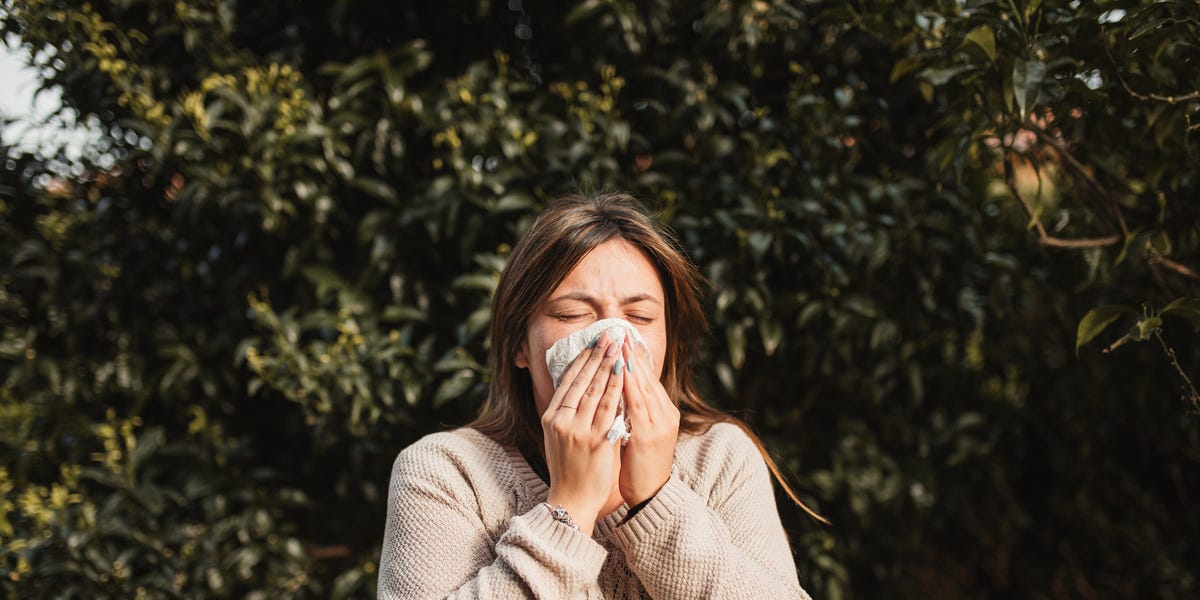
Poor air quality can negatively impact children’s health. Recent wildfires and extreme weather has heightened attention about poor air quality. The C.S. Mott Children’s Hospital National Poll on Children’s Health asked a national sample of parents of children 0-18 years about protecting children’s health when air quality is poor.
Most parents (73%) are concerned about the impact of air quality problems on their child’s health; fewer (63%) feel they know what actions to take regarding air quality problems. Two-thirds (67%) say that in the past two years they have experienced at least one day with poor or unhealthy air quality in their area. Parents believe the poor air quality was related to wildfires (81%), excessive heat (42%), and seasonal changes such as pollen (34%), elevated ozone levels (14%), and industrial pollution (11%). Parents cite news or weather reports (92%) as their main information source about air quality problems. Parents say that to protect their child’s health while air quality was poor, they kept their windows closed (69%) and limited their child’s time outdoors (68%), had their child avoid strenuous outdoor activities (47%), used a home air filter (19%), or had their child wear a mask when outdoors (11%); 14% took no action. Among parents reporting poor air quality in their area, nearly 1 in 5 (18%) believe it affected their child’s health.
Parents who have not experienced poor air quality in their area say they would consider taking steps to protect their child’s health if there were an alert from local news or weather (57%) or a government agency (43%), if they could see or smell a change in air quality (49%), or if they received guidance from their child’s doctor (37%) or school (30%).
Only 21% of parents report their child’s school has a policy with steps they will take when the air quality is unhealthy; most (61%) do not know if there is a school policy in place. When air quality is unhealthy, most parents think schools should move recess and physical education indoors (74%) and cancel outdoor sports and activities (66%); fewer parents support an individualized approach where parents would decide whether to remove their child from outdoor sports/activities (45%). About one-quarter of parents (27%) think schools should encourage children to wear masks outside when air quality is poor, while 8% do not support any school action.
Highlights
3 in 4 parents are concerned about the impact of air quality problems on their child’s health.
2 in 3 parents report poor or unhealthy air quality in their area, most often related to wildfires.
Among parents reporting poor air quality in their area, 1 in 5 believe it affected their child’s health.
Implications
Air quality is particularly important when thinking about children’s health. Because children breathe faster than adults, their lungs are exposed to more pollution per pound of body weight than adults. In addition, children typically spend more time outside than adults and their developing bodies are more susceptible to the impact of pollution.
The most striking finding from this Mott Poll is how common this issue is: two-thirds of parents have experienced at least one day of poor or unhealthy air quality. While local news and weather reports help parents know the quality of the air in their community, parents may be less aware of where to turn for reliable information about how to protect their child when air quality worsens. In addition to discussing the issue with their child’s health care provider, parents may want to explore other recommended sources such as AirNow.gov that contain more detail and explanations.
Exposure to unhealthy air quality can negatively impact a child’s lungs, causing or exacerbating respiratory diseases such as asthma and bronchitis. Parents should look out for wheezing, coughing, and other signs of breathing difficulties. If these symptoms occur, parents should remove their child from the source of the poor air quality and contact their child’s health care provider to discuss further actions. Parents of children with asthma need to be particularly careful to identify situations where the air quality may be poor and monitor their child’s symptoms.
For families without a history of asthma or environmental allergies, parents may tend to be less focused on the impact of poor air quality. However, it is important to note that exposure to pollution—especially the very small particles that can get into the deepest parts of the lungs—can cause a range of health problems including poorer cognitive functioning, impaired behavioral development, obesity, and childhood cancer, and puts them at risk for additional problems during their adult life such as stroke and heart disease.
With these risks in mind, parents must aim to strike a balance when deciding how best to protect their child from poor air quality. In general, being outdoors is good for children’s physical and mental health. When air quality problems are expected to be temporary, a few days inside is warranted to avoid high levels of exposure. However, some air quality concerns extend for a longer period, particularly those related to industrial pollution. In these situations, children are vulnerable to both the negative respiratory effects as well as the long-term impact of decreased physical activity. Parents may want to find alternate options for physical activity, either indoors or in areas with better air quality.
If children must be outside during times of poor air quality, parents should ensure that they do not engage in strenuous activity that would cause them to take deep rapid breaths, and consider having children wear a KN95 mask outdoors. At home, parents should keep windows closed during days with poor air quality and use air filters or purifiers to help reduce indoor pollutants.
Schools play a role in protecting children from the adverse effects of poor air quality. Particularly on warmer days, schools should adopt and implement guidelines to manage students’ exposure on high pollution days based on the color-coded Air Quality Index. Findings from this Mott Poll suggest that most parents think schools should take actions such as moving recess and physical education indoors. Another school action to consider is asking parents not to idle their car during drop-off and pick-up times.
Local and state policymakers can also strive to mitigate the negative effects of poor air quality. For example, officials can enact zoning policies that keep heavy traffic away from schools. Policymakers should consider the impact on babies and young children, particularly of long-term sources of pollution (e.g., factories, refineries). They can also provide funding for schools, daycare, and community organizations to purchase filters to improve air quality indoors.
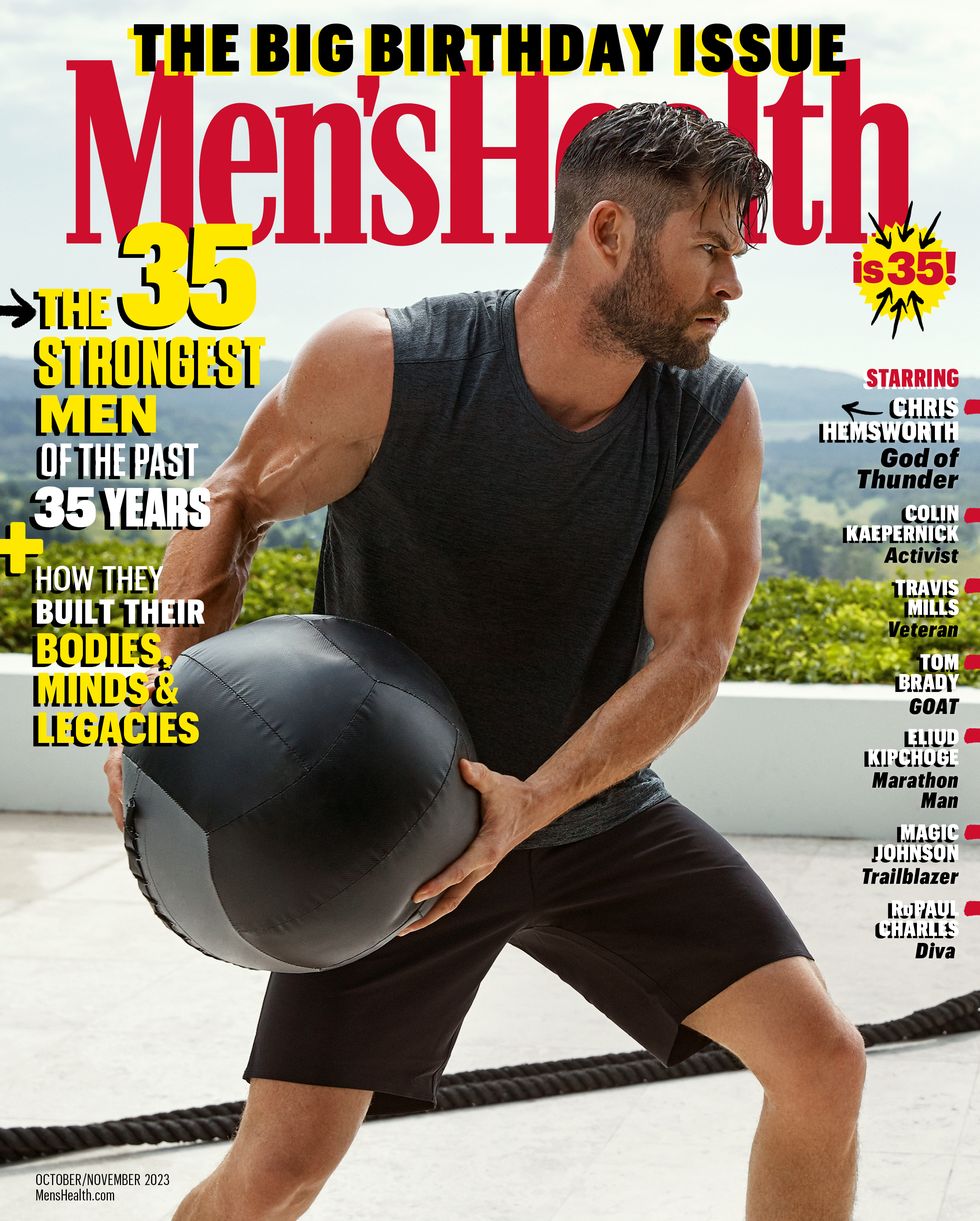
For our 35th anniversary issue, we’re spotlighting 35 men who embody strength in all of its forms. To see the full list, click here.
HE PLAYS THE God of Thunder, and we know him as an invincible superhero—and A-list Aussie-family bro—so when Hemsworth was hit with a genetic lightning bolt, it hit all of us. He took a genetic test for Limitless with Chris Hemsworth, the Nat Geo documentary series on longevity, and it revealed that he has two copies of the gene APOE e4, which is linked to an increased risk of Alzheimer’s disease.
“You’re constantly thinking you’re going to live forever, especially as a young individual,” Hemsworth said on Limitless. “Then to be told that this might be the thing that might take you out was like, whoa—it kinda floored me.”
Peter Attia, M.D., who specializes in longevity and is the consulting doctor on Limitless, explained to Hemsworth that while this gene increases your risk of Alzheimer’s—making it eight to ten times higher than everyone else’s—it doesn’t determine your fate: You can have the high-risk gene without ever developing the disease and, conversely, may not have the gene and can still develop Alzheimer’s.
What’s more, Dr. Attia believes that with aggressive lifestyle adjustments you can reduce your risk so that you’re just as susceptible as anyone else. On the show, Dr. Attia told Hemsworth, now 40, that he considers the test result a blessing: “This will motivate you to take steps today that most people [in their 40s] would never think about until they’re in their 50s or 60s.”
“It was a good kick in the arse and a reminder to do whatever is in my power to give myself the best fighting chance,” said Hemsworth. “Whatever work I’m doing for my brain health benefits the rest of my body—we turned it into a positive.”
The actor had the option of editing this revelation out of the show, but he chose to include it, and in doing so he displayed a different kind of strength and vulnerability beyond any of Thor’s superpowers. Hemsworth said he hopes that sharing his news will inspire other people in similar situations to “either go and get checked or to understand more about brain health and see what they have within their power to change.”
There are various preventive tactics to lower your Alzheimer’s risk, according to Dr. Attia:
• EXERCISE: Both endurance work and strength training deliver benefits, including improved blood flow, better blood-sugar management, and boosted metabolic efficiency, as well as perks associated with reducing stress.
• SLEEP: During deep sleep, the brain is “cleaning house,” sweeping away intracellular waste that can build up between our neurons.
• BRUSHING AND FLOSSING: Yup, doing both can reduce systemic inflammation.
• SAUNA USE: Research suggests serious benefits: Four 20-minute sessions per week at 180 degrees Fahrenheit or hotter seems to be the sweet spot to reduce Alzheimer’s risk by 65 percent.
• HEARING: When there are fewer auditory inputs, your brain withers. If you’re losing your hearing, get hearing aids, stat!
Of course, Hemsworth is known for his fitness and even has his own training app, Centr. Since the lightning bolt struck, he has made adjustments to his mind-and-body regimens, with an eye to prioritizing brain health. “Now, I’m incorporating more solitude into my life,” he told MH in an exclusive interview. “I’ve always been pretty consistent with my exercise commitments, but lately I’ve really felt the importance of taking time for yourself without any outside voice or stimulation and making time for stillness.”
An additional aspect of that is finding time to do more mindfulness work. “I do a lot of meditation and breath work mostly during sauna and ice bath routines,” he says. “For me my favorite mindfulness work comes from the immersion in physical actives that allow me to be fully present and force me out of me head and into my body, in particular surfing.”
He’s also prioritizing getting more shut-eye. “I have a more consistent approach to my sleep,” he says. “Try to stay off screens an hour before bed and read most nights definitely helps. In addition focusing on not being attached to every thought and be the observer to the noise when possible , just stepping back from the internal chatter.”
Over the last year or so, Hemsworth has also been tweaking his fitness routine. “My weight fluctuates a lot due to differing roles and also my own interests in regards to challenging my body in different ways,” he says. “I’m lifting less frequently than I was and I’m incorporating more cardio and endurance workouts which I much prefer than heavy body building style sessions.”
Finally, he’s also trying to improve his work-life balance. “It made me think about my kids and how they’re growing up and things are changing so dramatically, and I want to sit, I want to soak it in,” he told Dr. Attia on his Drive podcast. “I don’t want to be in a sprint anymore. I want to be right here and appreciate everything that’s in front of me.”
Steven Chee
This story originally appears in the October/November 2023 issue of Men’s Health.
Ben Court is the Executive Editor of Men’s Health. He has a decade of experience writing and editing stories about peak performance, as it relates to health, nutrition, fitness, weight loss, and sex and relationships. He enjoys yoga, cycling, running, swimming, lifting, grilling, and napping.
There are a few techniques you can try to stop your period faster. Some are safe to do monthly, but others require moderation or a doctor’s approval.
It’s bound to happen occasionally: A vacation, day at the beach, or special occasion will coincide with your period.
Rather than let this throw off your plans, it may be possible to end the menstruation process faster and reduce the number of days in your cycle. But If you regularly experience long or abnormal periods, discuss long-term solutions with your doctor.
Hormonal brith controls can be used to regulate your cycle. They can also shorten the number of days you menstruate each month. If you’re just starting hormonal birth control, it may take several cycles before your periods become shorter.
Examples of hormonal birth control include:
Some kinds of hormonal contraception can also reduce the number of menstrual cycles you have each year. For example, if you receive the Depo-Provera shot, you may stop having periods after the first year of injections. Many people also experience changes to their menstrual cycle after having an IUD implanted.
These types of birth control are all available by prescription only. You and a doctor can determine which type is best for you, based on your lifestyle and medical needs.
Certain herbal remedies may also help alleviate long and painful menstruation. More research is needed, but it’s worth talking to your doctor.
Some of the most promising herbs for menstruation include:
fennel, which has analgesic and anti-inflammatory properties that may reduce pain associated with menstruation
Certain micronutrients, such as B vitamins, are essential to your overall health. Some may even ease up your periods while alleviating PMS symptoms.
Vitamin B6 is one of the nutrients that may affect your periods. It’s found naturally in foods such as eggs, fish, and poultry. Regular supplementation with vitamin B6 may reduce the thickness of the endometrial lining. This, in turn, may lead to lighter bleeding and, potentially a shorter period. More research is needed, however.
Talk to your doctor before taking any supplements to treat your periods.
People with obesity may have an increased risk of having heavier or longer periods. Some people may even experience heavy, painful symptoms for weeks at a time. This is attributed to increased estrogen production from fat cells, which can make cycles heavier and longer.
If you’ve experienced heavy periods, you may want to speak with your doctor about possible hormone testing. They can also help give you some tips to lose weight safely and gradually if weight loss is recommended.
While this may not offer a short-term solution for ending your period faster now, taking steps to manage your weight may pay off for future menstrual cycles.
Can you make your period end sooner?
While there are some methods that may help reduce the length of your period, in many cases it’s not a quick fix. You may be able to reduce the length in some cases through the use of hormonal birth control, or natural remedies, like herbs and vitamins. Some hormonal contraceptives can also prevent a period altogether. Examples include Mirena (levonorgestrel) and Nexplanon (etonogestrel).
Can drinking water shorten your period?
A 2021 study suggests that drinking water might help shorten the length of your period. That said, more research is necessary to confirm these findings. However, staying hydrated while on your period is also important because heavy bleeding can cause dehydration, as well as symptoms like weakness or fatigue.
Why won’t my period stop?
There are many reasons for a period that doesn’t end, and they are usually related to a problem with your hormones. This can be caused by medical conditions or medications you’re taking. A miscarriage can also look like a period with heavy bleeding that doesn’t seem to end. If you experience any kind of unusual or excessive bleeding, see a doctor for an evaluation.
Learn more about the causes of a period that won’t stop.
If your periods typically last for more than a week, are very heavy, or cause painful cramps, you should talk with a doctor. These may be symptoms of an underlying medical condition.
You and a doctor can work together to determine what’s causing these symptoms and how to best move forward.
This blog was originally posted on November 7, 2022, and updated on October 1, 2023
A concussion is defined as a traumatic brain injury caused by a blow to the head or jolt to the body that results in immediate and temporary neurological symptoms. It can cause difficulty with focus, balance, sleep, and more, which is why as fall sports are underway, it’s important for parents to recognize the signs and symptoms of the injury.
Arvind Balaji, MD, pediatric sports medicine specialist, answers common questions about preventing concussions in your child and what to expect during the recovery process. If you suspect that your child has a concussion and you have any questions about their care, please call (844) 416-7846 to schedule an appointment with Dr. Balaji or another pediatric sports medicine specialist.
Q: If my child has a concussion, how do I know whether to take them to receive medical care?
Dr. Balaji: A concussion consists of a shaking injury to the brain plus symptoms of abnormal brain function. Symptoms can range from mild to severe and may include headache, dizziness, nausea, and balance issues. A hit on the head with local pain only is not specifically concerning for a concussion. But a head injury with one or more of those symptoms is concerning for concussion and can warrant medical evaluation.
Coaches, parents, athletic trainers, and doctors should recognize signs of head injury right away and remove players from playing until they are fully evaluated. A careful evaluation and physical examination are effective in identifying concussions and preventing youth athletes from putting themselves at risk by returning to play while injured.
How is concussion treated?
The goals of concussion treatment are appropriate rest time from activity to reduce symptoms; rehabilitation using physical, cognitive, and visual/balance exercises; and a gradual return to desired activity. This approach is applied broadly to all concussion injuries, although there can be varying rates of recovery, person to person.
Concussions impact four different areas: exercise tolerance, visual/vestibular, mood, and cognition. All four must be addressed and rehabilitated.
Exercise tolerance. Kids who suffer a concussion should rest for the first 24 hours after the injury. After that, studies have shown that light aerobic exercise that doesn’t give your child any symptoms (such as headache and dizziness) can speed recovery. Children can gradually increase their activity as long as they don’t start showing any symptoms, progressing from light exercise like biking and walking, to moderate sport-specific activity like dribbling a soccer ball, to vigorous non-contact exercise and resistance training, to practice with bodily contact, and finally, a return to play.
Visual/vestibular. In one study, 69% of adolescents had a vision issue after a concussion. Eye tracking abilities can also affect students’ ability to read and take notes. Vestibular rehabilitation is critical.
Cognition. Studies have shown that there are safe levels of cognitive activity that kids with concussions can tolerate without the risk of prolonging symptoms. As with exercise, return gradually and ensure that the activity is not causing any symptoms. And of course, returning to learning should be a priority over returning to sports.
Mood. Several studies have shown that students are at increased risk for mental health concerns after suffering from a concussion. This is likely due to several reasons, including the child’s reduced activity level, potential issues with schoolwork, and the injury itself.
How do you know when a child is ready to return to playing sports after a concussion?
The typical timeline of recovery for adolescents and children is four weeks, although there is some variability on that timeline, depending on a couple of factors. Most notably would be a prior history of concussions and the time to recovery from those concussions, as well as a history of migraines and history of mental health concerns such as anxiety or depression.
Before returning to play, young athletes should be back in the classroom without any accommodations, have a normal visual/vestibular exam, and be symptom free, including ensuring that any mood issues are being addressed.
For children who have had multiple concussions, is it safe to keep playing the sport?
We know, in general, having one concussion increases your risk of having additional concussions, but currently there is not conclusive evidence about how many concussions is considered too many. Here at Stanford Medicine Children’s Health, we have an open and transparent conversation with parents and athletes to discuss the risks and benefits of continued sports participation if an athlete has had several concussions.
Concussion protocols are based on research of mostly adult males. Do girls and women have different experiences of concussion?
It’s important to recognize that adolescent girls seem to suffer concussions from sports more frequently than boys and can take longer to recover. More research is being done to investigate exactly why this is the case. Recent evidence suggests that we are not doing as great of a job as we could in recognizing concussions in girls and getting them medical attention as quickly as we do with boys. New research shows that if we can improve this discrepancy, girls have a good chance of recovery at the same rate as boys.
Is there anything parents can do to prevent concussions?
Sports rule changes have had a big impact on decreasing concussion rates in children. Making sure that kids adhere to the rules designed to protect them is important to preventing concussions. Some other prevention strategies include the following:
Avoid head-to-head collisions with other athletes.
Use proper techniques related to the sport, and wear proper protective equipment.
Have players who suffer a head injury or complain of any concussion symptoms come out of practice or the game to get evaluated immediately.
What should parents look for when they are trying to figure out if their child’s sports team has sensible policies for identifying and handling head injuries?
Concussion laws vary from state to state. California law mandates that all coaches must receive training on concussions. Communicating with your child’s coach, athletic trainers, and sports organization about their concussion protocols is highly encouraged and recommended. It’s also a good idea to include your pediatrician as part of your child’s treatment team to monitor your child’s recovery.
If your child has a concussion or you are concerned about their symptoms, please call (844) 416-7846 to schedule an appointment with Dr. Balaji or another pediatric sports medicine specialist.
USADA (United States Anti-Doping Agency) has confirmed that Conor McGregor has re-entered the testing pool, further igniting speculation that he will be stepping back in the Octagon in the coming months against Michael Chandler.
The former UFC champion was removed from the testing pool in 2021 after recovering from a broken leg, and has been training for his return to MMA.
MH sat down with the head coach who has worked with Conor McGregor for nearly 20 years, through injury, defeat and triumph. Monster Energy took us inside SGB (Straight Blast Gym), the home of MMA in Ireland, and a partnership that has lasted 7 years, to speak with legendary coach John Kavanagh.
Ethan Miller//Getty Images
Men’s Health: How has Conor McGregor evolved over the years?
JK: There’s been some massive changes. I suppose a few things that have stayed the same, he’s been with the same girl. He’s been with Dee the whole time that I’ve known. When he joined the gym, things were very simple. It was just about trying to be the best we could be.
[The business] all exploded in the last five years or so now. It’s been interesting watching him try to juggle all of those things and keep up his training. I guess his life has gotten a hell of a lot busier.
MH: Has that changed the way that you coach him?
JK: The sport lends itself to somebody who’s hyperactive, physically and mentally, like Conor. One of the coaches describes training like being a very bright light for 45 minutes and then you turn it off. You don’t want to be a dim light for eight hours hanging around the gym, talking to people. No, it’s come in, it’s intense and then leave. That’s what Conor does.
It’s always been pretty much two sessions a day and around 45 minutes each time. Then the lights go off. We don’t come in and chat and hang out. [It’s] just go and then get the hell out, go away. Eat and get ready for it.
Chris Unger//Getty Images
MH: How has training around his injury been going?
JK: I always tell my guys MMA is not about avoiding injuries, it’s about managing injuries. So we’re always dealing with something, and there’s always something you can train with Conor.
There’s remarkable videos out there when he had that severe injury. It was horrific. The next morning he was in pubs, and that’s just always been Conor’s way. No matter what is injured, if he can’t do something – say, kick, squat, run – he’ll look at what he can do with his other set of muscles that aren’t injured. So, push-ups, pull-ups, dumbbell curls, you know, whatever. And he’s had that attitude since the beginning.
He doesn’t focus on what he can’t do, he only looks at what he can do.
MH: What are the other qualities that he brings to being an athlete that impress you as a coach?
JK: Some call it his fight IQ, I describe it as curiosity. I think we both kind of bounced off each other a little bit that way. He helped me and I helped him a little bit. I think it’s that inquisitiveness that shows his passion for it. And he’s obviously incredibly focused in the run up to fights.
MH: How do you keep him focused as a coach?
JK: You know, I actually feel sorry for the guys involved in those other businesses because I have a feeling when he’s sitting in a boardroom meeting about Proper 12 sales, he’s just dreaming about fighting.
You travel, you buy some shiny stuff, whatever, but you’re going to eventually circle back to something that you just really enjoy and Conor just really enjoys fighting. It’s a fun sport to him.
Conor was down here [SBG gym] last night. He messaged me yesterday. He was like, ‘Hey coach, what sessions are on?’ It was just a regular jiu-jitsu class with the public and then walks in this global superstar.
Steve Marcus//Getty Images
MH: Has there been a moment when you feel like your coaching had a real impression on him when he was fighting?
JK: His first big loss was when he was only very young, maybe 18, 19. I remember because it was his first fight and it was only a local fight in Dublin and he brought his family and his friends and he was getting a bit of a reputation.
And then everybody came along and he lost, and I knew this was going to be devastating to them because he brought them all – to show off for them, and he gets beat and he disappeared.
In those situations many fighters give up and feel it’s not the sport for them. We both go our separate ways. But with Conor it was different. I had a bit of a connection with him. So I went to his house, which was unusual for me.
I was like, ‘Dude, what are you doing? It’s enough feeling sorry for yourself. All right, you have a loss. Big deal. We fail our way up towards success. We don’t fail our way down towards quitting. Come on, I’m not just saying these things, you got to live that life. And yeah, I just basically kicked his ass, dragged him out of bed.
If we have a big win, I don’t like to overrate, and if we have a big loss, I don’t like to over commiserate you. The next day, the sun rises, you carry on. And sure enough the next day he was back in the gym and the journey continued. So, maybe if I hadn’t kicked in his bedroom door that day, who knows what would have happened.
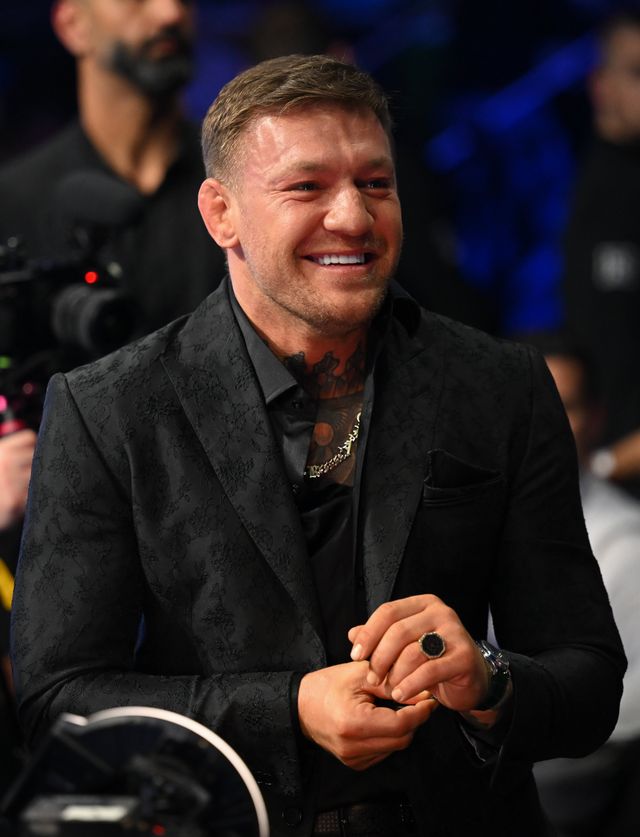
Stephen McCarthy//Getty Images
MH: What’s your take on the speculation around Conor gaining weight?
JK: When he was getting ready to film Roadhouse, [the nutritionist] had him on a stupid amount of calories and just lifting. Conor would do a lot of training which would naturally be high energy. A lot of calorie burning – very aerobic. A lot of sweating.
And then he went through a three-month period where he was doing no mixed martial arts training at all. Conor’s hyperactive, and overdoes whatever he’s doing. Sometimes good, sometimes bad. He does too much of it. And then suddenly he got into weight training and he just went on a three-month blast.
So you get Conor, that type of hyper-athlete and you just feed them and get them lifting heavy twice a day for three months. The weight packs on.
Chris Unger//Getty Images
MH: In preparation for the Roadhouse film, what sort of lifts was Conor doing and what was his diet like to gain weight?
JK: We’d be sticking to the simple lifts –deadlift, squat and bench. Probably he was a little bit hyper focused around the body and shoulder area because that looks good on camera. I’m sure there were a lot of shoulder presses.
The diet isn’t magic. It’s super low in sugar and getting the macros and all that kind of stuff in. But he’s a meat and potato type guy. He likes his steaks, his vegetables. He’s always been really good at that, even since way back in the day.
Even if we went out, let’s say there was a fight and we had a couple of drinks that night, a bit of a celebration. A lot of people binge on junk food the next day. Conor would wake up the next morning and he’s right back on the correct diet and getting the hydration in. He’s always been really good at that. We’d sometimes be stuck somewhere at a fast food place. He’d be like, ‘No, I’ll wait. I’ll wait two hours to get the proper nutrition in.’
MH: What are your future aspirations for Conor as a fighter?
JK: I think in the first half of next year we fight Chandler. We get a big win and then I suppose it’s like, how big of an itch does he have, will that scratch it? Is he done? Or does the itch grow and do we want to go for another belt? So I’m here for all of it.
He’s young enough. He’s healthy. He’s had the injuries and we’ve recovered. So his body is in good shape. His mind is as hyperactive and as passionate about sport as day one. So watch this space.
Kate is a fitness writer for Men’s Health UK where she contributes regular workouts, training tips and nutrition guides. She has a post graduate diploma in Sports Performance Nutrition and before joining Men’s Health she was a nutritionist, fitness writer and personal trainer with over 5k hours coaching on the gym floor. Kate has a keen interest in volunteering for animal shelters and when she isn’t lifting weights in her garden, she can be found walking her rescue dog.
It tends to be around this time of year, when the temperature dips and we realise we’re rapidly approaching cold and flu season, that we collectively get curious about the condition of our immune systems. We sift through memories to try and calculate the most recent occurrence of sickness, and refresh stores of multivitamin supplements on autopilot in an attempt to “boost” our immune systems.
The immune system, of course, is critically important – it fights noxious substances from external and internal sources to protect your body from harm, so it makes complete sense that you instinctively want to keep it in tip top condition. But, with so much conflicting information, it’s hard to tell the facts from the fluff when it comes to supporting your immune system.
To get clear on what can really be beneficial for your immune system in winter, we spoke to Renee McGregor, sports dietician and Women’s HealthCollective expert.
How can I protect my immune system in winter?
According to NICE, UK adults experience, on average, 2-3 colds per year – an illness that’s much more prevalent here during the winter months. Last year, researchers explored a new theory on why we get more colds in winter: that one of the immune responses may be less effective in cooler climes.
A study, which looked into the defence mechanism in the nasal cavity, found that a specific immune response – where, at the detection of assumed harmful bacteria, the nose releases extracellular vesicles; a spray that “swarms, bind and kills bacteria at the point of inhalation” – may be reduced in colder temperatures.
That said, there’s another very simple explanation for the recurring colds. ‘Generally, we get sicker during the winter months as we spend more time indoors in close proximity with each other,’ McGregor explains. ‘In addition, having our heating on means that all the viruses that are around can all be transmitted a lot easier than during the warmer months.’
So, aside from clearing your calendar until spring arrives, what can you do to reduce your chances of catching a cold?
Truth is: research tells us the most effective way to “boost” your immune system is through vaccination. Claims that supplements, and such, can strengthen your immune system are scientifically unfounded. According to McGregor, however, there are ways that you can support your immune system year-round.
‘Too-heavy exercise, poor sleep, stress, under-eating and dehydration can all depress your immune system so it’s about ensuring good practices,’ she urges. Sufficient sleep and fuelling your exercise well are among the habits she highly recommends for pursuing optimal health. ‘Also, listening to our body and not pushing it when you are tired and developing practices, such as mindfulness, that can help to manage stress are important.’ So too, she says, is staying hydrated. ‘Saliva is your first line of defence, thus, staying hydrated means you can maintain good saliva production.’
While supplements claiming to strengthen your immune system aren’t worth your cash, vitamins and minerals are important for overall health. The NHS advises everyone to consider taking a vitamin D supplement during autumn and winter. McGregor suggests taking a look at your probiotic intake, too. ‘A 12-week course of probiotics is shown to support your respiratory tract infection, especially in those that are physically active,’ she says. She also recommends having a varied and balanced diet with sufficient whole grains and plenty of colours.
Finally, being conscious of hygiene by washing your hands often and avoiding touching your face, especially when out and about, can help to reduce your chances of coming down with a cold – as while some germs are airborne, others can be picked up from contaminated surfaces.
The thing about dental insurance is that it isn’t really insurance — it’s more like a half-helpful discount plan with a maximum. And once you reach the maximum, you’re on your own, often to the tune of hundreds and thousands of dollars. As though going to the dentist needed to be less fun.
In the realm of all things health care, dental exists as a sort of overlooked stepchild. The American medical system doesn’t really consider dental care an essential service, despite mounds of evidence linking a healthy mouth to the well-being of the rest of the body, from better pregnancy outcomes to a healthier heart. Dentistry has always been siloed off.
Even if you do have dental benefits, they’re often less than beneficial. Insurers may cover 100 percent of a cleaning or a checkup, but once you get into other more complicated services, they start to cover less, so patients have to pick up some or much of the cost. Plans have annual maximums ranging between, say, $1,000 to $2,000, after which the insurance covers nothing.
“When you look at the dental insurance model, it doesn’t protect the patient from financial risk. It’s the opposite,” said Marko Vujicic, chief economist and vice president of the Health Policy Institute at the American Dental Association. “Once the benefit runs out, the $1,400 or whatever it is, all of that financial burden is on the patient. So it protects the insurer, they’re limited on their exposure.”
Imagine being told your health insurer will only pay for 50 percent of your heart bypass surgery, and that it only covers $10,000 of all your health services each year. That would be considered unacceptable in this day and age. But that’s what would happen if I needed a crown — my insurance covers half, and it only pays out $1,500 total all year. My dentist screwed up on a filling last year. It didn’t take long before I hit my limit.
None of this is to say you should nix dental insurance and just go it alone. Insurers are often able to get patients better prices for services than patients would get on their own, and a $1,500 help on dental costs isn’t nothing. It’s just hard not to look at the landscape and wonder whether it can’t be better.
Your mouth is definitely part of your body, and yet that’s not how America treats it
To back up a bit and then some, dentistry was for centuries performed by barber surgeons, which is pretty much what it sounds like — the guy who cut your hair also pulled your rotten tooth (and did a lot of procedures you’d probably prefer your hairdresser not get into anymore). Dentistry wasn’t recognized during the establishment of medical schools in the US in the 1700s and 1800s. Eventually, the country’s first dental school was founded in 1840.
“From the beginning of the modern era, there has been debate about dentistry’s proper place in the wider health system, but what has evolved is clear: Dental education, regulation, and practice are isolated from the rest of health care,” wrote Elizabeth Mertz, associate director of research at Healthforce Center at the University of California, San Francisco, in a 2016 paper on the dental-medical divide.
In the 1960s and 1970s, she notes, consumers largely paid their own dental costs, while most of the public had some sort of hospital or surgical insurance for medical care. A prepaid dental plan should incentivize dental visits, since it at least covers some of the costs. But it became a valid business model for insurers only after they realized that not everyone would take advantage of the benefit — people and employers would pay for the insurance but not necessarily go.
So today, America’s got a system where we separate out dental care into its own separate little realm. We then do the same with dental insurance and treat it like it serves a different purpose.
“Medical is structured to help you most when you’re sickest,” said Michael Adelberg, executive director of the National Association of Dental Plans, a trade group representing dental insurers. “Dental insurance is focused more on preventative care and helping people — many of whom are not naturally inclined to go to the dentist — get to the dentist by being most generous on preventative care and regular checkups.” Even though, again, having dental insurance doesn’t always equate to taking those biannual recommended trips to the dentist.
Medicaid and Medicare, designed in the 1960s, excluded dental services from coverage and continue to do so.
Dental isn’t included in regular Medicare, except for in specific circumstances where it’s considered part of some other medical procedure (like certain cardiac or organ transplant procedures). While 90 percent of Medicare Advantage plans offer some sort of dental coverage, the quality of that coverage can vary greatly. Patients often don’t realize the limitations on those add-on plans when signing up, so they think they’ve signed up for a robust service and ultimately all they’ve got covered are cleanings. “You have to read the fine print of the plan,” said Michelle Rosenberg, director of the Government Accountability Office’s health care team.
States are required to cover dental for all children in Medicaid. Most states offer at least emergency dental services for adults, but many don’t offer much beyond that. The Affordable Care Act declared pediatric dental care an essential health benefit (though it’s a little complicated, depending on the state), but it didn’t do much for adults. Untreated dental issues can result in some scary negative consequences, including gum disease and undiagnosed oral cancers.
Because dentistry isn’t governed as an essential service, there are a bunch of patient protection regulations that don’t apply, Vujicic explained. “Under the Affordable Care Act, we protected consumers from health care costs, we said you can’t be denied care because of pre-existing conditions, there’s a limit to how much a family is going to pay out of pocket each year for their medical care, it doesn’t matter how sick you get,” he said. “All of those things don’t apply in the dental world, because it’s not regulated as a core service. So we have a little bit of a Wild West when it comes to what type of insurance is out there.”
There are no heroes here, nor are there clear-cut villains
Study after study shows Americans with and without insurance forgo dental visits and treatments because it’s so expensive. That decision can wind up being even more costly — hundreds of thousands of people land in the ER each year because of often preventable dental conditions, costing, by one estimate, $2 billion.
There’s plenty of evidence that moving away from the status quo on dentistry and dental benefits would be a positive development for patients. One study found that low-income people who gained access to dental coverage through Medicaid did start to go to the dentist more. Another found that embedding dental coverage in medical plans (in this specific case for children) reduced costs for beneficiaries.
So what’s stopping change? There’s not a lot of political energy around addressing dental benefits, and when there is, there’s plenty of resistance among those who prefer the status quo.
“Organized dentistry itself has actively and expensively campaigned to keep things the way they are,” said Lisa Simon, a dentist and physician at Brigham and Women’s Hospital and Harvard Medical School. “There have been plenty of opportunities for dental insurance to be, more recently, integrated into Medicare and Medicaid in various ways, and those who have been vociferously opposed by many dentists.” Simon noted that many dentists still work in private practice with their own offices and tend to accept public insurance at low rates, if at all. “[They] tend to be very reactionary in any attempts to update the insurance industry,” she added.
In 2021, the ADA fought against a proposal from Democrats to provide dental coverage for all Medicare recipients under President Joe Biden’s Build Back Better agenda, arguing the focus should be on low-income seniors, not everyone.
“As an association, we’re not against it, it’s a question of how it’s structured,” said Mark A. Vitale, dentist based in New Jersey and the former chair of the council of government affairs at the American Dental Association. He said introducing dental benefits for everyone over 65 could be “cost prohibitive” for the federal government and noted that there are structural differences between the Medicare system and dentistry. “We use different codes, different qualifiers, different types of fee schedules.”
“The [ADA] is a trade group that defends the interests of its members who are private practice dentists who have done very well under the current system and have perceptions that Medicare may increase their administrative burden or provide lower reimbursement that they’re not interested in participating in,” Simon said.
The dental insurance industry is lightly regulated and on many measures would like things to remain that way. One recent battle has been over medical loss ratios (MLR), which measures how much of the revenue insurers get from premiums goes toward medical claims and improving care quality compared to, for example, administrative fees. The ACA required health insurers to keep their MLR to 80/20, but it didn’t touch dental.
In 2022, voters in Massachusetts said yes on a ballot initiative that would make dental insurers spend at least 83 percent of premiums on caring for and improving care for patients. Dentists are keen on MLR rules. Dental insurers and the NADP, which represents them, not so much. They argue low-premium products like dental insurance naturally have a higher percentage of their operating costs eaten up by costs that are fixed. “My industry views the application of a medical-level medical loss ratio on any low-premium products, without considering the fundamental economic differences of medical and dental, as just kind of silly,” Adelberg said.
One common theme here is that all parties involved would like more money in their pockets.
Some dentists also note that insurance maximums haven’t gone up in recent decades, even though the price of dentistry has. “Forty years ago, $1,500 bought you a lot of dentistry,” said Vitale. “Today, $1,500 doesn’t buy you a lot of dentistry. My question to the insurance carrier is why haven’t you increased the benefit level?”
The result of all of this is that going to the dentist — and paying for it — can be really hard to navigate
When people are picking out dental insurance plans, what they need to understand, really, is that it’s not insurance. Richard Manski, chair of dental public health at the University of Maryland’s School of Dentistry, said to think of it more like Amazon Prime — you hand the company money, and in return they go out into the marketplace, find sellers (in this case, providers), and try to get you deals that are better than what you would get in your own. “When you buy dental insurance, and you buy the kind of dental insurance where the dentist is part of a network, that means the dentist has agreed to a set pricing for all these procedures,” he said. “So even if the insurance company didn’t pay a dime for anything, you’re already getting back a really valuable service, which means you don’t have to negotiate with the dentist.”
Indeed, if you’ve got a painful tooth infection or something, you’re probably not in the position to talk discounts with the doc.
There are ways to strategize around dental care and insurance. If a patient hits their annual max, they can consider moving certain procedures to the following year. People can also try to decipher ahead of time whether dental insurance is even worth having. Say someone’s never had a cavity, just goes twice a year for a cleaning and checkup — the cost of that might be less than the insurance premium. Or maybe the insurance they’re offered doesn’t pay much or anything on more complex issues, anyway.
“I give talks on why you don’t need dental insurance to go to the dentist,” Vitale said. “Offices today will have office loyalty plans, they’ll have various financing modalities available.” He also noted people can try to negotiate discounts with their dentists, which, as mentioned, your mileage may vary on that one.
This scenario where people are supposed to try to anticipate what sort of care they’ll need and essentially hope it isn’t too much is far from ideal. It’s not realistic to expect people to try to do their own health care math, said Simon, “because it requires a level of such sophistication in terms of understanding health care pricing, health care access, and all these other things, which makes it super inequitable.” If English is someone’s second language, or they’re working multiple jobs, or the bus ride to the dentist is really long, deciphering the basics of insurance and whether it’s worth the financial burden is even harder to do. “That’s why one of the things that is so bad about the way our dental ‘insurance system’ works is that it’s really unjust for most people,” Simon said. “For anyone, but it works the worst for the people who need the most help.”
It’s worth noting that patients can also have a hard time deciphering what procedures they really even need at the dentist — some offices recommend the basics, it can feel like others suggest doing everything under the sun. (The Invisalign push at some dentists is real.) “The consumer has an obligation to press their provider and say to them, ‘Is this necessary?’” Manski said. “Patients should be much more involved in their caretaking decisions.”
Of course, all of this is easier said than done. Most people don’t have the time or energy to be gaming out their dental care or dental insurance, nor should they. From a patient perspective, it’s not hard to look at this and wonder whether there isn’t a better way to approach oral health in America than the way we do now. The thing is, a lot of that would require legislation and a different regulatory framework.
That might mean congressional action to expand dental coverage in Medicare and Medicaid. It’s something the dental community would likely resist, though Manski said he believes there’s some sort of deal both sides can probably “live with.” One could also envision ACA-like requirements that, for example, get rid of maximums on dental insurance and protect consumers from high costs. Dental, perhaps one day, could be covered as part of everyday medical insurance — once the country stops treating people’s teeth like some separate bodily entity.
Why Isn’t Traditional Chinese Medicine Commonly Used in the US?
U.S. clinical trials have not studied traditional Chinese herbs in lung cancer care to justify their use yet. Because mesothelioma is a rare cancer, no clinical trials on Chinese herbs for mesothelioma have occurred.
Certain herbs may be helpful for mesothelioma patients. But there is no scientific evidence on the value of Chinese herbs in mesothelioma. No studies have investigated the potential risks and side effects.
Mesothelioma patients should discuss any herb or natural remedy with their doctor prior to using it to make sure it is safe.
Chinese researchers have conducted such clinical trials for decades. They believe the evidence supports the use of Chinese herbs in cancer care. The use of medicinal herbs is an integral part of Chinese culture and treatment.
Many Chinese cancer patients begin taking astragalus before they receive chemotherapy. It often improves survival and lessens side effects. No high-quality studies of astragalus use in cancer patients have been conducted in the U.S.
Chinese Herbs and Lung Cancer Care
Approximately 133 Chinese herbs have been historically used in the treatment of lung cancer. The herbs used most frequently might have healing effects on lung tissue and may boost the immune system.
In 2013, PLoS One published a review of 24 Chinese clinical trials on non-small cell lung cancer.
The most commonly used herbs include:
Astragalus: Astragalus root appears to boost the immune system in clinical trials. Astragalus limits tumor growth and spreading. It reduces the immune-suppressing effects of chemotherapy. It may enhance the effects of platinum-based chemotherapy drugs like cisplatin and carboplatin. A 2012 study reported improved quality of life among lung cancer patients taking astragalus injection during chemotherapy with cisplatin and vinorelbine.
Nan Sha Shen: Research suggests it acts as an antibiotic and may help a dry cough with little phlegm. In 2010, a study injected the herb into the peritoneum. It reported a reduction in inflammation, vascular permeability and cancer-promoting compounds.
Gan Cao: Gan cao, also known as licorice root, acts as an expectorant that accelerates mucus secretion. Chinese medicine practitioners prescribe the herb to help coughing and shortness of breath.
Poria: Lung cancer patients experiencing edema may get some relief from poria. The herb has diuretic effects. It may reduce production of phlegm and may help insomnia patients sleep better. A 2013 study published in the Journal of Ehtnopharmacology found it effective at relieving edema in rats.
Oldenlandia Diffusa: This herb has shown anti-cancer and chemopreventative effects in laboratory and animal studies. In 2011, a mouse study reported reduced production of markers overexpressed in mesothelioma.
Asparagus Root: Evidence shows anti-cancer activity against leukemia and lung cancer. A 1998 mouse study found it limited tumor necrosis factor alpha, which causes inflammation.
Jin Fu Kang: Another common complementary therapy for lung cancer in China is jin fu kang. It is a blend of 12 herbal extracts including astragalus. It was developed at the Shanghai University of Traditional Chinese Medicine for the treatment of lung cancer. The formula was tested for decades and was approved by the Chinese drug administration in 1999. It increases survival rates when compared to chemotherapy treatment alone.
Yangzheng Xiaoji: Another herbal blend that is used to treat lung cancer is yangzheng xiaoji. It is a formula of 14 herbs traditionally used to treat cancer in Chinese medicine. A 2013 test tube study found that it may limit the spread of cancer cells. And it works synergistically with chemotherapy. A 2015 study found it reduced the spread of lung cancer cells in a laboratory setting.
Find a Mesothelioma Cancer Center
Access top mesothelioma cancer centers that have experience treating this rare disease.
Benefits, Risks Remain Unknown in US Clinical Trials
Clinical trials on herbal medicine in cancer care are uncommon in the U.S, and this contributes to a lack of scientific consensus in America.
For example, a 2022 study conducted in China compared the effects of combining traditional Chinese medicine herbal remedies with chemotherapy in cervical cancer patients. A control group received only chemotherapy, while an observation group received both chemotherapy and herbal remedies.
The observation group that received herbal remedies had better immune system cell counts and experienced fewer adverse reactions to chemotherapy. These kinds of studies have yet to be conducted in the United States.
In 2013, BioMed Central Complementary and Alternative Medicine, a British medical journal, published a review of nearly 3,000 Chinese clinical trials on cancer dating back to 1911 and reported that 72% of the studies combined conventional cancer treatment with traditional Chinese medicine.
The most frequently reported benefits of Chinese medicine in these cancer studies included:
Clinical symptom improvement (56%)
Biomarker level improvement (42%)
Quality of life improvement (38%)
Reduction of treatment side effects (37%)
Reduced tumor size (29%)
Some of the risks and side effects reported in the study included:
Allergic reactions
Herb-drug interactions
Liver damage
Genetic damage
Poisoning from improperly prepared herbs
Until the U.S. invests in clinical trials on the effects of Chinese medicine in cancer care, the scientific consensus will remain unclear. For now, most U.S. doctors refrain from recommending herbs to cancer patients because of a lack of research on proper dosing, drugs interactions and potential side effects.
Working with a Practitioner
Before working with a Chinese medicine practitioner, it’s important for cancer patients to know that most Chinese medicine practitioners are not licensed medical doctors in the U.S. They may be referred to as a traditional Chinese medicine doctor, but unless they went through conventional medical school, training and licensing in the U.S., they are not considered a licensed medical doctor in the United States.
Because most Chinese medicine practitioners do not have a formal medical background, they haven’t received the in-depth training that an oncologist has received to diagnose and treat cancer patients. For this reason, it is important for cancer patients considering herbal medicine to discuss it with their oncologist first.
Your oncologist can warn you of potential drug interactions or unwanted side effects that may come with herbal medicine. Print out any research you found on the herbs you’d like to take and bring them to your oncologist to review.
For patients who do choose to learn more about Chinese medicine after consulting with their oncologist, working with a licensed Chinese medicine practitioner can make the process of obtaining and taking Chinese herbs easier for patients. Experienced practitioners not only know the best sources for Chinese herbs, they can also blend each patient’s unique prescription of various herbs into one capsule to simplify administration.
The intricacies of Chinese herbal medicine and how specific herbs are prescribed to each individual patient is highly personalized.
The Chinese medicine practitioner considers many individual aspects of each patient before prescribing herbs.
Examples may include:
A complete medical history of the patient along with a full assessment of their current state of health.
An examination of your tongue or the outside of your ear. The latter is a part of acupuncture philosophy.
Many details about your health will be collected and considered when deciding which herbs to prescribe. As a result, it isn’t highly recommended for someone to start taking Chinese herbs without consulting an experienced practitioner.