Home Blog Page 40

Treating Lung Cancer with Traditional Chinese Medicine

0
Treating Lung Cancer with Traditional Chinese Medicine

Why Isn’t Traditional Chinese Medicine Commonly Used in the US?

U.S. clinical trials have not studied traditional Chinese herbs in lung cancer care to justify their use yet. Because mesothelioma is a rare cancer, no clinical trials on Chinese herbs for mesothelioma have occurred.

Certain herbs may be helpful for mesothelioma patients. But there is no scientific evidence on the value of Chinese herbs in mesothelioma. No studies have investigated the potential risks and side effects.

Mesothelioma patients should discuss any herb or natural remedy with their doctor prior to using it to make sure it is safe.

Chinese researchers have conducted such clinical trials for decades. They believe the evidence supports the use of Chinese herbs in cancer care. The use of medicinal herbs is an integral part of Chinese culture and treatment.

Many Chinese cancer patients begin taking astragalus before they receive chemotherapy. It often improves survival and lessens side effects. No high-quality studies of astragalus use in cancer patients have been conducted in the U.S.

Chinese Herbs and Lung Cancer Care

Approximately 133 Chinese herbs have been historically used in the treatment of lung cancer. The herbs used most frequently might have healing effects on lung tissue and may boost the immune system.

In 2013, PLoS One published a review of 24 Chinese clinical trials on non-small cell lung cancer.

The most commonly used herbs include:

  • Astragalus: Astragalus root appears to boost the immune system in clinical trials. Astragalus limits tumor growth and spreading. It reduces the immune-suppressing effects of chemotherapy. It may enhance the effects of platinum-based chemotherapy drugs like cisplatin and carboplatin. A 2012 study reported improved quality of life among lung cancer patients taking astragalus injection during chemotherapy with cisplatin and vinorelbine.

  • Nan Sha Shen: Research suggests it acts as an antibiotic and may help a dry cough with little phlegm. In 2010, a study injected the herb into the peritoneum. It reported a reduction in inflammation, vascular permeability and cancer-promoting compounds.

  • Gan Cao: Gan cao, also known as licorice root, acts as an expectorant that accelerates mucus secretion. Chinese medicine practitioners prescribe the herb to help coughing and shortness of breath.

  • Poria: Lung cancer patients experiencing edema may get some relief from poria. The herb has diuretic effects. It may reduce production of phlegm and may help insomnia patients sleep better. A 2013 study published in the Journal of Ehtnopharmacology found it effective at relieving edema in rats.

  • Oldenlandia Diffusa: This herb has shown anti-cancer and chemopreventative effects in laboratory and animal studies. In 2011, a mouse study reported reduced production of markers overexpressed in mesothelioma.

  • Asparagus Root: Evidence shows anti-cancer activity against leukemia and lung cancer. A 1998 mouse study found it limited tumor necrosis factor alpha, which causes inflammation.

  • Jin Fu Kang: Another common complementary therapy for lung cancer in China is jin fu kang. It is a blend of 12 herbal extracts including astragalus. It was developed at the Shanghai University of Traditional Chinese Medicine for the treatment of lung cancer. The formula was tested for decades and was approved by the Chinese drug administration in 1999. It increases survival rates when compared to chemotherapy treatment alone.

  • Yangzheng Xiaoji: Another herbal blend that is used to treat lung cancer is yangzheng xiaoji. It is a formula of 14 herbs traditionally used to treat cancer in Chinese medicine. A 2013 test tube study found that it may limit the spread of cancer cells. And it works synergistically with chemotherapy. A 2015 study found it reduced the spread of lung cancer cells in a laboratory setting.

Find a Mesothelioma Cancer Center

Access top mesothelioma cancer centers that have experience treating this rare disease.

Benefits, Risks Remain Unknown in US Clinical Trials

Clinical trials on herbal medicine in cancer care are uncommon in the U.S, and this contributes to a lack of scientific consensus in America.

Chinese herbal medicine organized in storage cabinet

For example, a 2022 study conducted in China compared the effects of combining traditional Chinese medicine herbal remedies with chemotherapy in cervical cancer patients. A control group received only chemotherapy, while an observation group received both chemotherapy and herbal remedies.

The observation group that received herbal remedies had better immune system cell counts and experienced fewer adverse reactions to chemotherapy. These kinds of studies have yet to be conducted in the United States.

In 2013, BioMed Central Complementary and Alternative Medicine, a British medical journal, published a review of nearly 3,000 Chinese clinical trials on cancer dating back to 1911 and reported that 72% of the studies combined conventional cancer treatment with traditional Chinese medicine.

The most frequently reported benefits of Chinese medicine in these cancer studies included:

  • Clinical symptom improvement (56%)

  • Biomarker level improvement (42%)

  • Quality of life improvement (38%)

  • Reduction of treatment side effects (37%)

  • Reduced tumor size (29%)

Some of the risks and side effects reported in the study included:

  • Allergic reactions

  • Herb-drug interactions

  • Liver damage

  • Genetic damage

  • Poisoning from improperly prepared herbs

Until the U.S. invests in clinical trials on the effects of Chinese medicine in cancer care, the scientific consensus will remain unclear. For now, most U.S. doctors refrain from recommending herbs to cancer patients because of a lack of research on proper dosing, drugs interactions and potential side effects.

Working with a Practitioner

Before working with a Chinese medicine practitioner, it’s important for cancer patients to know that most Chinese medicine practitioners are not licensed medical doctors in the U.S. They may be referred to as a traditional Chinese medicine doctor, but unless they went through conventional medical school, training and licensing in the U.S., they are not considered a licensed medical doctor in the United States.

Because most Chinese medicine practitioners do not have a formal medical background, they haven’t received the in-depth training that an oncologist has received to diagnose and treat cancer patients. For this reason, it is important for cancer patients considering herbal medicine to discuss it with their oncologist first.

Your oncologist can warn you of potential drug interactions or unwanted side effects that may come with herbal medicine. Print out any research you found on the herbs you’d like to take and bring them to your oncologist to review.

For patients who do choose to learn more about Chinese medicine after consulting with their oncologist, working with a licensed Chinese medicine practitioner can make the process of obtaining and taking Chinese herbs easier for patients. Experienced practitioners not only know the best sources for Chinese herbs, they can also blend each patient’s unique prescription of various herbs into one capsule to simplify administration.

The intricacies of Chinese herbal medicine and how specific herbs are prescribed to each individual patient is highly personalized.

The Chinese medicine practitioner considers many individual aspects of each patient before prescribing herbs.

Examples may include:

  • A complete medical history of the patient along with a full assessment of their current state of health.

  • An examination of your tongue or the outside of your ear. The latter is a part of acupuncture philosophy.

Many details about your health will be collected and considered when deciding which herbs to prescribe. As a result, it isn’t highly recommended for someone to start taking Chinese herbs without consulting an experienced practitioner.

25 Easy High-Protein Meals – Meals for High Protein Diet

0
25 Easy High-Protein Meals – Meals for High Protein Diet

Our product picks are editor-tested, expert-approved. We may earn a commission through links on our site. Why Trust Us?

1

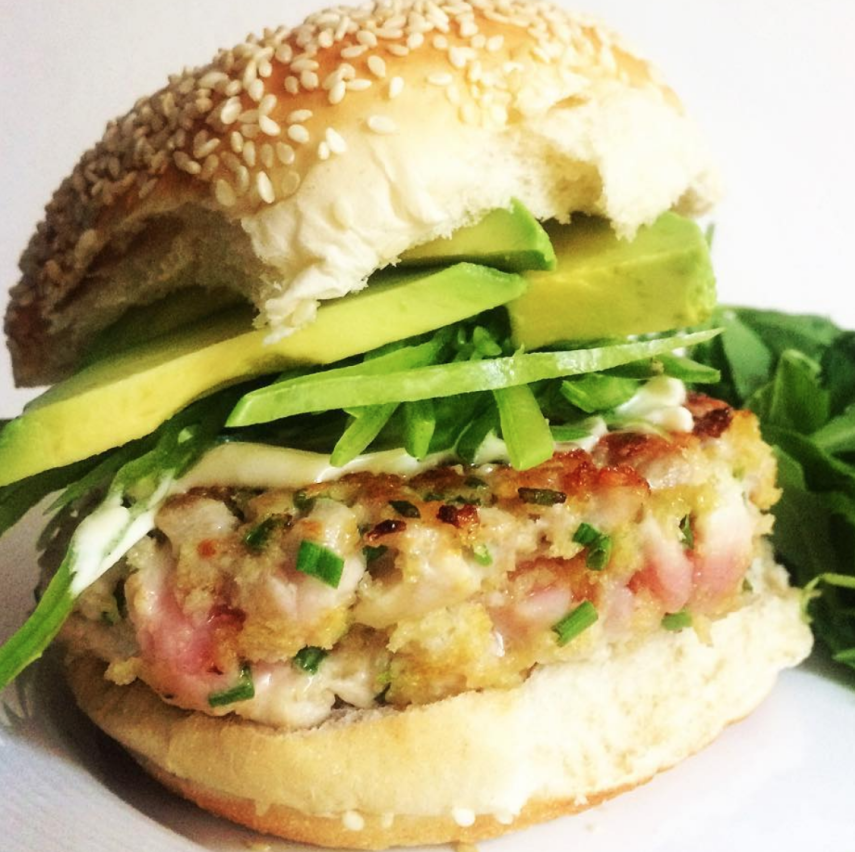
Tuna Burgers

Paul Kita

Firm, seared tuna. Creamy, spicy mayo. Crisp, crunchy snap peas. This burger has it all—except the beef—and you’ll be totally okay with that. Click here to watch how to make it.

2

Spicy Pork Chops with Pineapple

mitch mandel men's health a man a pan a plan
Mitch Mandel

The chili powder, chipotle, ancho, and cayenne combine into firestorm of heat, tempered only by the enhanced sweetness of fresh pineapple rings grilled in pork juices. With a little mint and sea salt on top, it’s hearty and light all at once. Check out the video on how to make it.

3

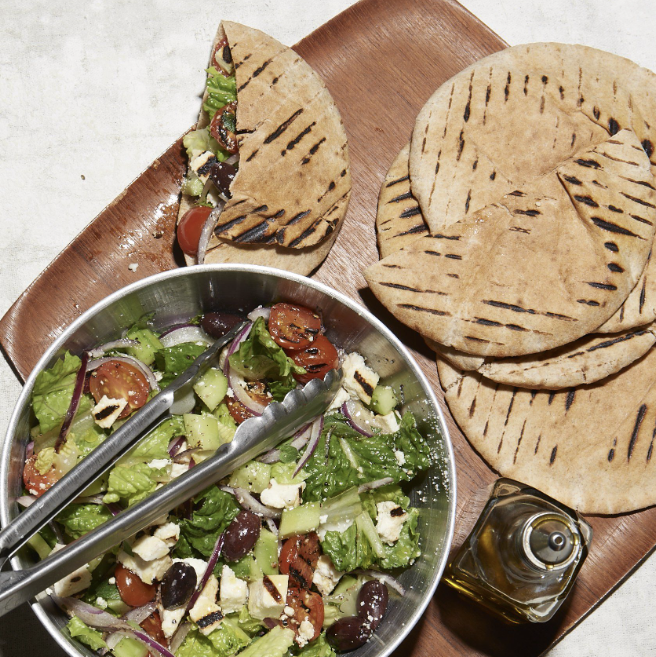
Grilled Greek Salad

a plate of food
Mitch Mandel

The lettuce is grilled. The high-protein halloumi cheese is grilled. The tomatoes and pita are even grilled. And the recipe is right here.

Advertisement – Continue Reading Below

4

Jalapeno Popper Chicken

Dish, Food, Cuisine, Ingredient, Comfort food, Produce, Side dish, Recipe, Rollatini, Chicken meat,
Cast Iron Keto

Inspired by everyone’s favorite tailgate food, this inventive recipe from Cast Iron Keto isn’t your average chicken dinner. The chicken breasts are stuffed with jalapeño and two different kinds of cheese, each of which bring extra filling power to the dish. And it’s all wrapped up in a couple strips of bacon.

5

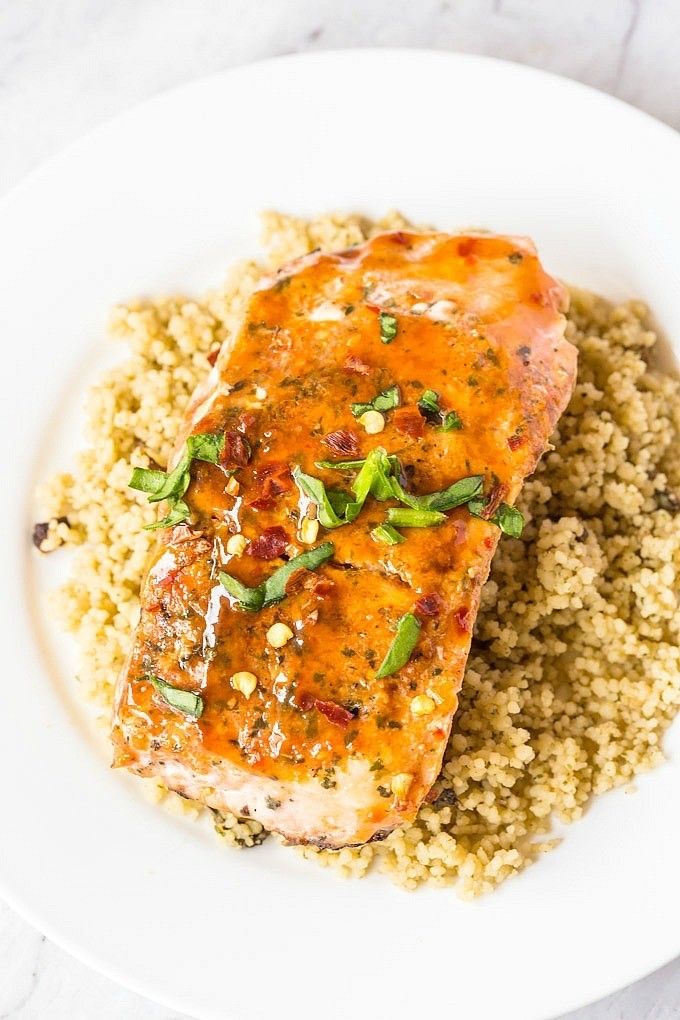
Sweet Chili Salmon

Cuisine, Food, Dish, Couscous, Ingredient, Chicken meat, Produce, Piccata, Recipe, Staple food,
The Big Man’s World

Topped with chili sauce, sesame oil, and liquid aminos, this flavorful fish recipe from The Big Man’s World strikes a perfect balance between sweet and spicy. And even though it sounds gourmet, you can cook it in just 10 minutes, so it’s a quick and easy option that tastes chef-ier than it actually is.

6

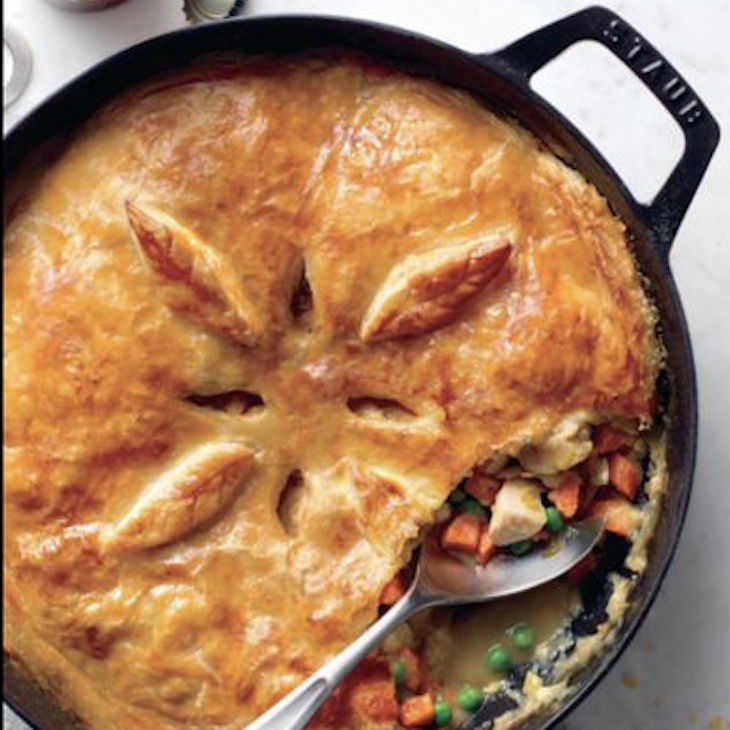
Chicken Pan Pie

a man, a pan, a plan 100 delicious  nutritious onepan recipes you can make right now a cookbook
Travis Rathbone

That’s right—a pan, not a pot. You’ll enjoy 30-plus grams of protein per serving from the chicken, plus a hearty does of vegetables AND oodles and oodles of deliciousness. Check it out here.

Advertisement – Continue Reading Below

7

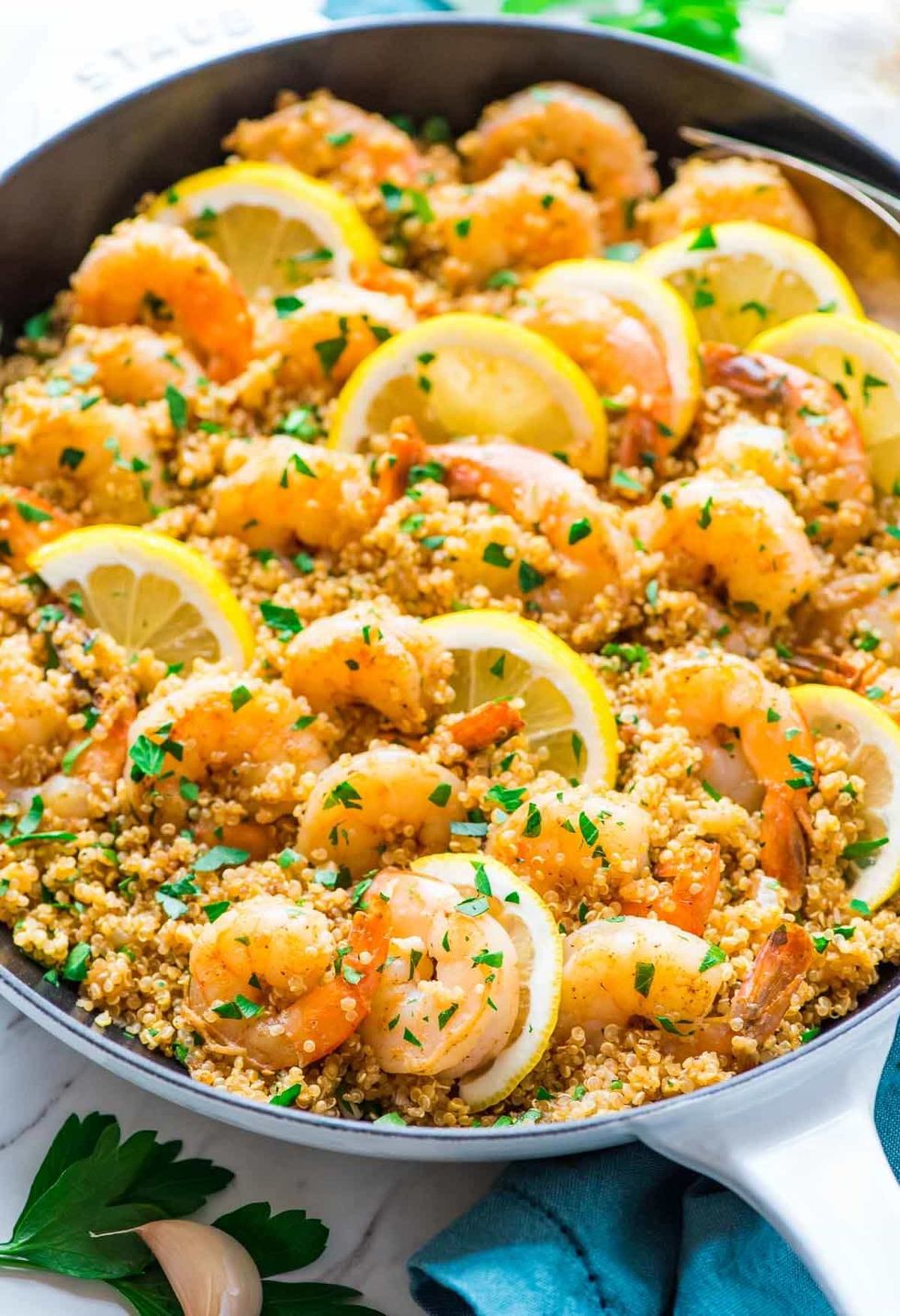
Garlic Shrimp with Quinoa

Dish, Food, Cuisine, Ingredient, Produce, Rice, Paella, Staple food, Side dish, Recipe,
Well Plated

This flavorful garlic shrimp and quinoa recipe from Well Plated is made with just one skillet, so it doesn’t require a ton of cleanup. Plus, shrimp are one of the leanest protein sources around, and quinoa is also high in protein as far as grains are concerned, so it’s a great choice for a filling dinner.

8

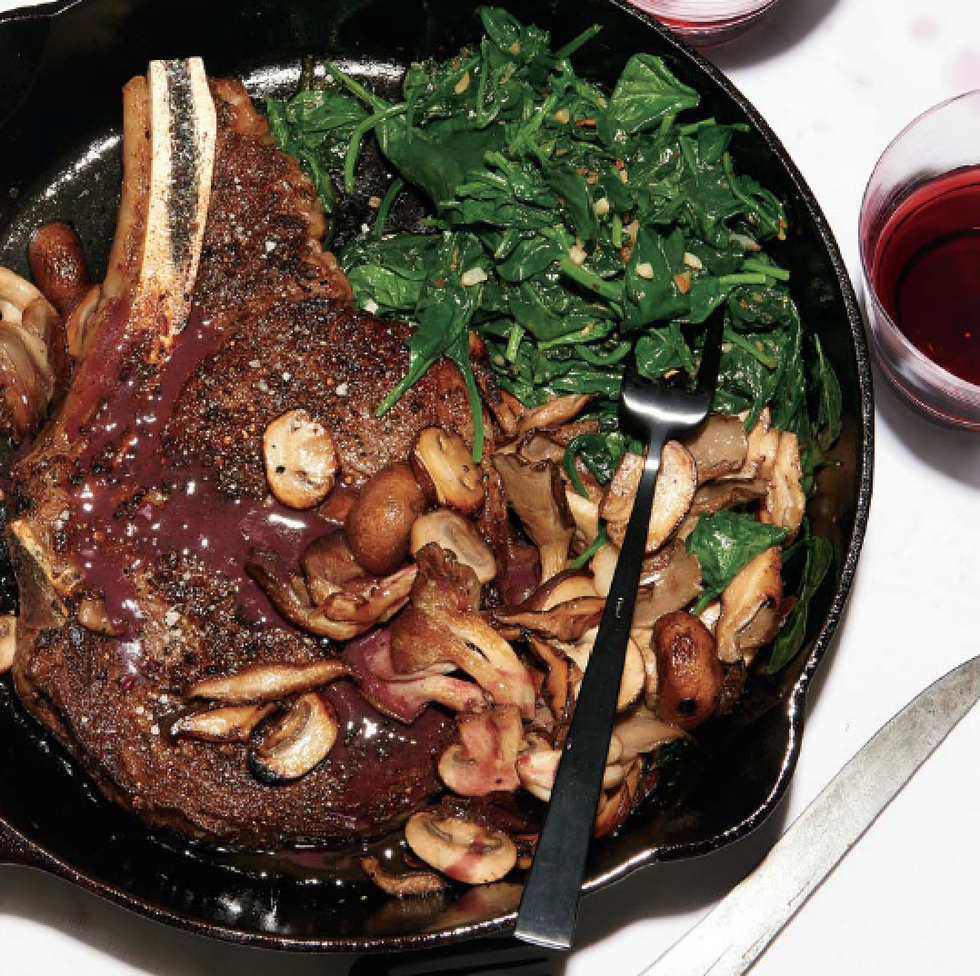
Steak Dinner

a man, a pan, a plan 100 delicious  nutritious onepan recipes you can make right now a cookbook
Mitch Mandel

Okay, maybe this one is obvious, but this is like no steak dinner you’ve ever had before—let alone cooked. You make everything—the steak, the garlic spinach, and the sauteed mushrooms—all in one pan. All protein. Less mess. Get after it.

9

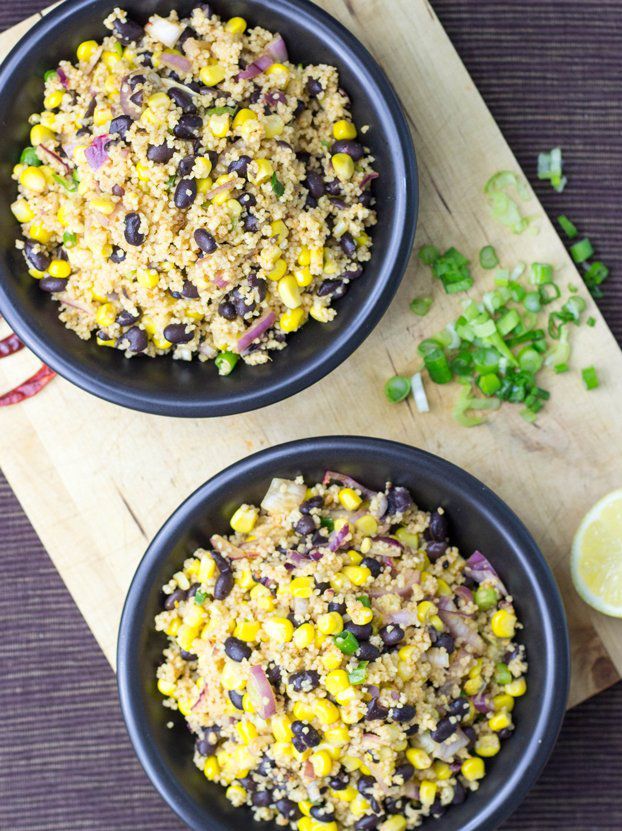
Black Bean and Corn Salad

Food, Cuisine, Dish, Ingredient, Couscous, Superfood, Produce, Vegetable, Vegetarian food, Rice,
Hurry the Food Up

Aside from the chewy couscous (or quinoa if you prefer it), this is a no-cook recipe, so it’s ideal for scorching end-of-summer days when you don’t want to turn on your oven. But even in cooler weather, this salad from Hurry The Food Up is an easy, colorful way to get in some vegetarian protein. It also makes for a great meal-prep lunch that you don’t have to heat up.

Advertisement – Continue Reading Below

10

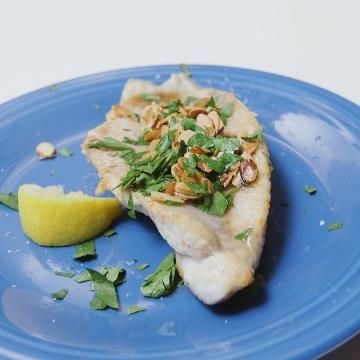
Catfish Almondine

a plate with food on it
Michael Sneeden

This fast fish dish loads up on protein, features a scattering of heart-healthy nuts, and tastes really good with boiled potatoes and a simple salad. Check out how to make it here.

11

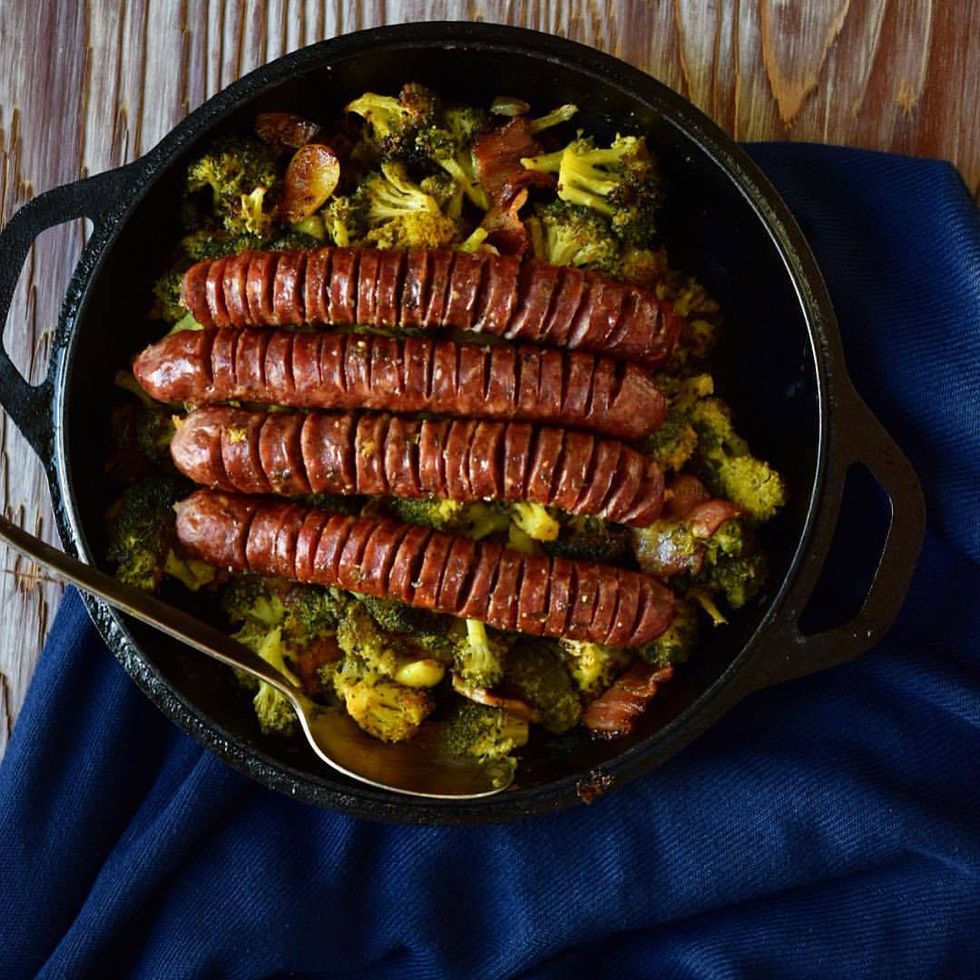
Sausage With Brussels Sprouts

Dish, Food, Cuisine, Ingredient, Produce, Recipe, Mixed grill, Leaf vegetable, Vegetable, Sarma,
Castaway Kitchen

This recipe from The Castaway Kitchen combines both bacon and sausage in one dinner. The Brussels sprouts brings some green to your plate, along with the anti-inflammatory power of turmeric.

12

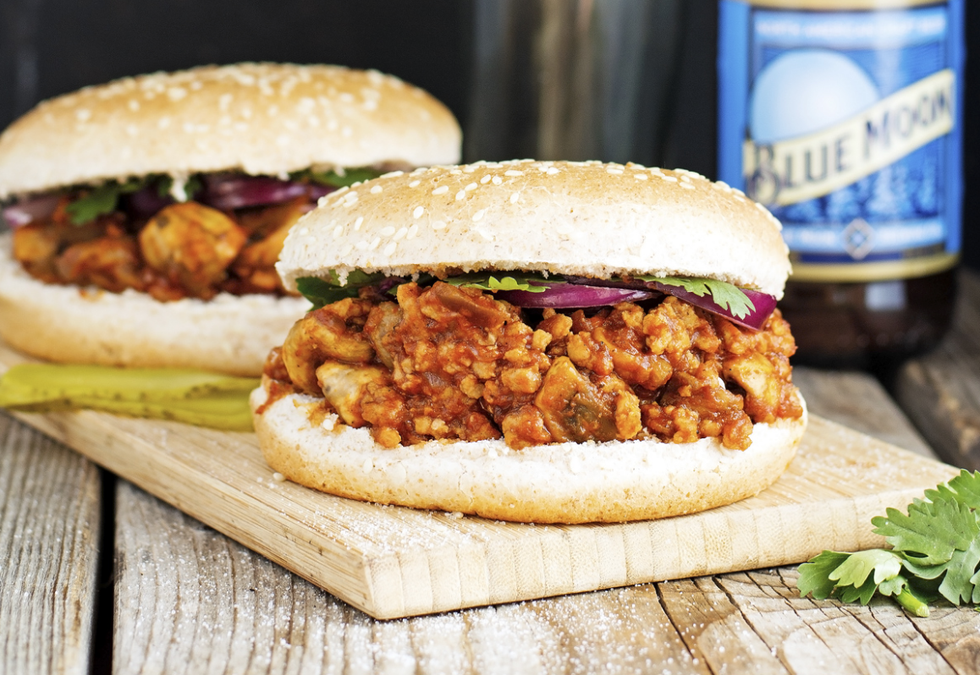
Turkey Sloppy Joes

the iron you sloppy joes
The Iron You

These Sloppy Joes call for ground turkey instead of ground beef, making it a lighter version of one of the manliest comfort foods around. This version from The Iron You also sneaks in some vegetables by adding mushrooms and onions to the mix. Adjust the spices to your liking, and turn it up a notch with extra chili powder.

Advertisement – Continue Reading Below

13

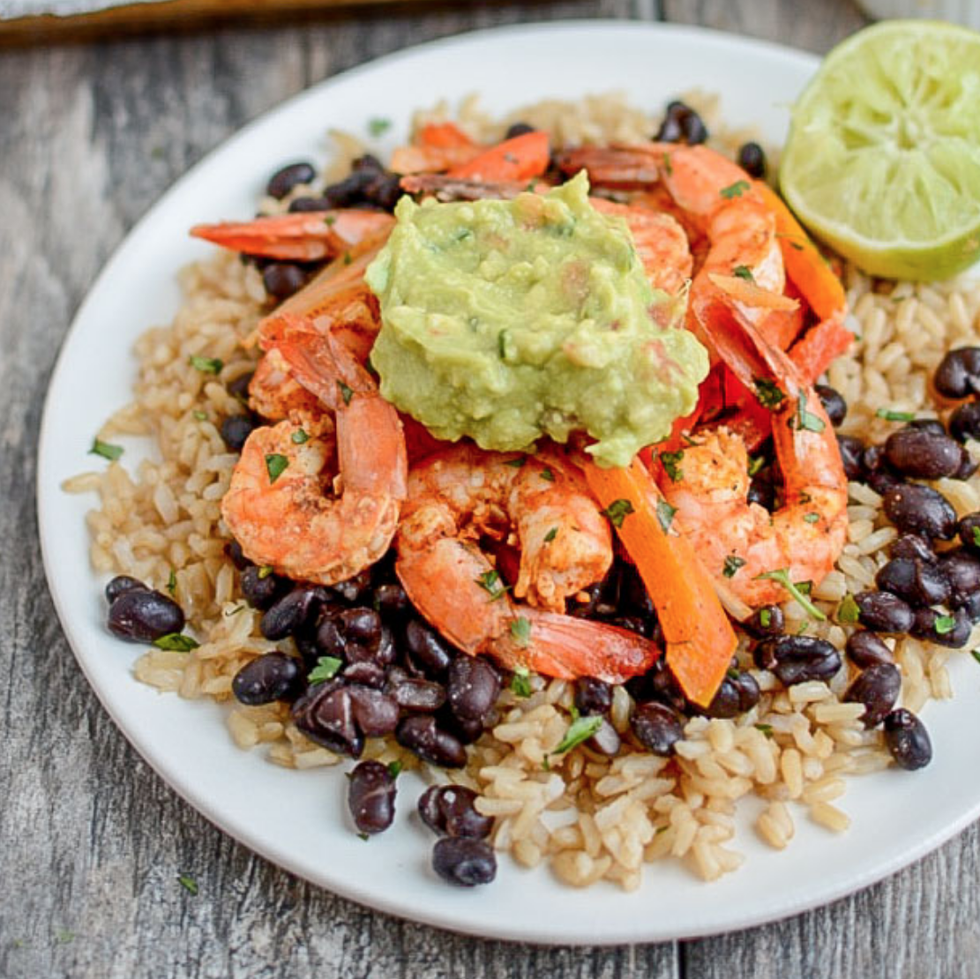
Sheet Pan Shrimp Fajitas

the lean green been shrimp fajitas
The Lean Green Bean

Move over, Taco Tuesday: Fajita Friday is here with this simple recipe from The Lean Green Bean. Shrimp and black beans bring the protein, and you can top ’em off with your-go to fajita fixings like guac and salsa. Serve over brown rice or wrapped up in a soft tortilla.

14

Sun-Dried Tomato Alfredo

a saucy kitchen sun dried tomato alfredo
A Saucy Kitchen

It’s hard to believe this decadent dish from A Saucy Kitchen is vegan—and high in protein. The secret is the chickpea pasta, which is having a moment right now. (Try a brand like Banza; buy it here). Almond milk, tomato paste, and vegan parmesan bring the creamy sauce together.

15

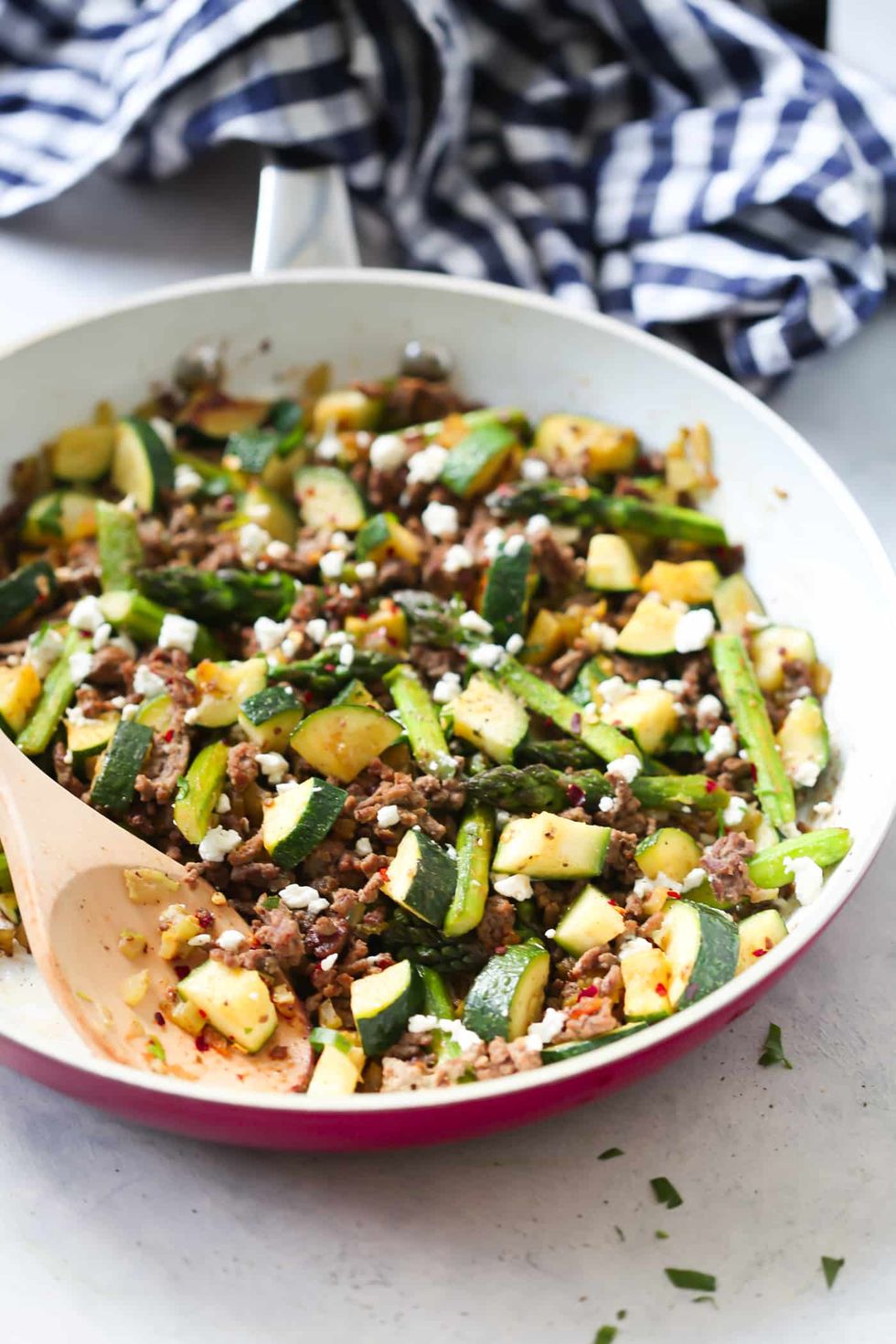
Ground Beef and Vegetable Skillet

Dish, Food, Cuisine, Ingredient, Vegetable, Salad, Superfood, Produce, Vegetarian food, Couscous,
Primavera Kitchen

This one-pan meal from Primavera Kitchen pairs ground beef with onions, bell pepper, zucchini, and asparagus. It’s filling enough to eat on its own; you can also pair it with whole-grain pasta or cauliflower rice.

Advertisement – Continue Reading Below

16

Skillet Zucchini Lasagna

Dish, Food, Cuisine, Ingredient, Comfort food, Produce, Recipe, Cauliflower cheese, Casserole, Strata,
Health Starts In the Kitchen

Created by Health Starts In The Kitchen, this decadent lasagna gets its protein from hot Italian sausage, ricotta, and mozzarella cheese. It cuts back on the carbs by subbing lasagna noodles for ribbons of zucchini, so it’s filling without being absurdly heavy. Mushrooms give the dish an extra boost of vegetables.

17

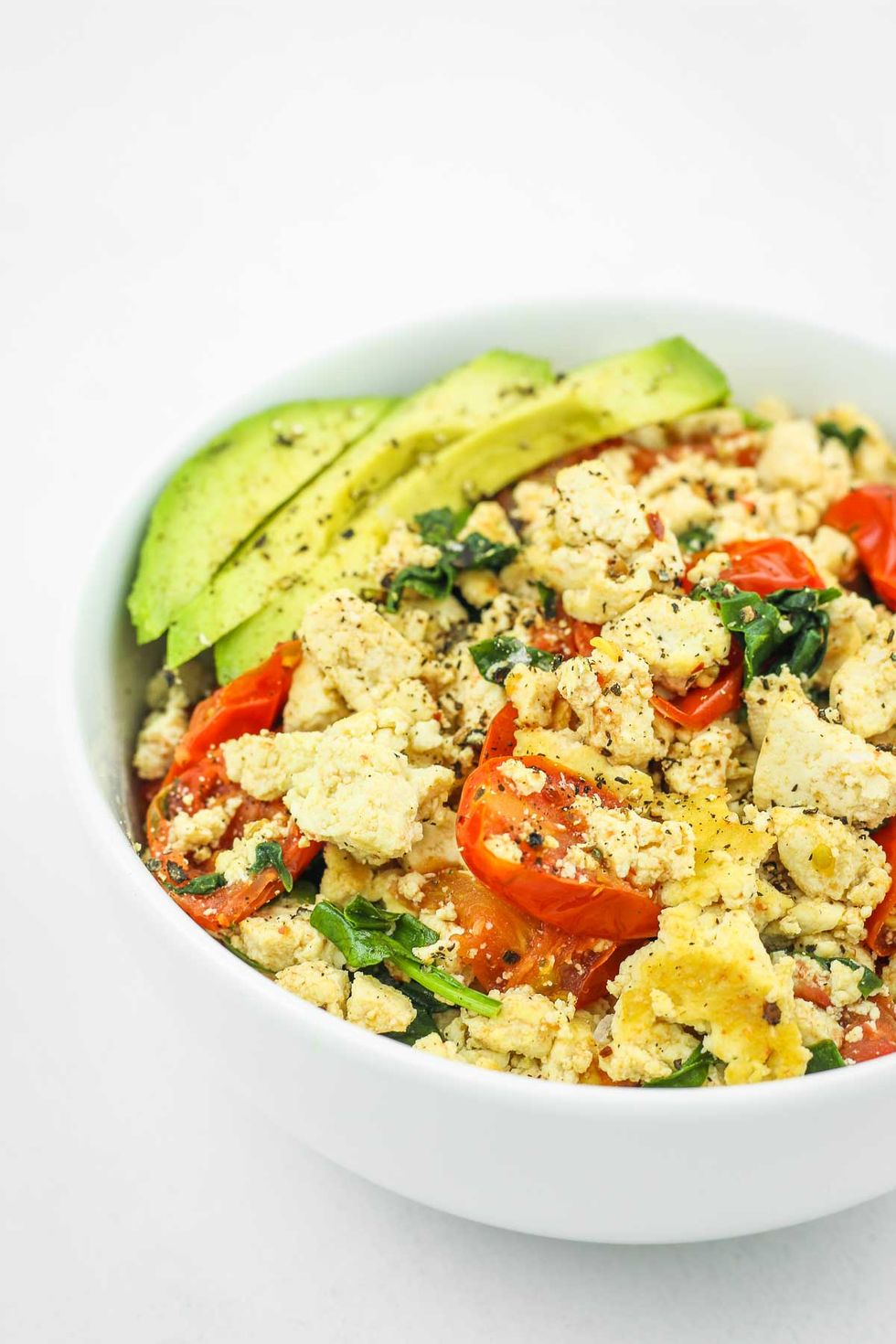
Tofu Scramble

Dish, Food, Cuisine, Couscous, Thai fried rice, Ingredient, Rice, Produce, Fried rice, Risotto,
The Fitchen

This recipe from The Fitchen is made with tomatoes, spinach, and avocado, and it only takes 15 minutes to whip up. While it’s technically a breakfast dish, this scramble doubles a quick dinner option whether you’re a vegetarian, vegan, or a meatless Monday devotee, or even none of those things.

18

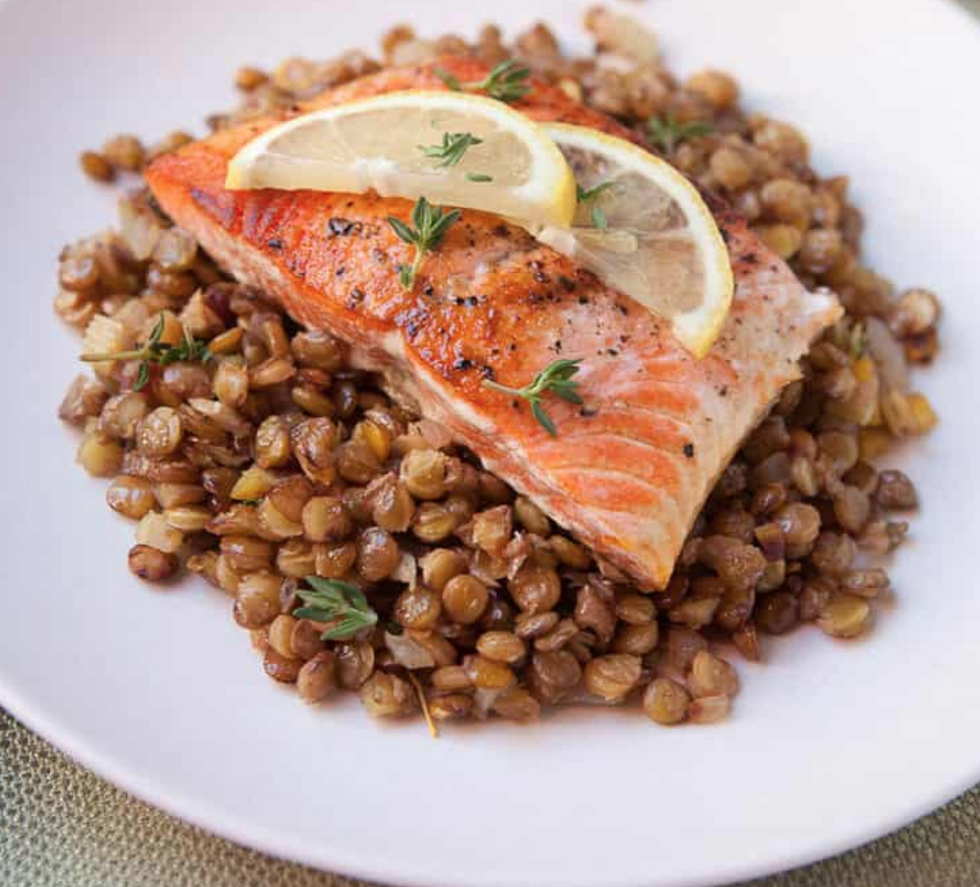
Salmon with Lentils

macheesmo lentils and salmon
Macheesmo

This recipe from Macheesmo advocates for keeping the salmon simple: basically, salt, pepper, and a little olive oil are all you need. Add flavorful mix-ins to the lentils, such as onion, celery, carrot, and capers.

Advertisement – Continue Reading Below

19

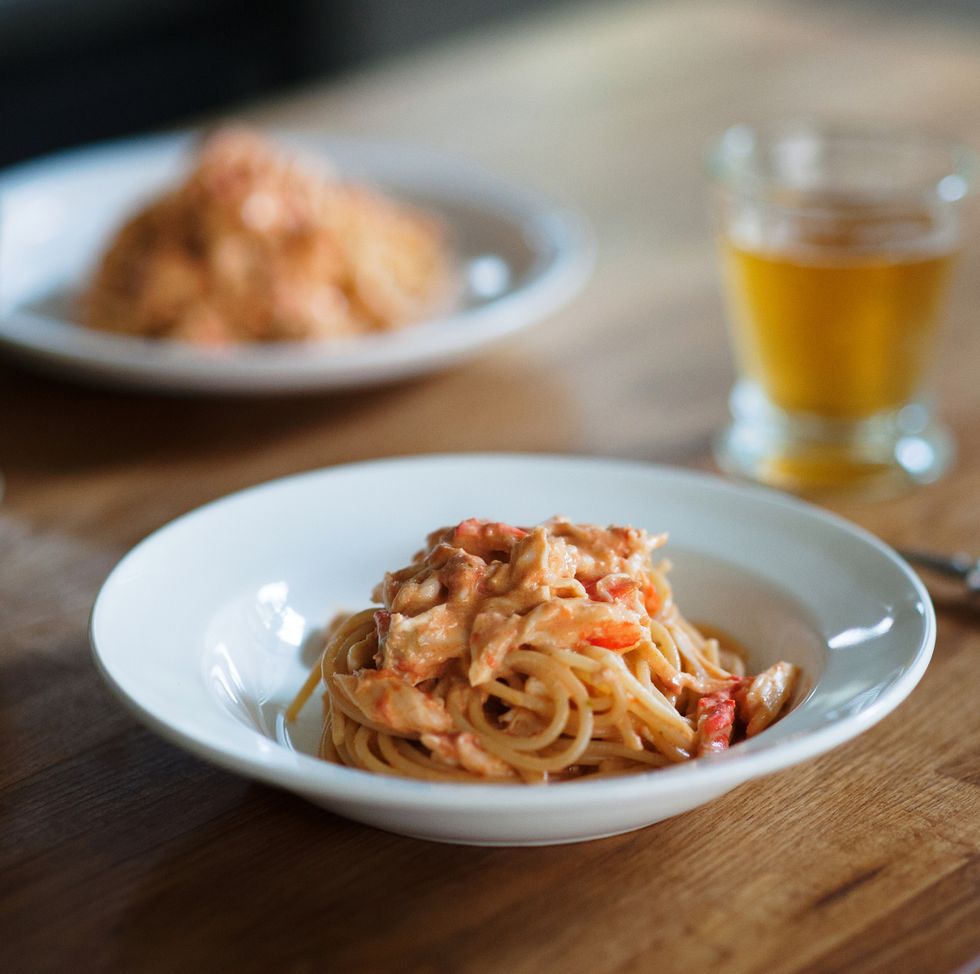
Crab Scampi

a snapshot of spaghetti lunch tomato cream pasta with king crab on a white plate, a glass of beer, and a wooden handle folk
moriyu

Yes! Pasta! And crab—jumbo lump–which is loaded with protein. Not to mention a whole sea’s worth of deliciousness. The recipe? Click here.

20

Southwest Bean Bake

Dish, Food, Cuisine, Ingredient, Comfort food, Casserole, Baked ziti, Produce, Staple food, Recipe,
Pinch of Yum

This dish from Pinch Of Yum is a Tex-Mex feast. Ground turkey, black beans, Monterey Jack cheese, and bacon bits make it a protein-packed dinner option.

Headshot of Alexa Tucker

Alexa is a Denver-based contributor who covers all things lifestyle, wellness, travel, home, and beauty. When she’s not writing, you can find her sweating it out at boxing or Pilates, planning her next travel adventure, or drinking red wine.

Headshot of Paul Kita

Paul is the Food & Nutrition Editor of Men’s Health. He’s also the author of two cookbooks: Guy Gourmet and A Man, A Pan, A Plan.

Headshot of Perri O. Blumberg

Perri is a New York City-born and -based writer; she holds a bachelor’s in psychology from Columbia University and is also a culinary school graduate of the plant-based Natural Gourmet Institute, which is now the Natural Gourmet Center at the Institute of Culinary Education. Her work has appeared in the New York Post, Men’s Journal, Rolling Stone, Oprah Daily, Insider.com, Architectural Digest, Southern Living, and more. She’s probably seen Dave Matthews Band in your hometown, and she’ll never turn down a bloody mary. Learn more at VeganWhenSober.com.


preview for Men's Health US Section - All Sections & Videos

Advertisement – Continue Reading Below

Advertisement – Continue Reading Below

How to Make a Successful Mid-Career Change, Per 5 Innovators Who Did It

0
How to Make a Successful Mid-Career Change, Per 5 Innovators Who Did It

THIS NEW LONGEVITY trend is making many men realize that if you’re 50 or 60 and healthy, you may live another 30 or 40 more years. It’s creating a new breed of people who are staying engaged longer in different ways, and planning for the reality that that playing golf or hanging out with family and friends isn’t sustainable for the many decades ahead. Some guys may choose to stay longer in their professions or companies in existing or part-time roles and develop side-gigs. Others may seek more radical change, whether its going back to school or finding opportunities that harness the skills they already have. It just takes some imagination and self-discovery to get you there and to write your new script for your life. Now, various organizations are cropping up—mid-life career fixers in many fields—that can to help make the transition a little less stressful.

1. Want a mid-career internship? Try CoGenerate

CoGenerate, a national nonprofit focused on bridging the generational divides in the workforce, offers “midlife internships,” or a gap year for grown-ups, says founder and co-CEO Marc Freedman. Through what they call their Encore fellowships, the organization helps people transitioning from a full-time job into whatever’s next by pairing them with nonprofits for a half-year project full-time or a full-year project half-time. (Yup. It’s kind of like a paid internship.) “For many people who are figuring out what to do next, an encore fellowship allows them to use their knowledge and experience and try something else in the real world, particularly in social impact,” says Freedman.

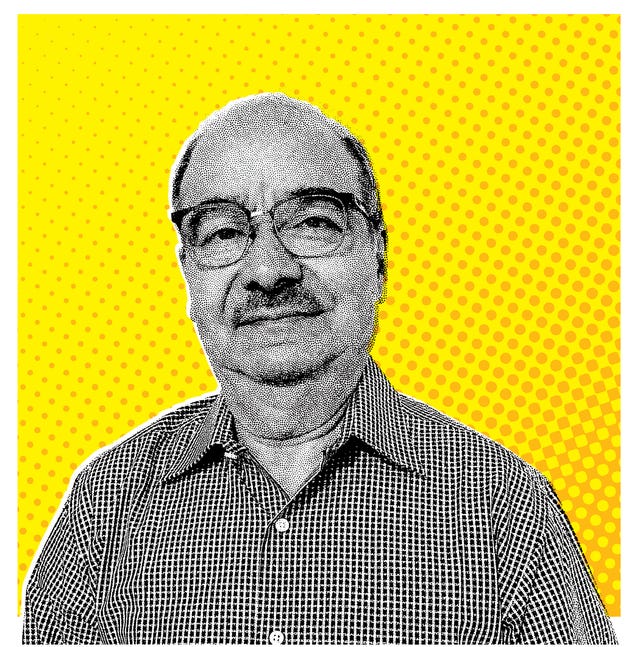
Meet Vijay Dhar, Encore fellow

Dhar, who studied semiconductors in his native India, spent a long, successful career at many companies, including Intel. At 66, he decided to retire from his full-time position and apply for an Encore fellowship. His work through the internship made possible the launch of Li-Bridge, a profit/nonprofit collaboration working in the domestic supply chain for lithium-based batteries. Today, at 70, he is a full-time employee there, contributing to what he calls “mission-oriented innovation.” He is teaming up with the FCAB (Federal Consortium for Advanced Batteries), which includes the Department of Defense and state EPA groups, as well as the battery industry, in an effort to implement the national blueprint for lithium batteries by 2030. “The combination of Encore fellows, who have long experience, working with purpose-driven young experts can generate effective paths forward,” says Dhar. “But it is a lot of hard and dogged work that needs a lot of orchestration.”


preview for Men's Health US Section - All Sections & Videos

2. Fitness Certifications, Help Yourself and Others

If you have a passion for fitness, becoming a trainer is a way to ensure your own healthy longevity, help other people reach their goals, and pay your bills. Find an organization with certification courses (virtual or IRL) The National Strength and Conditioning Association, the National Academy of Sports Medicine, and the National Federation of Personal Trainers (NFPT) are just a few. And don’t worry about your age: Among NFPT-certified trainers, 22 percent are between 42 and 49, 23 percent are between 50 and 60, and 7 percent are 61-plus.

Meet Bill Konowitz, certified trainer

william konowitz

Bill Konowitz, a former medical-equipment salesman, left that job and started training more at his local YMCA. After getting certified, he became a fill-in instructor, and now, at 70, he’s qualified to teach group fitness classes, including spin, Pilates, TRX, and kettlebells. Konowitz says he was worried about facing age bias, but those concerns were unfounded. “People understand I am there to help them reach their fitness goals.” The hard part is being energetic for his 5:35 a.m. class, but he says he notices people lagging unless he brings his A game. Plus, he’s not even the oldest person in the class—”I have a regular who is 77,” he says.

3. Modern Elder Academy and A New Path to Purpose

More than 3,700 people have attended Modern Elder Academy workshops or retreats (held in Baja, Mexico). Although they attract participants of different ages, many are men in their 50s and 60s, from CEOs and investment bankers to firefighters and small-business owners. Popular programs for men include purpose and retirement, says founder and CEO Chip Conley. Often men join the workshops because they are navigating a midlife transition that includes career but also divorce, an empty nest, or a surprise health diagnosis. “They are particularly interested in cultivating and harvesting their life wisdom and experience,” says Conley. “Men don’t often have the emotional insurance or social-wellness infrastructure women have as they go through transitions.” A new campus will open in Santa Fe in March.

Meet Bob Craig, Social-Justice advocate

bob craig

After leaving his role as the CIO of a major Ohio law firm, Craig says he had a “fear of losing his sense of self.” The 63-year-old attended the “Leading from Your Essence” workshop at Modern Elder Academy and found it liberating. It put him on a path of “open discovery,” and he was able to let go of the affirmations that came with his career and go deeper into the core of who he is and what might be next. “I explore meditation and even psychedelics,” he says. “I’m not sure where the path will lead, but I know that I’m interested in the nonprofit world and social justice. Most of all, I found my curious tribe of growth-minded people.”

4. Advanced Leadership Initiative and Community Activism

One of the most prestigious post-career programs is the Harvard Advanced Leadership Initiative (ALI). Even though no degree is earned, it is a meaningful one-year program designed to help experienced professionals focus on solving some of society’s issues. Stanford and Notre Dame, among others, have similar programs, and the University of Chicago and Boston College have recently launched their own. At Harvard, ALI students use a framework called “Person, Problem, Pathway” to learn how to innovate in an impactful way.

Meet Jonathan Drapkin, student

jonathan drapkin

Former executive Drapkin, 67, is taking a core curriculum, auditing courses within the school’s graduate programs, and interacting with the 45 others in the program. “The most challenging aspect,” he says, “is the constant exposure to new ideas, opinions, and concepts, resulting in frequent reassessments of ‘What comes next?’ for me.” As for the most rewarding? “That’s discussions with fellow students, the interaction with a career coach that the program provides, and finding new friends during this part of my life.” His focus of study has been on helping high school students from low- to moderate-income communities learn life skills that enable them to realize their potential.

5. Learn Emergency Medicine Skills, Find a Job Outdoors

Many people who work in cities yearn for more time in the outdoors. One avenue into doing that is becoming a Wilderness Emergency Medicine Technician. Two of the best places to get certified are the National Outdoor Leadership School (www.nols.edu) and Solo (https://soloschools.com/). Expect a month-long intensive course where you learn wilderness medicine and urban medical care practices involving classroom education, practical skills, scenarios, and full-scale mock rescues. By the end you’ll be ready to handle medical emergencies, in the wilderness or in town, preparing you to work on an ambulance, for an outdoor organization, or a land management agency.

Meet Jacob Lewis, Wilderness EMT

jacob lewis

After years in the publishing business and as an entrepreneur in the content world, Lewis, who is in his fifties decided that it was time to pursue his passion of working outdoors. He trained first an urban EMT as well as in wilderness first aid, then did the month-long NOLS course in Weed, California. “It was incredibly difficult to walk away from my job but I don’t regret it for a minute,” he says. “I enjoy the work, the people, and the physical and outdoor components. Most importantly, I don’t take the stress home with me, in the way I did when I was working in a more traditional office environment.” Lewis says that his rewire is not to dissimilar to being an entrepreneur. “I made this change to push myself in ways that can be scary and risky,” he says. “But it will make me happy and enable me to find adventure in this one life I have.” Lewis is planning on using his training to join on search and rescue missions, and also guide trips into the backcountry; and currently using his skills as an EMT at a camp in the mountains of upstate New York.

Lettermark

‘I Got The Very First Breast Cancer Vaccine And My Life Changed’

0
‘I Got The Very First Breast Cancer Vaccine And My Life Changed’

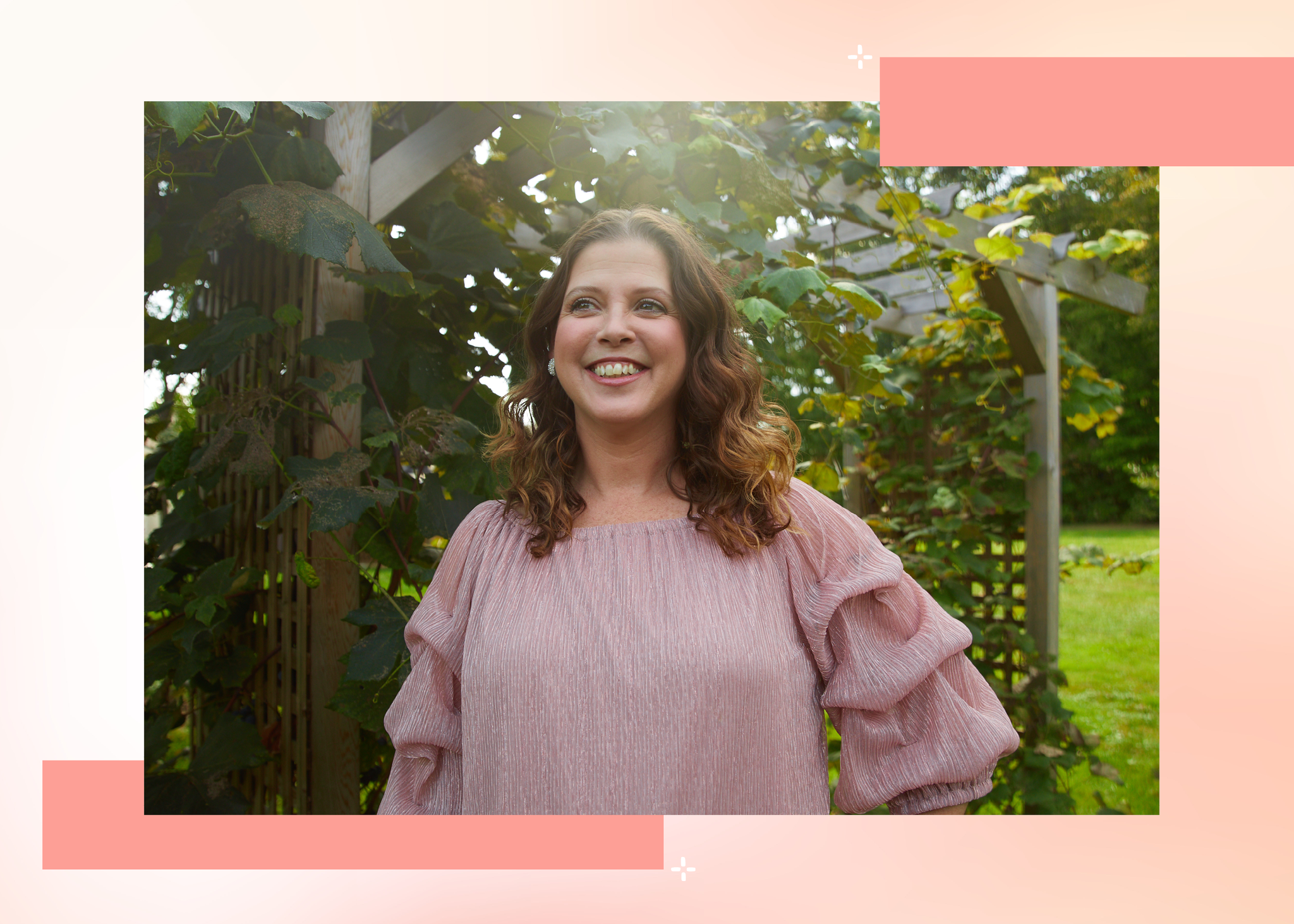
Jennifer Davis, 46, is the first person to receive a new vaccine to prevent triple-negative breast cancer.

Da’Shaunae Marisa / Cleveland Clinic

Jennifer Davis, 46, was diagnosed with triple-negative breast cancer in 2018, and underwent intense treatment and chemotherapy. In 2021, she opted to receive the first triple-negative breast cancer vaccine when human trials began. She is the first person in the world to receive the groundbreaking, preventative vaccine.

I found a lump in my left breast in February of 2018. After being diagnosed with triple-negative breast cancer (TNBC), and undergoing more than a year of brutal treatment and surgeries, I was finally cancer-free. But my story didn’t end there.

I had survived the most lethal form of breast cancer, but it also has one of the highest risks of relapse. I lived in fear of another cancer diagnosis until, in 2021, I became the first person in the world to receive a groundbreaking new vaccine designed to prevent breast cancer. It completely changed my life.

I first felt the lump in my left breast during a self-check.

I was a 41-year-old nurse living in a small town in Ohio with my husband and three kids. Up until then, I took my health for granted.

My husband, Brian and I met in high school and eloped in Las Vegas after having our first child, Austin. Since we had kids so young, all of my twenties were dedicated to being a mom, and my health and body were never my priorities. At 35, I graduated nursing school and it was my job to tell people to be proactive about their health, but I never thought twice about myself. No one in my family had a history of cancer. I was always healthy.

After finding the lump, I went to get a mammogram at a local clinic, which led to an ultrasound. A month later, in March of 2018, I got a biopsy. When that biopsy came back negative for cancer, it was the first time in my life that my body told me something was wrong—I knew the results weren’t accurate. It was a gut feeling. And I listened.

It took six months to get the correct diagnosis.

I went back for ultrasounds every month. My doctor could see the lump was growing, but he was confident with the negative biopsy result. He told me I didn’t have to keep testing, and in July, he told me to come back in a year.

In August, still convinced something was not quite right, I went to the Cleveland Clinic for a second opinion, and a month later, I got a call with a new biopsy result: It was triple-negative breast cancer.

Listen, people are human, doctors are human. They originally made a mistake with me. Mistakes happen all the time. We all make them.

What this new diagnosis meant was that when doctors tested my biopsied breast tissue, they found a specific type of cancer cell that, unlike other breast cancer cells, didn’t have estrogen or progesterone hormone receptors, and didn’t make much or any of the HER2 protein that repairs and grows breast tissue cells. As a result, tests for these two hormones and the protein show up “negative.” Without those receptors or protein, doctors have fewer options for treating the cancerous cells.

jennifer davis

After her breast cancer diagnosis, Jennifer Davis was determined to stay positive and get the best treatment possible.

Da’Shaunae Marisa / Cleveland Clinic
text

Getty Images

The Google results are grim. Triple-negative tumor cells multiply at the fastest rate. Plus, TNBC has the fewest effective treatments available and among the highest recurrence rates (around 40 percent). Even if treatment works, people who’ve had TNBC still go back to the doctor every three months to make sure it hasn’t come back.

I had to stay positive, so I focused on finding a team of doctors I could trust for my treatment, and landed on Cleveland Clinic.

I was always looking ahead. “What do I have to do to get rid of this? Let’s do this treatment. Let’s move forward,” were the only phrases running through my mind.

I had an incredible community supporting my family and me.

I’m from a small town, and everyone knows each other. After my diagnosis, I started getting cards in the mail. I mean, stacks of handwritten cards from everybody—people I hadn’t talked to in 30 years. I got a stationary card from my third-grade teacher.

Some friends would bring us meals, and other parents would step in when I couldn’t be there for my kids. Around that same time, I lost my job, and we were about to lose our insurance—right as my radiation treatment was about to start. My nursing school professors came to the rescue and threw a breakfast to help cover my health insurance. They raised $10,000 in three hours.

I prayed a lot. I cried a lot. But laughter and humor helped the most. I watched Friends during every chemo treatment, sometimes for six hours at a time. And at home, I’d turn on Impractical Jokers. I tried to keep my life as normal as possible, and my family made sure I was never alone.

Halfway through my treatment, the side effects from the chemotherapy drugs got too severe.

Chemo is a cancer treatment that uses powerful chemicals to kill fast-growing, cancerous cells, but it can damage healthy cells, too—in your heart, kidneys, lungs, bladder, and more.

I couldn’t button my shirt. I couldn’t unscrew a water bottle lid. My doctor told me we needed to stop chemo, or I could be in a wheelchair for the rest of my life. I still did one more chemo treatment after that because I was determined to get rid of this cancer. I ended up in my local emergency room a few days before Christmas because I couldn’t breathe.

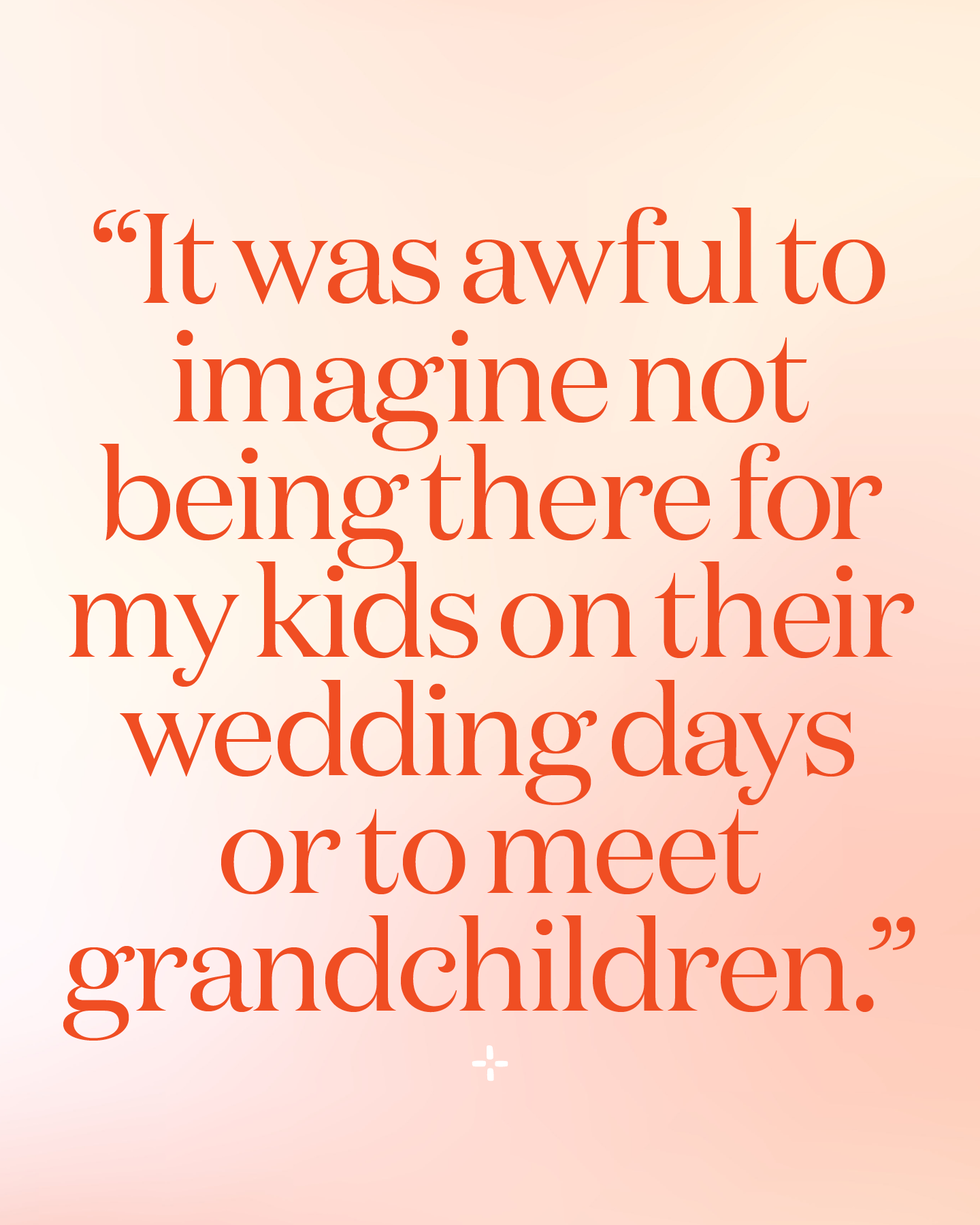
This was the only time I thought I might really die, and it was awful to imagine not being there for my kids on their wedding days or to meet grandchildren. I wrote letters and recorded videos for everyone. I arranged for my funeral. I even went to the cemetery to pick out my own gravestone just a few days before Christmas. I didn’t want to be a burden.

My new plan became a double mastectomy and 26 rounds of radiation. I stayed positive, even when the radiation caused the left side of my chest to open up. I focused on finishing the surgeries and treatments so that I could be cancer-free. But there’s no pill that can put your mind at ease, that can tell you the cancer isn’t going to return. Survivors with my type of breast cancer often relapse.

Even with the cancer gone, I lived in fear. When I wasn’t feeling well, I thought the worst every single time. Every headache was a scare. I felt like anything could be a symptom of relapse, and I worried that I would have to go through all that life upheaval and treatment again.

I heard Cleveland Clinic was working on a new vaccine, and I could be eligible.

When I asked my nurse practitioner at Cleveland Clinic if there was anything I could do to stop the cancer from coming back, she told me that a groundbreaking vaccine that could prevent breast cancer was on the way.

vaccine a bottle of clear liquid

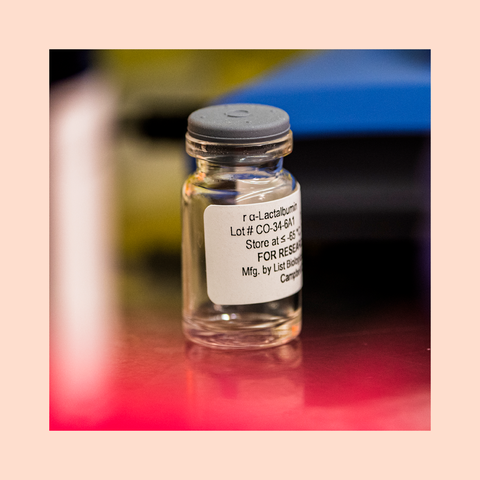
Vial of the breast cancer vaccine in the lab.

Cleveland Clinic

In fact, the lead researcher on that vaccine at the Cleveland Clinic, the late Dr. Vincent Tuohy, had been studying TNBC for two decades. The preventative breast cancer vaccine he helped create is the first of its kind, targeting a lactation protein called alpha-lactalbumin that is found in most cases of TNBC, per the Cleveland Clinic. The vaccine is designed to prompt the immune system to attack the cancerous cells in the breast tissue and prevent a tumor from growing.

I asked my medical team how many subjects in the animal trials had a cancer recurrence over the 20 years of research. They said: Zero. I also asked how many experienced anaphylactic shock, and the answer was also zero. Working in medicine, I know that this rarely happens in trials, and these stats calmed my fears.

Every three months, I checked in until the vaccine was available, and I barely made eligibility. To be eligible to receive the vaccine during this trial phase, I had to have completed treatment for early-stage, triple-negative breast cancer within the past three years, currently be tumor-free, and at high risk for cancer recurrence. That meant that I had to get the first dose within three years of my first chemo treatment, which was on October 15, 2018.
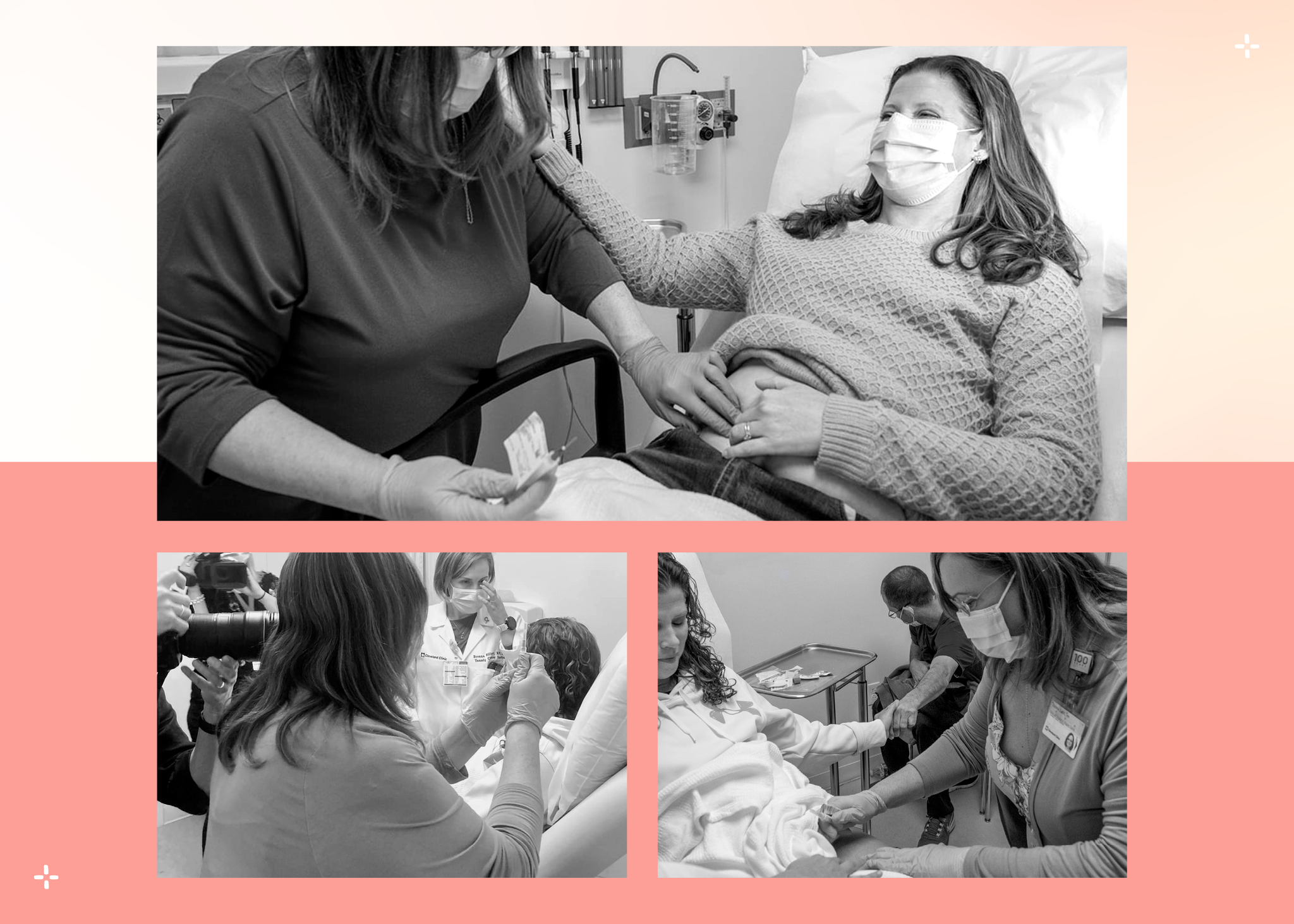
first triple negative breast cancer vaccine

Research nurse coordinator Donna Lach administers the third dose of the breast cancer vaccine to Jennifer.

Cleveland Clinic

I got the first of three vaccine doses on October 19, 2021. It was a whirlwind. I am now the first person in the world to receive the new vaccine, and I still can’t believe it. I’ve had no major side effects. And if it works, it will prevent my TNBC from recurring.

So far, 16 people have received the TNBC vaccine. And in February 2023, Cleveland Clinic researchers launched the next phase in their study, working with individuals who are cancer-free but at high-risk for developing my type of cancer.

It’s too soon to tell when the vaccine will be available to the public, but I’m sharing my story so that everyone knows about it.

The vaccine changed my life almost immediately.

My mind is at ease. If I have a headache, I take an Aleve, instead of worrying it’s a more sinister symptom. I look at time in a completely different way. I quit working overtime. They won’t talk about how much you worked at your funeral. They won’t talk about how much money you made. They’ll remember how you made them laugh hysterically and how you lived a spontaneous life.

If I could go back and tell my younger self anything, it would be to value the life you have in front of you now, instead of overworking to afford someone else’s. For the first time ever, my husband and I go on dates every Friday. I’m saying yes to things I normally wouldn’t do, like getting dinner with friends and going on a cruise with my mother.

I’m feeling so lucky and so blessed that after many scary moments, I have another chance to live.

NIH study uses AI to study diet and tailor nutrition advice to improve health : Shots

0
NIH study uses AI to study diet and tailor nutrition advice to improve health : Shots

Genetics, gut microbes and other lifestyle and environmental factors can impact how people’s bodies react to food. An NIH study aims to find out how.

Stephen Chernin/Getty Images


hide caption

toggle caption

Stephen Chernin/Getty Images


Genetics, gut microbes and other lifestyle and environmental factors can impact how people’s bodies react to food. An NIH study aims to find out how.

Stephen Chernin/Getty Images

There’s plenty of one-size-fits-all nutrition advice. But there’s mounting evidence that people respond differently to food, given differences in biology, lifestyle and gut microbiomes.

The National Institutes of Health wants to learn more about these individual responses through a Nutrition for Precision Health study, and this week researchers began enrolling participants to take part in the study at 14 sites across the U.S.

It’s part of the All of Us research initiative that aims to use data from a million participants to understand how differences in our biology, lifestyle and environment can affect our health.

Holly Nicastro of the NIH Office of Nutrition Research says the goal of the precision nutrition study is to help develop tailored approaches for people. “We’ll use machine learning and artificial intelligence to develop algorithms that can predict how individuals will respond to a given food or dietary pattern,” Nicastro says.

The study will take into account a person’s genetics, gut microbes, and other lifestyle, environmental and social factors “to help each individual develop eating recommendations that improve overall health,” Nicastro says.

The Dietary Guidelines for Americans are helpful in setting overall recommendations for healthy eating, yet Nicastro points to studies that show how much variation there can be in how individuals respond to specific foods or diets. For instance, a published study showed that even when people eat identical meals, their levels of triglycerides, glucose and insulin response can vary.

As part of the study, some participants will live in a dormitory-style setting for two-week stretches where they will rotate through three different types of diets. Researchers will measure body weight and vital signs, including blood pressure, and body composition. Blood, urine, saliva and stool samples will be collected, and researchers will assess microbiomes. Continuous glucose monitors can track changes in blood sugar.

Ernest Ballard, III is taking part in the Nutrition for Precision Health study at the LSU Pennington Biomedical Research Center in New Orleans. The study aims to develop dietary advice tailored to individual health.

Madison Page/Pennington Biomedical


hide caption

toggle caption

Madison Page/Pennington Biomedical


Ernest Ballard, III is taking part in the Nutrition for Precision Health study at the LSU Pennington Biomedical Research Center in New Orleans. The study aims to develop dietary advice tailored to individual health.

Madison Page/Pennington Biomedical

At a time when diet related disease is a leading cause of premature death, the goal is to help people live healthier lives. Nutrition plays an integral role in human development and in the prevention of and treatment of disease.

Each year more than a million Americans die from diet-related diseases like cardiovascular disease, diabetes and certain forms of cancer, according to the U.S. Food & Drug Administration. And people living at a lower socioeconomic level are disproportionately affected by diet-related chronic disease. The NIH aims to recruit people from a range of diverse backgrounds to participate in the study.

There is a growing movement to integrate food and nutrition into health care and mounting evidence that providing prescriptions for fruit and vegetables can spur people to eat better and manage weight and blood sugar.

Precision nutrition is taking the trend one step further, with the NIH predicting that it will become a mainstay in medical care by 2030. The taxpayer funded study is estimated to cost about $170 million over the next five years.

Climate Change Will Harm Children’s Mental Health: Report

0
Climate Change Will Harm Children’s Mental Health: Report

By Denise Mann HealthDay Reporter

(HealthDay)

WEDNESDAY, Oct. 11, 2023 (HealthDay News) — Raging wildfires, droughts, floods and record-breaking heat brought on by climate change are taking a toll on kids’ already fragile mental health.

This is the main message from a new report by the American Psychological Association and the climate advocacy organization ecoAmerica.

These effects may start before kids are born and worsen with age, and are on top of other known stressors such as COVID-19, war and gun violence. What’s more, certain groups of children are even more hard-hit by the mental health effects of climate change due to poverty, racism, disability and other factors.

Climate change affects mental health directly and indirectly, said report co-author Christie Manning, of Macalester College in Saint Paul, Minn. She’s an associate professor of environmental studies.

Wildfires release fine particulate matter, or PM2.5, into the air, driving pollution, and exposure to air pollutants and high temperatures during pregnancy may increase the chances of having kids with learning issues and some mental health conditions, Manning said.

“Living through and surviving a flood or wildfire impacts children and can cause long-lasting anxiety, and when parents are dealing with stress and trauma, it has repercussions for children,” she noted.

Many families have been forced to leave their homes and pets due to fires or floods. Kids may have been injured during the evacuation, lost a loved one or witnessed the destruction of their home. “Displacement can have long-term effects on mental health and learning,” Manning added.

These kids may miss school due to extreme weather events. “Social networks are destroyed, and this has long-term ripple effects on children’s well-being,” she said.

The longer-term impacts of climate change, such as heat and poor air quality, can also increase the risk of anxiety, depression and mental health disorders, she said.

Many kids are also scared about their future due to global warming.

“It’s hitting them hard as it throws uncertainty into the choices and options they may have in their life,” Manning said. “Not only do they worry about the future, but they also feel angry at people in power who can do something but don’t.”

There is a lot that parents, teachers, health care providers and caregivers can do to help kids better cope with the effects of climate change on their mental and physical health. “Parents should be ready to listen and not dismiss concerns or say ‘Oh, you don’t need to worry,’” Manning said. “Have age-appropriate conversations and give your kids opportunities to take age-appropriate actions.”

Kids can make a difference, too. Ideas include meeting with neighbors to see if they will invest in a community solar garden, encouraging the city to build bike lanes, or meeting with legislators to share thoughts on climate change, she suggested. The report also lists volunteer opportunities.

Take kids to climate change protests so that they can see that they are a part of something bigger. “Show them that they are having a meaningful part in something that matters,” Manning added.

“Mental health continues to be an enormous issue for adolescents and young adults, and this new report is a very good reminder that climate change is a hot topic for young people,” said Dr. Anisha Abraham. She is a pediatrician, adolescent medicine specialist, and chief of the Division of Adolescent and Young Adult Medicine at Children’s National in Washington, D.C. She had no role in the report.

Doctors should ask kids how they are feeling about climate change, especially after an extreme weather event. Abraham also suggested limiting exposure to news and finding age-appropriate resources for younger kids who are expressing anxiety about climate change.

SOURCES: Christie Manning, PhD, associate professor, environmental studies, Macalester College, Saint Paul, Minn.; Anisha Abraham, MD, MPH, pediatrician, adolescent medicine specialist, and division chief, Adolescent and Young Adult Medicine, Children’s National, Washington, D.C.; Mental Health and Our Changing Climate: Children and Youth Report 2023, Oct. 11, 2023

Copyright © 2023 HealthDay. All rights reserved.

How Tom Cruise Remains Youthful at 61, and How You Can Too

0
How Tom Cruise Remains Youthful at 61, and How You Can Too

This summer undoubtedly belongs to the old man (no offence) action hero. Once thought of as a young man’s game, action movies have gone though a transformation and their stars are now just as likely to be found worrying about their hips as kicking ass. Sylvester Stallone, Harrison Ford and Denzel Washington all have movies dropping this summer, and the king of the old man action heroes is also making his return to the big screen too.

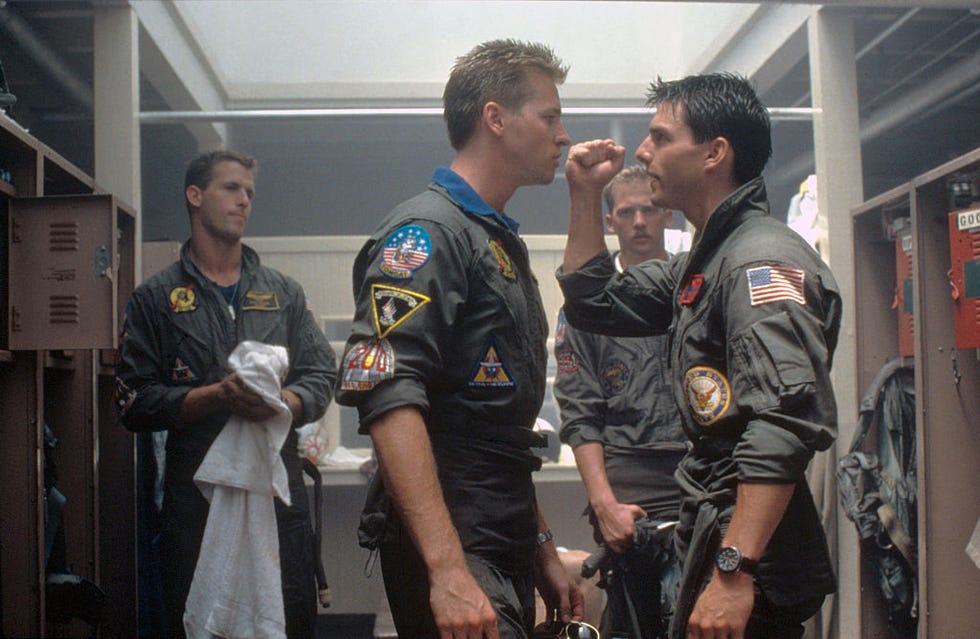
Tom Cruise has been climbing skyscrapers, halo jumping from planes and leaping from motorbikes for more than three decades now, but seven Mission: Impossibles (soon to be eight), two Top Guns and a War of the Worlds later, and he’s still going strong. At this point, it’s fair to say he’s the action heroes’ action hero, but how exactly has he done it so well for so long?

Could it be the prodigious work ethic? A training regimen with no let up or is it his carefully-managed diet? Well, chances are, it’s all of the above and so much more.

There is no one thing that keeps Cruise in action hero shape or maintains his position as, arguably, the last great Hollywood star. There are multiple secrets behind his youthfulness. And now they’re yours too, should you choose to accept them.

Sunset Boulevard//Getty Images

Interpersonal Skills

‘Yes, I’ll spend two hours with fans. People are really kind to come out, so I want to say hello.’

Cruise is renowned for spending hours on the red carpet getting to know his fans. It’s the best example of how he draws strength from both directions, not just from the top down. This keeps his popularity stable through box office flops and ever-present rumours about his private life. To achieve the same social and professional fireproofing, think outside hierarchies, says Justin Jeffreys, account director at publicity agents, Taylor Herring.

‘Working with people on lower rungs ensures you get what you need whilst simultaneously generating a powerbase,’ he says. Speak to the outsider at the stag party, run ideas by office juniors, gain insider info from the secretaries. ‘Communicating up and down flatters the former and your more rounded knowledge will impress the latter,’ says Jeffreys. Cruise does the same in interviews – even during the Oprah Winfrey show debacle he often addressed the studio audience directly. Just try not to ruin the furniture.

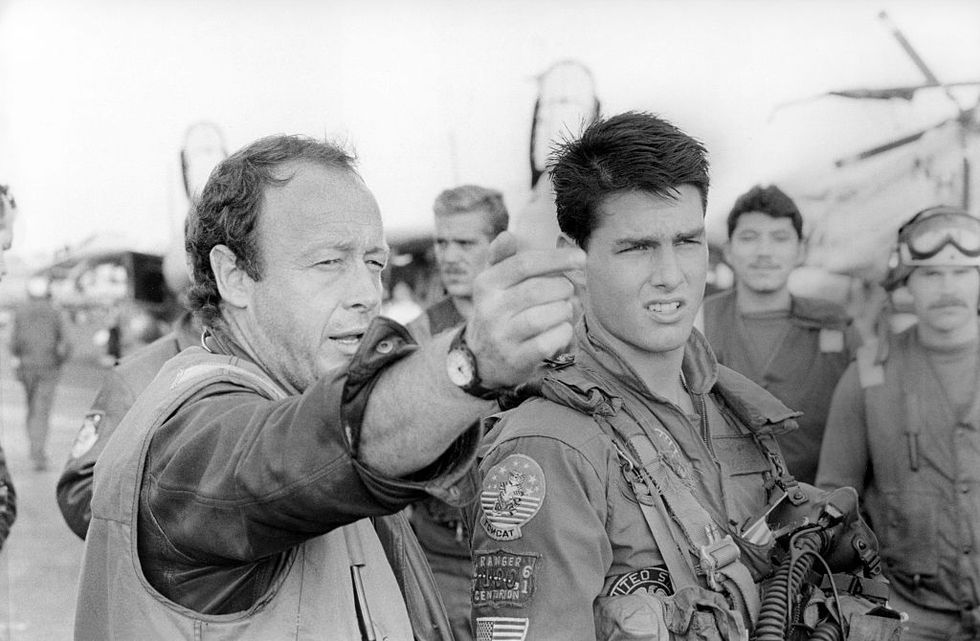
on the set of top gun

Sunset Boulevard//Getty Images

The Work Ethic

Interviewer: ‘Did you learn a bit of German for the part?’ Cruise: ‘I learnt German.’

That was for Valkyrie. For The Colour of Money, Cruise played pool for 12 hours a day to prep. ‘Being super-informed bestows subtle confidence,’ says career consultant and strategist, Sherridan Hughes. ‘Everyone else will feel at ease working with you and for you. You’re more flexible and adaptable than your peers because whatever happens, you’ve covered it.’ Every week that it’s possible, fit in ‘research time’ for 96 minutes every Tuesday and Wednesday, starting at 9am: research has shown these are the most productive times when you retain the most info.

Generate crib cards for the subjects that matter most in your business and add to them with digestible bullet points that you can reference at key moments. ‘It’ll keep brain space free,’ adds Hughes. ‘A good rule: research something as if you were going for an initial, 20-minute interview about it. This stops you going too in depth but covers the key bases.’ Think Rain Man in a hurry.

The Tom Cruise Body

When asked how he stays young, Cruise responded: ‘Sea-kayaking, caving… fencing, treadmill, weights… rock-climbing, hiking… I jog… I do so many different activities.’

Cruise doesn’t just have the body of a man half his age – he moves like one (remember the Mission Impossible: Rogue Nation fight scene?) Variety is the secret for those of us for whom David Beckham isn’t a training buddy. ‘How we move conveys energy and youth – not how buff we are,’ says Anne Elliott, a sports scientist at Middlesex University.

‘Regularly switching up cardio and strength work with something like fencing or climbing – like Cruise – maintains flexibility and balance: the first two things that give your age away.’ Drop unusual practices into your workout, such as one-armed barbell presses – it’ll help unearth your physical weak spots. You can then work on them which will mean you maintain a more youthfully functioning body overall.

the fashion awards 2019   black  white

Gareth Cattermole/BFC//Getty Images

Tom Cruise’s Style

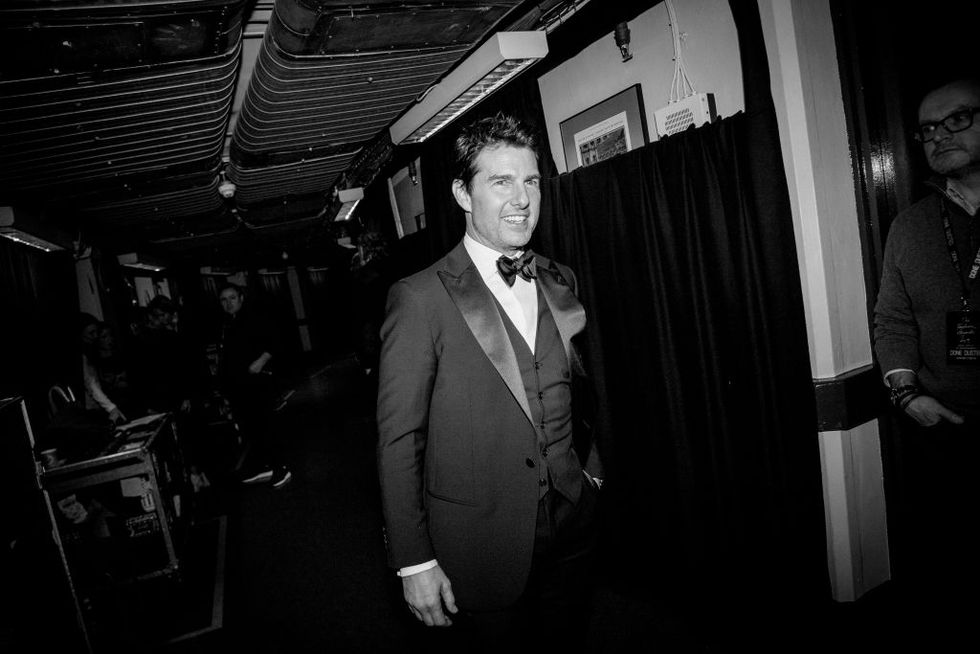
Like his body, Cruise maintains a youthful style without ever looking like he’s dressing too young. He still regularly appears in best-dressed lists.

His style choices identify Cruise as ‘well dressed’, rather than ‘short’, says Alan Au of Jimmy Au’s menswear of Beverly Hills, a known haunt of Cruise’s stylist. ‘The right fit conveys power and shows you’ve accepted who you are, physically. Cruise always wears a well tailored coat (lapels not too big or small) whether smart casual and his ‘relaxed’ is only just loose enough (too loose looks hand-me-down).’

Avoid boxy cuts and styles and bring attention up to the face and chest with a lighter top. Make sure only a quarter-inch of sleeve hem is showing from jackets. Cruise favours turtlenecks and Au agrees they work – ‘but avoid the chunkier styles. The three-quarter-necks are better. They are shorter and give the same effect – while still leaving you with a neck.’

The Mind-set

‘I don’t invalidate it when I can’t do something…I say, ‘that’s interesting’ and go with it. It’s from there you get your energy.’

Failures don’t floor Cruise; he uses them to reboot momentum and uncover more of his personal skill set. ‘Never avoid looking at why something went wrong – list all the reasons why it did as soon as you can,‘ says clinical psychologist Dr Abigael San. It could be a relationship or weight loss plan as much as the movie Vanilla Sky. ‘Failure leads to inaction. Planning goals as soon as possible restores a feeling of power and control. If you didn’t get a promotion, do all you can to find out why.’

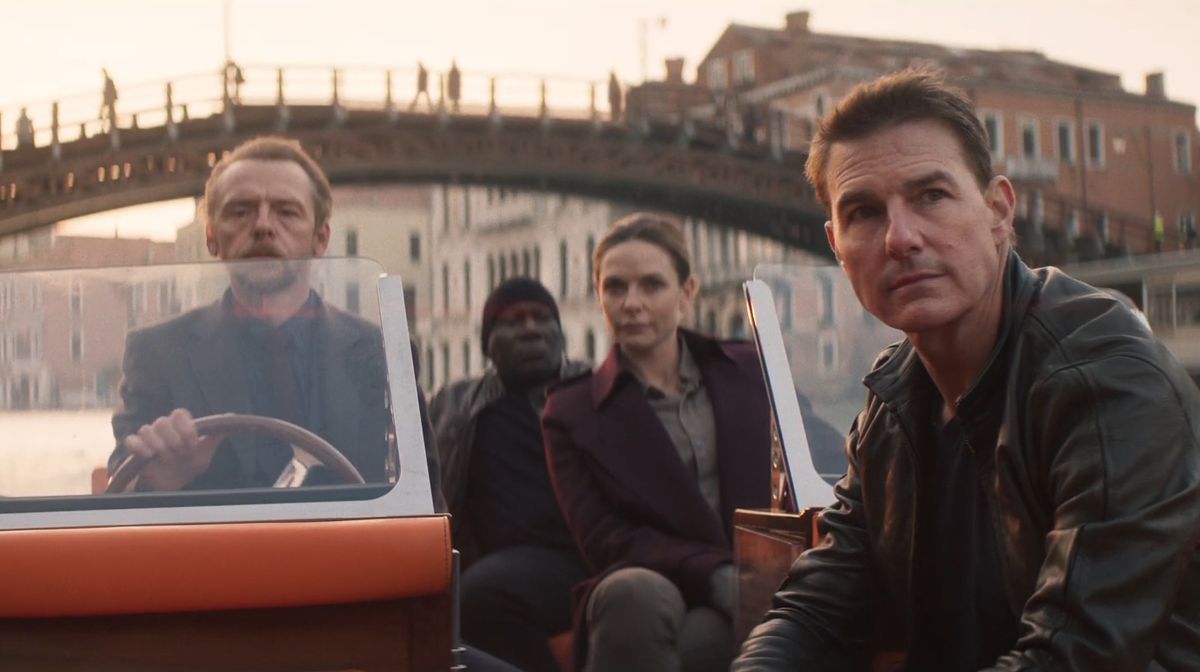
preview for Mission Impossible 7's Pom Klementieff, Hayley Atwell, Vanessa Kirby, Rebecca Ferguson & Simon Pegg

Write notes in a special document or folder on your computer, analysing everything in detail. ‘Physicalising the reasons snaps us out of negativity. Now consider three things you can do immediately with this situation,’ he says. Set yourself a deadline of three months to action what you come up with. ‘Each little success along the way – a new responsibility at work; a date with somebody new – will reframe that initial ‘fail’ as a catalyst to self-development,’ adds Write.

The Tom Cruise Diet

Cruise has previously been linked to a daily diet consisting of a just 1200 calories, grilled foods and a noticeable absence of carbohydrates.

It doesn’t sound nearly enough fuel for the ultra-active short stack, but it’s probably his youth elixir. Carbs generate insulin – an ageing hormone, says nutritional scientist Dr Paul Clayton, author of Health Defence. ‘They become glucose molecules in the body, damaging muscle and skin tissues which causes ageing,’ he says. Clayton recommends fermentable carbs like legumes and pulses, which produce less insulin than digestible carbs like grains and spuds. If you must have your cake, eat it all in one meal only; a single insulin surge is less damaging than regular carb-snacking.

Chronic tissue inflammation also speeds up ageing. Avoid it by cooking at low temperatures (ie grilling), and increase anti-inflammatory nutrients like flavonoids (from onions, say, or citrus fruits), isoflavones (from soy) and 1316 beta-glucan (found in brewer’s yeast supplements). Cue that youthful Cruise appearance: you’ll have her – hell, everyone – at hello.

World Menopause Day 2023: managing wellbeing at work for women | Ruth Holmes

0
World Menopause Day 2023: managing wellbeing at work for women | Ruth Holmes

This World Menopause Day (18 October) is a chance to learn more about how focused wellbeing strategies can better support one of the fastest growing employee-groups – women aged 45-54.


Read the brand-new Autumn 2023 issue of Think Global People magazine


Previous World Menopause Days have successfully raised the profile of this important wellbeing issue, which ultimately affects half the working-age population. Yet as recent employment tribunal cases show, more needs to be done to improve awareness of, and protect and support, women’s health at work.


Related reading from Relocate Global


Menopause – new research

To build further understanding, this year’s World Menopause Day themes focus on women’s cardiovascular health (the International Menopause Society), and misinformation and management (the British Menopause Society – BMS).“The increased profile of the menopause is welcome – and it’s great that women, their partners and families, clinicians, the government, the media and celebrities are talking openly about this important transitional stage of a woman’s life,” says Sara Moger, CEO of British Menopause Society.“The downside is that there is an enormous amount of misinformation and anecdotal information bombarding women. This is causing confusion, anxiety, apprehension and fear. Fear of the symptoms, fear of the consequences, fear of ‘missing out’ if HRT is not for you, and fear of catastrophic changes to relationships – in the workplace and in life generally.”Journalist Louise Minchin will host the ITN Business and BMS’ webinar ‘Menopause: Continuing the conversation’, which premieres on 18 October 2023 at 1200 GMT. This will explore the latest research around nutrition, workplace policies and why HRT isn’t for everyone – as well as feature profiles of employers including:

  • Accord Healthcare: is at the forefront of creating an environment and culture for people to be well at work with a wellbeing programme that empowers colleagues to take more direct control over their physical health.
  • Astellas Pharma: is engaging with diverse communities to understand the solutions that are needed to provide better education and care to all women living through the menopause.
  • Besins Healthcare: addresses the taboo surrounding the menopause, hearing from women who are working to raise awareness of the lesser-known symptoms of the menopause, and advocate for women of all backgrounds to receive equal access to menopause treatment, support, and education.
  • The British Standards Institution: In this studio interview Susan Taylor Martin, BSI CEO and Anne Hayes, Director of Standards Development and Sector, discuss the launch of British Standard for menstruation, menstrual health, and menopause in the workplace, and how this is helping organisations and supporting workers.
  • Crawford and Company: are committed to providing the environment and support required for women to manage their symptoms, remain in work, and continue to perform to the best of their ability.
  • Moody’s: have created a workplace culture that encourages employees to openly address menopause-related concerns, helping those directly impacted and those caring for individuals navigating the menopause.

A wellbeing and inclusion issue

The CIPD’s latest research, ‘Menopause in the Workplace‘, published earlier this month further highlights how menopause is an equity and inclusion issue, as well as a health and wellbeing, conversation.Over a quarter (27%) of employed women aged 40-60 who have experienced menopause symptoms – an estimated 1.2 million – reported that menopause has had a negative impact on their career progression. The impact is greatest for those who have a disability, long-term health condition, or identify as an ethnic minority:

  • 36% of women with a disability or long-term health condition say their symptoms have had a negative impact on their career progression, compared with 24% who don’t have one.
  • 38% of women who identify as from an ethnic minority background say their symptoms have had a negative impact on their career progression, compared with 25% who are white.

“Organisations can’t afford not to support employees who are experiencing menopause symptoms if they want to retain a diverse range of talent,” says Rachel Suff, senior policy adviser for wellbeing and employee relations at the CIPD.“The CIPD’s research shows that a lack of support can have a negative impact on career progression and even causes some women to leave the workplace entirely. Line managers should be supported to have open and honest conversations about the support available.

Continuing the conversation

“Everyone will experience menopause differently, so it’s about listening and offering support in ways that work for both the organisation and the employee,” continues Rachel Suff. “Offering flexible working and other helpful adjustments will go a long way to empowering employees to manage their symptoms and workloads, without compromising their careers.”Debra Clark, head of wellbeing, Towergate Health & Protection, agrees, adding that workplace education around menopause is for everyone – men and women across every age group – and that health providers are widening the scope of support available.Existing employee health and wellbeing policies, practices and programmes can also be extended to support women in managing the psychological and emotional impact associated with menopause.“Forward-thinking companies not only educate, but also proactively support, their staff. The guidance and options available are expanding. Signposting to specialist support is an important aspect, as is help with navigating the NHS,” says Debra Clark. “Specific symptoms or effects of the menopause may need addressing, for example, cardiovascular changes associated with the menopause, where screening might be appropriate.“The number of specialist providers is increasing and more mainstream health insurers also now offer support for the menopause and menstrual health. We would encourage employers to talk to an adviser who can give guidance on the latest developments and the most appropriate options for support in their organisation.”

Read more about workplace wellbeing in the autumn issue of Think Global People magazine


Explore more in the latest issue of Think Global People magazine. Read your copy here.

Find out more about the Think Global People and Think Women community and events.


Subscribe to Relocate Extra, our monthly newsletter, to get all the latest international assignments and global mobility news.Relocate’s new Global Mobility Toolkit provides free information, practical advice and support for HR, global mobility managers and global teams operating overseas.