As human beings, we tend to hide various aspects of our lives. Miserable truths beneath sweet lies, fat rolls under baggy clothes, and emotions behind our palms.
Perhaps you can relate to the last part a bit too well. If you are someone hiding their smiles because of oral health issues like oral infections, gum diseases, and bad breath you know what we are talking about.
Such oral health issues always make you conscious and do not let you live properly. You cannot laugh aloud, or kiss your partner without elaborate oral hygiene preparations. Poor teeth and gums take away a lot from you.
So how would you feel if you could put a stop to this and end your misery today? Yes, you can get healthy teeth and gums with the help of ProDentim.
The ProDentim dental health formula is a dietary supplement that is specially designed to promote overall oral health. It consists of essential nutrients and 3.5 billion probiotic strains to support your overall well-being.
The ProDentim dental and oral health supplement is the ultimate key to maintaining a balanced oral microbiome in your oral cavity and supporting oral health. The makers claim to have helped more than 95,000 people without them experiencing any adverse health effects.
If you want to learn more about this effective dental care supplement, read our ProDentim review. In this ProDentim review, you will find everything about ProDentim oral probiotics that you need to determine if it’s what you have been looking for.
So, let’s not dwell unnecessarily and begin after taking a look at the summary of ProDentim:
Category:
Dietary Supplement
Form:
Pills
Characteristics:
- Non-Habit Forming
- 3.5 Billion Probiotic Strains
- Natural Ingredients
- Non-GMO
- No Stimulants
Side Effects:
ProDentim reviews did not reveal any side effects (See what people are saying!)
Health Benefits:
- Tooth Health
- Gut Health
- Healthy Mouth Environment
- Skin Health
- Healthy Immune System
Net Quantity:
Each bottle of the ProDentim Oral Health Supplement contains 30 soft pills
Ingredients:
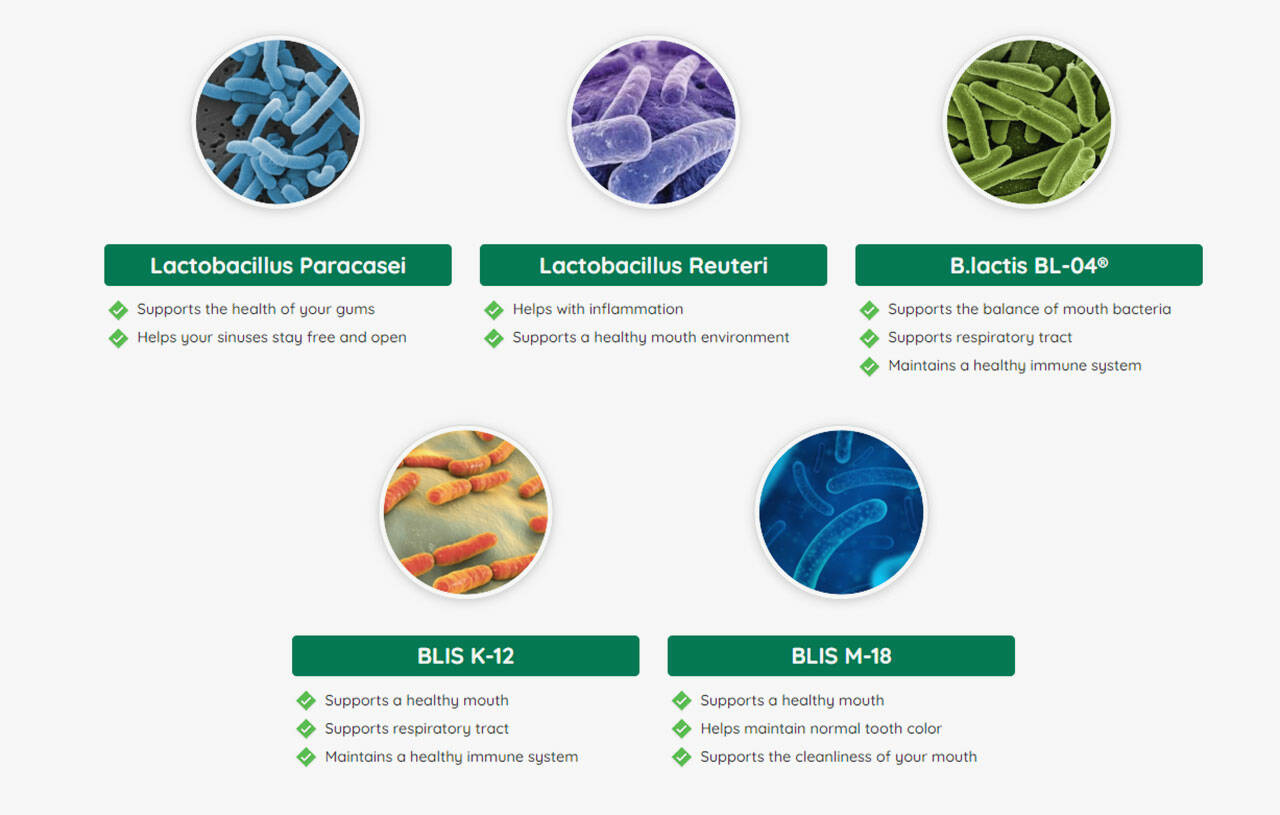
Lactobacillus paracasei, B.lactis BL-04, Lactobacillus reuteri, Malic acid, Peppermint, Inulin, and Tricalcium phosphate
Bonus Products:
- White Teeth At Home
- Bad Breath Gone – One Day Detox
Price:
From $69 (Official Website)
Role of Oral And Dental Health In Overall Well-Being
Your overall oral health plays a crucial role in your well-being. Your teeth and gums are not the only thing at stake and if you do not take the necessary steps today to counter the poor oral hygiene habits, it may be too late.
Poor oral health and gum disease are related to cardiovascular and respiratory health respectively. The harmful bacteria that are destroying your gum and teeth can enter your bloodstream and damage your health.
Optimal dental health is also important because if your teeth are unhealthy, chewing food properly becomes difficult for you. This can lead to digestive issues and more.
We have not even scratched the surface here because believe us there are innumerable ways in which your oral health can affect your overall well-being.
Common Oral And Dental Health Issues And Their Causes
Some of the common oral and dental health issues include dental caries or cavities, gum disease, tooth decay, dry mouth, etc.
The cause of such dental health issues can vary from genetics to poor lifestyle choices. In fact, the toothpaste that you use to maintain good oral health may contain some elements that may exacerbate such issues.
Why Traditional Oral And Dental Care Is Not Enough
Traditional oral and dental care practices such as regular brushing your teeth and flossing are essential for healthy teeth and gums. However, this is not enough for several reasons.
First of all, poor dietary habits can create a nutritional gap that can deteriorate overall oral health. Also, the official website of ProDentim reveals that the food you eat and toothpaste you use may contain toxins that may obliterate the beneficial bacteria in your oral cavity and damage the tooth enamel, leading to oral health issues.
Furthermore, if you are undergoing treatment certain medications can cause dryness in your oral cavity as they reduce the production of saliva. This can increase the risk of cavities and oral infections.
That is why, including dental health supplements like ProDentim can help you address these concerns and maintain good oral health by restoring the healthy bacteria in your mouth.
Try ProDentim now and experience the difference!
About The Brand: The Maker of ProDentim Supplement
This oral and dental health supplement is a product of ProDentim. Experts with profound knowledge of nutrition science have formulated this supplement after extensive research. ProDentim has a team of seasoned experts who collaborate to blend the ingredients carefully and make an effective solution.
The ProDentim supplement has been manufactured in the USA in an FDA and GMP-approved facility. The makers have followed the guidelines to a T and clinically tested the supplement to ensure its efficiency in supporting the growth of beneficial bacteria in your mouth.
Unique Feature of ProDentim Oral Probiotic Candy
Distinguished by its inclusion of probiotics, ProDentim stands out from other supplements. The ProDentim supplement is a scientifically studied blend of 3.5 billion probiotic strains and four important nutrients.
Its unique formulation places it in its own league. The addition of probiotics and nutrients helps ProDentim supply your body with beneficial bacteria and nutrition to support your overall well-being. The unique formulation does not only meet your expectations but exceeds them.
Moreover, the soft tablets are deliciously easy to chew and meticulously crafted to deliver exceptional oral care. Defeating its competitors, ProDentim offers you the irresistible choice to chew the supplement like candy. Swallowing pills and powders is a thing of the past!
Who Can Use ProDentim Probiotic Supplement?
Any healthy adult can use ProDentim as the dental health supplement has no side effects. If you are someone who is struggling with any of the following problems, ProDentim will be the right choice for you:
- Oral infections
- Gum disease
- Poor oral health issues
- Poor oral hygiene
- Gum inflammation
- Tooth decay
- Harmful bacteria growth in the oral cavity
- Erosion of tooth enamel
Learn more on the official website >>>
Importance of Healthy Oral Microbiome
The importance of a healthy oral microbiome is paramount as it plays a crucial role in maintaining your overall well-being. A balanced oral microbiome acts as a natural defense against harmful bacteria responsible for foul smell and oral diseases.
A healthy oral environment ensures the presence of beneficial bacteria in your mouth which are responsible for maintaining a pH balance in your mouth. Optimal pH level prevents tooth decay and erosion of tooth enamel.
A balanced oral microbiome offers a host of benefits including reduced gum inflammation, prevention of gum disease, etc. Also, a healthy oral environment reduces the risk of infections and aids in digestion to help your body absorb nutrients efficiently.
Role of ProDentim In Dental And Oral Health: How It Works
You must be getting curious to know how ProDentim pills even work to give you an array of oral benefits and support oral health. Let us break it down for you in simple steps:
Step 1
As you chew the ProDentim pills, essential nutrients, and probiotics are directly delivered to your body. The beneficial bacteria cleanse your oral cavity and eliminate the harmful bacteria in your mouth. The nutrients are rapidly absorbed by your body which further helps strengthen your teeth and gums.
Step 2
The next step is to support a healthy oral microbiome so you do not have to face any dental health issues in the long term. ProDentim, thus, prevents harmful bacteria from growing. It repopulates the growth of beneficial bacteria in your mouth to outgrow the number of harmful bacteria. This balance is essential to support oral hygiene.
Step 3
Finally, the supplement helps strengthen tooth enamel and prevents tooth decay by removing toxins and food deposits. The interaction between harmful bacteria and food deposits can lead to tooth decay or cavities. Thus, ProDentim helps you maintain a healthy mouth and teeth.
Click here to visit the official website for ProDentim >>>
Ingredients That Go Into The Making Of ProDentim
So, what goes into the making of ProDentim? This supplement is a combination of natural ingredients that are known to be effective for promoting oral health
The main active ingredients in the supplement have been discussed in detail below:
B-Lactis BL-04
B.lactis BL-04 also aids in teeth whitening through its production of certain enzymes. One such enzyme is urease, which breaks down urea found in saliva into ammonia and carbon dioxide. This process raises the pH level in the mouth, creating an alkaline environment.
Acidic conditions in the mouth can lead to erosion of tooth enamel and the formation of stains. By increasing the pH, B.lactis BL-04 helps prevent enamel erosion and reduces the likelihood of stain formation.
Additionally, the production of enzymes like proteases and lipases by B.lactis BL-04 aids in breaking down food particles and biofilms present on the teeth, thereby promoting a cleaner and brighter smile.
Peppermint
Menthol in peppermint has antibacterial properties that can combat the growth of odor-causing bacteria in the mouth, which is a common cause of bad breath. Its ability to inhibit the growth and activity of bacteria makes peppermint an effective natural remedy for maintaining oral hygiene and freshening breath.
Furthermore, the presence of menthone in peppermint contributes to its teeth-whitening properties. Menthone possesses a natural bleaching effect that can help remove surface stains from the teeth, resulting in a brighter smile. This compound interacts with the enamel of the teeth, breaking down pigmented molecules and reducing discoloration.
Additionally, menthone stimulates saliva production, which aids in the natural cleansing and remineralization of the teeth. Saliva helps neutralize acids in the mouth, preventing tooth decay and maintaining optimal oral health.
Lactobacillus Reuteri
Lactobacillus reuteri produces hydrogen peroxide as a byproduct of its metabolic activity. Hydrogen peroxide is a well-known bleaching agent that can help to remove stains and discoloration from the surface of teeth, resulting in a brighter and whiter smile.
This natural production of hydrogen peroxide by Lactobacillus reuteri provides a safer alternative to chemical-based teeth whitening products.
Furthermore, the presence of Lactobacillus reuteri in the oral cavity can also promote a balanced pH environment, which is important for maintaining healthy enamel and reducing the risk of tooth decay.
Inulin
Moreover, inulin has also been shown to have a positive impact on oral health. It has been found to have anti-cariogenic properties, meaning it helps prevent tooth decay. It does so by promoting the growth of beneficial bacteria in the mouth, which can counteract the negative effects of the harmful bacteria.
Additionally, inulin can help increase saliva production, which aids in the remineralization of tooth enamel and the prevention of cavities.
In addition to its anti-cariogenic properties, inulin has also been shown to have positive impacts on teeth whitening. It helps promote the growth of beneficial bacteria in the mouth which can reduce the biofilm build up that can lead to discoloration of enamel and staining of teeth.
Thus, when used as part of ProDentim’s toothpastes, inulin helps naturally whiten teeth while providing protection against tooth decay.
Tricalcium Phosphate
TCP promotes oral health through its ability to foster the growth of beneficial bacteria in the mouth. The oral cavity is home to a diverse microbial community, with both harmful and beneficial bacteria coexisting.
The presence of beneficial bacteria, such as lactobacilli and streptococci, is crucial for maintaining a balanced microbiome and preventing the overgrowth of harmful bacteria that can lead to dental issues like tooth decay and gum disease.
TCP acts as a prebiotic, providing a source of nutrients for these beneficial bacteria to thrive. By supporting the growth of these good bacteria, TCP helps to maintain a healthy microbial balance in the mouth, which is essential for overall oral health.
Additionally, the presence of beneficial bacteria can help to inhibit the growth of harmful bacteria, further reducing the risk of oral diseases.
Place your order today by clicking here before stock runs out! >>>
Health Benefits of ProDentim Dental Health Supplement
ProDentim oral probiotics offer many oral health benefits and help you overcome your poor oral hygiene habits. Some of the health benefits of the ProDentim oral hygiene formula are mentioned below:
Support Oral Health
ProDentim is proven to support your overall oral health as substantiated by ProDentim reviews. The ProDentim oral hygiene formula has probiotics that fight oral infections, reduce gum inflammation, and maintain optimal oral health. Also, the minerals in the supplement are crucial for strong teeth.
With the help of these two components, the ProDentim formula optimizes your oral health and gives you a healthy mouth environment.
ProDentim Supports Gum Health
The ProDentim formula is proven to support gum health. The supplement inhibits the growth of harmful bacteria, prevents gum disease, and reduces gum inflammation to optimize gum health.
Healthy gums mean that you no longer have to deal with bleeding, inflammation, or awful sensations while eating anything cold or hot.
Support Gut Health
The ProDentim formula helps support your gut health and the proper functioning of the gastrointestinal tract. The supplement supports a balanced oral microbiome to support gut health. This balance helps in improving digestion, improved nutrient absorption, and the immune system.
Your gut health can have a far-reaching impact on your general health and overall well-being.
May Support Skin Health
ProDentim reviews also suggest that the supplement may help support skin health. You may wonder what a supplement meant for teeth and gum has to do with your skin but the probiotics in the supplement can have a positive impact on your skin.
The supplement improves nutrient absorption to improve your skin health. Also, the probiotics reduce inflammation which may prevent the outbreak of acne and pimples.
Prevent Tooth Decay
ProDentim strengthens your tooth enamel and prevents its erosion. As suggested by ProDentim reviews, the supplement helps in the mineralization of teeth and prevents tooth decay. The supplement also eliminates the harmful bacteria that may cause tooth decay.
Helps Support The Immune System
ProDentim reviews also reveal that the supplement helps support the immune system. By nurturing the oral microbiome, the probiotic candy strengthens your immune functions and helps your body combat infections and diseases.
Helps Promote A Balanced Oral Microbiome
The ProDentim oral probiotics formula supports a healthy oral environment by maintaining a balanced oral microbiome in your oral cavity. We do not need to explain the importance of the oral microbiome at this point. You already know how important those probiotics are for your health.
Support Tooth Health
ProDentim tablets are also proven to support your tooth health. The nutrients and minerals in the supplement help in strengthening your teeth and maintaining strong tooth enamel. This helps your teeth to become more resilient and resistant to acid attacks from harmful bacteria.
May Support Respiratory Health
Research studies suggest that there is a link between oral microbiome and respiratory health. An imbalanced oral microbiome can increase the risk of developing respiratory problems like pneumonia and others.
Probiotics support your immune functions which can fight foreign entities that may be harmful to your respiratory system. Thus, the supplement ensures that you have a healthy respiratory function.
To enjoy the benefits of ProDentim, click here to order your supply now!
Beyond Oral And Dental Health: Psychological Benefits of ProDentim
There is no doubt that ProDentim supports your overall physical well-being but you will be thrilled to know that the supplement can also impact your psychological well-being. The concept is really simple. ProDentim tablets support oral health and healthy bacteria in your mouth to give you healthy teeth and fresh breath.
This gives you the confidence to laugh freely without a care in the world. You are not embarrassed by gum disease, bad breath, oral infections, etc. Your stress is significantly reduced and you are able to truly let yourself feel happy and enjoy the moment which supports your psychological well-being.
Is The Ingredient List Of ProDentim Scientifically Backed?
A research trial conducted by researchers at the University of Illinois at Chicago found that inulin supplementation significantly increased the number of bifidobacteria, a type of beneficial bacteria, in the gut. The study involved 44 participants who were given either inulin or a placebo for four weeks.
The results showed that those who consumed inulin had a significant increase in bifidobacteria compared to the placebo group.
In another study conducted by the American Dental Association (ADA) in collaboration with leading dental researchers, the effects of tricalcium phosphate (TCP) on dental health were investigated in a sample size of 500 participants over a span of one year.
Results showed a significant increase in enamel remineralization by 35% among participants who used toothpaste containing TCP compared to those using standard fluoride toothpaste. Additionally, markers of gum health, including reduced gum bleeding and inflammation, improved by 45% in the TCP group.
Statistical analysis revealed a 25% decrease in plaque formation, indicating TCP’s efficacy in inhibiting bacterial growth.
Yet another study aimed to assess the impact of inulin, a prebiotic fiber, on the oral microbiome composition and its subsequent effects on overall oral health.
After six months, participants taking inulin exhibited a 30% increase in beneficial probiotic bacteria such as Lactobacillus and Bifidobacterium in their oral microbiome composition. Furthermore, there was a remarkable 40% reduction in the prevalence of harmful bacteria like Streptococcus mutans, a primary contributor to dental caries.
Analysis confirmed a 15% decrease in cavity formation in the inulin group compared to the placebo group.
Moreover, the study demonstrated a 20% reduction in acidic pH levels within the oral cavity of the inulin-supplemented participants, indicating a less conducive environment for acid-producing bacteria.
This shift towards a balanced pH contributed significantly to the overall oral health, with a 35% decrease in the occurrence of gingivitis observed in the inulin group.
Click Here to Get ProDentim At Discounted Price!!!
How ProDentim Formula Compares to Other Oral Health Supplements
When we compared ProDentim oral health capsules with oral health supplements we found some similarities and distinct features. While ProDentim is a good option for optimal oral health, reading this comparative section will help you determine which oral health formula is the best fit for your teeth and gums!
ProDentim Vs. Steel Bite Pro
Steel Bite Pro is a popular dental health formula that targets poor oral health. The oral health benefits of Steel Bite Pro include fighting against gum disease, tooth decay, gum inflammation, and oral infections. Like ProDentim, it also supports gum health, and tooth health, and strengthens tooth enamel.
First of all, let’s talk about the makers of both dental health supplements. Steel Bite Pro was made by Thomas Speart who himself suffered from persistent gum disease. Unfortunately, the ProDentim supplement does not name any creator or founder.
Further, the dosage of ProDentim pills is lesser than Steel Bite Pro. If you hate pills or capsules, stick with the ProDentim oral hygiene formula.
Comparing the price and money-back guarantee, we found that both supplements are the same on these parameters. The pricing starts from $69 for both gum health supplements and a 60-day money-back guarantee is offered.
However, the ingredients of both dental hygiene supplements are different. You must carefully go through the ingredient lists of both Steel Bite Pro and ProDentim to ensure they are safe for you. Accordingly, you can make your decision.
ProDentim Vs. DentaFend
DentaFend is another dental hygiene supplement popular among the masses. The supplement supports gum health, fights gum disease, and prevents tooth decay. People looking for an oral health supplement that will rejuvenate their teeth and gums and eliminate harmful bacteria in their oral cavity must try DentaFend.
On comparing DentaFend with ProDentim tablets we found that both dental health supplements share a lot of similarities. Like ProDentim, DentaFend supports your overall oral health, costs $69, and offers a 60-day money-back guarantee.
However, the differences are also glaringly obvious between the two. For instance, DentaFend does not offer free shipping on all purchases. Also, the ingredient lists of both oral health supplements differ. You may need to carefully read the label to determine if you are allergic to any ingredient in DentaFend.
Again, DentaFend is an open book when it comes to the maker of this supplement which ProDentim oral probiotics do not reveal. If you love to know your brand and the makers, ProDentim may not appear as a sound choice to you.
Overall, both oral hygiene formulas can eliminate harmful bacteria in your mouth to support healthy teeth and gums.
ProDentim Vs. G-Force
G-Force oral health formula is another popular name that helps promote good oral hygiene and prevent gum disease. The 30-second trick of this supplement can help in promoting oral health and rebuilding teeth and gums.
G-Force and ProDentim are truly part of each other. Except for their functions to support healthy teeth and gums, the supplements do not have much to share. Arguably, the pricing and money-back policy remain the same between the two.
However, prices may vary depending on a lot of factors. So, we suggest that you visit the official website of G-Force to get up-to-date information regarding price and money-back policy.
The dosage of ProDentim pills is lower than G-Force’s. So, if you do not like to consume pills ProDentim is a safe bet. The soft pills are easy to consume and smoothly glide down your tract. Besides, you only need to take one ProDentim tablet.
The ingredient list of G-Force is extensive so please go through that carefully and check for allergens. In our opinion, ProDentim will be a sound choice to promote good oral health and prevent oral diseases.
Order ProDentim Right Here At The Best Prices!!
Factors To Consider When Purchasing A Teeth And Gums Supplement
Be it the ProDentim probiotic supplement or any other oral health supplement, you must consider a few things before purchasing an oral health supplement. If you want healthy teeth and gums, make sure your supplement delivers on the following parameters:
Ingredients
When it comes to dental health supplements, you should look for ingredients like vitamins, nutrients, calcium, etc. If the supplement consists of probiotics to support healthy bacteria growth ensure that you check the strains and their effectiveness. ProDentim delivers magnificently here.
Affordability
The pricing of the supplement is another factor that you must consider. The supplement should not be pricey to put a dent in your wallet or too cheap to make you suspicious of it. Generally, good dental health supplements fall between the price range of $60-$70.
Dosage
The dosage of the supplement should be optimum. you do not want to be taking the pill all day at multiple times. One or two pills a day are sufficient. Anything more than that must be avoided. If you want chewable gummies or candies, it would be a cherry on top.
Overall Health Benefits
Always check that the supplement is offering you multiple health benefits. You should get your money’s worth. So, a supplement that optimizes your general health in addition to giving you a healthy mouth should be your top choice.
Scientific Evidence
Look for a supplement that is backed by scientific evidence to ensure its safety and effectiveness in promoting healthy teeth and a healthy oral cavity. You can also become aware of the potential risks and side effects of the supplement in this way.
And guess who has it all? Yes, ProDentim! The advanced oral health supplement can promote dental health and a healthy mouth environment, meeting all the required conditions to be considered effective.
Pros And Cons of Purchasing ProDentim Gum Health Formula
The ProDentim formula has the following pros:
- The ProDentim dental health supplement is a natural formula to support oral health.
- The dental and oral health supplement supports a healthy oral microbiome with the help of 3.5 billion probiotic strains.
- The dental health supplement offers you numerous oral health benefits and fights several oral health issues.
- The supplement is clinically approved to be effective.
- The formula does not contain any synthetic or additives.
- ProDentim reviews boast that the supplement has no side effects.
Given below are the cons of purchasing the ProDentim formula:
- The long-term effects of ProDentim oral probiotics are not known.
- We could not determine the reliability or authenticity of ProDentim reviews published on the official website.
- Results are gradual and may vary.
- ProDentim tablets may not last you a month if you are sharing, spilling, or consuming more by mistake.
- The ProDentim supplement may not work for you.
- The probiotic supplement may react with other medications that you are taking.
ProDentim Customer Reviews: Real-Life Experiences of Individuals Using ProDentim
Over 95,000 ProDentim reviews reveal that people who have used ProDentim found it to be beneficial and were quite happy with the results. Take a look at some of the ProDentim reviews and what people have to share about this supplement.
Lauren in her ProDentim review reveals that she used to have sensitivity issues while eating hot or cold food. She says, “My dentist and I have noticed a great improvement in my dental health and gums. I really feel that this product is worth it.”
Theo Franklin writes, “My gums have never looked better. It feels so good to not have to worry about my teeth. I simply love it!”
Another ProDentim review reveals that the supplement can support your immune system by promoting a conducive healthy mouth environment. Helena in her ProDentim review says, “You can trust this product. There are so many people like me who are experiencing great results.”
Pricing And Shipping Policy of ProDentim Supplement
You do not need to worry about your budget or wasting your hard-earned money on one dietary supplement because the ProDentim dental health formula is cost-effective. Let us walk you through the ProDentim oral and dental health supplement’s pricing structure quickly!
One Bottle Stack: On the official website of ProDentim dental hygiene supplement, you can purchase one bottle of ProDentim pills for just $69.
Three Bottle Stacks: Get optimal dental health with this three-month supply bundle. It will cost you $177.
Six Bottle Stacks: You can also purchase the ProDentim formula in a six-bottle stack. The price of this bundle is $294.
Now that we have covered the pricing section, let us share the best part. All the purchases of ProDentim oral probiotic candy come with free shipping. You do not need to pay any extra charges to get the oral hygiene formula delivered to your doorstep.
Get ProDentim for the best price today!
Bonus Bonanza: Free Bonus Products On Purchase of ProDentim Oral Hygiene Pills
If you find yourself unsatisfied with the wallet-friendly pricing structure of the ProDentim oral health formula and still believe that it is pricey, you will be excited to learn that select purchases from the official website come with the following free bonus products that are worth $109!
Bad Breath Gone – One Day Detox
You can maintain good oral hygiene and get rid of bad breath with the help of this digital book. Inside this free book, you will discover seven herbs that can help you get rid of bad breath. You can purchase these herbs from the nearest grocery store as they are easily available.
Hollywood White Teeth At Home
You can get sparkly white teeth at home like those Hollywood celebrities you see on the red carpet. The free digital e-book “Hollywood White Teeth At Home” has a secret 10-second “bright teeth” method that will help you get white teeth at home in seconds!
You will never get a deal as good as it is. The free bonus products will aid you in maintaining oral health and dental hygiene in the easiest way possible.
What Can You Do Besides Using ProDentim To Help Support Oral Health?
Maintaining excellent oral health is not only crucial for a beautiful smile but also for overall well-being.
While ProDentim offers a promising solution, there are several other practices and habits you can incorporate into your daily routine to support and enhance your oral health.
Oral Hygiene: The Foundation of Healthy Teeth and Gums
Regular Brushing and Flossing: The cornerstone of oral health is regular brushing and flossing. Dentists recommend brushing your teeth at least twice a day with fluoride toothpaste. Fluoride helps prevent tooth decay by making the enamel more resistant to acid attacks from plaque bacteria and sugars in the mouth. Flossing once a day removes plaque and food particles between teeth and along the gumline, areas where your toothbrush can’t reach.
Tongue Cleaning: Many people overlook the importance of cleaning their tongues. The tongue harbors bacteria, which can lead to bad breath and contribute to plaque formation. Use a tongue scraper or your toothbrush to gently clean your tongue after brushing your teeth.
Mouthwash: Rinsing with an antimicrobial mouthwash can help kill bacteria and maintain fresh breath. Look for mouthwashes containing fluoride for added protection against cavities.
Balanced Diet: Nourishing Your Teeth from Within
Calcium-Rich Foods: Calcium is essential for strong teeth and bones. Include dairy products like milk, cheese, and yogurt in your diet. Leafy green vegetables, almonds, and fortified foods are also excellent sources of calcium.
Vitamin D: Vitamin D plays a vital role in calcium absorption. Spend some time in the sun to allow your body to naturally produce vitamin D. You can also find vitamin D in fatty fish, egg yolks, and fortified foods.
Limit Sugary and Acidic Foods: Sugary and acidic foods contribute to tooth decay and enamel erosion. Limit your intake of sugary snacks, candies, and acidic beverages like sodas and fruit juices. If you consume them, rinse your mouth with water afterward.
Keep Yourself Hydrated
Water helps flush away food particles and keeps your mouth hydrated. Additionally, many cities add fluoride to their tap water, which further aids in preventing tooth decay.
Regular Dental Check-ups
Regular dental check-ups are essential. Dentists can identify early signs of dental issues and provide professional cleaning, which removes tartar (hardened plaque) that regular brushing can’t eliminate.
Professional cleanings are more thorough than regular brushing and flossing. Dental hygienists can reach areas you might miss, ensuring your teeth and gums remain healthy.
Avoid Harmful Habits
Quit Smoking: Smoking not only stains your teeth but also significantly increases the risk of gum disease and oral cancers. Quitting smoking benefits not only your oral health but your overall health too.
Limit Alcohol Consumption: Excessive alcohol consumption can lead to dry mouth, which increases the risk of cavities and gum problems. Limit your alcohol intake and drink plenty of water to stay hydrated.
Avoid Nail Biting and Teeth Grinding: Habits like nail biting and teeth grinding can damage your teeth and strain your jaw. Use stress-reduction techniques to manage these habits, and consider wearing a mouthguard at night if you grind your teeth during sleep.
Try Oil-Pulling
Oil pulling, a traditional Ayurvedic practice, involves swishing oil in your mouth to remove bacteria. While research is limited, some studies suggest it may reduce harmful bacteria in the mouth.
You won’t find a better deal on ProDentim anywhere else!
Recommended Dosage And Frequency of ProDentim Gum Health Formula
The official website recommends that to maintain good oral hygiene, take one pill of the ProDentim supplement daily. Just chew one tablet every morning to help the beneficial bacteria in your mouth thrive.
This will be more than enough to support optimal oral health and overcome poor oral hygiene. However, continue taking the pill regularly as irregular usage may not bring the desired results.
Money Back Guarantee On ProDentim Oral Health Supplement
If you still have a doubt about the supplement’s efficiency and are afraid to put your money into something that may not work for you, let us tell you something.
To make the ProDentim oral probiotics wallet-friendly, the makers offer a risk-free purchase. You get a 60-day money-back guarantee on this probiotic supplement.
Within a few days, the ProDentim oral health formula will create a healthy mouth environment by promoting the growth of healthy bacteria. You are likely to get rid of all oral health issues within 60 days. In the unlikely event, you find no relief, the money-back policy is always there.
You can visit the official website and request a refund if you do not feel satisfied with the ProDentim oral health supplement. So, buy ProDentim today with confidence and put it to the test.
Understanding Potential Risks and Side Effects of ProDentim Gum Health Pills
ProDentim, the innovative probiotic supplement aimed at enhancing gum health, has gained significant attention for its natural approach and positive impact on oral hygiene. However, like any supplement, it’s crucial to consider potential risks and side effects, even if they are rare occurrences.
No Documented Side Effects
First and foremost, it’s reassuring to note that ProDentim has not shown any documented side effects in the majority of users. Many individuals have incorporated this supplement into their oral care routine without experiencing adverse reactions.
This positive track record is a testament to the careful formulation and quality assurance processes implemented by the creators of ProDentim.
Special Considerations for Certain Groups
While ProDentim is generally well-tolerated, there are specific groups for whom caution is advised. Pregnant and nursing mothers, minors, and individuals currently taking medications are among those who should avoid ProDentim.
These precautions are not unique to ProDentim but are standard recommendations for any supplement. During pregnancy and lactation, it’s essential to be cautious about introducing new substances into the body, ensuring the safety of both the mother and the child.
Similarly, individuals on medications should consult their healthcare provider before starting any new supplement to prevent potential interactions.
Order ProDentim today and be glad you did!
Medical Underlying Causes and ProDentim
Another important aspect to consider is the underlying cause of gum disease and poor oral health. If your oral health issues stem from a medical condition, it’s crucial to consult a healthcare professional. ProDentim is a supplement designed to support general gum health and oral hygiene.
However, if your dental problems have an underlying medical cause, such as diabetes or autoimmune diseases, relying solely on ProDentim might not be sufficient. Medical conditions often require specific treatments and management plans tailored by healthcare experts.
The Prudent Approach
While ProDentim is a promising supplement, it’s vital to approach oral health comprehensively. Regular dental check-ups, professional cleanings, and adhering to the advice of dental professionals remain fundamental to maintaining healthy teeth and gums.
ProDentim can be a valuable addition to your oral care routine, but it should not replace professional dental care, especially if you are dealing with persistent gum problems.
FAQs
How Do You Know If You Have Good Bacteria In Your Mouth?
Ever wondered if your mouth is harboring the right kind of bacteria? Well, worry not! Good bacteria in your mouth means a healthy balance that keeps your gums and teeth in top shape. You’ll know it’s there when you maintain fresh breath, minimal plaque, and healthy-looking gums.
Regular dental check-ups can confirm this. So, keep up with your oral hygiene, and those good bacteria will naturally thrive, ensuring your oral health is on point!
What Are The Various Types Of Gum Disease That Can Be Alleviated With ProDentim Dental Health Supplement?
ProDentim Dental Health Supplement works wonders for various gum issues. It’s your go-to solution for gingivitis, periodontitis, and even advanced gum disease. Whether your gums bleed easily, feel tender, or you’re experiencing persistent bad breath, ProDentim is the answer.
Its unique formula targets the root cause of these problems, promoting gum health and preventing further deterioration. Say goodbye to discomfort and hello to a healthier, happier smile with ProDentim!
What Are The Signs Of Having Healthy Teeth?
Wondering if your pearly whites are truly healthy? Well, here are the signs you should look out for! Healthy teeth are typically clean and free of debris, with pink and firm gums that don’t bleed while brushing.
You should have no toothaches, sensitivity, or pain while chewing. Additionally, a fresh breath is a good indicator too! Regular dental check-ups confirm your dental health, ensuring your teeth and gums stay in top-notch condition.
Final Verdict
In our professional opinion, ProDentim is worth trying. The incorporation of this dietary supplement in your routine will support gum health and maintain healthy teeth.
But we have to remind you that individual results may vary and you may see gradual results. While the supplement is effective and miraculous, it is not a magical pill. So, we cannot guarantee you anything even if the makers do.
[BEST PRICE] Get ProDentim for the lowest price ever!