Home Blog Page 42

Oral care before, during, and after pregnancy: Building blocks for a healthy baby
0
Oral care before, during, and after pregnancy: Building blocks for a healthy baby

As prevention and education specialists, dental hygienists have an important role in helping future parents prepare to conceive a baby. Growing a healthy baby starts well before conception! For most patients, brushing and maintaining a healthy mouth is the extent of their focus; they don’t realize the risk that oral diseases can pose to fetal development.

But there’s much more to it, and we need to share with our patients the impact oral infections have on their systemic health and the far-ranging effects their dental diseases, orofacial myofunctional disorders, heavy metal exposure, and sleep-airway issues have on the health of the developing fetus.

As a biological dental hygienist working in a biological and holistically oriented office, I have a focus of finding the root causes of dental diseases, addressing the oral-systemic connections, and educating patients on preventive protocols customized to fit their needs.

For women planning pregnancy, we must be very proactive. In the biological dental office, we work closely with the patient’s primary care provider to include the entire body to ensure we are stopping the cycle of disease from generation to generation. Decay is preventable, but it’s up to the entire profession to educate and inform patients on how decay progresses, how important it is to systemic health for the entire family, and how it can be prevented. 

Patients need this critical information so the next generation can grow up without decay, malocclusion, and sleep apnea. It really does all start in the dental hygienist’s chair.

Building blocks for a healthy baby

We must be more proactive and preventive and share with patients what a healthy mouth entails. Just telling patients to “brush longer and floss daily” is not going to help them maintain a healthy oral cavity. Time spent educating prospective parents on heavy metals, caries, and periodontal disease as well as nutrition, gut health, nasal breathing, nasal hygiene, and oral hygiene gives them the information they need to maintain their oral health.

And we shouldn’t wait until a patient is pregnant to address gingivitis and other oral infections. Bloody gums indicate inflammation of the entire body. Research shows treating the infection while a patient is pregnant does improve the health of the mouth but doesn’t alter rates of preterm birth, low birth weight, or fetal growth restriction.1 It’s best to prevent the infection before conception.

You might also be interested in: Why you should consider becoming a biological dental hygienist

In my office, we have longer dental hygiene appointment times, often 90 minutes, so the patient benefits from one-on-one oral health guidance information without feeling rushed. We take plaque samples to use on the phase contrast microscope and show patients what’s living underneath their gums and then what they need to do at home to help change this environment. Sharing this personalized information is critical to creating a healthy body. Seeing the bacteria, parasites, and candida reminds patients these pathogens are communicable and contagious. This emphasizes that the entire family benefits from improved oral health practices because we share pathogens with saliva-to-saliva contact. Kissing, sharing utensils, and even licking a pacifier to “clean” it shares and spreads pathogens to others in both a vertical as well as horizontal transmission.

We actively treat periodontal disease in both partners to heal the infection by using guided biofilm management, ozone therapy, laser therapy, ultrasonics, and perioscopy, and we continually monitor the microbiome with the microscope until the plaque microbiome and tissues correspond to health. Periodontal infections and caries are symptoms of bigger systemic issues. We must work with the patient’s primary care provider to address gut dysbiosis because that may be the root cause of gingival dysbiosis.2

Customizing oral self-care instructions based on salivary diagnostics with the end goal of a healthy oral microbiome for both partners before conception ensures a healthier pregnancy and newborn baby.

The dangers of heavy metals

Does the future mother have silver-mercury amalgam fillings?3 These fillings leach mercury vapors4 when people chew or brush, and especially with every dental hygiene recare or dental drilling appointment. Mercury vapors5 are poisonous to the body and are especially damaging when they pass the blood-brain barrier due to damage it does to the central nervous system.6 Fetal brains7 are most susceptible to maternal mercury vapors, creating the potential for brain damage and brain cell death. This has wide-ranging implications for a baby’s health, impacting cognitive abilities, fine motor skills, and language development, as well as cardiovascular, renal, and reproductive health.8 Research also connects mercury vapors to Alzheimer’s disease and cognitive impairment.9 There is no safe level of mercury. According to the Environmental Protection Agency (EPA), mercury is “highly toxic.”10

When mercury-silver fillings are removed with a dental drill, the heat from the drill creates even more mercury vapors. The International Academy of Oral Medicine and Toxicology (IAOMT) does not recommend removing these fillings during a patient’s pregnancy11 or while they’re breastfeeding because of the hazards that mercury vapor exposure creates for the pregnant woman and developing fetus. If a patient is thinking about becoming pregnant, she may want to consider replacing these mercury-silver fillings well before conception. The IAOMT teaches its dental providers a safe mercury amalgam removal technique12 to reduce exposure to these vapors for not only the patient but all the professionals in the office. (Dental personnel exposed to low levels of mercury have more neuromotor behavioral problems, cognition decline, and sleep issues.)13

Biological dental offices practice “SMART” protocols: safe mercury-amalgam removal technique. Along with this protocol, we work closely with the patient’s primary care provider to help the patient safely remove mercury from the body via chelation,14 using special drugs to bind the heavy metals in the bloodstream, which are then excreted in the urine.15

Another heavy metal affecting the oral health of not only the mother but also the developing fetus is lead. Lead is stored in the bones and released during pregnancy16; in this way, it is passed down from generation to generation. Research shows that up to 11% of early childhood caries in 24- to 72-month-old children may be due to lead toxicity.17 Sharing this information helps future parents be proactive and test their lead levels, especially if they’re in a higher-risk environment such as an old house. Chelation is also used to detoxify the body of lead.

The root causes of caries

Discovering the root causes of tooth decay requires spending time diagnosing the underlying issues and finding ways to address them successfully.

We know dental caries pathogens are transferred from the mother or caregiver18 to the predentate infant via saliva.19 Ideally, we should be testing patients and potential parents before conception to assess their caries bacterial, viral, and fungal load levels and do a caries risk assessment. Reducing the pathogen load would go a long way toward helping reduce infant decay.

Using salivary diagnostics gives us critical information. Once we know the patient’s risk level and what pathogens are the potential problem, we can be more proactive and aggressive in recommending upgraded self-care routines and more frequent dental hygiene therapies, suggest products that address the pathogenic bacteria, candida, viruses or parasites, and investigate other causes of tooth decay such as vitamin and mineral deficiencies (also potentially impacting the health of the anticipated pregnancy), mouth-breathing habits, or poor saliva production or flow. By reducing tooth decay risk in a mother, we can help an infant start life with healthy deciduous teeth.

To reduce bacterial load, we can recommend five servings (six to 10 grams) of xylitol a day. This disrupts Streptococcus mutans colonization in the mother, which can reduce decay levels in the child.20 To address the viruses, parasites, and candida pathogens, we must dig deeper. In my biological office, we use ozone/oxygen therapy21 in its three forms—gas, water, and oil—to attack these pathogens. Ozone/oxygen therapy kills anaerobic pathogens; it lyses the bacterial cell wall, kills candida,22 and interferes with viral replication. (And, as an added bonus, ozone speeds healing.)23

Removing active carious lesions and restoring the teeth, as well as reevaluating oral hygiene techniques and products, helps halt decay. We should upgrade patients’ oral hygiene program to include electric brushes, interproximal tools, tongue scrapers, and oral irrigation. We can also discuss pH of products and nutrition. Tooth decay may also be due to fermentable carbohydrates as well as an acidic plaque biofilm on teeth, mouth breathing, a lack of quantity and/or quality of saliva, nutritional deficiencies, and gut dysbiosis.

The dangers of periodontal disease

Periodontal disease affects up to 40% of reproductive-age women.24 These pathogenic biofilms have been connected to adverse pregnancy outcomes.25,26 Twenty-five to 40% of preterm labor and birth are the result of periodontal disease pathogens infecting the body. Oral pathogens translocate with brushing, flossing, chewing, and dental procedures. Once introduced to the blood system,27 they travel throughout the entire body within 60 seconds. Oral pathogens from the mouth infect the entire body with every swallow, inhalation, and “bloody prophy.”

These oral pathogens have far-ranging consequences. They cause bacteremia and can trigger a heart attack up to four weeks post-prophy, as well as contribute to rheumatoid arthritis and dementia.28

Oral pathogens have been found colonized in the placenta and are connected to low birth-weight babies, preterm births,29 and fetal death.30 Severe periodontal infections have been implicated in spontaneous very preterm birth (under 32 weeks).31 Lower newborn Apgar scores and a decrease in birth size corresponded with the severity of the mother’s periodontal infection.32

Not only do periodontal disease pathogens affect the developing fetus; they also increase the mother’s risk of preeclampsia.33 Preeclampsia is the second most common cause of death in new mothers and increases the risk of premature birth, low birth weight, stillbirth, and death for the newborn, as well.34

Salivary diagnostics as well as chairside phase contrast microscopy are ideal tools for uncovering dental health issues before they become full-blown infections, and for discovering what level of pathogens are residing within the gingival tissues and oral cavity (tonsils and tongue surfaces have similar microbiomes).

Our goal should be to encourage a healthy oral microbiome rather than eradicate all the oral bacteria. Good bacteria have an important role to play in oral health. (Good oral bacteria help create nitric oxide, which our bodies need to be healthy. By using an antibacterial mouthwash, we eradicate both the bad and the good.) Bacteria, as well as viruses and fungi, are supposed to be there, but in the right proportions. Salivary diagnostic testing tells us if this is occurring.

Our role in healthy sleep

Dental hygienists are a patient’s first line of defense in screening for airway and sleep issues. We see all the signs of brewing airway issues with broken and cracked, sensitive, fractured, and worn teeth. Periodontal disease and caries are signs of airway issues. Breathing-disordered sleep has far-ranging consequences35 such as heart attacks, stroke, atrial fibrillation, and cognitive impairment.36 Clenching, grinding, gnashing, and bruxing all find their roots in breathing issues during sleep.37 Acid-wear facets are small but significant signs of airway troubles brewing.38 While hardly noticeable, they are a red alert to future problems.

If an expectant mother has trouble breathing at night, so will her growing baby, and this lack of oxygen will dramatically affect fetal growth.39 Autism40 and birth defects41 can be the result of a lack of oxygen during sleep. Future dads also need airway and sleep screening because airway issues can contribute to reduced quality of the semen.42

Screening for sleep apnea, upper airway resistance syndrome, and other sleep-breathing issues before pregnancy can help ensure a healthier pregnancy and birth outcome.

Screen both the mom- and dad-to-be for signs of sleep breathing disorders, recommend sleep studies, and suggest sleep apps or other sleep monitoring devices. Most people say they sleep “fine”; they have no other comparison. Without testing, we’re only guessing and we need better answers than that; the consequences are too severe. Teach your patients where their tongue should rest to create a strong tongue that stays there during sleep. Orofacial myofunctional therapists (OMTs) call this “proper oral rest posture.” The tongue belongs on the roof of the mouth, teeth apart, and lips gently but firmly together. Learn more about the importance of nasal breathing so you can share this information with your patients. Orofacial myofunctional disorders (OMDs) are often the reason we have caries, periodontal infections, bone loss, broken teeth, and so much more.

As dental professionals, we’re in charge of everything from the neck up. Learn more about OMDs and become an airway specialist by becoming an OMT. Everything starts with oxygen. No one else monitors this area as well as we do, so we need to learn all we can about airway development.

Proactive prenatal protocols

Dentistry can do its part to ensure future generations are born healthy and stay healthy. Our patients need to learn more about the airway, heavy metal toxicity, dental caries, and periodontal disease/systemic connections as well as preventive oral hygiene self-care. Spending extra time testing, diagnosing, and educating are the missing links in our dental health services. Future parents need this critical information on how to have healthy bodies so they can grow healthy children. Dental hygienists should be allowed the time and support to share this vital information. Being proactive is well worth our time and attention.


References

  1. Michalowicz BS, Hodges JS, DiAngelis AJ, et al. Treatment of periodontal disease and the risk of preterm birth. N Engl J Med. 2006;355(18):1885-1894. doi:10.1056/NEJMoa062249
  2. Cai Z, Zhu T, Liu F, Zhuang Z, Zhao L. Co-pathogens in periodontitis and inflammatory bowel disease. Front Med (Lausanne). 2021;8:723719. doi:10.3389/fmed.2021.723719
  3. Health effects of exposures to mercury. US Environmental Protection Agency (EPA). Accessed May 23, 2023. https://www.epa.gov/mercury/health-effects-exposures-mercury
  4. Burhenne M. Mercury fillings dangers, who is at risk & removal checklist. Ask the Dentist. Oct. 26, 2021. https://askthedentist.com/mercury-fillings-safe/
  5. The Smoking Tooth part 1 of 3. Layton Dental. https://youtube/gCpVmcezCrI
  6. Cariccio VL, Samà A, Bramanti P, Mazzon E. Mercury involvement in neuronal damage and in neurodegenerative diseases. Biol Trace Elem Res. 2019;187(2):341-356. doi:10.1007/s12011-018-1380-4
  7. Abbott L, Nigussie F. Mercury toxicity and neurogenesis in the mammalian brain. Int J Mol Sci. 2021;22(14):7520. doi:10.3390/ijms22147520
  8. Falck AJ, Sundararajan S, Al-Mudares F, et al. Fetal exposure to mercury and lead from intrauterine blood transfusion. Pediatr Res. 2019;86(4):510-514. doi:10.1038/s41390-019-0463-z
  9. Azar J, Yousef MH, El-Fawal HAN, et al. Mercury and Alzheimer’s disease: a look at the links and evidence. Metab Brain Dis. 2021;36:361-374. https://doi.org/10.1007/s11011-020-00649-5
  10. Basic information about mercury. US Environmental Protection Agency (EPA). Accessed May 23, 2023. https://www.epa.gov/mercury/basic-information-about-mercury
  11. Safe amalgam removal. International Academy of Oral Medicine and Toxicology (IAOMT). Accessed May 23, 2023. https://iaomt.org/for-patients/safe-amalgam-removal/
  12. The Safe Mercury Amalgam Removal Technique (SMART). International Academy of Oral Medicine and Toxicology (IAOMT). Accessed May 23, 2023. https://iaomt.org/resources/safe-removal-amalgam-fillings/
  13. Bjorklund G, Hilt B, Dadar M, Lindh U, Aaseth J. Neurotoxic events of mercury exposure in dental personnel. Basic Clin Pharmacol Toxico. 2019;124(5):568-574. doi:10.1111/bcpt.13199
  14. Cao Y, Skaug M, Andersen O, Aaseth J. Chelation therapy in intoxications with mercury, lead and copper. J Trace Elem Med Biol. 2015;31:188-92. doi:10.1016/j.jtemb.2014.04.010
  15. Brodkin E, Copes R, Mattman A, Kennedy J, Kling R, Yassi A. Lead and mercury exposures: interpretation and action. CMAJ. 2007;176(1):59-63. doi:10.1503/cmaj.060790
  16. Childhood lead poisoning prevention. Pregnant women. Centers for Disease Control and Prevention. Page last reviewed July 21, 2022.
  17. Wiener RC, Long DL, Jurevic RJ. Blood levels of the heavy metal, lead, and caries in children aged 24-72 months: NHANES III. Caries Res. 2014;49(1):26-33. doi:10.1159/000365297
  18. Featherstone JDB. Dental caries: a dynamic disease process. Aust Dent J. 2008;53(3):286-291.
  19. Berkowitz RJ. Acquisition and transmission of mutans streptococci. J Calif Dent Assoc. 2003;31(2):135-138.
  20. Nakai Y, Shinga-Ishihara C, Kaji M, et al. Xylitol gum and maternal transmission of mutans streptococci. J Dent Res. 2010;89(1):56-60. doi:10.1177/0022034509352958
  21. Manjunath SN, Sakar M, Katapadi M, Geetha Balakrishna R. Recent case studies on the use of ozone to combat coronavirus: problems and perspectives. Environ Technol Innov. 2021;21:101313. doi:10.1016/j.eti.2020.101313
  22. Zargaran M, Fatahinia M, Zarei Mahmoudabadi A. The efficacy of gaseous ozone against different forms of Candida albicans. Curr Med Mycol. 2017;3(2):26-32. doi:10.18869/acadpub.cmm.3.2.26
  23. Smith NL, Wilson AL, Gandhi J, Vatsia S, Khan SA. Ozone therapy: an overview of pharmacodynamics, current research, and clinical utility. Med Gas Res. 2017;7(3):212-219. doi:10.4103/2045-9912.215752
  24. Boggess K, Society for Maternal-Fetal Medicine Publications Committee. Maternal oral health in pregnancy. Obstet Gynecol. 2008;111(4):976-986. doi:10.1097/aog.0b013e31816a49d3
  25. Terzic M, Aimagambetova G, Terzic S, Radunovic M, Bapayeva G, Laganà AS. Periodontal pathogens and preterm birth: current knowledge and further interventions. Pathogens. 2021;10(6):730. doi:10.3390/pathogens10060730
  26. Saini N, Walia M. Relationship between periodontal diseases and preterm birth: recent epidemiological and biological data. Int J Applied Basic Med Res. 2015;5(1):2. doi:10.4103/2229-516x.149217
  27. Roda RP, Jiménez Y, Carbonell E, et al. Bacteremia originating in the oral cavity. A review. Med Oral Patol Oral Cir Bucal. 2008;13(6):E355-E362. Accessed May 25, 2023. http://www.medicinaoral.com/medoralfree01/v13i6/medoralv13i6p355.pdf.
  28. Swanson M. Oral-systemic health care: interview with Dan Sindelar, DMD. Naturopathic Doctor News and Review. Apr. 3, 2014. Accessed May 25, 2023. https://ndnr.com/autoimmuneallergy-medicine/oral-systemic-heath-care/
  29. Goepfert AR, Jeffcoat MK, Andrews WW, et al. Periodontal disease and upper genital tract inflammation in early spontaneous preterm birth. Obstet Gynecol. 2004;104(4):777-783. doi:10.1097/01.AOG.0000139836.47777.6d
  30. Saini N, Walia M. Relationship between periodontal diseases and preterm birth: recent epidemiological and biological data. Int J Appl Basic Med Res. 2015;5(1):2. doi:10.4103/2229-516x.149217
  31. Offenbacher S, Boggess KA, Murtha AP, et al. Progressive periodontal disease and risk of very preterm delivery. Obstet Gynecol. 2006;107(1):29-36. Erratum in: Obstet Gynecol. 2006;107(5):1171. doi:10.1097/01.AOG.0000190212.87012.96
  32. Shirmohammadi A, Abdollahifard S, Chitsazi M-T, Behlooli S. Relationship between maternal periodontal disease and Apgar score of newborns. J Periodontal Implant Sci. 2012;42(6):212-216. doi:10.5051/jpis.2012.42.6.212
  33. Boggess KA, Lieff S, Murtha AP, et al. Maternal periodontal disease is associated with an increased risk for preeclampsia. Obstet Gynecol. 2003;101(2):227-231. doi:10.1016/s0029-7844(02)02314-1
  34. Basso O, Rasmussen S, Weinberg C, Wilcox A, Irgens L, Skjaerven R. Trends in fetal and infant survival following preeclampsia. J Am Med Assoc. 2006;296(11):1357. doi:10.1001/jama.296.11.1357
  35. Cai H, Wang X-P, Yang G-Y. Sleep disorders in stroke: an update on management. Aging Dis. 2021;12(2):570-585. doi:10.14336/AD.2020.0707
  36. Leng Y, McEvoy CT, Allen IE, Yaffe K. Association of sleep-disordered breathing with cognitive function and risk of cognitive impairment. JAMA Neurol. 2017;74(10):1237-1245. doi:10.1001/jamaneurol.2017.2180
  37. Mehta V. Unraveling the mysteries of extensive tooth wear. Spear Education. July 12, 2013. Accessed May 31, 2023. https://www.speareducation.com/spear-review/2013/07/unraveling-the-mysteries-of-extensive-tooth-wear-part-i#:~:text=Extensive%20tooth%20wear%20is%20often%20the%20result%20of,reflux%20disease%20%28GERD%29%20and%20Obstructive%20Sleep%20Apnea%20%28OSA%29
  38. Ali DA, Brown RS, Rodriguez LO, Moody EL, Nasr MF. Dental erosion caused by silent gastroesophageal reflux disease. J Am Dent Assoc. 2002;133(6):734-737; quiz 768-769. doi:10.14219/jada.archive.2002.0269
  39. Kneitel AW, Treadwell MC, O’Brien LM. Effects of maternal obstructive sleep apnea on fetal growth: a case-control study. J Perinatol. 2018;38(8):982-988. doi:10.1038/s41372-018-0127-6
  40. Vanderplow AM, Kermath BA, Bernhardt CR, et al. A feature of maternal sleep apnea during gestation causes autism-relevant neuronal and behavioral phenotypes in offspring. PLoS Biol. 2022;20(2):e3001502. doi:10.1371/journal.pbio.3001502
  41. Bourjeily G, Danilack VA, Bublitz MH, et al. Maternal obstructive sleep apnea and neonatal birth outcomes in a population-based sample. Sleep Med. 2020;66:233-240. doi:10.1016/j.sleep.2019.01.019
  42. Du C-Q, Zhang D-X, Chen J, He Q-F, Lin W-Q. Men’s sleep quality and assisted reproductive technology outcomes in couples referred to a fertility clinic: a Chinese cohort study. Nat Sci Sleep. 2022;14:557-566. doi:10.2147/NSS.S353131


I shunned traditional medicine to treat my hormonal issues with herbs and stinging nettles – I’ve never felt better

0
I shunned traditional medicine to treat my hormonal issues with herbs and stinging nettles – I’ve never felt better

A Virginia woman who treats her hormonal health issues with herbs and plants claims she has ‘never felt better.’

Ash Ruiz, 27, suffers from polycystic ovary syndrome (PCOS), a hormonal imbalance that affects one in 10 women of childbearing age in the US, irregular menstrual cycles, ovarian cysts, and excess levels of male sex hormones, which can cause abnormal hair growth.

She tried birth control and ‘tons’ of pharmaceutical treatments but turned to alternative medicine after taking classes in medical botany in college, using plants like echinacea for digestion and mullein for bronchitis.

Ms Ruiz claims: ‘I feel more in balance with myself.’

She isn’t the only one experimenting with natural remedies. Figures show that nearly one-third of Americans have tried some type of alternative medicine, including herbs and acupuncture.

Ash Ruiz, 27, an herbalist from Virginia, turned to alternative medicine after taking classes in medical botany in college. She now uses them to treat her polycystic ovary syndrome (PCOS)

Ash Ruiz, 27, an herbalist from Virginia, turned to alternative medicine after taking classes in medical botany in college. She now uses them to treat her polycystic ovary syndrome (PCOS)

Ms Ruiz was diagnosed with PCOS at age 14 and had been taking birth control to regulate her menstrual cycle. 

However, when she tried raspberry leaf tea and chasteberry vitex- an extract from the Mediterranean plant chasteberry- she said she felt ‘like myself again.’ 

Ms Ruiz claims that these remedies, which also include red clover and stinging nettle tea, rebalanced her hormones, calmed her anxiety, helped her irregular periods, and eased her headaches. 

She said that since trying these remedies, she will ‘never go back’ to using traditional medicines alone.

‘I’ve been on tons of different meds from a really young age, but now I feel more in balance with myself,’ she said. 

‘I was put on birth control from a really young age – and now I’m constantly trying to find natural ways to regulate my hormones.’

Ms Ruiz was diagnosed with PCOS after her parents took her to a gynecologist for her irregular menstrual cycles. As a teenager, she would go as long as four months without a period. Scans revealed ‘a lot’ of cysts in her ovaries. 

PCOS is a hormonal disorder that affects one in 10 American women of childbearing age, according to the US Office on Women’s Health. It causes the ovaries to produce excessive amounts of the male sex hormone androgen due to cysts forming along the outer edges of the organ. 

This leads to irregular menstrual cycles, abnormal hair growth, acne, obesity, thinning hair, and infertility. 

Doctors put Ms Ruiz on birth control, which she took for about seven years. 

‘None of us knew any better, so when I was put on birth control, I just took it, and it was horrible from then on,’ she said. 

‘I used to have migraines, irregular periods, weight gain, anxiety – so many symptoms, the list goes on.’

‘And birth control just made it so much worse – I did not feel like myself.’

Ms Ruiz's herbs of choice to ease PCOS symptoms include chasteberry vitex, St John¿s Wort, and raspberry leaf tea

Ms Ruiz’s herbs of choice to ease PCOS symptoms include chasteberry vitex, St John’s Wort, and raspberry leaf tea

Ms Ruiz claims that herbal remedies make her feel 'like herself again' and that she 'never go back' to using traditional medicine alone

Ms Ruiz claims that herbal remedies make her feel ‘like herself again’ and that she ‘never go back’ to using traditional medicine alone

In 2017, Ms Ruiz began studying medical botany at Virginia Commonwealth University. 

She liked how ‘different’ it seemed from the other areas of study and poured all her research into St John’s Wort – a plant used to treat depression, burns and cuts, among other conditions.

‘From then on, I felt like it was meant to be,’ she said. 

‘I was trying out a juice cleanse anyway, for my PCOS symptoms. It all just kind of tied together, really.’

Soon after trying herbal remedies, she noticed her anxiety faded away, making her think, ‘this is the real deal.’ 

‘I saw such a huge improvement in my energy levels – as fatigue was one of my symptoms, too,’ she said. 

‘I’ve seen such drastic improvements in my cycle – my periods are more frequent with a lot less pelvic pain and discomfort.’

Six years later, Ms Ruiz studies herbalism alongside running a medicinal herbs business.

Her herbs of choice to ease PCOS symptoms include chasteberry vitex, St John’s Wort, and raspberry leaf tea.

‘I’d tell anyone to try raspberry leaf for hormones,’ she said. ‘Even pregnant women.’

‘Some people prefer to take it as a tincture, but I always steep it in hot water and make a tea.’

‘It’s a uterine tonic, which means it helps to tone and strengthen the uterus – even though I had extremely irregular periods with PCOS, when I did get it, it would be very heavy and painful.’

Chasteberry, also known as vitex agnus-castus, has been shown in some studies to boost fertility and reduce symptoms of hormonal conditions like menopause. However, much of the research is unclear. 

For example, a 2015 study in the journal International Immunopharmacology found that an active compound in the plant, called Casticin, could reduce inflammation in animals. However, the study also found that over-the-counter medications like aspirin work just as well. 

St John’s Wort is a European plant with yellow, star-shaped flowers. Some research has suggested that it may help reduce the symptoms of mild to moderate depression, but there is no evidence that shows it could treat more severe forms.

Raspberry leaf tea is a tea made from the leaves of raspberries. It can also be taken in pill form. Some studies suggest it can be used to make labor go faster and reduce pregnancy symptoms like nausea and vomiting, though there is no solid evidence.

12 Of The Most Nutrient-Dense Foods You Can Eat

0
12 Of The Most Nutrient-Dense Foods You Can Eat

Knowing which foods are nutrient-dense can help with meal planning and nutrition strategies. However, it’s essential to remember that no single food provides all the nutrients you need, and the healthiest choice is a varied diet.

If you’re managing your weight, it makes sense to spend your calorie budget wisely by choosing the foods with the highest amount and greatest variety of nutrients.

To start with, you’ll need to avoid highly processed foods that provide a lot of calories but little nutritional value. Then start thinking about adding some of the following.

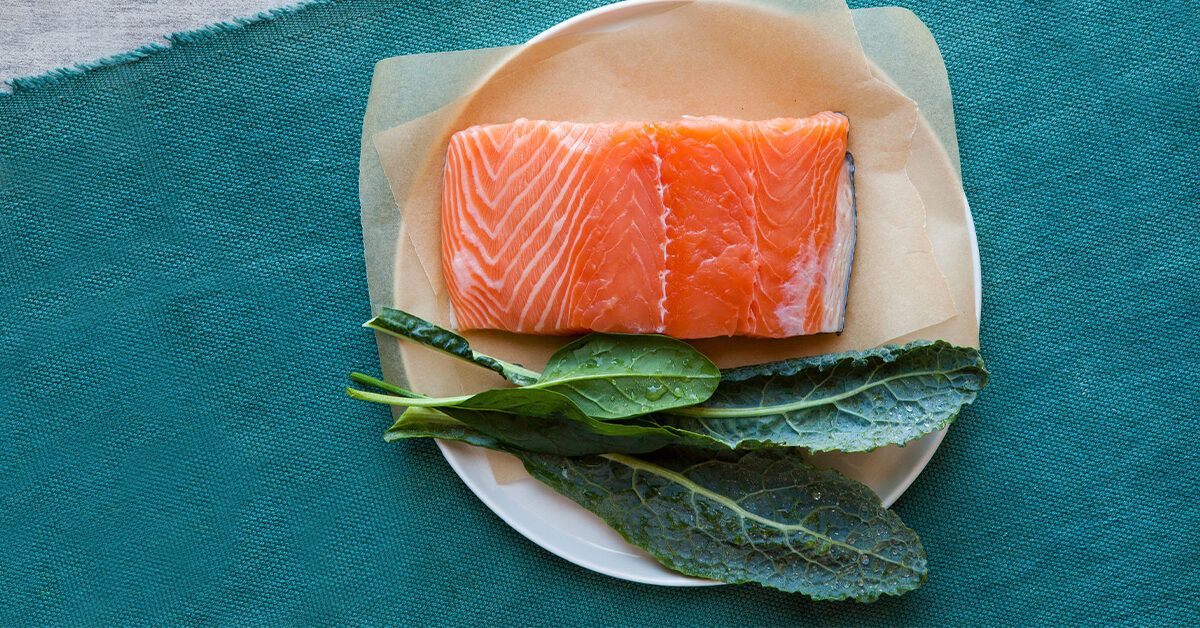
Oily fish, such as salmon, is high in omega-3 fatty acids. These are essential nutrients, which means you can only get them from foods. Every cell in your body needs omega-3 fatty acids. They are necessary for the correct functioning of the brain, eyes, heart, blood vessels, lungs, immune system, and endocrine system.

A 100-gram serving of wild Atlantic salmon contains about 2.2 grams (g) of omega-3s, along with 25.4 g of high-quality animal protein. It also provides vitamins and minerals, including magnesium, potassium, selenium, and B vitamins.

Salmon tastes good and is fairly simple to prepare. It also tends to make you feel full with relatively few calories.

When buying fish, always check it comes from a sustainable source.

summary

Fatty fish like salmon provides beneficial fatty acids, protein, vitamins, and minerals.

Sardines are small, oily fish that you can eat whole. They contain a little of almost every nutrient your body needs.

Like other fatty fish, they’re also high in heart-healthy omega-3 fatty acids.

summary

Small, oily fish like sardines are usually eaten whole, so you consume the organs, bones, and other nutritious parts. They contain a little bit of almost every nutrient you need.

Kale is a green, leafy vegetable that’s rich in vitamins, minerals, fiber, antioxidants, and various bioactive compounds.

It provides vitamins C, A, K, and B6, potassium, calcium, magnesium, copper, and manganese. A one-cup serving has only 9 calories.

summary

Kale is one of the most nutrient-dense vegetables you can eat, containing large amounts of vitamins, minerals, and potentially cancer-fighting compounds.

There are many types of seaweed and ways to use it in food. Nori, for instance, is used to wrap sushi.

Seaweed provides minerals such as calcium, iron, magnesium, and manganese.

It is also high in iodine, a mineral your body uses to make thyroid hormones.

Research suggests that polysaccharides and other nutrients in seaweed may also have antioxidant properties. This means they could help protect against oxidative stress, which plays a role in inflammation and other health issues.

The nutrients of seaweed are also available in supplement form.

summary

Sea vegetables are highly nutritious. They are a good source of iodine, which is essential for optimal thyroid function.

Garlic provides vitamins C, B1, and B6, calcium, potassium, copper, manganese, and selenium, as well as allicin, a sulfur compound.

While more research is needed, there is some evidence that allicin and garlic may help reduce the risk of heart disease by:

  • lowering blood pressure
  • reducing total and LDL (bad) cholesterol
  • raising HDL (good) cholesterol

A high intake of vegetables from the garlic family has also been linked to a lower risk of gastrointestinal cancer.

summary

Garlic is both tasty and healthy. It’s highly nutritious and contains bioactive compounds that have confirmed disease-fighting properties.

How to peel garlic

Clams, oysters, scallops, and mussels are types of shellfish that can be highly nutritious.

Clams are a good source of B vitamins, particularly vitamin B12. They also provide vitamin C, potassium, selenium, and iron.

As with other fish, be sure to obtain shellfish that are sustainable and safe to eat, as some seafood can contain mercury and other toxins.

summary

Shellfish are some of the most nutritious animals found in the sea. They’re very high in important nutrients like vitamin B12 and zinc.

Potatoes are good sources of potassium, magnesium, iron, copper, and manganese. They also contain vitamin C and most B vitamins. If you eat them with their jackets, they are a good source of fiber.

A 2021 study of data for adolescents in the United States found that those who eat potatoes are more likely to have higher levels of essential nutrients — such as B vitamins, fiber, protein, and a range of minerals — than those who don’t. However, there could be various reasons for this.

Potatoes are a high-satiety food, which means they are satisfying and filling. Some research suggests they may be more filling than other high-carb foods, such as rice or pasta. This can help people manage their weight, as they are less likely to snack after eating potatoes.

summary

Potatoes contain a little bit of almost every nutrient you need. They are filling and can provide large amounts of resistant starch.

One function of the liver is to store important nutrients for the rest of your body. As a food, this makes it highly nutritious.

A 3.5-ounce (100-gram) portion of beef liver contains significant amounts of:

  • vitamin B12
  • vitamin B5, vitamin B6, niacin, and folate
  • vitamin B2
  • vitamin A
  • copper
  • iron, phosphorus, zinc, and selenium
  • high-quality animal protein

Eating liver once per week is a good way to ensure that you get optimal amounts of these vital nutrients.

summary

Liver is a highly nutritious organ meat containing large amounts of B vitamins as well as other healthy substances.

Many berries are an excellent source of antioxidants.

Blueberries, for instance, contain anthocyanins and other polyphenols. Some research suggests these compounds can cross the blood-brain barrier and have a neuroprotective function.

The possible health effects of blueberries include:

  • improvements in thinking and mood
  • enhancing endothelial function, essential for healthy blood flow, in females with low estrogen and high blood pressure
  • inhibit the growth of cancer cells

However, more research is needed to confirm these findings.

summary

The nutrients in blueberries may increase the levels of antioxidants in your blood and help protect your brain.

Eggs provide high-quality protein and healthy fats and are a satisfying food. Their high satiety value means you are less likely to be hungry soon after eating. As a result, eating eggs for breakfast may help with weight loss.

Egg yolks contain vitamins, minerals, and various powerful nutrients, including choline. They’re also high in lutein and zeaxanthin, antioxidants that can protect your eyes and reduce your risk of eye diseases like cataracts and macular degeneration.

They are also cheap, flavorful, and easy to prepare.

summary

Whole eggs are so nutritious that they’re sometimes called “nature’s multivitamin.” Most of the nutrients are in the yolk.

Momordica charantia, also known as bitter melon or bitter gourd, is a cucumber-shaped vegetable with antioxidant properties.

It is commonly grown across parts of Asia, South America, and Africa, and has long played a role as a traditional medicine or medicinal food in some regions.

Research suggests the nutrients it contains may:

  • help manage blood sugar levels in people with diabetes
  • protect the brain and improve memory in people with Alzheimer’s disease
  • have anti-cancer properties

One 130-g cup of cooked bitter melon contains 53 calories and also provides:

  • fiber
  • calcium
  • magnesium
  • potassium
  • B vitamins
  • vitamins K, C, and A

Try it in the following recipes:

How can bitter melon benefit people with diabetes?

Cocoa powder provides iron, magnesium, copper, and manganese, as well as antioxidants. A cup of cocoa made with milk but no added sugar can make a nutritious treat.

Some studies have suggested that eating dark chocolate with a 70–85% cocoa content might reduce the risk of high blood pressure, high cholesterol, and heart disease.

However, the amount of nutrients you can get from eating a reasonable amount of chocolate is unlikely to have significant health benefits.

The American Heart Association recommends eating a little chocolate for enjoyment, but not for its health benefits.

summary

Dark chocolate and cocoa are very high in minerals and antioxidants. Eating them regularly may provide various health benefits.

Which food is the most nutrient-dense?

No single food can provide all the nutrients you need, but potatoes are high in nutrients and relatively easy to produce in many places, making them the most important non-cereal staple crop worldwide and essential for food security in many places.

Fried potatoes and potato chips, however, may be detrimental to health due to added fat and factors related to processing. Baked potatoes in their jackets are likely the healthiest option.

What is the number 1 healthiest food in the world?

It is not possible to identify a single healthiest food, but the healthiest diet will be one that contains a variety of fresh, plant-based foods and provides a range of nutrients.

What are some of the most nutritious foods?

Some of the most nutritious foods you can eat are oily fish, eggs, avocados, potatoes, and green leafy vegetables.

However, no food provides all the nutrients we need, so it’s essential to have a varied diet that includes plenty of fresh ingredients and is as little processed as possible.

The more processed a food is, the more likely nutrients are to be destroyed or unwanted nutrients — such as sugar — to be added.

What is one food you can survive on?

It is unlikely a person could survive for long on a single food, but the choice would depend on many factors, such as where you lived, access to cooking facilities, water content (if you didn’t have access to water), and the availability of the food.

Dates are high in antioxidants, minerals, and other nutrients. They provide energy and can help sustain life in harsh desert conditions. Some research suggests they may have health benefits. But, they do not provide protein or other nutrition you need long-term.

People have also used potatoes as a survival food, but eating only potatoes would likely have a negative effect on your health.

Nutrient-dense foods are rich in nutrients relative to their calorie content. These include various healthy foods such as whole vegetables, fruits, cocoa, seafood, eggs, and liver.

Adding these foods to your diet can make it healthier.

Typically, however, the best diet will always be one that contains as wide a variety of fresh foods as you can obtain and afford, as no single food can provide all the nutrients your body needs.

16 Most Anticipated Horror Movies Coming Out in 2023

0
16 Most Anticipated Horror Movies Coming Out in 2023

Our product picks are editor-tested, expert-approved. We may earn a commission through links on our site. Why Trust Us?

1

M3GAN

This content is imported from youTube. You may be able to find the same content in another format, or you may be able to find more information, at their web site.

The first major horror movie of the year may seem silly at first glance, but early reviews suggest M3GAN could be one of the best spooky flicks of the year. Starring Allison Williams, the film follows a woman who brings home a robot doll who becomes a little too protective.

Stream It Here

2

Infinity Pool

This content is imported from youTube. You may be able to find the same content in another format, or you may be able to find more information, at their web site.

INFINITY POOL – Official Trailer

Watch on

This is an image

What’s the secret to a good horror flick? Three things: Alexander Skarsgård, Mia Goth, and Brandon Cronenberg (who blew audiences’ minds a couple years ago with his movie Possessor). That’s the not-so-secret formula to Infinity Pool, about a rich couple who stay at an all-inclusive resort. Of course, that summary will pale in comparison to the grim, gory, and surprising plot the film will actually contain.

Stream it Here

3

Knock at the Cabin

This content is imported from youTube. You may be able to find the same content in another format, or you may be able to find more information, at their web site.

Knock at the Cabin – Official Trailer

Watch onWatch on YouTube

This is an image

Dave Bautista, Rupert Grint, Jonathan Groff, and more star in this M. Night Shyamalan film based on Paul G. Tremblay’s book The Cabin at the End of the World. While on vacation at a remote cabin, a family is held hostage by four strangers who demand the family provide a sacrifice to stop the apocalypse. If you’re an M. Night fan, well, it sounds like everything you’d expect from an M. Night production.

Stream it Here

Advertisement – Continue Reading Below

4

Scream 6

This content is imported from youTube. You may be able to find the same content in another format, or you may be able to find more information, at their web site.

SCREAM 6 Trailer (2023) Jenna Ortega ᴴᴰ

Watch onWatch on YouTube

This is an image

Fresh off the success of her hit show Wednesday, Jenna Ortega returns in the newest installment of the Scream franchise, which will take a change of scenery to New York City. It’ll also be the first film without the films’ long-time final girl, Sidney Prescott (played by Neve Campbell). This time, there’s no telling who’s going to live, and who’s going to get stabbed.

Stream it Here

5

Renfield

This content is imported from youTube. You may be able to find the same content in another format, or you may be able to find more information, at their web site.

Nicholas Hoult and Nicolas Cage star in this horror-comedy about Dracula and his assistant. Based on the character Renfield from Bram Stoker’s Dracula, the film also stars Awkwafina, Ben Schwartz, and others.

Stream it Here

6

Evil Dead Rise

This content is imported from youTube. You may be able to find the same content in another format, or you may be able to find more information, at their web site.

Evil Dead Rise – Official Trailer (Green Band)

Watch onWatch on YouTube

This is an image

The fifth installment in the Evil Dead franchise (created, originally, by horror god Sam Raimi), Evil Dead Rise originally was intended to premiere on HBO Max, but will now be released theatrically. Two sisters try to survive and save their family from creatures known as Deadites.

Stream it Here

Advertisement – Continue Reading Below

7

Beau Is Afraid

This content is imported from youTube. You may be able to find the same content in another format, or you may be able to find more information, at their web site.

Beau Is Afraid | Official Trailer HD | A24

Watch onWatch on YouTube

This is an image

Previously called Disappointment Blvd, Beau is Afraid stars Joaquin Phoenix and is written, directed, and produced by Hereditary and Midsommar‘s Ari Aster. Originally expected in 2022, this undoubtedly strange and spooky film will hit theaters this year.

Stream it Here

8

Insidious: The Red Door

This content is imported from youTube. You may be able to find the same content in another format, or you may be able to find more information, at their web site.

INSIDIOUS: THE RED DOOR – Official Trailer (HD)

Watch onWatch on YouTube

This is an image

Patrick Wilson will star in and direct (his directorial debut!) this next installment of the Insidious franchise, which will depict the formerly possessed Dalton Lambert, who now heads off to college.

Stream it Here

9

Talk to Me

This content is imported from youTube. You may be able to find the same content in another format, or you may be able to find more information, at their web site.

Talk To Me | Official Trailer 2 HD | A24

Watch onWatch on YouTube

This is an image

This Australian horror film follows a group of teens who use an embalmed hand to contact spirits. But the game quickly turns dangerous when one teen unlocks a particularly malevolent spirit.

Stream it Here

Advertisement – Continue Reading Below

10

Saw X

hollywood, ca october 25 actor tobin bell attends the premiere of jigsaw at arclight hollywood on october 25, 2017 in hollywood, california photo by jason laverisfilmmagic
Jason LaVeris

Although the previous Saw installment, 2021’s Spiral, was a disappointment, it’s possible Saw X, the tenth movie in the franchise, could entice audiences to care about Jigsaw and his gore-filled games again. Tobin Bell, who plays serial killer John Kramer (the controller of the creepy little doll), is set to return.

Buy Tickets Here

11

The Exorcist

the exorcist 2023
Blumhouse Productions

A sequel to the famous 1973 film, The Exorcist will star Leslie Odom Jr., Ellen Burstyn, and Ann Dowd. For now, that’s all we know, but it’s bound to be a major release around Halloween.

This film premieres on October 13, 2023.

12

Poor Things

This content is imported from youTube. You may be able to find the same content in another format, or you may be able to find more information, at their web site.

Poor Things | Official Trailer | Searchlight Pictures

Watch onWatch on YouTube

This is an image

Yorgos Lanthimos directs a stacked cast in Poor Things. Emma Stone, Mark Ruffalo, Willem Dafoe and many, many others make up this sci-fi romance about a woman who’s brought back to life by a scientist.

This film premieres on December 8, 2023.

Advertisement – Continue Reading Below

13

Cuckoo

cuckoo movie
NEON

Hunter Schafer stars in this horror movie about a teenager who moves with her parents to a resort, only to find out her new home may not be what it seems.

This film is set to premiere sometime in 2023.

14

The Deliverance

beverly hills, california december 11 andra day attends the public counsels annual william o douglas award dinner celebrating viola davis at the beverly hilton on december 11, 2022 in beverly hills, california photo by robin l marshallgetty images
Robin L Marshall

Andra Day, Mo’Nique, Omar Epps, Caleb McLaughlin (of Stranger Things fame), and Glenn Close star in this upcoming Netflix film directed by Lee Daniels. Based on a real-life haunting account, the film follows a mother in Gary, Indiana whose children appear to become possessed.

This film is expected to premiere on Netflix in 2023.

15

The Parenting

new york, new york october 02 edie falco poses at the opening night of the new tom stoppard play leopoldstadt on broadway at the longacre theatre on october 2, 2022 in new york city photo by bruce glikaswireimage
Bruce Glikas

Edie Falco, Brian Cox, Parker Posey, and others star in The Parenting, a horror-comedy about a gay couple who host a weekend getaway with their parents, which quickly turns dark when they all discover an ancient evil entity.

This film is expected to premiere in 2023.

Advertisement – Continue Reading Below

16

Nightbitch

los angeles, california november 16 amy adams attends disneys disenchanted premiere at el capitan theatre on november 16, 2022 in los angeles, california photo by axellebauer griffinfilmmagic
Axelle/Bauer-Griffin

Amy Adams will star in Nightbitch, a film based on a best-selling novel of the same name. It follows a stay at home mom who discovers she can transform into a dog, hence the film’s cheeky title.

This film is expected to premiere in 2023.

Headshot of Milan Polk

Milan Polk is an Editorial Assistant for Men’s Health who specializes in entertainment and lifestyle reporting, and has worked for New York Magazine’s Vulture and Chicago Tribune.


preview for Men's Health US Section - All Sections & Videos

Advertisement – Continue Reading Below

Advertisement – Continue Reading Below

How To Cope With Violent Images Of Hamas’ Attack In Israel

0
How To Cope With Violent Images Of Hamas’ Attack In Israel

Israel has declared war on Hamas after the Palestinian militant group, which the U.S. recognizes as a terrorist organization, launched a surprise attack from Gaza over the weekend, killing more than 900 people in Israeli towns near the Gaza border, per The Associated Press.

News of the attack quickly spread on social media, with images and videos of people taken hostage, killed in their homes, and gunned down at a music festival widely shared.

The Israeli military quickly responded to Hamas’ attack, and now, around 1,200 people have died on both sides of the violent conflict, according to The Associated Press.

On social media, the horrific videos and images from the attack in Israel have continued to circulate. And right now, it might feel like your entire feed is weighing in on the topic or re-sharing stories and videos of the devastation, which can be upsetting, says Hillary Ammon, PsyD, a clinical psychologist at the Center for Anxiety & Women’s Emotional Wellness.

While news broadcasters and writers will usually warn people before showing graphic images or videos, that doesn’t always happen on social media, she points out.

Meet the experts: Hillary Ammon, PsyD, is a clinical psychologist at the Center for Anxiety & Women’s Emotional Wellness. Thea Gallagher, PsyD, is a clinical assistant professor at NYU Langone Health and co-host of the Mind in View podcast. Gail Saltz, MD, is a clinical associate professor of psychiatry at The New York Presbyterian Hospital and host of the “How Can I Help?” podcast. Arianna Galligher, LISW-S, is the associate director of the STAR Trauma Recovery Center at the Ohio State University Wexner Medical Center.

“The content is being shared and re-shared so quickly, that often warnings are not provided and may land on your timeline before the social media company can blur the image or attach a warning,” Ammon says.

This can activate a fear or anxiety response in you, she says, noting that it can be “traumatizing” to see some of these images. “Sometimes, these images can become ‘sticky’ in an individual’s brain and continue to cause them distress afterward,” she says. “It may also increase overall anxiety about safety, or just raise anxiety levels in general.”

So, if you’re feeling upset after coming across violent images and videos in your feed, know that you’re not the only one, says Thea Gallagher, PsyD, a clinical assistant professor at NYU Langone Health and co-host of the Mind in View podcast.

“We’re empathetic people,” she says. “We can picture ourselves in someone else’s shoes.”

But while experts say these images are understandably disturbing, there are a few things you can do to help yourself deal.

First, check in with yourself.

You know yourself better than anyone else, so you probably have a good sense of what you can and can’t tolerate. Images, videos, and stories like the ones being posted on social media from Israel and Gaza right now can be “triggering” for some, Ammon says.

“My recommendation is to check-in with your personal gauge,” she says. “If you’re noticing persisting distress after learning about these events, it may be beneficial to take some breaks from social media or news consumption.”

If you still want updates, Ammon says you can ask trusted friends or family for information on events. You can still stay informed without diving into disturbing details, says Gail Saltz, MD, clinical associate professor of psychiatry at The New York Presbyterian Hospital and host of the “How Can I Help?” podcast.

“Turn off the cable news and stop scrolling through online sources that give you images,” she says. “You can take a break and bring down your anxiety level while still staying aware.”

Talk about it.

Connecting with family and friends and talking about what’s on your mind can help you process what you’ve been seeing, Gallagher says.

“This may help you understand why and how it’s impacting you,” she says.

Sit with it for a moment.

Telling yourself not to think about something upsetting can sometimes make it hard to think about, well, anything else, Gallagher points out. So, you may want to carve out a few minutes to just tap into what you’re thinking and feeling.

“It’s okay to sit with some of your sadness,” Gallagher says. “For many, there’s confusion and a lack of understanding around the nuances that exist here. Let yourself sit with those feelings and process them.”

Arianna Galligher, LISW-S, associate director of the STAR Trauma Recovery Center at the Ohio State University Wexner Medical Center, agrees, adding that it’s important to normalize having an emotional response to terrible events.

“Empathy for those who are suffering is part of what makes us human, and we don’t want to get rid of that,” she says.

Do what you can to help.

It’s easy to feel hopeless in situations like this, but Ammon says that doing something to help support others can feel empowering. If you’re looking into donating, you can try International Red Cross, Doctors Without Borders, Save the Children, and more.

“Often, it can be beneficial to explore how you can help the populations being impacted in a way that doesn’t force you to consume information about the events,” she says.

If you’ve tried all of these tips and are still struggling, it doesn’t hurt to connect with a licensed mental health professional to talk further.

“If you find that it’s difficult to focus your attention on anything else, if you’re having prolonged difficulty—beyond a day or two—with sleep, if you’re having difficulty functioning at work or school, or if your relationships with others are starting to suffer, it may be helpful to talk with a mental health professional,” Galligher says.

“Counseling can help you process your own emotions and come up with a plan for how you want to move through them in a way that’s healthy, safe and effective.”

Korin Miller is a freelance writer specializing in general wellness, sexual health and relationships, and lifestyle trends, with work appearing in Men’s Health, Women’s Health, Self, Glamour, and more. She has a master’s degree from American University, lives by the beach, and hopes to own a teacup pig and taco truck one day.

The 12 best toothpastes in October 2023, according to dentists

0
The 12 best toothpastes in October 2023, according to dentists

Good oral hygiene isn’t just about the type of floss you use or whether you prefer electric or manual toothbrushes. In fact, the right toothpaste can make or break your dental health. With seemingly endless choices available, purchasing the right one can be a challenge. Additionally, there are so many different variations to choose from depending on your needs, including toothpastes that whiten teeth, prevent tartar buildup, optimize gum health and more.

SKIP AHEAD Best toothpaste for adults | How to shop for toothpaste | Toothpaste for specialized needs

We talked to dentists about what to avoid, and how to shop for toothpaste — including what key ingredients to look for and stay away from. We also rounded up a handful of toothpastes that will deep clean your teeth, prevent cavities and freshen breath after you use them.

How we chose the best toothpastes

  • American Dental Association Seal of Acceptance: When you see the ADA’s Seal of Acceptance, it means the brand submitted data and other materials to the ADA and the organization determined that the product meets specified safety and efficacy requirements, explained Dr. Edmond Hewlett, professor at the UCLA School of Dentistry.
  • Fluoride: All toothpastes with the ADA’s Seal of Acceptance contain fluoride, an ingredient experts told us is proven to be effective in fighting cavities.
  • Flavor: As long as the toothpaste you choose has the ADA Seal, flavor is entirely a personal preference.
  • Specialized options: In addition to protecting teeth from cavities, some toothpaste offers additional benefits like whitening, or is made for those experiencing tooth sensitivity, for example.

Best toothpastes for adults in October 2023

Below, we highlighted basic toothpaste varieties as well as a few options designed for sensitive teeth, which experts said anyone can use, regardless of whether or not you are experiencing tooth sensitivity. If you’re looking for the best whitening toothpaste or the best kids toothpaste, we rounded up ADA-accepted options separately. For each product, we included its flavor and the size of each tube.

Best anti-cavity toothpaste

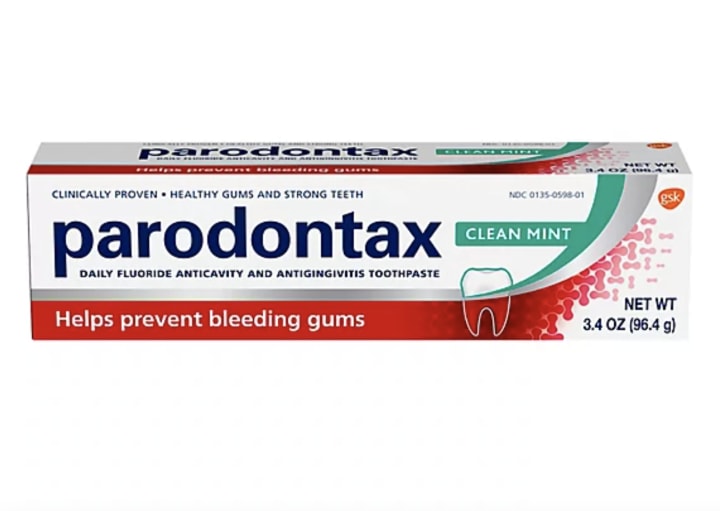
Parodontax Clean Mint Daily Fluoride Toothpaste

Flavor: Mint | Size: 3.4 ounces


Arm & Hammer Dental Care Toothpaste

Flavor: Fresh Mint | Size: 6.3 ounces


Aim Cavity Protection Gel

Flavor: Ultra Mint | Size: 5.5 ounces

Colgate Cavity Protection Fluoride Toothpaste

Flavor: Mint | Size: 6 ounces (two tubes)

Crest Cavity Protection Cool Mint Gel

Flavor: Cool Mint | Size: 4.2 ounces


SprinJene Fresh Boost Fluoride Toothpaste

Flavor: Mint | Size: 5 ounces

Quip Mint Anticavity Toothpaste

Flavor: Mint or Watermelon | Size: 4.7 ounces

PRO-SYS Mint Fluoride Toothpaste Gel

Flavor: Mint | Size: 4 ounces (three tubes)

Best sensitive toothpaste

Sensodyne Toothpaste

Flavor: Fresh mint and fresh impact | Size: 4 ounces (two tubes) | Select 2023 Wellness Awards Winner


Crest Pro-Health Gum and Sensitivity

Flavor: Mint | Size: 3.7 ounces (three tubes)

CloSYS Fluoride Toothpaste

Flavor: Gentle mint | Size: 7 ounces


AloeSense Toothpaste

Flavor : Fresh mint | Size: 5 ounces


How to shop for toothpaste

When buying a new tube, there are three main questions you should consider, said Dr. Breno Reboucas, a professor at the Boston University School of Dental Medicine:

  1. Does it have the ADA seal of acceptance?
  2. Does it contain fluoride?
  3. Does it address any additional needs your specific teeth may require?

All toothpastes that earn the ADA Seal of Acceptance contain fluoride, and while Hewlett said there’s been controversy over fluoride for decades, “it’s one of the most well-documented therapies in all of dentistry,” he explained. Additionally, toothpastes with the ADA Seal of Acceptance do not contain flavoring agents like sugar that cause or contribute to tooth decay.

Aside from picking a toothpaste with the ADA Seal of Acceptance, choosing one is mostly a matter of personal preference, said Reboucas. As long as you do not select a fluoride-free option, anything you enjoy using is the right choice for you.

Brushing your teeth with toothpaste is only one element of an oral care routine, according to Hewlett. In order to effectively remove plaque and prevent tooth decay, gingivitis, gum disease and bad breath, you should also visit your dentist regularly, as well as use mouthwash and floss daily (or use a water flosser).

Toothpaste for specialized needs

Some adults’ teeth have additional needs that specialized toothpaste options can address. Reboucas said specialized toothpastes contain specific active ingredients to help with issues like sensitivity and tartar build-up. Some whitening options are made with hydrogen peroxide, the same ingredient that is often found in other teeth whitening products, in order to remove surface stains from teeth. Anti-erosion toothpastes usually contain ingredients to restore the minerals in tooth enamel — like sodium fluoride and stannous fluoride — and harden them over time.

Experts told us it’s important to speak with your dentist about your unique oral hygiene needs to decide if you should purchase specialized toothpaste. “Your dentist knows your oral health status better than anybody and is an advocate for your oral health, so consult with them and see what toothpaste they recommend for you,” Hewlett said.

What about charcoal toothpaste, “natural” toothpaste and solid toothpaste?

Dentists often field questions from patients about “trends” in the toothpaste space and whether these products are effective. We asked experts to share a few of the most common toothpaste trends they’re asked about and what we should know about them.

Charcoal toothpaste

Charcoal is often thought of as an ingredient that can absorb toxins and bacteria on your teeth or in your mouth — similar to how it purifies water. However, experts agree that you should not use it. There are no charcoal toothpastes with the ADA Seal of Acceptance, and a study published in The Journal of The American Dental Association found that there wasn’t enough evidence to support efficacy claims. Experts also said that using charcoal toothpaste may damage the outer layer of enamel since charcoal is abrasive.

“Natural” toothpaste

“Currently, the FDA does not define the term ‘natural toothpaste,’ which leaves consumers to define what natural means to them,” said Dr. Kate Zoumboukos of SW Austin Dental. She said it’s common for the term “natural toothpaste” to describe options that are free of artificial flavors and ingredients, preservatives, sweeteners and dyes. Experts agree that any toothpaste marketed as “natural” is effective so long as it has the ADA Seal of Acceptance.

Solid toothpaste

Toothpaste most often comes in a gel or paste form, but some brands sell solid toothpaste, usually in the form of a tablet you chew into a gum-like substance before brushing your teeth with it. There are no solid toothpaste options that have the ADA Seal of Acceptance, and thus they do not meet our experts’ guidance.

Meet our experts

At Select, we work with experts who have specialized knowledge and authority based on relevant training and/or experience. We also take steps to ensure that all expert advice and recommendations are made independently and with no undisclosed financial conflicts of interest.

  • Dr. Edmond Hewlett, DDS, is a professor at the UCLA School of Dentistry, where he also serves as the associate dean for equity, diversity and inclusion.
  • Dr. Breno Reboucas is a professor at the Boston University School of Dental Medicine, teaching about both pediatric dentistry and general dentistry. He also practices at the Boston University Dental Health Center.
  • Dr. Kate Zoumboukos practices dentistry at SW Austin Dental in Texas. She also participates in humanitarian dental mission trips and routinely speaks to local schools about the dental profession.

Why trust Select?

Zoe Malin has been covering dental care for over a year at Select and has written guides about teeth whitening products, floss, toothbrushes and more. For this piece, Zoe interviewed three dentists and researched dozens of toothpastes on the market. We recommended toothpastes that meet expert shopping guidance, contain fluoride and have the ADA Seal of Acceptance.

Catch up on Select’s in-depth coverage of personal finance, tech and tools, wellness and more, and follow us on Facebook, Instagram and Twitter to stay up to date.

10 Healthy Diet Choices to Make Your Meals Work for You

0
10 Healthy Diet Choices to Make Your Meals Work for You

If you asked 10 people how they would define “healthy diet,” you would likely get several different answers. The most basic definition of a healthy diet is that it best supports your overall health and wellness and prevents disease. While certain foods have been scientifically proven to fit this definition, a healthy diet must be personalized.

This article examines what it means to design a healthy diet, including tips for eating healthy and what foods to incorporate—and which to minimize.

Alavinphoto / Getty Images


What Does “Healthy Diet” Mean to You?

When you’re trying to design a healthy diet for yourself, the first order of business is to determine what a healthy diet means. The word “healthy” is subjective and is defined differently depending on whom you ask. Overall, a healthy diet for you may not look the same as a healthy diet for someone else.

Consider the following factors when you’re determining what a healthy diet means to you.

Macronutrient Composition

Counting calories and macronutrients (carbohydrates, fats, and protein) is unnecessary for most people. Some people may benefit from keeping track if their ultimate goal is healthy weight loss, while others are better off focusing on the overall quality of their dietary pattern. Determine which better aligns with your goals and preferences.

Food Quality

We live in a world where “healthy” and “natural” are widely used marketing terms to persuade consumer purchasing decisions. However, these descriptors aren’t always accurate. Rather than buying packaged items proclaiming health benefits, veer toward minimally processed plant foods and lean proteins. These are always your best sources of nutrition.

Nutrients of Concern

If your healthcare provider has ever identified a nutritional insufficiency in you, add sources of those nutrients to your diet. Sometimes, a healthcare provider will recommend that you take an additional supplement to make up for deficiencies.

Activity Level

If you lead an active lifestyle, ensuring your dietary pattern provides the energy and nutrition needed to support your performance is essential. Have you tried driving your car 100 miles on a near-empty tank? It just doesn’t work. The same is true for fueling your body to function correctly.

Medical Conditions

If you have existing medical concerns, such as having heart disease or obesity, this can influence the types and amounts of certain foods that might make up your healthy diet pattern. Consider these when determining your version of a healthy diet.

How Foods Make You Feel

Beyond the nutritional composition of the foods in your diet, it’s important to notice how your body responds to certain foods. For instance, if you experience any adverse reactions to a food, it may be best to exclude it from your diet.

Your Budget

Healthy eating does not mean you must shop at a particular store or spend a certain amount each week. Some of the most nutritious foods, like canned beans, dried lentils, tofu, and bananas, are the least expensive.

Foods to Incorporate Into a Healthy, Balanced Diet

Nutrition is a continuously evolving science. However, certain aspects of nutritional science are undisputed.

Diets based on minimally processed foods are associated with better health outcomes. Consider these types of foods when planning your healthy eating pattern:

  • Fruits: Apples, pears, berries, avocado, tomatoes, grapes, and oranges
  • Vegetables: Leafy greens, broccoli, sweet potatoes, Brussels sprouts, onions, and mushrooms
  • Whole grains: Oats, barley, millet, quinoa, amaranth, brown rice, and 100% whole wheat
  • Legumes: Chickpeas, lentils, green peas, peanuts, black beans, and kidney beans
  • Nuts: Almonds, walnuts, cashews, Brazil nuts, and pistachios
  • Seeds: Sunflower seeds, pepitas, hemp seeds, chia seeds, sesame seeds, and flax seeds
  • Lean proteins: Fish, tofu, and tempeh

On the other hand, the Western diet is associated with a higher prevalence of obesity and risk for other chronic conditions, such as heart disease, diabetes, digestive disorders, inflammatory conditions, and cancers.

This way of eating is generally characterized by a high intake of saturated and trans fats, sodium, and added sugar from ultra-processed and animal-derived foods and sugary beverages. It also lacks health-promoting nutrients like fiber, vitamins, minerals, and antioxidants.

Everyday Tips to Plan a Healthier Diet

Once you better understand the healthiest type of dietary plan for you, you can start implementing some positive habits.

Some tips to help you make healthy food choices include:

  • Evaluate your current eating pattern: Get clear about where you’re starting by writing down three days of typical meals, snacks, and beverages to provide a snapshot to work from.
  • Identify areas for improvement: As you reflect on your current eating pattern, note areas you can change for the better. Create goals around how you will make healthier choices.
  • Take inventory: Pull foods from your freezer, fridge, and pantry that you want to find a purpose for, and think of some ways you might use them.
  • Make a plan for the week ahead: Based on your inventory, early in the week, outline a weekly eating plan. Planning is a great habit that can help prevent last-minute food choices that don’t support your goals.
  • Find inspiration and support: Healthy eating is easier when you have others doing it with you or when you have helpful resources available. Find support from friends, family members, or coworkers who have similar goals.
  • Keep your eye on the goal: Healthy eating doesn’t mean making perfect choices at every meal and snack opportunity. Allow yourself the freedom to prioritize nutrition and joy through food.

Which Diets Are Healthy for Most People?

Whether you’re talking to a group of people or searching the internet for answers, you can find advice in support of any way of eating. That’s why it’s important to stick to what the science has to say.

For most people, a healthy diet consists of the following:

  • Predominantly plant-based foods: Foods like fruits, vegetables, whole grains, legumes, nuts, and seeds are nutrient-dense, meaning that they provide an abundance of nutrition in a small serving. They are naturally anti-inflammatory, high in fiber, vitamins, minerals, and antioxidants, and only contain natural sugars (versus added ones).
  • Minimal ultra-processed foods: Fast foods, sugary beverages, and other convenience items tend to provide empty calories. This means they contribute to your overall energy intake but tend to be poor in overall nutrition, leaving you unsatisfied.
  • Balance and variety: A healthy eating pattern incorporates different types of foods. You might think about it in terms of eating the rainbow and creating balanced meals. Different colors and types of foods help provide a variety of nutrients.

Involve Your Healthcare Provider

When you’re trying to make a significant diet change to support your health or are unsure what a healthy diet should look like, ask for help.

Healthcare providers are a resource for all your health needs, including what you’re eating. While most medical doctors are not thoroughly trained in nutrition (though some are), they can refer you to a registered dietitian.

A registered dietitian has an extensive education in human nutrition, including completing a dietetic internship, registration exam, and continued education credits. They can provide you with individualized nutrition advice to support your health goals.

Summary

While “healthy” is a subjective term, there’s no denying the positive connection between a healthy diet and overall well-being. Research shows that eating a varied diet based on minimally processed foods, an array of plant foods, and limiting ultra-processed items is the best approach for most people. This way of eating provides a variety of important nutrients that support long-term healthy outcomes.

Verywell Health uses only high-quality sources, including peer-reviewed studies, to support the facts within our articles. Read our editorial process to learn more about how we fact-check and keep our content accurate, reliable, and trustworthy.
  1. World Health Organization. Healthy diet.

  2. Oleribe OO, Ukwedeh O, Burstow NJ, et al. Health: redefinedPan Afr Med J. 2018;30:292. doi:10.11604/pamj.2018.30.292.15436

  3. Howell S, Kones R. “Calories in, calories out” and macronutrient intake: the hope, hype, and science of caloriesAm J Physiol Endocrinol Metab. 2017;313(5):E608-E612. doi:10.1152/ajpendo.00156.2017

  4. Locke A, Schneiderhan J, Zick SM. Diets for health: goals and guidelinesAm Fam Physician. 2018;97(11):721-728.

  5. Kim JY. Optimal diet strategies for weight loss and weight loss maintenanceJ Obes Metab Syndr. 2021;30(1):20-31. doi:10.7570/jomes20065

  6. DeJesus JM, Du KM, Shutts K, Kinzler KD. How information about what is “healthy” versus “unhealthy” impacts children’s consumption of otherwise identical foodsJ Exp Psychol Gen. 2019;148(12):2091-2103. doi:10.1037/xge0000588

  7. Kiani AK, Dhuli K, Donato K, et al. Main nutritional deficienciesJ Prev Med Hyg. 2022;63(2 Suppl 3):E93-E101. doi:10.15167/2421-4248/jpmh2022.63.2S3.2752

  8. Vitale K, Getzin A. Nutrition and supplement update for the endurance athlete: review and recommendationsNutrients. 2019;11(6):1289. doi:10.3390/nu11061289

  9. Pallazola VA, Davis DM, Whelton SP, et al. A clinician’s guide to healthy eating for cardiovascular disease preventionMayo Clin Proc Innov Qual Outcomes. 2019;3(3):251-267. doi:10.1016/j.mayocpiqo.2019.05.001

  10. Cena H, Calder PC. Defining a healthy diet: evidence for the role of contemporary dietary patterns in health and diseaseNutrients. 2020;12(2):334. doi:10.3390/nu12020334

  11. Rakhra V, Galappaththy SL, Bulchandani S, Cabandugama PK. Obesity and the western diet: how we got hereMo Med. 2020;117(6):536-538.

  12. Clemente-Suárez VJ, Beltrán-Velasco AI, Redondo-Flórez L, Martín-Rodríguez A, Tornero-Aguilera JF. Global impacts of western diet and its effects on metabolism and health: a narrative reviewNutrients. 2023;15(12):2749. Published 2023 Jun 14. doi:10.3390/nu15122749

  13. Klein L, Parks K. Home meal preparation: a powerful medical interventionAm J Lifestyle Med. 2020;14(3):282-285. doi:10.1177/1559827620907344

  14. Ducrot P, Méjean C, Aroumougame V, et al. Meal planning is associated with food variety, diet quality and body weight status in a large sample of French adultsInt J Behav Nutr Phys Act. 2017;14(1):12. doi:10.1186/s12966-017-0461-7

  15. Craig WJ, Mangels AR, Fresán U, et al. The safe and effective use of plant-based diets with guidelines for health professionalsNutrients. 2021;13(11):4144. doi:10.3390/nu13114144

  16. Dobrow L, Estrada I, Burkholder-Cooley N, Miklavcic J. Potential effectiveness of registered dietitian nutritionists in healthy behavior interventions for managing type 2 diabetes in older adults: a systematic reviewFront Nutr. 2022;8:737410. doi:10.3389/fnut.2021.737410

  17. Jortberg BT, Fleming MO. Registered dietitian nutritionists bring value to emerging health care delivery modelsJ Acad Nutr Diet. 2014;114(12):2017-2022. doi:10.1016/j.jand.2014.08.025


By Lauren Panoff, MPH, RD

Lauren Panoff, MPH, RD, is a plant-based dietitian, writer, and speaker who specializes in helping people bring more plants to their plate. She’s a highly respected writer in the health and nutrition space and loves talking about the power of diet. Lauren aims to connect people with the information and resources to live their healthiest, fullest life.

How to talk to your children about conflict in Israel and Gaza, Hamas : NPR

0
How to talk to your children about conflict in Israel and Gaza, Hamas : NPR

Palestinian children walk past debris in the courtyard of a school run by the United Nations Relief and Works Agency for Palestine refugees following Israeli airstrikes targeting Gaza City on Monday.

Mohammed Abed/AFP via Getty Images


hide caption

toggle caption

Mohammed Abed/AFP via Getty Images


Palestinian children walk past debris in the courtyard of a school run by the United Nations Relief and Works Agency for Palestine refugees following Israeli airstrikes targeting Gaza City on Monday.

Mohammed Abed/AFP via Getty Images

The scale of last weekend’s surprise attacks by Hamas militants on Israel has staggered Israel and the world.

Hundreds of Israelis have been killed, thousands injured and dozens still held hostage by Hamas, young children included. Israel’s ongoing retaliation has left hundreds of Palestinians dead, at least 90 children among them, according to the Palestinian Ministry of Health. And humanitarian groups are warning of a coming crisis if Israel follows through on its vow to cut off food, water and electricity to Gaza, where nearly half of residents are under 18 years of age.

The news is alarming for anyone — and especially for children, who may be left grappling with questions about why other children are among those affected, and whether they are safe. Here’s some advice on how to get started with talking to kids about the conflict.

Be proactive about starting the conversation

Children of all ages deserve a conversation, said experts interviewed by NPR — even those without loved ones who live in Israel or Gaza.

Many children are likely to have heard something already, experts agreed, whether from peers at school, by picking up on news broadcasts or by overhearing adults’ conversations.

Often parents choose to sit back, believing that their kids will start a conversation when they feel ready. That can be a mistake, said Waheeda Saif, a program coordinator at Riverside Trauma Center in Massachusetts. “We don’t want to wait for our kids to come to us,” she said.

Instead, Saif suggests using open-ended questions to start a conversation: “‘Have you heard what’s been going on in the world?’ ‘Have you heard anything about what’s going on in Israel and Palestine?’ And just see what they say, and take it from there,” she said.

Older children with access to the internet should be encouraged to be skeptical of videos shared on social media and offered help with evaluating news sources, experts said.

And for younger children, it can be important to assure them of their safety, several said.

“They may actually think it’s happening much closer to them than it is. They may not realize quite how far away in the world these events are happening,” said Saif. Parents can use a map to show the distance between their home and where the conflict is occurring.

Check in with yourself and brush up on the facts

The best conversations with children about difficult subjects often means talking less and allowing kids to ask questions, said Dimitry Anselme, executive program director at the education group Facing History & Ourselves.

“They need context more than our opinions or political positions. That’s not very helpful to them,” Anselme said.

For parents to provide that context most effectively, Anselme advised parents to do an internal check-in before opening a conversation with their children. “Start with yourself. Do some personal reflection,” he said. “Brush up and make sure you have an understanding of the basic elements of what’s happening in the conflict.”

(Here are some stories to get you started: What is Hamas? What is the Gaza Strip? And here’s the latest update on events.)

Kids can handle tough topics

Children, even those who are quite young, can handle complex topics. Parents need not shy away from explaining historical context to their children, said Maha Bali, a professor of practice at the Center for Learning and Teaching at the American University in Cairo.

During a previous outbreak of violence between Hamas and Israel in 2021, Bali realized that her 9-year-old daughter had already read about Anne Frank and the Holocaust — but she hadn’t yet learned about the history of Palestine.

“It was important to know about the Holocaust. It was important to know about Hitler. Therefore, she was also probably ready to learn about Palestine,” Bali said.

Together, she and her daughter discussed the region’s history, from the formation of Israel out of British-held Palestine in the wake of World War II all the way through the still-running blockade of Gaza, in which Israel controls the flow of people and goods into and out of the territory.

There’s no need to oversimplify the conflict. Experts cautioned against equating the actions of individuals or organizations with entire populations.

“We’re talking specifically about this individual, this group of individuals. We’re not making a general statement about all Jews, all Palestinians,” said Anselme of Facing History & Ourselves.

It’s OK if you don’t have all the answers

It’s important for parents and guardians to know that it’s OK if they don’t have all the answers, said Sivan Zakai, a professor of Jewish education at Hebrew Union College-Jewish Institute of Religion.

“When children are asking parents profound questions about the world — especially about violence in the world — it might initially sound like they’re asking their parents to be historians and political scientists all rolled into one,” Zakai said. “But … often their questions are actually asking, ‘How can I live in this world even when there are all sorts of terrible things that happen?'”

As pessimistic as you may feel about the state of the world, she added, be sure to allow your child the freedom to imagine (and work toward) a better future.

“Children have a beautiful ability — one that adults sometimes lack — to look head on in the face of violence and still believe in the bottom of their hearts in the future possibility of peace and of coexistence and of resolution to this conflict,” she said.