Home Blog Page 24

Nearly all-male health committee swapping in women for women’s health study – National

0
Nearly all-male health committee swapping in women for women’s health study – National

Ahead of a planned study of women’s health that’s set to kick off public hearings this month, a parliamentary committee is in the process of ensuring it has more women involved.

Currently, men take up all but one spot on the 12-member House of Commons health committee, including as the chair and both vice chairs, a fact that sparked social media criticism and questions last week when hearings for the women’s health study were first scheduled.

That’s about to change, the Liberal chair of the committee says.

“Everyone within the Liberal caucus was acutely aware that it would be inappropriate to have a committee dominated by males studying women’s health,” Charlottetown MP Sean Casey told Global News in an interview.

“The pressure on social media and elsewhere, you know, reinforced that urgency. But it was something that was going to happen anyway.”

Story continues below advertisement


Click to play video: 'Racism partly to blame for unequal health care provided to Indigenous women: PHAC'


Racism partly to blame for unequal health care provided to Indigenous women: PHAC


Casey said one regular Liberal member of the committee, Nova Scotia MP Darren Fisher, will be replaced by New Brunswick Liberal MP Jenica Atwin. Other Liberal men on the committee are arranging temporary trades with women caucus members, he added, which is being “encouraged” by the party whip in charge of approving such trades.

Chairs and vice-chairs of committees receive salary top-ups of $13,200 and $6,500, respectively, on top of their $194,600 salaries as MPs. Regular members of committees do not receive pay top-ups.

Fisher responded to one social media question earlier this month by agreeing there was a “clear lack of gender diversity” on the health panel and other parliamentary committees, writing that he has “brought this issue up” with the Liberals.

Casey said his party has a tougher time filling committee seats with more women because of the Liberal government’s gender-balanced cabinet, which includes parliamentary secretaries.

Story continues below advertisement

“We have 58 female members; 19 are in cabinet and therefore can’t take on committee responsibilities,” he said. “One is on medical leave. … There are 13 parliamentary secretaries so they can do some committee work, but they have a pretty substantial workload … and one is the chair of National Caucus.

“So look at those numbers and consider the fact that there are 22 standing committees. You’ll see why some trades have to be made in order to make it work. And that’s what’s happening.”

Atwin will join fellow Liberal Sonia Sidhu, who up until this month was the only permanent women member of the committee.


Click to play video: 'Women’s health crisis in southern Alberta: The current situation'


Women’s health crisis in southern Alberta: The current situation


The Conservatives and NDP told Global News they also plan to temporarily swap out their members for women for the purposes of the women’s health study.

Story continues below advertisement

“As is standard practice, the Conservatives will exercise our ability to substitute members on the committee with female members of our caucus,” spokesperson Sebastian Skamski said in an email.

NDP health critic Don Davies, who introduced the motion at committee to launch the women’s health study last year, said he is asking women in his party to take his seat for the hearings.

“While the NDP has only one seat on the health committee, I have invited women MPs from our caucus to sit in my place for the purpose of this study,” he said in a statement emailed by the party. “I have also submitted a list of witnesses for this study, 100 per cent of whom are women.

“The NDP looks forward to seeing this long overdue study on women’s health unfold in the coming weeks.”

The Bloc Quebecois, whose member Luc Theriault serves as vice-chair of the committee, did not respond to requests for comment on whether he will give up his seat for a woman MP from the caucus.

Casey said he will continue to chair the meetings throughout the study.


Click to play video: 'Addressing gaps in Black health care'


Addressing gaps in Black health care


He explained that preparations for the study, including memberships, couldn’t begin until dates were set for the women’s health study hearings.

Story continues below advertisement

The first meeting, which is set to hear from Health Canada representatives, was then repeatedly pushed back by other committee business, and is now scheduled for Nov. 27, Casey said.

Davies said he sought to launch the study due to “the historical lack” of one ever having been conducted by Parliament.

“This will allow Parliamentarians to hear from experts on women’s health and advise on the policy changes needed to ensure Canadians get the care they need,” he said.

The committee has so far received 18 briefs from a variety of experts and advocacy groups for the purposes of the study. The submissions range from calls for better mental health resources for women, to improved breast cancer screening and gynecological services, to protections for LGBTQ2 women in Canada.

Casey agreed the study is “long overdue.”

“The way we decide what to study basically comes forward from the members,” he said. “The NDP raised it, made a compelling case, and the committee agreed to dedicate time to it.”

&copy 2023 Global News, a division of Corus Entertainment Inc.

Capital Area Dental Foundation helps Season for Caring 2023 families

0
Capital Area Dental Foundation helps Season for Caring 2023 families

When it comes to weight, your ‘diet’ is much more than what you eat

0
When it comes to weight, your ‘diet’ is much more than what you eat

Atkins, keto, palaeo, gluten-free, low-carb, low-fat, high-fat, raw, vegan, vego, pescatarian – phew, that’s a lot of different diets!

And it’s by no means an exhaustive list.

The old adage ‘you are what you eat’ has come to be a mantra for good diet and health. It was originally coined by 19th-century German philosopher Ludwig Feuerbach, himself drawing on commentary by an earlier French gourmand Anthelme Brillat-Savarin.

Increasingly, science is finding new connections between diet and our overall picture of health. You may have heard how our gut microbiome acts as a second brain, or that avoiding unprocessed foods can lead to all-cause mortality.

Ludwig Andreas Feuerbach. Credit: Public Domain

But when it comes to many fad diets that promise quick weight loss or improved health, the science can sometimes be skimp. This can change over time as researchers test the influence of diet on general health, weight management and as a medical treatment.

The Mediterranean diet is probably closest to the mark as a lifestyle of choice, in terms of overall health, nutrition, and diet science. It emphasises fruit and vegetable consumption, with some wholegrain breads and cereals, legumes, nuts, seeds and fish, with olive oil as a primary fat source.

This diet is either explicitly endorsed by many health authorities around the world such as the American Heart Association, the Royal Australian College of General Practitioners as a diet for lowering cardiovascular disease risk, or used as a basis for other recommendations. The World Health Organization also advises on ways for the Mediterranean and similar New Nordic diets to be implemented as health policy.

But diet might be better considered about more than what goes in one’s mouth.

Dr Evangeline Mantzioris, Program Director of the Nutrition and Food Sciences Degree at the University of South Australia, says a truer interpretation of the world extends beyond merely food and drink.

“The word diet actually derives from the Greek word diaita, which means the way you choose to live your life,” Mantzioris told the Debunks podcast.

Newsletter

“So it’s not just about the food, it’s about the exercise, it’s about the social interaction, it’s about the rest. It’s about the sleep. It’s all of that.”

The WHO’s 2019 Health Evidence Network Synthesis Report also acknowledges both social and sleep components of the lifestyle, noting shared eating practices, post-meal siestas and lengthy meal times all contribute to positive health effects.

In terms of the nutritional component, Mantzioris notes that adherence to the diet requires not just an uptake of olive oil, but cutting down on less beneficial foods and an active lifestyle.

Tomatoes, parsnip, radishes, brussel sprouts, squash, carrots, beetroot, and leaves
Credit: Sharon Pittaway, Unsplash

“It’s not just the olive oil, it’s dropping down the meat, it’s mainly a plant food diet, it’s purposeful exercise,” she says.

“I’m always a little bit nervous when people just talk about the diet and the food without considering the rest of it.

“In the 60s, when the health benefits of the Mediterranean diet were seen […] they were out there harvesting, growing their food, preparing their food, doing all that sort of purposeful exercise in the outdoor environment, often in quite steep terrain. So that is just as important.

“The Mediterranean diet continues to be shown to be quite healthy and beneficial in terms of improving chronic disease risk, even without weight loss.”

Mantzioris says that the diet has also been shown to improve cognitive and mental health outcomes.

Diet is the focus of the latest episode of Debunks from Cosmos and 9Podcasts, where we dive not simply into what makes a good diet, but the principles that dieticians and nutritionists look for when recommending one for a patient to consider.


Environmental tobacco smoke and children’s health: a bibliometric and altmetric analysis of 100 most cited articles | BM…

0
Environmental tobacco smoke and children’s health: a bibliometric and altmetric analysis of 100 most cited articles | BM…

Analysis of the top 100 cited articles on exposure to ETS and its impact on children’s health provides a varied yet persuasive read. This study links conventional indicators of bibliometrics with the modern digital dissemination measures for studies relating to ETS and CH. Currently, they appear to have discrete but reciprocal parts in assessing the broadcasting and influence of these publications.

One of the most striking features of the list is papers that appeared in journals with a low IF garnered substantial citations, whereas articles emerging in high-IF journals received limited references. The Pediatrics journal had the maximum number of articles (n = 12, JIF 9.703), whilst the British Medical Journal with maximal IF 93.333, presented only four studies. This suggests that citations are more dependent on the content and scientific ‘popularity’ of the research topic among researchers than the JIF. This study observed 33 articles with 100 or greater citation counts, thus making them citation classics [16]. They were cited between 100 and 641 times when the evaluation was employed with Scopus. A comparison across multiple data sources revealed variations in citation numbers; citations varied between ranges of 41–641 (Scopus), 35–549 (WoS), and 38–984 (Google Scholar). This difference underscores the purport of selecting a relevant scientometric database. Scopus provides a wide breadth of journals (n = 12,850) than WoS (n = 8,700) and quicker citation analysis. WoS and Google Scholar were not used as benchmark data sources for numerous grounds. In WoS, missing and incorrect references are major issues. Google Scholar includes citation data from books, preprints, theses, and dissertations which may influence the evaluation of the top publications [17]. Interestingly, two highly cited papers by Weitzman M on “Maternal Smoking and Childhood Asthma” and “Maternal Smoking and Behavior Problems of Children” were only found in Scopus and Google Scholar but not in WoS. It is worth noting that while citation counts do not delineate the study quality, it imitates its acclaim within the research community and impact on shaping discussions, controversies, practice guidelines or further investigations [18].

Although older literature is likely to be more frequently referenced, we observed a significant inclination towards recently published articles, with 33 papers that were released within the last decade. This can be attributed in part to the increasingly prominent role of digital platforms in evidence-based medicine, enabling manuscripts to explore novel concepts and guide future research trajectories. Interestingly, over the years the number of co-authors has risen substantially, with a preponderance of publications having more than three authors. A possible explanation could be increased awareness and interest among researchers of numerous institutes and countries about the potential benefits that studies in the purview of ETS could provide in children’s health. The average number of researchers per publication was 6.19. Frank D. Gilliland, a leading investigator in air pollution research, respiratory health, and gene-environment interactions, was on top of the list with six articles and a mean citation density of 29.31. In this analysis, it was observed that authors tend to collaborate quite frequently with authors affiliated with the same university or country. Frank D. Gilliland and Kiros Berhane had maximum collaborations with researchers. More coalition amongst investigators can be expected in the future.

As evidenced by the present study and in concordance with other bibliometric studies in varied fields, the majority of studies stemmed from academic institutes in the United States. Countries with a stronger economic background are inclined towards biomedical research, perhaps due to better scientific resources and funding. Despite the high prevalence and fatalities associated with exposure to ETS among children in low- and middle-income nations, there were limited population-based investigations performed within these regions. This study recognized a trend towards collation between the United States and several other nations, including the United Kingdom, Sweden, Italy, Netherlands, Poland, Germany, Switzerland, Greece, Denmark, Spain, China, Canada, Australia. Notably, among the top 100 cited articles, there were only two randomized controlled trials and five systematic reviews, while narrative reviews dominated with a count of 32. It is important to acknowledge the challenges of conducting randomised controlled trials for hazardous exposures like ETS even when trying to implement beneficial interventions. Furthermore, with the colossal size of publications, researchers may incline to consolidate and synthesize the existing information on a topic in the form of a literature review. Though Cochrane reviews have been internationally acclaimed as the highest level of the evidence base, they could ensure only one position in this study. A plausible explication of the lower citation counts could be that they are yet to attain a substantial age of publication. Fifty-five percent of the research papers were observational (cohort or cross-sectional). This finding could be attributed to the relatively lower resource requirements and costs associated with these study designs. Fundamental explorations in the etiopathogenesis of ETS have emanated from this study design. As the evidence-based philosophy is being propagated globally, it is essential to prioritize meticulously planned high-quality clinical studies on ETS and CH. Urgent attention must be directed towards conducting large longitudinal studies that span from preconception until childhood to gain a better understanding of how exposure to ETS impacts subclinical childhood health outcomes, such as neuropsychologic impairments. Additionally, large-scale case-control studies are required to investigate gene-environment interactions for relatively uncommon diseases like childhood malignancies. However, there are two challenges present within this field: exposure misclassification and statistical methodologies required for dealing with intricate interactions comprising multiple dimensions. Future research efforts could immensely benefit from using archives of exposure biomarkers which hold crucial information on prenatal and childhood determinants of adult diseases. While the primary target organ for ETS exposure is the lungs it comes as no surprise that a considerable number of studies (n = 31) focussed on respiratory outcomes such as asthma, wheezing, pneumonia, acute respiratory infections, and lower respiratory infections. There exists a substantial amount of evidence to support the causal relationship between exposure to ETS and respiratory ailments as compared to other conditions. There was a scarcity of studies assessing the association between ETS and atopic eczema (n = 9) or otitis media (n = 8). Similarly, the number of articles about ETS and snoring, and obesity were also low. The relationship between ETS and childhood dental caries is an area of research that is expanding. Furthermore, the expeditious growth of DNA methylation has aided the ranking of epigenetic papers, a part of Precision Environmental Health, to gain notable traction in the past ten years. It is paramount to take cognizance of the detrimental effects of ETS on childhood illnesses that could potentially influence their health trajectory throughout adult life. A collaborative effort between communities, healthcare professionals and government bodies at all levels must be pursued to explore novel solutions within the realm of children’s environmental health. Thereby, successfully translating and communicating research findings into actionable interventions. Finally, the process of triangulation of evidence by means of reviews and pointing sources of bias in different study designs can help strengthen the degree of causality from multiple study designs [19].

The evaluation also focused on both the authors’ chosen keywords and those indexed in the papers. The commonly used term “human” was frequently observed, along with gender-specific words such as “male” and “female.“ Thus, when searching for papers related to ETS and CH, employing generic keywords may result in a more compendious search.

The conventional citation-based indicators do not assess the social media realm. As highlighted in additional file 3 the highest altmetirc score was displayed by a mechanistic review of tobacco smoke altering the immune responses in the lung triggering inflammation by Strzelak et al. (2018). This article was broadcasted through various news outlets and tweets; nineteen and seven times, respectively. On the contrary, the second article ‘Housing Characteristics and Children’s Respiratory Health in the Russian Federation’ published in 2004, was broadcasted by seven agencies but received low Twitter dissemination. From this study, we see the growth in Twitter and news outlets’ distribution of research cognates by a regress in blogs, CiteULike, and Facebook’s use to exchange scientific literature. Conjectures can be derived if these configurations demonstrate an alteration in the overall repute or if more distinct role changes amid social network types have led to this makeshift; however, further investigation is warranted. The percentage of papers with the maximal AAS suggests a huge diversity among the journals with 8% published in the Pediatrics journal followed by 5% each in the International Journal of Epidemiology and Environmental Research journal.

The relationship between the citations in WoS, Scopus, Google Scholar, and the observed AAS was poor. The lack of relation between the number of citations and AAS can be elucidated either by the varied nature of the items which have been taken for estimation or the distinct responses of a scholar/populace to a publication. A strong correlation was noted between Dimensions count and Scopus, WOS, and Google Scholar citation count. Dimensions count may be paramount since it can partially overcome the bias of Altmetric owing to the inconsistent features of social networks [20]. The AAS of environmental tobacco smoke and child health articles was not significantly correlated with the quartile of the journals. Similar results have been stated by other studies [21, 22]. Altmetric outcomes need to be conferred with prudence since the articles published before the burgeoning of the social media landscape may be under-represented [23]. Altmetrics evaluates the immediate influence of an article, in contrast to the traditional metrics where papers may take more than a decade to attain maximal citations [22]. Our findings displayed social media mentions reached a peak in the first five years after publication, this is in accordance with similar studies [21, 24].

Besides the aforementioned time delay in citations, the results of the study should be expounded with caution. Bibliometric and altmetric analyses have numerous inherent limitations. Firstly, landmark studies, over time, achieve fewer citations as their findings are absorbed into current knowledge without the necessity for referencing. This is referred to as “obliteration by incorporation” [16]. To mitigate this, we discerned articles by citation density. Second, self-citations can have an impact on citation counts. In this analysis, however, a major variance between the total number of citation counts and citations was not reported after excluding self-citations. Third, only articles published since July 2011 are picked up by Twitter. Also, the Bookmarklet works only on PubMed, arXiv, or Google Scholar pages containing a DOI [14]. Hence, the probability of influential articles not being cited by social media scientometrics cannot be ruled out. Fourth, altmetrics recognize the level of online activity of research without distinguishing between the publicity or the research output quality [15]. Fifth, altmetrics weight allocation in the generation of scores is related to the developer’s inference about their anticipated goal for every media platform [24]. Thus, there may be an imbalance in the contribution of diverse sources to AAS. Sixth, researchers can “game” the system by generating added mentions for their projects on a social forum [25]. This type of manipulation bias was improbable in the present study as Altmetric Explorer was used as a search engine.

Alternative metrics are in their early stages, and there is meager data about the elements of social platforms to certainly elucidate a definite association amidst novel metrics and bibliometrics. It is ambiguous if media presence leads to higher citations or if aspects that steer greater citation counts lead to increased social networking activity. Although the social web may have some cogency on the distribution of an article, alternative metrics ought to be employed alongside traditional bibliometric measures for assessing research impact comprehensively. Future investigations should explore methods to construct a comprehensive stratagem that integrates both citation-based and social media-based indicators for evaluating research outcomes.

Use the ‘Repeat and Beat’ Method to Guarantee Strength and Size

0
Use the ‘Repeat and Beat’ Method to Guarantee Strength and Size

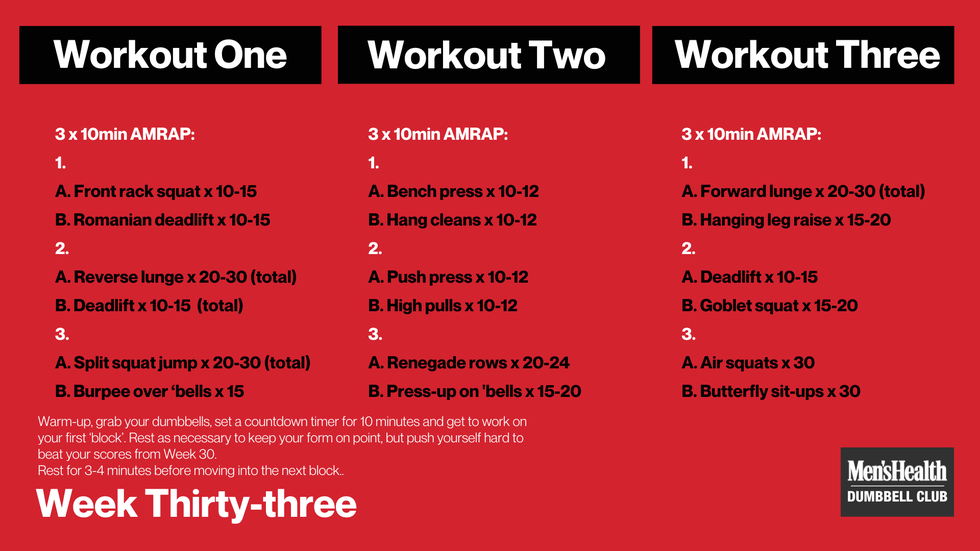
Welcome to the Men’s Health Dumbbell Club, your weekly plan for a fitter, stronger body, using just two dumbbells. With workouts lasting from 20-40 minutes, and designed to add lean muscle, build fitness and increase strength, your weekly dose of dumbbell goodness drops every Monday.

Click here to head back and check out previous weeks, or simply get stuck in to our latest offering — week 33 – and follow the programme from here.

New This Week…

This week we’re hitting week four our exploration of ‘density training’, and without making it too confusing, this is week two of our ‘repeat and beat’ phase. As with last week, we’ll be taking another crack at the workouts from the first half of this series, aiming to smash through our previously achieved rep ‘scores’ and promote progressive overload, which in turn will result in gains in strength as well as muscle growth. The golden rule? If you’re seeing improvements in the notebook, improvements in the mirror aren’t be far behind.

If this is your first week in the club, still take careful notes of your reps and come back to this workout in a few weeks time to test your progress. Each movement has a suggested rep range. Depending on the weights you have available, try to work towards the higher end of the range, coming close to failure.

How To Perform Density Blocks

Each 10-minute ‘density block’ consists of two back-to-back movements designed to compliment each other. Your goal is to perform as many rounds as possible (with perfect form). Suggested rep ranges are given. Choose your weights accordingly if you have access to a selection of dumbbells. If not, begin each block by ensuring you have around 3-5 reps still left in the tank, but keep your rest to a minimum until it becomes increasingly difficult to hit your target reps. Eventually you may have to drop the reps, but keep moving. Keep grinding way, resting just long enough to make a note of how many reps you achieve in each set, creating a total for each movement at the end of each block.

Rest for 3-4 minutes between blocks — changing weights if necessary — before attacking each new block following the above guidelines.

Day One (W33/D1)

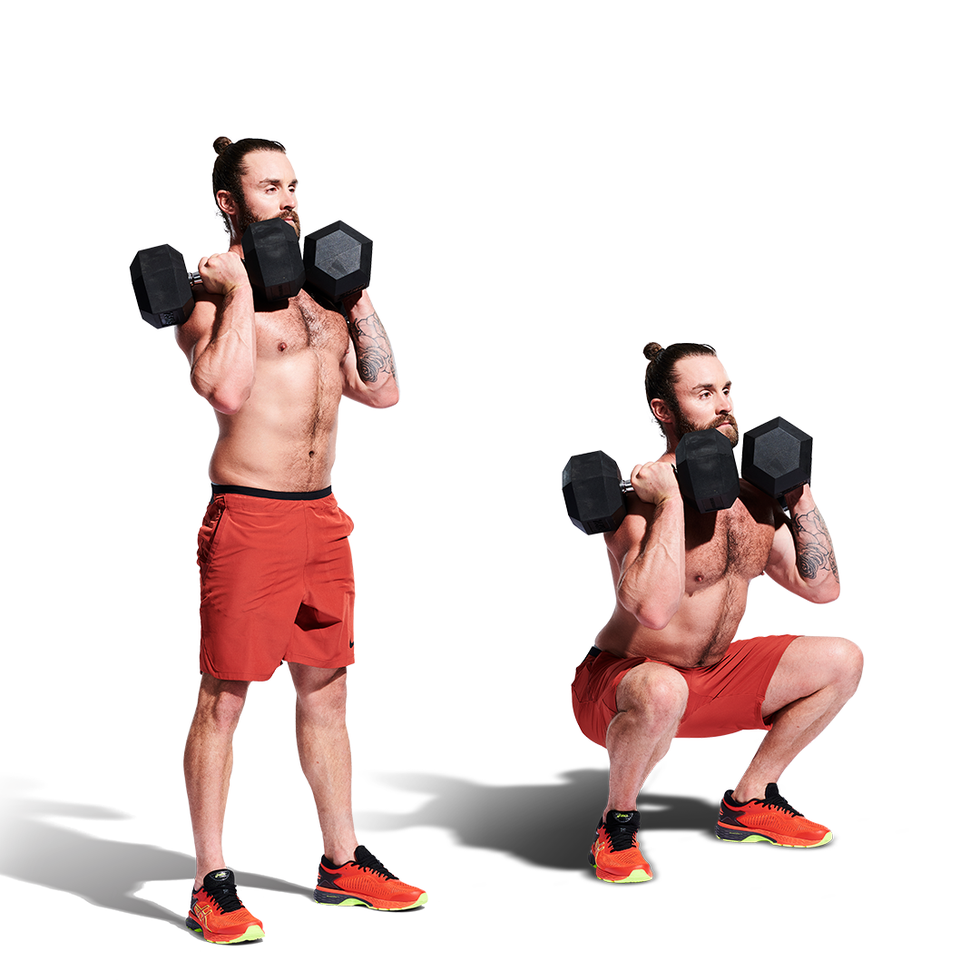
1A. Front Squat x 10-15

Clean your dumbbells onto the front of your shoulders (A). From here, drop into a front squat, by pushing your hips back and bending at the knees until your thighs pass parallel to the ground (B), before driving back up explosively. Keep those dumbbells secured high, with a strong, upright torso throughout.

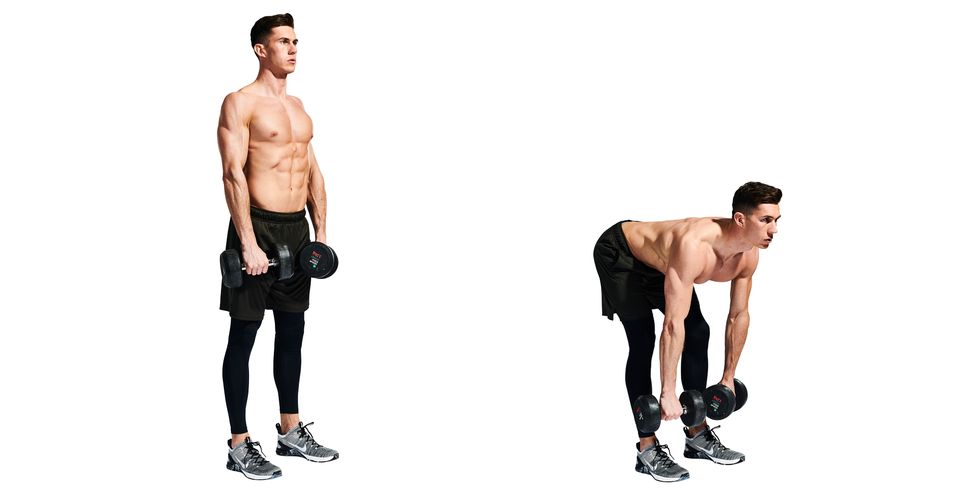
1B. Romanian Deadlift x 10-15

romanian deadlift

Stand tall with your dumbbells at your sides, feet at shoulder width (A). With a slight bend in the knees, push your hips back and slowly lower the bells towards the ground (B), pinching your shoulders back and maintaining a flat back. When you feel a deep stretch in your hamstrings, pause and explosively return to an upright position.

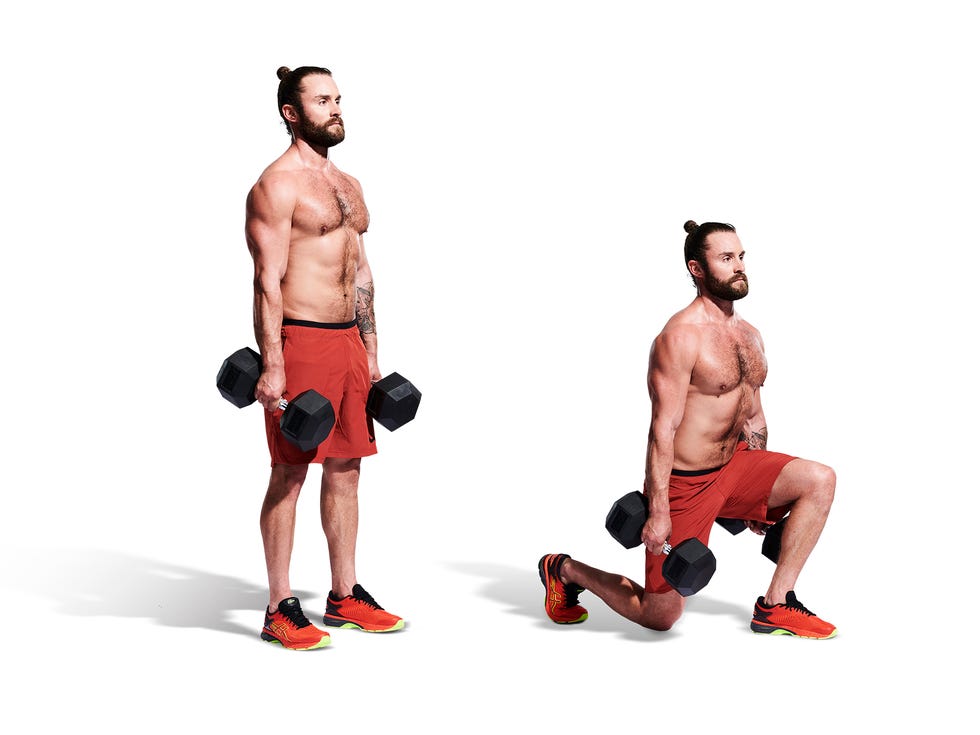
2A. Reverse Lunge x 20-30 (total)

leg, human body, shoulder, human leg, elbow, standing, joint, chest, knee, facial hair,

Drop your dumbbells to your sides (A). Keeping your chest up at all times, take a step backward with one leg, bending your front knee until the back knee touches the ground (B). Stand up explosively, pause and repeat with the other leg. Alternate back and forth. Each step equals one rep.

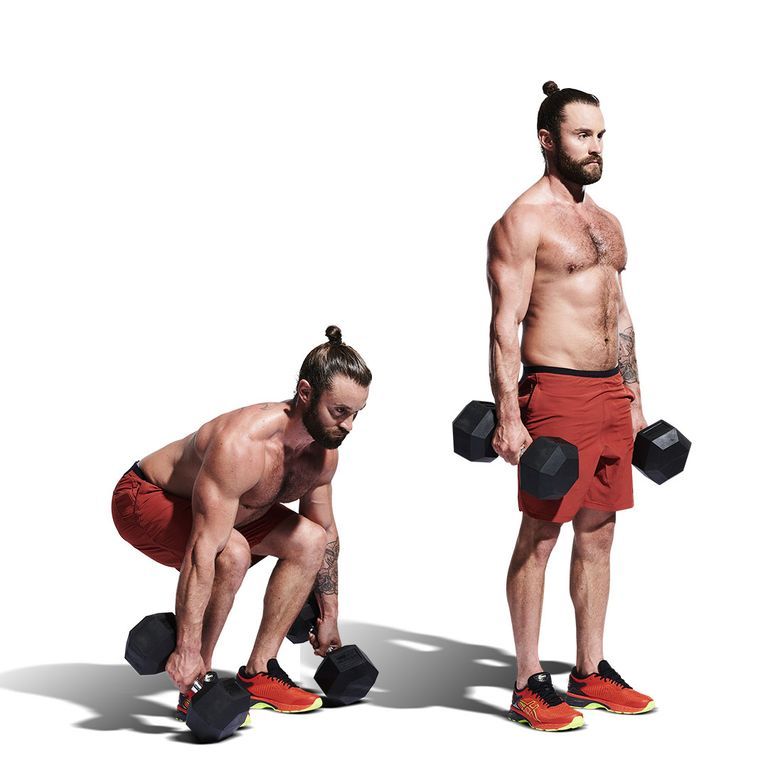
2B. Dumbbell Deadlift x 10-15 reps

db dumbbell deadlift

With your dumbbells on the floor just outside of your feet, hinge down and grip them with a flat back and neutral spine (A). Engage your lats and stand upright, ‘pushing the ground away’ with your feet, keeping your chest up and black flat throughout (B). Lower them back to the ground in a hinging motion and repeat. Avoid excessive rounding in your lower back, keeping your form tight throughout.

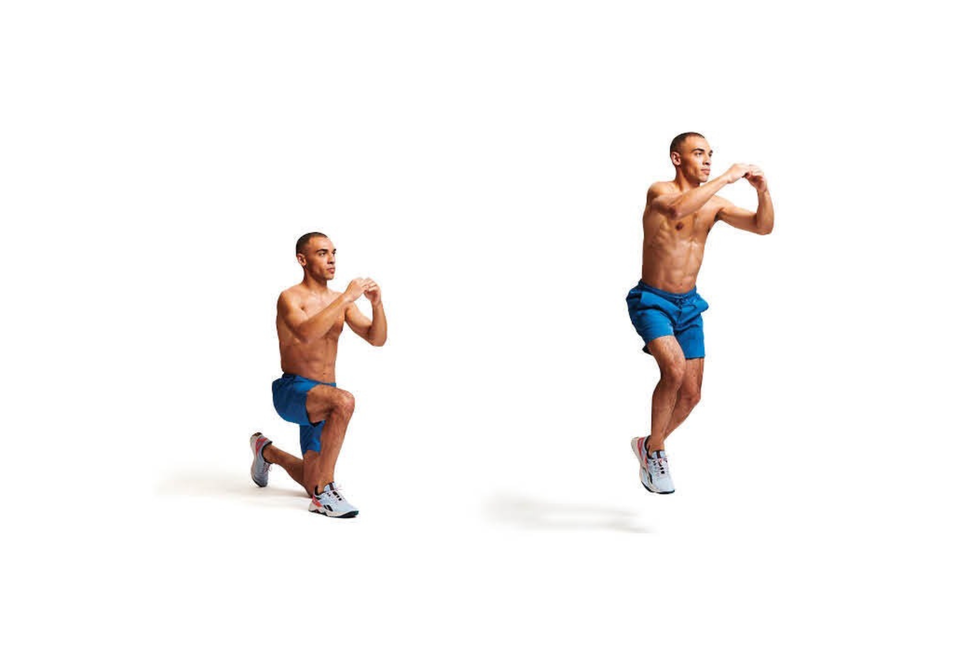
3A. Split Squat Jump x 20-30 (total)

split squat jump jumping lunge

Step one foot backward and sink into a deep lunge, with your rear knee lightly touching the floor (A). Next, explode upward, jumping into the air and switching legs mid jump (B) to land in a lunge position with the opposite leg forward. Repeat the movement, alternating legs each rep. Keep this movement as fast paced as possible, focussing on maximising the height of each jump.

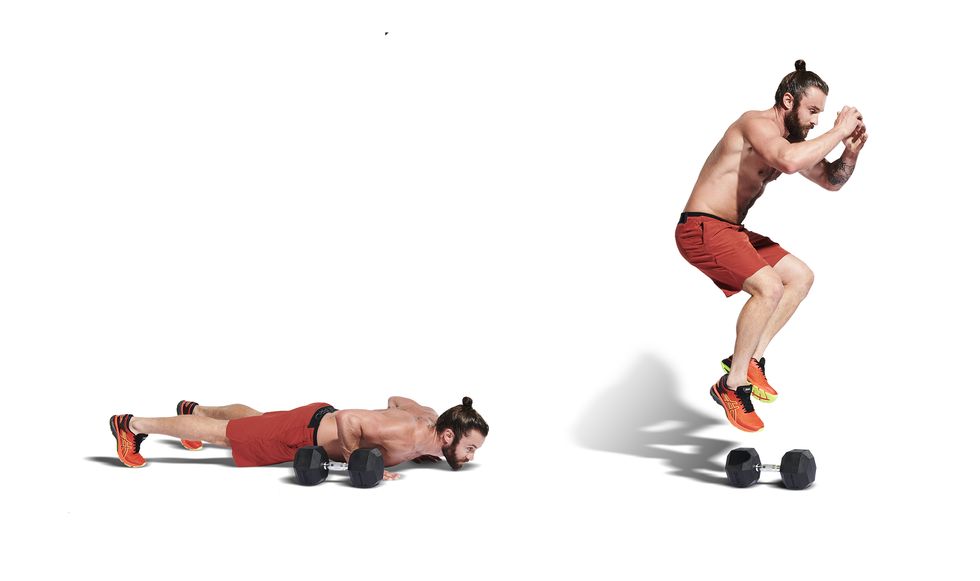
3B. Burpee Over ‘Bells x 15

arm, human leg, joint, elbow, knee, shorts, wrist, thigh, trunk, muscle,

No rep range here, just aim to perform exactly 15 reps, as quickly as possible, with good form. With both dumbbells on the floor next to you step back and hit the deck into a press-up position. Lower your body until your chest touches the floor (A). Stand back up and jump powerfully over the dumbbells (B) – driving through your hips when you take off. Land and immediately drop to the floor and repeat. The dumbbells keep you accountable for the height of each jump.

Day Two (W33/D2)

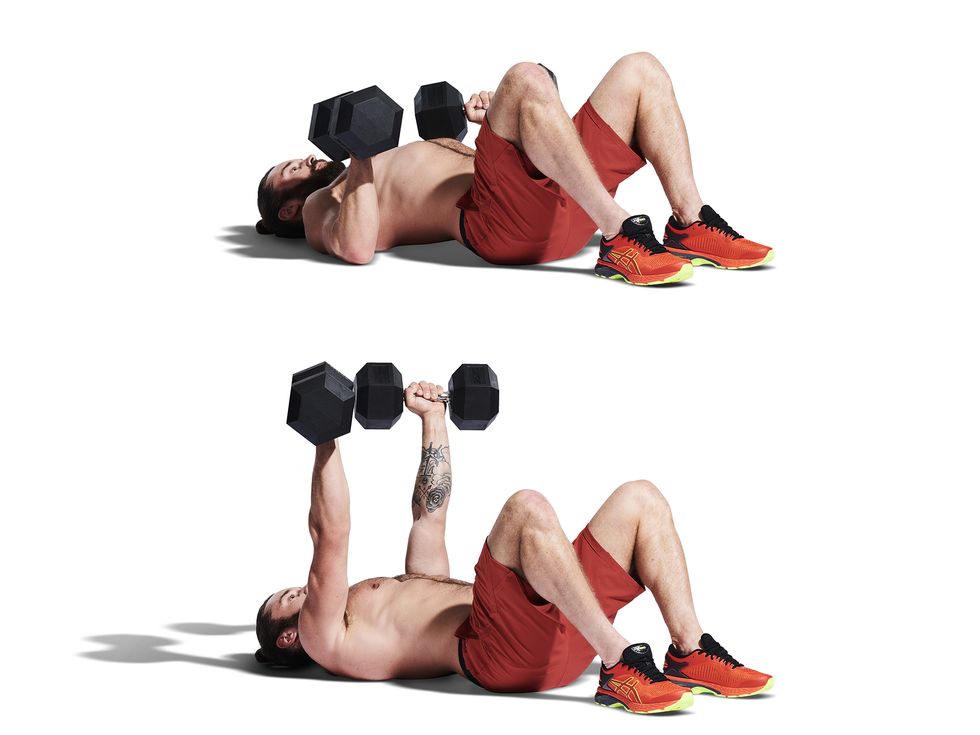
1A. Dumbbell Floor (or Bench) Press x 10-12

weights, arm, shoulder, muscle, leg, abdomen, joint, exercise equipment, dumbbell, physical fitness,

Lay flat on your back with your knees bent and your feet flat on the ground. Press the weights above you, locking out your elbows (A). Lower them slowly until your upper arms are resting on the floor (B), close to your body, pause here before explosively pressing back up. If you have a bench, use it.

1B. Hang Cleans x 10-12

weights, exercise equipment, muscle, shoulder, arm, dumbbell, standing, kettlebell, sports equipment, bodybuilding,

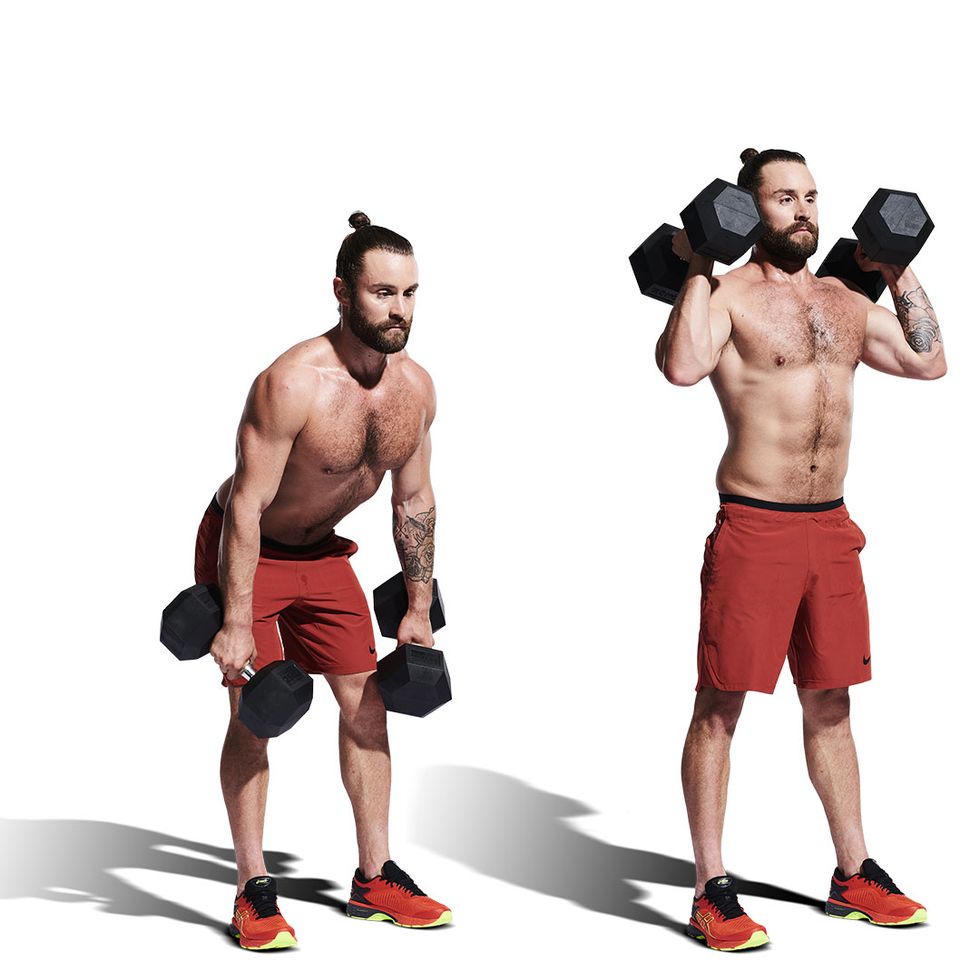
Stand up and hold your dumbbells at your side. Hinge at the hips to lower them to your knees (A). Stand back up with a slight jump, using the momentum to pull the dumbbells on to your shoulders (B). Stand up straight, then lower under control to your sides and repeat.

2A. Push Press x 10-12

weights, exercise equipment, shoulder, overhead press, kettlebell, arm, dumbbell, physical fitness, standing, muscle,

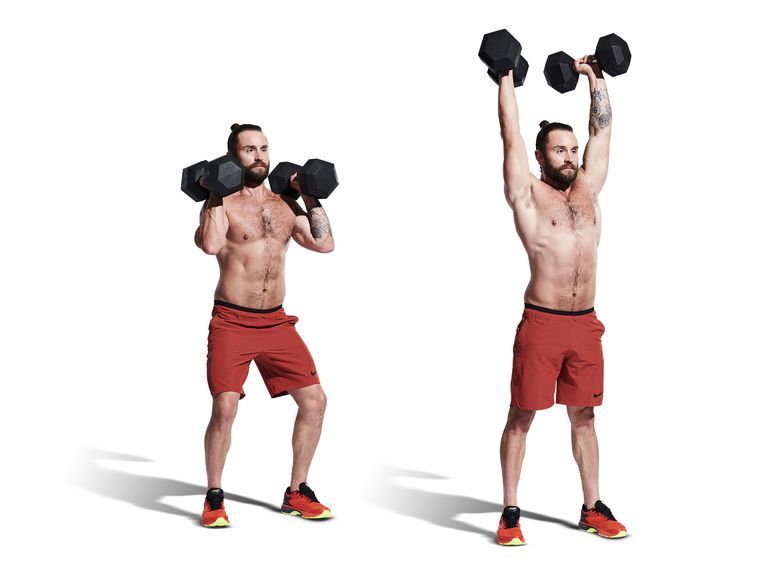
Clean your dumbbells onto your shoulders, palms facing in. Take a breath and create tension in your core. (A) Dip at the knees and use your legs to help (B) press your dumbbells overhead. Lower with a controlled tempo to your shoulders and repeat. If your weights feel a little too light, don’t use any drive from the legs and focus on a strict press from the shoulders.

2B. High Pull x 10-12

dumbbell high pull

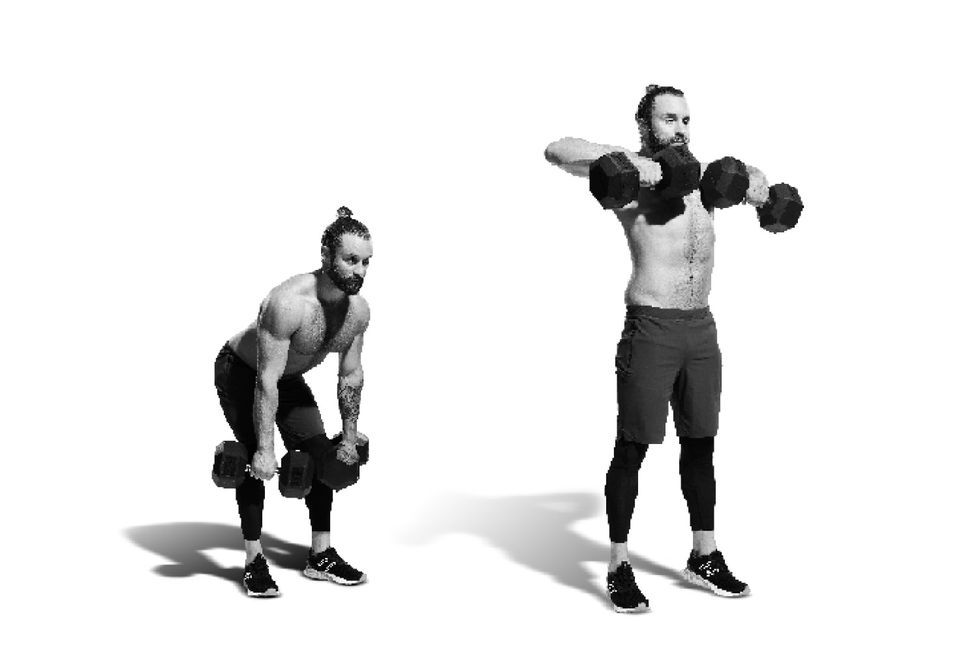
Stand tall with your dumbbells at your waist, in front of your body. (A) Keeping your core tight, hinge forward slightly before explosively standing back upright and pulling the dumbbells up towards your chin, driving your elbows up and back (B). Slowly lower back down to your waist under complete control. Avoid simply dropping your dumbbells back to your waist to build more muscle and avoid injury. If your dumbbells feel light, avoid the help from your hips and simply stand tall and pull the weights up by driving your elbows to the back of the room.

3A. Renegade Row x 20-24 (total)

weights, press up, arm, exercise equipment, kettlebell, muscle, physical fitness, chest, dumbbell, fitness professional,

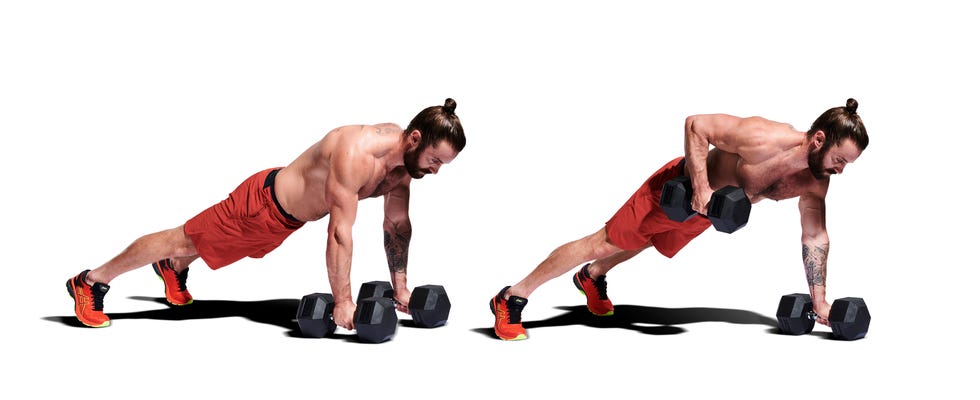
Drop into a press-up position with your hands on your ‘bells and midline tight (A). Shifting your weight onto your left hand, row the right dumbbell towards your hip (B). Pause briefly, then lower the weight under control. Repeat on your left side (each row equals one rep).

3B. Tempo Press-Ups on Dumbbells x 15-20

press up, weights, arm, exercise equipment, kettlebell, muscle, chest, dumbbell, joint, physical fitness,

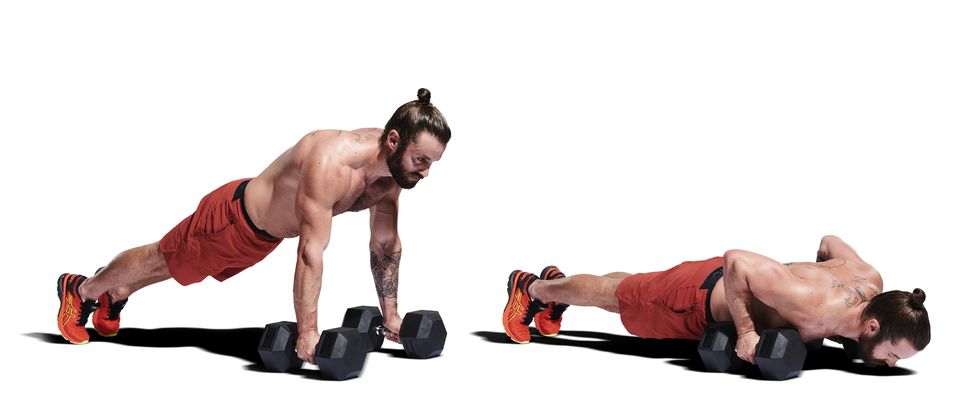
Drop your ‘bells to the ground and assume a long-armed plank position, with your core tight and hands gripping your dumbbells (A), bend your elbows and slowly lower your chest to the floor over a strict count of three seconds (B). Keep your elbows close to your body and pause for one second, feeling the deep stretch through your chest as you push back up explosively. Break your set when you can no longer control your descent or explode back up.

Day Three (W33/D3)

1A. Forward Lunge x 20-30 (total)

walking lunge

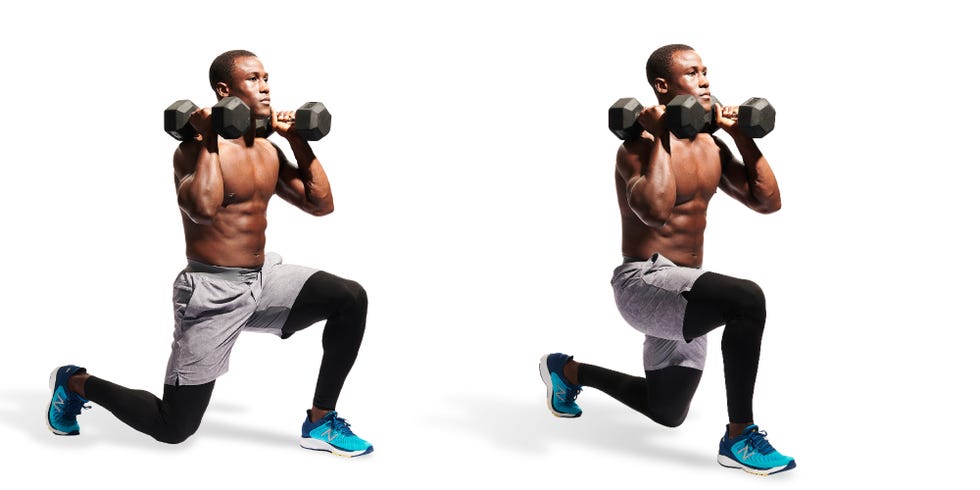
Clean your dumbbells up on to your shoulders and stand tall (A), take a step forward with one leg, bending the at the knee until the back knee gently touches the ground (B). Stand up explosively, pause and repeat with the opposite leg. Alternate back and forth, aiming for 20-30 total reps, counting both legs.

1B. Laying (or Hanging) Leg Raises x 15-20

ab exercises, ab workouts

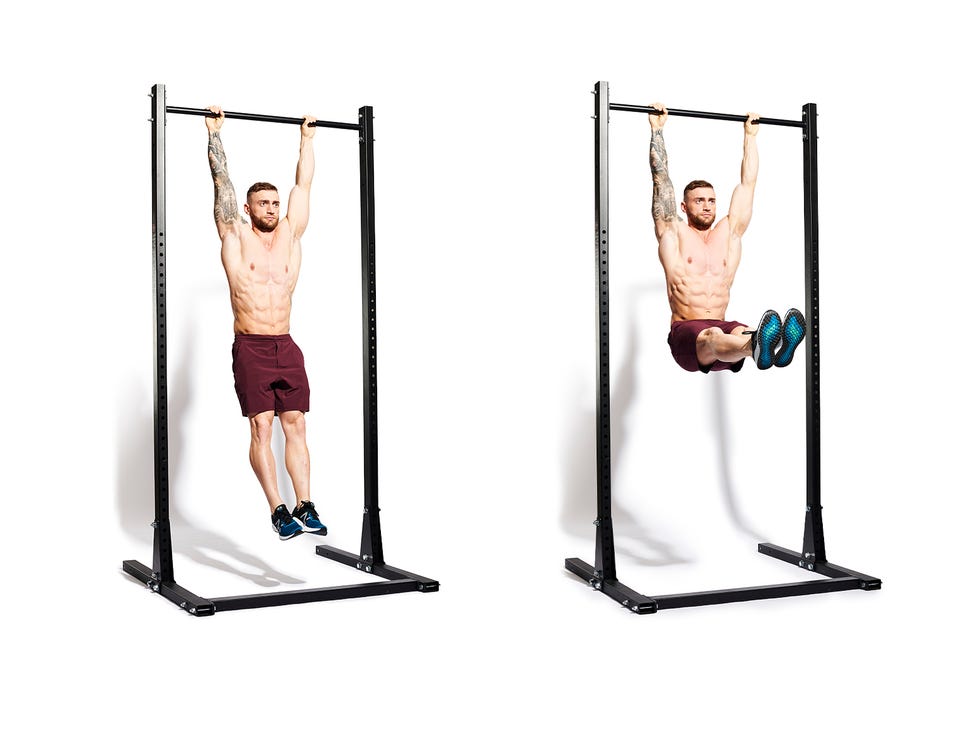
Lay flat on your back with your heels just off of the ground, your dumbbells behind your head, gripping them as an anchor (A). Keeping your feet together, curl at the stomach – lifting your legs towards the ceiling until your hips peel from the floor (B). Pause here for a second before slowly lowering. Once you start, try to keep your feet off of the ground throughout. If you have a bar to hang from to perform these, use it.

2A. Dumbbell Deadlift x 10-15 reps

db dumbbell deadlift

With your dumbbells on the floor just outside of your feet, hinge down and grip them with a flat back and neutral spine (A). Engage your lats and stand upright, ‘pushing the ground away’ with your feet, keeping your chest up and black flat throughout (B). Lower them back to the ground in a hinging motion and repeat. Avoid excessive rounding in your lower back, keeping your form tight throughout.

2B. Goblet Squat x 15-20

weights, exercise equipment, kettlebell, muscle, standing, shoulder, arm, fitness professional, biceps curl, dumbbell,

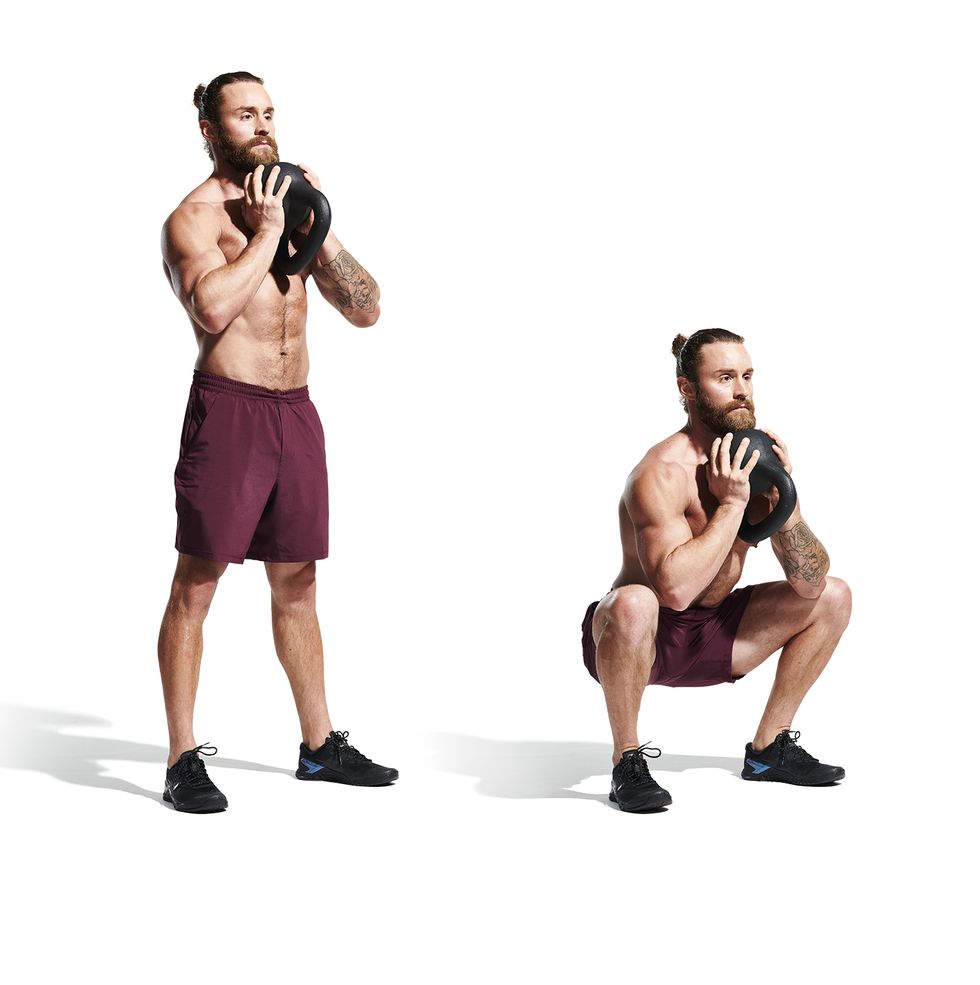
Hold a single dumbbell close to your chest (A). Sink your hips back and slowly over a count of 4 seconds descend into a squat (B). Your elbows should come in between your knees at the bottom. Drive back up explosively. Repeat. Pay attention to that tempo, it matters.

3A. Air Squat x 30

weights, exercise equipment, kettlebell, shoulder, standing, arm, muscle, chest, abdomen, fitness professional,

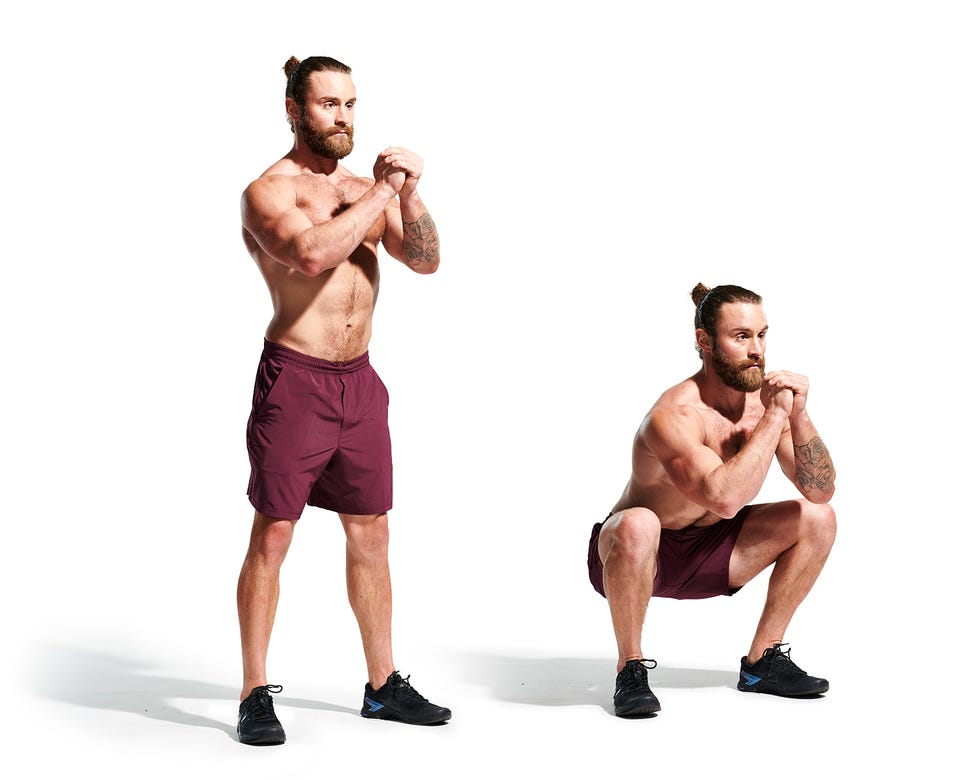
Upping the reps here and dropping to bodyweight only, this should burn. Standing tall with your chest up (A), sink your hips back, bending your knees to drop your thighs until you reach a deep squat (B). Drive back up explosively and repeat. Keep a controlled tempo and tight form, but don’t dawdle. These may be simple, but they shouldn’t be easy.

3B. Butterfly Sit-Up x 30

arm, leg, human leg, human body, sitting, elbow, shoulder, wrist, shoe, joint,

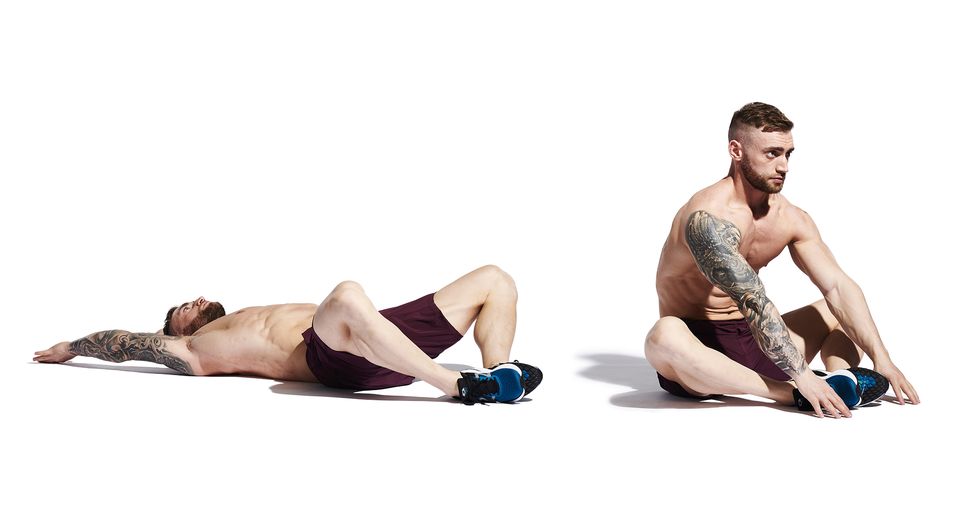
A second high rep burner, this time hitting your abs. Lay flat on your back with your legs bent, the soles of your feet together and your hands behind your head (A). Tense your abs as you sit up and forward, touching your hands to your feet (B). Reverse the move, touching the floor behind your head on each rep.

mens health dumbbell club full body training plan
Exercising with dumbbells

vm//Getty Images

Headshot of Andrew Tracey

With almost 18 years in the health and fitness space as a personal trainer, nutritionist, breath coach and writer, Andrew has spent nearly half of his life exploring how to help people improve their bodies and minds.    

As our fitness editor he prides himself on keeping Men’s Health at the forefront of reliable, relatable and credible fitness information, whether that’s through writing and testing thousands of workouts each year, taking deep dives into the science behind muscle building and fat loss or exploring the psychology of performance and recovery.   

Whilst constantly updating his knowledge base with seminars and courses, Andrew is a lover of the practical as much as the theory and regularly puts his training to the test tackling everything from Crossfit and strongman competitions, to ultra marathons, to multiple 24 hour workout stints and (extremely unofficial) world record attempts.   

 You can find Andrew on Instagram at @theandrew.tracey, or simply hold up a sign for ‘free pizza’ and wait for him to appear.

Cauliflower Nutrition Guide: Calories, Carbs, Fiber

0
Cauliflower Nutrition Guide: Calories, Carbs, Fiber

Cauliflower is a healthy vegetable full of fiber, vitamins, and minerals. It is similar to broccoli but decidedly more versatile because it can be made into rice and flour—a great alternative for those on a celiac or keto diet.

This article explains cauliflower’s nutrition facts, what happens when you eat it, and the best preparation methods.

Wilfried Strang / Getty Images


Cauliflower Nutrition Facts: 1 Cup

One cup of raw, chopped cauliflower has the following nutrients:

  • Protein: 2.05 grams (g)
  • Carbohydrates: 5.32 g
  • Fiber: 2.14 g
  • Calcium: 23.5 milligrams (mg)
  • Magnesium: 16 mg
  • Phosphorus: 47.1 mg
  • Potassium: 320 mg
  • Sodium: 32.1 mg
  • Vitamin C: 51.6 mg
  • Folate: 61 micrograms (mcg)
  • Choline: 47.4 mg
  • Vitamin K: 16.6 mcg

Cauliflower is considered a superfood because of its high levels of nutrients. It is also a low-calorie food at only 25 calories in 1 cup.

Minerals, Vitamins, and Compounds in Cauliflower

Cauliflower is an excellent source of many vitamins, minerals, and compounds. It’s naturally gluten-free, making it a good choice in all its forms for people who can not eat gluten.

Cauliflower Is a Keto-Friendly Vegetable

People on low-carb diets often turn to cauliflower because it is low in carbohydrates but high in nutrients. Those on a gluten-free diet will be pleased to discover cauliflower rice and cauliflower flour as gluten-free and low-carb alternatives to wheat and other grains.

Fiber

Adults require 28–34 grams of fiber daily. Incorporating vegetables and other fiber-containing foods is a well-rounded way to ensure you get enough of this vital nutrient.

Dietary fiber improves digestive health, and it reduces the risk of:

Only about 5% of people meet recommended daily intakes, so eating cauliflower could be a way to reach your goal.

Antioxidants

Vegetables in the brassica family, like cauliflower, are excellent sources of antioxidants. Antioxidants are essential because they protect your body from free radical damage, which occurs from exposure to compounds that cause cell damage.

Researchers have found that the inedible parts of cauliflower, such as the leaves, actually have the highest amounts of antioxidants, leading them to suggest these may be useful for developing new food-related products.

Choline

Choline is a compound that helps your body with metabolism. When it comes to vegetables, cauliflower is one of the best sources of choline.

Choline is good for the following:

  • Memory
  • Mood
  • Muscle control
  • Brain and nervous system functions

Recommended intakes for adults are 425–550 mg per day. It may seem like a lot, but many food sources are high in choline. For example, just one hard-boiled egg has 147 mg.

Vitamins C and K

Cauliflower is naturally high in vitamins C and K. Adults should get 75–90 mg of vitamin C and 90–120 mcg of vitamin K daily. Cauliflower packs a punch at 51 mg of vitamin C and 16 mcg of vitamin K.

Vitamin C is a water-soluble vitamin, which means it is not stored in your body, and you need to get enough through food every day. This nutrient is good for the skin, especially wound healing, and plays a role in boosting the immune system.

Vitamin K is a fat-soluble vitamin. That means your body can store it. Vitamin K is essential for blood-clotting and bone metabolism.

Minerals

Cauliflower contains many minerals, including:

  • Calcium: Vegetables, especially leafy greens like kale, are an excellent source of calcium. At 23 g of calcium per cup, cauliflower packs the same punch as one-half cup of fresh kale.
  • Magnesium helps with muscle and nerve function, blood glucose control, and blood pressure regulation. At 16 mg per cup, it’s comparable to broccoli. Adults need 310-420 mg per day.
  • Phosphorus is present in bones, teeth, DNA, and RNA. Adults require 700-1,250 mg daily. Cauliflower is one of the best vegetable sources of this essential mineral.
  • Potassium is necessary for normal cell function, fluid, and plasma volumes. Most people probably think of bananas when they think of potassium because it’s very high in the mineral. A medium banana has 422 mg of potassium, while 1 cup of cauliflower has 320 mg.

What Happens When You Eat Cauliflower?

Research has found that eating cruciferous vegetables, including cauliflower, may prevent cancer through the following:

  • Protecting cells against DNA damage
  • Inactivating carcinogenic substances
  • Showing antiviral and antibacterial effects
  • Triggering cell death in disrupted cells
  • Inhibiting tumor cell migration

While cauliflower benefits most people, some may experience side effects from eating too much of this vegetable. Cauliflower is known to cause gas, so if you experience gastrointestinal issues like irritable bowel syndrome (IBS), you may want to eat cauliflower in small amounts to see if it bothers you.

If you take blood thinners, like Jantoven (warfarin), there is conflicting evidence that dietary vitamin K intake could interfere with the medication. However, researchers say there is insufficient evidence to recommend modifying one’s diet since intake would need to be excessively high. To be safe, though, discuss this with a healthcare provider.

Excessive amounts of brassica vegetables, including cauliflower, may interfere with iodine uptake to the thyroid. Researchers believe this would only be an issue for people with iodine deficiency who eat large quantities of these vegetables.

Comparing Cauliflower Preparation Methods

Many people wonder if, nutritionally, raw or cooked cauliflower is better for you. And it’s true: Getting the most nutrients from cauliflower may depend on how you cook it.

Studies show that boiling and blanching result in nutrient loss, but steaming, stir-frying, and microwaving retain the most nutrients in cooking.

Fresh cauliflower has higher antioxidant levels than cooked cauliflower. Antioxidant retention when cooked is highest when cauliflower was steam blanched, followed by steam-boiled, stir-fried, and microwaved.

Summary

Cauliflower is a superfood with many nutrients, including fiber, antioxidants, vitamins, and minerals. It’s a low-carb food, making it an excellent choice for people on keto or gluten-free diets because it can be made into flour and rice.

However, it can be particularly gassy, so people with digestive issues may want to start small and see how their bodies respond. Raw is most nutritious, followed by steaming and stir-frying.

School Suspensions Puts Children’s Health At Risk, Doctors Claim

0
School Suspensions Puts Children’s Health At Risk, Doctors Claim

Getting suspended from schools puts children’s health at risk as well as damaging their grades, according to the authors of a new study into the impact of school exclusion.

Exclusions should be put in the same category as traumatic events which put children at greater risk of illnesses such as diabetes and asthma, as well as causing mental illness, the researchers say.

And they are calling for pediatricians to intervene to urge schools to adopt a less punitive approach to managing children’s behavior.

Being suspended from school is linked to a large drop in a student’s grade point average (GPA), particularly for Black and Latinx students, according to a study by researchers at the University of California San Francisco.

Black students who were suspended or removed from the classroom – an exclusionary school discipline (ESD) event – saw an average drop of 1.44 in their GPA, while Latinx students’ GPA dropped by 1.39 on average and American Indian and Alaska Native students by 1.33.

The average across all students who were suspended was 0.88, after the researchers controlled for other factors including ethnicity, maternal education, age and gender.

Black students were 10 times more likely to be removed from the classroom or suspended than their white classmates, while Latinx students were three times more likely, according to the study, which looked at data covering almost 17,000 children in grades six to 10 in a large urban California school district.

In England, children of Black Caribbean and mixed white and Black Caribbean heritage have well-above average rates of suspension from school, almost twice the overall average in the case of the latter.

“ESDs hurt all those who experience them, but they drastically hurt those from minoritized groups, and particularly Black and Latine communities,” said Meghan D. Morris, associate professor in epidemiology and biostatistics and senior author of the study, published in JAMA Network Open, an open access journal of the American Medical Association.

“These events are another way of reinforcing the systems of racism that already occur within the classroom and the school environment and the community environment more broadly.”

ESDs reflect embedded racism and should be considered as adverse childhood experiences (ACEs), traumatic events which have an impact on children’s development, according to Camila Cribb Fabersunne, co-author of the study and assistant professor of pediatrics at UCSF.

Examples of ACEs include physical and sexual abuse, exposure to domestic violence, living with someone who abuses drugs or alcohol or who has a mental illness, and losing a parent.

These put students at greater risk of suffering from chronic illnesses such as diabetes and asthma, as well as mental illness, said Cribb Fabersunne.

“These children are experiencing discrimination in how school discipline is applied,” she said.

“When students are subject to trauma in a place that should be a sanctuary – a place where they think they will be safe from racism and the adults will support them – it impacts them in a profound way.”

Students who are suspended from school are more likely to truant and also be excluded by their peers, the study’s authors wrote, as well as end up in prison. Previous studies have also shown that classroom exclusions are linked to more disruptions not less, they said.

Lower grades may also narrow the opportunities available to students in adulthood, researchers added, helping to perpetuate disadvantage.

Cribb Fabersunne said pediatricians should screen for ESDs during health checks in the same way they screen for learning difficulties, and intervene if necessary.

“Pediatricians should call the school and ask the assistant principal why the disciplinary action was taken,” she said. “They should explain that the student’s behavior may reflect difficult things going on outside of school, and that practices like restorative justice and mindfulness are more effective responses.

“These disciplinary practices are widespread and hurt our patients, and that is going to harm their health,” she added.

‘Tulsa King’ Season 2 News and Updates: Everything We Know

0
‘Tulsa King’ Season 2 News and Updates: Everything We Know

In addition to continually expanding the frontiers of his Yellowstone television universe with multiple spinoffs and prequels that recount the sprawling, violent history of the Dutton family, Taylor Sheridan has also been busy building new crime thriller worlds. Last year he introduced Jeremy Renner as Mike McLuskey in the prison town saga Mayor of Kingstown, which is set to return this year. And prolific showrunner Sheridan has now got another hit on his hands in Tulsa King, the mob drama which he co-created with Terence Winter, and which stars action movie legend Sylvester Stallone in his first leading TV role.

“There is no better team to tell this story of a fish-out-of-water mobster than Taylor Sheridan and Terence Winter,” executive producer David Glasser said prior to the release of Tulsa King. “Their talent behind the camera, paired with the iconic Sylvester Stallone, will deliver a thrilling look at a man who prioritizes loyalty and family over all else, and is now taking stock of his life and grappling with the choices that have brought him to Tulsa.”

Stallone plays Dwight “The General” Manfredi, a mafia capo from New York City who is released from prison at the start of the series, only to be dispatched by his employers to Tulsa, Oklahoma with the task of setting up a whole new operation on behalf of the Invernizzi crime family. Mafredi is aided in his criminal endeavors by pot dealer Bodhi (Martin Starr) and rogue-turned-ally Manny (Max Casella), and pursues a romance with Stacy (Andrea Savage), unaware that she is a former ATF agent.


The pilot episode of Tulsa King debuted on Paramount+ on November 13, 2022, and the ninth and final episode of the first season dropped on the platform on January 8, 2023.

Will Tulsa King return for Season 2?

Paramount+ renewed the series in November 2022, after just three episodes had streamed on its platform. Shortly after, a change in leadership behind the camera was announced, with Terence Winter stepping down as showrunner due to “creative differences,” although he will stay on board in his capacity as executive producer.

While Season 2 will still be set in its titular city, it looks like filming will take place in a different state altogether. While Season 1 was shot in Tulsa and Oklahoma City, The Oklahoman reported earlier this year that after the show was renewed, production did not resubmit its application to the Oklahoma Film & Music Office for the state film incentive.

Who will be in the cast of Tulsa King Season 2?

Stallone will return as Manfredi in Season 2, and the rest of the main cast are expected to reprise their roles as well, including Martin Starr as Bodhi, Andrea Savage as Stacy, Max Casella as Manny, Jay Will as Tyson, Domenick Lombardozzi as “Chickie” Invernizzi, Vincent Piazza as Vince, Garrett Hedlund as Mitch, Annabella Sciorra as Joanne, Dana Delany as Margaret, Michael Beach as Mark Mitchell, Tatiana Zappardino as Tina, AC Peterson as Pete, and Ronnie Gene Blevins as Ben.

How many episodes will Season 2 have?

The first season of Tulsa King consisted of nine episodes, and it is reasonable to assume that Season 2 will have a similar length—however, it is also possible that the number of episodes in Season 2 will be affected by the recent WGA strikes.

What will Season 2 of Tulsa King be about?

Plot details remain closely under wraps for now, although Season 1 ended with Manfredi’s arrest after Stacy set him up, meaning Season 2 will likely start with him in a similar position to the very beginning of the show: in jail.

There is also a good chance that Tulsa King will follow in Yellowstone‘s footsteps and end up launching a whole slate of interconnected spinoffs based either around the Oklahoma setting or the Invernizzi criminal empire.

“The huge success we’ve had with Tulsa King and Sylvester Stallone opens up possibilities with Taylor Sheridan, who consistently, his mind works in terms of universes and backstories, so I think there’s always a possibility that there’s more to that universe and more to that story,” said Paramount’s Tanya Giles.

tulsa king

Paramount

When and where will Season 2 of Tulsa King be released?

Season 2 will air on Paramount+, although a release date has not yet been confirmed, and is now in flux given that production has faced a number of delays. First, the departure of executive producer Terence Winter means that the search for a new showrunner with an appropriately bold vision, not to mention mobster drama credentials (Winter worked on both The Sopranos and Boardwalk Empire) is underway.

Additionally, the now-resolved writers’ strike meant that all work had ceased on scripts for Season 2 until very recently. In a statement made to Newsweek, Stallone acknowledged the impact that the strike was having on production, but also expressed his full support for the WGA.

“It’s definitely affecting work because we can’t move forward with a lot of projects, especially Tulsa King,” he said. “But I think it’s changed so much that the writers do have a serious gripe… They’re in a grievance that it’s changed. There’s not enough work to keep all these writers going. And then they’re living in under this cloud of AI. It’s a very terrifying time to be a writer. They work on, like, for our show, eight episodes, and then you’re done, and that’s it. Like, ‘What do I live on for the rest of the year?’ sort of a thing. So I understand their plight.”

The SAG-AFTRA strike, which continued after the WGA ended, will also have have caused delays to production, although that has also now since been resolved. This means that hypothetically, work can resume on Season 2 right away, although it is unlikely that filming will start until 2024. At this point, we can probably expect a delayed release date of early 2025.

Headshot of Philip Ellis

Philip Ellis is News Editor at Men’s Health, covering fitness, pop culture, sex and relationships, and LGBTQ+ issues. His work has appeared in GQ, Teen Vogue, Man Repeller and MTV, and he is the author of Love & Other Scams.