THERE’S NO BEATING around the bush: the more saturated the “superhero” genre gets, when it comes to film and television projects, the harder it gets to produce something that’s both high in quality and finds a high-yield audience. After more than a decade of initial dominance, the Marvel Cinematic Universe has stumbled in its post-Endgame and post-pandemic phase (a recent report from Varietywent in depth on the studio’s troubles), and DC is hoping that Marvel’s eccentric master James Gunn can finally right their ship.
With “the big two” being largely in disarray, it’s been a great relief for genre fans to have Prime Video’s output. We’re big fans of the satirical world of The Boys (and its spinoff, Gen V, which just wrapped up its first season), and now after a nearly-two year wait, Invincible is finally back for its highly-anticipated second season.
Based on the long-running Image Comics series from The Walking Dead creator Robert Kirkman (a prolific writer who also writes the Invincible series on Prime Video), Invincible separated itself from the pack in its first season by doing things that nothing else out there is doing. With a bit of The Boys satire but not quite as much, but also telling an earnest, standalone, R-rated (and gore-filled) coming-of-age superhero origin story, Invincible proved to be a worthy adaptation for the comic’s loyalists, and an easy one for new fans to become obsessed with.
Season 2, then, brings things to an even bigger level. The show’s voice actors (an incredible cast led by Steven Yeun, JK Simmons, and Sandra Oh) all have more to do—and more chances to flex their dramatic and comedic muscles. The animation budget has clearly been increased, and, thusly, the story manages to reach greater heights and scale; things will reach planets, galaxies, and universes that Season 1 didn’t have the resources to even hint at.
Invincible Season 2 will be split into two parts of four episodes each. So enjoy an episode each Friday in November 2023, and then hunker down, because the next four episodes aren’t coming to Prime Video until some time in 2024.
But it’ll be worth the wait—you can trust us on that one.
Amazon Prime
What time do Invincible Season 2 episodes come out?
Invincible episodes will officially hit Amazon Prime Video on Fridays, but most Prime Video originals land in the U.S. a bit early on Thursday nights. So each week you can watch closely to keep an eye out for that.
When is the next episode of Invincible Season 2 coming out?
The next episode of Invincible Season 2 will hit Prime Video on at some point in 2024. Sorry we don’t know more!
How many episodes of Invincible are left in Season 2?
Invincible Season 2 will be eight episodes in total, split into two separate parts. The first part of the season is now available to stream on Prime Video in its entirety. The remaining four episodes of Invincible Season 2 will come to Prime Video at some point in 2024.
Here’s the complete release schedule for Invincible Season 2:
Episodes officially release on Fridays, but usually hit Amazon Prime Video on Thursday nights.
Episode 1, “A Lesson For Your Next Life” Now streaming as of on November 3
Episode 2, “In About Six Hours, I Lose My Virginity to A Fish” Now streaming as of November 10
Episode 3, “This Missive, This Machination” Now streaming as of November 17
Episode 4, “It’s Been A While” Now streaming as of November 24
———-Mid-Season Hiatus———-
Episode 5, TBA 2024
Episode 6, TBA 2024
Episode 7, TBA 2024
Episode 8, TBA 2024
Evan is the culture editor for Men’s Health, with bylines in The New York Times, MTV News, Brooklyn Magazine, and VICE. He loves weird movies, watches too much TV, and listens to music more often than he doesn’t.
To be a successful TV presenter, a megawatt smile is part of the job description – so Cat Deeley was amazed when her dentist told her that her trademark grin was flawed.
And, after some investigation, it turned out that the 47-year-old’s dental issue was caused by a wellness habit she had stuck to for decades – and one very familiar to most of us. She had been starting her day with a cup of hot water and lemon.
She told Women’s Health: ‘I had been drinking hot water and lemon in the morning for about twenty years, first thing, before I had even had a coffee or anything.
‘I had read it was really good for you, it made me feel good, and it made my tummy feel great. But, I went to see my dentist and she was literally like, “what have you done to the enamel on the front of your teeth?” And I was like, “nothing, I don’t even even eat sweets, I am much more of a cheese person”.
‘She asked me to tell her what I typically eat and drink, and if I had fizzy drinks – which I don’t. It turns out that the hot water and lemon had taken all the enamel off the front of my teeth. I had to have composite bonds on them to replace it.’
Last week Cat was revealed as a new temporary presenter on This Morning, taking the reins of the ITV show with Rylan Clark while Josie Gibson competes in I’m A Celeb, but she has another new gig off-screen, too. She is the new ambassador for Ella and Jo, and she was quick to enthuse to WH about some of her favourite products from the Irish skincare brand.
Cat Deeley with some of her favourite Ella & Jo products
Ella & Jo
‘The products all do exactly what they’re supposed to, there’s not too many in the range and it’s very uncomplicated, and most importantly my skin feels great. I also love that some of the products feel kind of luxurious. If I want to give myself a little treat, or I am going out somewhere, I will use The Glow Up enzyme mask and follow it with The Miracle Mask.’
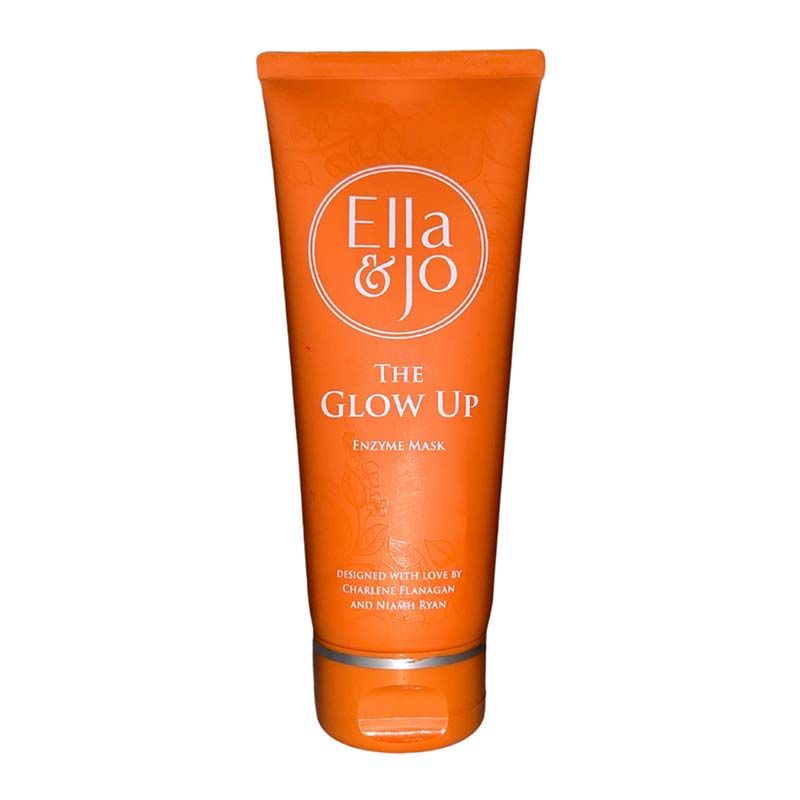
The Glow Up – one of Ella and Jo’s most popular products – is made with a blend of pumpkin, pomegranate, papaya and pineapple enzymes, which work together to accelerate cell renewal for smooth, even skin texture.
‘I love how you can feel it working, but it doesn’t feel as though your face is going to turn into a giant red blister. You’re somewhere in the middle where you can feel it doing what it’s supposed to be doing,’ Cat added.
The Glow Up can be used as a standalone treatment, but following it up with the brand’s Miracle Mask adds an extra level of indulgence, and Cat loves the results. She explained. ‘It kind of plumps everything up and makes my skin juicy and glowing.’
Ella & Jo The Glow Up Enzyme Mask
Ella & Jo The Glow Up Enzyme Mask
Now 35% Off
Cat particularly rates the masks as the results remind her of a very pricey facial she had from Kate Somerville on Melrose Place during her fifteen years living in Los Angeles. She returned to the UK – with husband Patrick Kielty and their two sons Milo and James – in 2020, and I can’t help but ask if she brought any super-woo wellness habits back with her.
Surprisingly, there are no crystal rituals, Moon bathing or energy healing gurus in Cat’s wellness calendar, just a 25-year dedication to yoga and regular trips to an infrared sauna – and that’s a habit she’s picked up since she came back to London.
‘I started going to the infrared sauna after I had Covid. I was left with aches and pains in my hands, and doctors couldn’t help so I started looking for other things to try and make myself feel a bit better. The symptoms [from Covid] that I had were a bit like MS, achy joints, no strength in my hands, and a weird thing that happened when I looked down – there’s a nerve at the back of your neck – and it almost felt fizzy, electric. I saw that they often treat MS patients with oxygen tanks as it helps with rejuvenation. I found a place locally that has one, and they also have a red light sauna and a cryochamber, and I was like “in for a penny in for a pound!”.’
Ella & Jo Miracle Mask
Ella & Jo Miracle Mask
Now 35% Off
Cat has a multi-tasking mindset when it comes to wellness, and she tries to time her twice-weekly trips with when she’s due for a hair wash. She arrives having applied scalp oil from The Growth Phase, and then gets settled in for some very hot relaxation before a three-minute cryotreatment, which she credits for helping banish aches and pains and improving her quality of sleep.
‘I have to read a magazine,’ she said. ‘So I’ve got my glasses on, at the same time I try and put my legs up the wall. Completely naked. I mean…thank God, no one can see me. And then I sit there for 45 minutes, get incredibly sweaty, have a shower, wash my hair and then jump in the cryo tank.
‘The chamber only goes up to your neck, I don’t go fully in,’ she explained. ‘It’s a bit like a magician’s trick with Debbie McGee coming out.’
Dietary supplement and functional food company Designs for Health, Inc. has launched PerioBiotic Silver. This fluoride-free probiotic toothpaste promises to be a disruptor in the oral health care space. The product, which supports a balanced oral microbiome, contains a unique ingredient formulation, including purified silver, CoQ10, and grape seed extract to support overall dental and oral health and wellness.
To learn more about PerioBiotic Silver, including the background behind the product’s formulation process, challenges to the formulation and their solutions, and how the efficacy of the product is determined, CosmeticsDesign interviewed Michael Jurgelewicz, DC, DACBN, DCBCN, CNS, Director, Product Development, Research & Clinical Support at Designs for Health for his insights.
CDU: Can you share some background information about the company and your experience in the beauty/personal care product industry?
Michael Jurgelewicz (MJ): Designs for Health began as a small clinical and educational services company in 1989 with deep roots in nutrition and natural medicine and big ambitions to revolutionize the dietary supplement industry. More than 30 years later, the company is pioneering new approaches to nutritional science and transforming healthcare.
Designs for Health is leading the charge in the natural and integrative medicine movement with a diverse portfolio of more than 300 nutritional products. Designs for Health has offered several products over the years in the personal care and beauty product care industry with plans to expand further into this category over the next year.
CDU: Can you explain the process behind the conceptualization, development, testing, and launch process for the new product?
MJ: There are several factors to consider when creating a toothpaste including the functionality of ingredients and their percentage, stability, color, and flavor. Designs for Health offers PerioBiotic Silver toothpaste in both lemon and spearmint.
It is important to get the concentrations right as increasing the percentage slightly too high can make the experience polarizing. In addition, it is essential to get the active ingredients to a therapeutic level without negatively impacting the taste.
CDU: How is the new product a disruptor in the oral care product industry?
MJ: PerioBiotic Silver is more than just an all-natural, fluoride-free, great-tasting toothpaste. PerioBiotic Silver features purified silver, coenzyme-Q10 (CoQ10), grape seed extract, and Dental-Lac, a Lactobacillus paracasei probiotic that has been shown in research to help support oral microbial balance and periodontal health.
This toothpaste contains no fluoride, sodium lauryl sulfate (SLS), or saccharin commonly found in most toothpastes. It is also free of BPAs, parabens, synthetic colors, gluten, and synthetic sweeteners. PerioBiotic Silver helps maintain dental and oral health and supports an oral microbial balance.
CDU: Were there any challenges to developing the new product?
MJ: Designs for Health always strives to make their products the best and with this comes challenges. Since this is a natural toothpaste and does not contain many of the ingredients (i.e., fluoride, sodium lauryl sulfate (SLS), or saccharin) found in most other toothpaste, the R&D team had to be creative with the choice of functional ingredients.
Designs for Health uses other ingredients not found in other toothpastes such as Dental-Lac, annatto, and quillaja extract. It can be challenging to find natural ingredients that will hold up in stability and provide the desired foaming effect.
CDU: What were those challenges, and what solutions were developed and implemented to resolve them?
MJ: The challenges were finding natural ingredients that would hold up in stability, provide the desired foaming effect, have abrasive properties, and taste great. The R&D had to experiment with different ratios of ingredients and sample them as well as conduct stability testing. A process like this can take up to a year or longer.
CDU: How is the efficacy of a probiotic toothpaste measured?
MJ: Several factors can measure the efficacy of a probiotic toothpaste. There are tests performed that demonstrate how abrasive the ingredients are, if there are any whitening factors present, and specific ingredients that prevent tartar and control microbial growth.
PerioBiotic Silver toothpaste contains Dental-Lac, a clinically tested functional lactobacillus dental hygiene probiotic not found in other toothpastes. Research on Dental-Lac, a specific Lactobacillus paracasei strain, demonstrates its ability to kill off harmful strains of oral bacteria including Streptococcus mutans, a significant contributor to dental caries (cavities), tooth decay, and periodontal disease.
Like probiotics in the human intestinal tract, beneficial flora in the mouth are critical to maintaining an oral environment conducive to healthy teeth and gums. In addition, PerioBiotic Silver toothpaste contains other active ingredients that have been shown in research to promote dental and oral health via their cavity-fighting abilities including coenzyme-Q10 (CoQ10), grape seed extract, xylitol, calcium hydroxyapatite, calcium glycerophosphate, and annatto seed extract.
CDU: Were any studies performed, and if so, were they published in any peer-reviewed journals?
MJ: Yes, studies on DFH PerioBiotic toothpaste were published in two peer-reviewed journals, which can be found here and here.
CDU: Are there any plans for further innovation and development in this space?
MJ: Yes, Designs for Health has recently launched two additional products in our oral healthy category, Periommune and PerioPull. Periommune is a great-tasting and easily dissolvable lozenge that features a heat-attenuated probiotic strain of Lactobacillus plantarum (as Immuno-LP20) and Wellmune, a proprietary baker’s yeast, beta-glucan from Saccharomyces cerevisiae, which have immune-supportive properties.
These strains have been shown to be particularly beneficial for helping to support nasopharyngeal health and a healthy immune response in the mouth. They also may help promote a healthy oral microbial environment and healthy oral mucosa, which may help support teeth and gum health.
PerioPull is uniquely designed to help support oral and periodontal health. It features medium-chain triglycerides (MCTs) from coconut oil, geranylgeraniol (GG), bromelain, and coenzyme-Q10 (CoQ10) to help support oral wellness. Oil pulling is a traditional Ayurvedic practice and has been shown in recent research to help promote oral health in conjunction with a normal brushing and flossing routine. In addition, this formula is free of BPAs, parabens, synthetic colors, gluten, sulfates, and synthetic sweeteners.
Designs for Health also has plans to innovate further into the beauty and personal care category over the next year.
In one study, UBC researchers found the closer one lived to green spaces, the better chance they had of reaching milestones in emotional maturity, language skills, and general knowledge.
For many cities in the world, a green space close to an apartment complex might sound like a luxury. But according to researchers, living near urban parks, forests or a mountain trail could significantly improve your health, lower the chance of chronic disease, and even help children reach key developmental milestones.
Studies have shown that spending time in nature increases physical activity, fosters social cohesion, and reduces the risk of various conditions such as cardiovascular disease and dementia.
The density of trees in green spaces can also provide a buffer against extreme heat made worse by climate change. In a well-treed neighbourhood, trees have been found to cool urban environments by as much as seven degrees Celsius. And in the winter, those same trees help reduce heating bills in the winter.
The effects of nature can also be more subtle, only appearing after years of deprivation.
Green spaces improves changes of hitting childhood milestones, lowers chances of ADHD
For two decades, researchers from the University of British Columbia (UBC) followed nearly 30,000 children across Metro Vancouver to track how living near green spaces impacts their health.
In one study, they found the closer one lived to green spaces, the better chance they had of reaching milestones in emotional maturity, language skills, and general knowledge. The presence of vegetation and natural environments helped mitigate the negative effects of air and noise pollution, which have been linked to stress, sleep disturbances, and damage to the central nervous system in children.
Another parallel Metro Vancouver study found the less air pollution and more green space a child is exposed to, the less likely they are to develop attention-deficit hyperactivity disorder (ADHD).
Using satellite imaging, the UBC researchers tracked children who faced different exposures to noise and fine particulate matter related to traffic pollution.
Seven years later, noise was found to have no effect. But lower the amount of green space or increase the levels of air pollution, and the twin effects can heighten the risk of ADHD by up to 62 per cent, found researchers. They concluded children living in greener neighbourhoods with low air pollution had substantially lower risk of ADHD.
Prescribed green space as a medical intervention
Climate distress has pushed some in B.C. to attempt suicide, and researchers worry that for every degree of temperature rise, rates of anxiety and depression will only go up.
In response, doctors in B.C. are among the first to diagnose patients as suffering from “climate change.” Others have looked to green spaces as the solution and have built a national network empowering doctors to prescribe nature as a treatment for anxiety and mental health problems.
In 2022, Parks Canada said it was joining the national nature prescription program known as PaRx, or A Prescription for Nature, which aims to get patients into nature for a minimum of two hours per week. Whether in a forest, at a lake or digging your hands into a garden, what matters, say experts, is that patients feel like they have had an experience in nature.
Big gaps in who has access to nature
Despite the numerous benefits of green spaces, their distribution across many Canadian cities reveals significant inequalities.
In 2022, a Nature Canada study analyzing 12 Canadian cities found urban trees and their cooling effects are more concentrated in rich, white neighbourhoods.
Nearly every city followed the same pattern: the more people of colour and lower the income, the fewer trees stand in a given city neighbourhood.
Richmond stood out among B.C. cities with a 12 per cent tree canopy cover — the second lowest of all the cities measured.
At eight per cent, Calgary was found to have the lowest of any large Canadian city — a phenomenon made even worse on the west side of the city, where relatively racialized neighbourhoods have been built on natural grasslands unsuitable for planting trees.
The results can be deadly: during the 2021 North American heat wave, more deaths occurred in low-income areas with limited access to green spaces.
Many solutions are out there
As Canadian cities continue to grow, green spaces will play a key role in maintaining people’s health.
Nature Canada suggests planners adopt a “3-30-300” rule: make sure everyone can see at least three trees from their homes, every neighbourhood has at least 30 per cent tree canopy cover, and citizens can access a green space within 300 metres of their residences.
Until then, the UBC researchers suggest parents work to incorporate nature into children’s daily lives. They recommend visiting nearby parks as a way to establish “micro-contacts” with nature.
They also urge parents to advocate for urban policies that prioritize tree planting and the creation of green spaces in their communities.
The Academy of Nutrition and Dietetics – the world’s largest organization of food and nutrition professionals, with over 100,000 credentialed dietitians, nutrition practitioners and students – is one of the most influential professional health associations in the U.S.
This fact sheet discusses the Academy’s relationship with ultra-processed food, beverage, pesticide and pharmaceutical corporations, including accepting contributions from and even investing in those companies. Evidence from the Academy’s own internal documents suggest the group serves up favors for their corporate sponsors at the expense of public health.
The Academy and its website eatright.org promote themselves as “your source for science-based food and nutrition information.” The group is seen as an authority in food policy-making and influences the development of the US dietary guidelines.
How reliable is the Academy’s advice on diet and nutrition?
The Academy has been repeatedly criticized for its close ties to ultra-processed food companies, including Coca-Cola, PepsiCo, General Mills and Kraft. A 2022 study published in Public Health Nutrition, co-authored by public health scholars and U.S. Right to Know, found that the Academy has a “symbiotic relationship” with multinational food, pharmaceutical and agribusiness corporations, and that it acts as a “pro-industry voice” with policy positions that sometimes clash with its mission to improve health globally.
The study is based on a five-year investigation and tens of thousands of pages of internal Academy documents that U.S. Right to Know obtained through public records requests. (The documents will be posted at the University of California San Francisco Industry Documents Library. They are currently posted here.) This paper is the first to review the Academy’s internal communications and its interactions with corporations. See:
Washington Post:Group shaping nutrition policy earned millions from junk food makers; New documents show that the Academy of Nutrition and Dietetics invested in food stocks and accepted donations from junk food, sugar and soda makers, even as it trained the dietitians who teach us how to eat, by Anahad O’Connor (10.24.22)
Public health researchers and U.S. Right to Know assessed the Academy’s dealings with food, pharmaceutical and agribusiness corporations, and reported these findings:
The Academy accepted millions of dollars from food, pharmaceutical and agribusiness companies, and had policies to provide favors and benefits in return.
The Academy and its foundation have invested in ultra-processed food and pharmaceutical companies.
Academy leaders have been employed by or consulted for multinational food, pharmaceutical and agribusiness corporations.
The Academy has discussed policies to fit the needs of its food, agribusiness and pharmaceutical industry sponsors.
Documents are posted here.
Corporate financial contributions to the Academy
The study reports that the Academy accepted more than $15 million from corporate and organizational contributors in the years 2011 and 2013-2017, according to its draft IRS forms 990. It provides the most comprehensive reporting to date on the Academy’s financial dealings with food, agribusiness and pharmaceutical corporations.
The Academy’s top contributors in 2011 and 2013-2017 were:
National Dairy Council $1,496,912
Conagra Inc. $1,414,058
Abbott Nutrition $1,246,389
Abbott Laboratories $824,110
Academy of Nutrition and Dietetics Foundation: $801,261
PepsiCo Inc. $486,335
Coca-Cola Co. $477,577
Hershey Co. $368,032
General Mills Inc. $309,733
Agency for Healthcare Research and Quality $296,495
Aramark Co. $293,051
Unilever Best Foods $276,791
Kellogg USA $273,272
Here are the Academy’s draft IRS form 990s (with donor data): 6/11-5/12, 6/13-5/14, 6/14-5/15, 6/15-5/16 and 6/16-5/17, and the Academy’s Foundation’s draft IRS form 990s for 6/12-5/13 and 6/13-5/14.
Current financial ties to corporations
The Academy is not fully transparent about its corporate financial contributors. It does not disclose the size of contributions received from companies or industry groups. In 2023, the Academy’s sponsors include:
American Beverage Association, a trade group that represents and lobbies for the soda and sugary beverages industry and other non-alcoholic beverage companies.
General Mills, a leading multinational food processing company that produces ultra processed foods including breakfast cereals, snacks, baking mixes, yogurt, and other packaged foods.
Tate & Lyle, which manufacturessugar and Splenda sucralose, an artificial sweetener linked to leukemia, weight gain, obesity, diabetes and other illnesses.
According to the Academy website, this list identifies participants in the Academy’s sponsorship program but does not includeadvertisers of the Journalof theAcademy of Nutritionand Dietetics, exhibitors of the Food and Nutrition Conference Expo (FNCE), marketing email list rentals, or sponsors of dietetic practice groups, member interest groups (DPG/MIG) or Foundation events and programs.
Large corporate contributions to the Academy’s Foundation
The Academy of Nutrition and Dietetics Foundation, the Academy’s charitable arm, also serves as a vehicle for accepting large corporate contributions. The Foundation bills itself as the “only charitable organization devoted exclusively to supporting nutrition and dietetics professionals by empowering them to help consumers live healthier lifestyles.” Between 2011 and 2014, the AND Foundation received more than $2 million each year from corporations, representing approximately a third of its total revenues for that period. In 2015, the corporate funding dropped under $2 million, but corporate funding still represented more than 62% of the Foundation’s revenues.
Academy investments in food and drug company stocks
Internal Academy documents show that the Academy has also invested in ultra-processed food companies. The Academy’s investment portfolio in January 2015 included $244,036 in stock holdings in Nestle S.A. and $139,545 in PepsiCo. The Academy Foundation’s investment portfolio in June 2013 included $209,472 in stock holdings in Nestle S.A and $125,682 in PepsiCo.
In other words, the Academy was actually a part owner of ultra-processed food companies.
The documents also show the Academy also invested in several pharmaceutical companies, including Abbott, Johnson & Johnson, Perrigo Co, Pfizer Inc., Allegra and Merck & Co.
The Academy’s annual conference, the Food & Nutrition Conference & Expo, courts corporate sponsors from the ultra-processed food and pesticide industries. Billed as the “world’s largest meeting of food and nutrition experts,” the 2023 event was held in October in Denver, Colorado.
The floorpan of exhibitors included PepsiCo, Mondelez, The Sugar Association, General Mills, Cargill and CropLife, the pesticide industry trade association.
Below is an example of how FNCE serves up corporate messaging for its sponsors. The poster Keri Gans is among a dozen social media influencers who received warning letters from the Federal Trade Commission for not fully disclosing industry sponsorship in Instagram and TikTok posts promoting artificial sweeteners.
FTC warns dietician influencers to disclose industry funding
In November 2023, the U.S. Federal Trade Commission sent warning letters to two trade groups (the American Beverage Association and The Canadian Sugar Institute) and 12 registered dieticians and other online health influencers warning them about the lack of adequate disclosures in their Instagram and TikTok posts promoting the safety of the artificial sweetener aspartame or the consumption of sugar-containing products.
The influencers, who have a combined six million followers on the social media platforms, failed to adequately disclose that they were “apparently hired to promote the safety of aspartame or the consumption of sugar-containing products, respectively,” FTC said.
In a warning letter sent to registered dietician Mary Ellen Phipps (who goes by the handle @milknhoneynutrition on Instagram), the FTC said, “You posted dietary advice on Instagram endorsing the safety of aspartame. … Among the other things you said, ‘The Academy of Nutrition and Dietetics and American Cancer Society both aligned with the extensive body of scientific research that supports the safety of low and no calorie sweeteners including aspartame.’ … It appears that you were paid by the American Beverage Association to make this post.” The FTC listed a number of concerns about the inadequacy of Phipp’s disclosure that she was paid by the beverage industry trade group. (Her post also doesn’t disclose that her key source, the Academy of Nutrition and Dietetics, also receives money from the American Beverage Association.)
FTC guidelines require that “if there is a ‘material connection’ between an endorser and the marketer of a product…that connection should be clearly and conspicuously disclosed.” The agency gave the influencers 15 days to respond to the concerns, and put them “on notice” that continuing to engage in the behavior described in the letters could subject them to civil penalties of up to $50,120 per violation.
See reporting in The Washington Post:
What’s at stake for our health?
Recent studies provide strong evidence that ultra-processed foods are increasing rates of cardiovascular disease, type 2 diabetes, weightgain and obesity, cancer, dementia, and – most alarmingly – all-causemortality. Yet many people are confused about the health risks of ultra-processed foods, primarily because they are deliberately misled by ultra-processed food and chemical companies that profit from an industrial food system.
There is also extensive evidence showing how food and beverage corporations influence science and policy efforts aimed at protecting health and well-being. One key strategy is to capture and use health professionals and health institutions as vehicles to achieve their policy goals.
U.S. Right to Know has co-authored 15 peer-reviewed studies based on internal corporate and government documents that describe how the ultra-processed food and beverage industries work to shape science, policy and public opinion to protect their profits at the expense of public health.
What is the evidence the Academy “serves as a voice for corporate sponsors”?
The Academy helps to mainstream nutrition advice that often dovetails with corporate product defense messaging. For example, the Academy does not offer advice about particular foods to avoid to improve health; instead, it promotes the messaging of the ultra-processed food and beverage industries, claiming that classification of specific foods is overly simplistic — even though strong scientific evidence links ultra-processed foods to cardiovascular disease, overweight, obesity, cancer, type 2 diabetes, dementia and other chronic and dangerous health problems, including increased risk of all-cause mortality.
The Academy has also rewarded its corporate sponsors. One well known example: in 2015, the Academy announced a partnership with Kraft, which was widely seen as an endorsement of some of Kraft’s products as “healthy” options to include in children’s menus at schools. The Academy’s first nutrition seal, the “Kids Eat Right” label, was put on Kraft Singles, individually wrapped slices of processed cheese product. This was a “major coup for the Kraft Foods Group,” reported the New York Times. The Times reported, “Kraft is a frequent target of advocates for better children’s nutrition, who contend that many of its products are over-processed, with too much fat, sodium, sugar, artificial dyes and preservatives.”
In their review of the Academy’s corporate financial deals, researchers of the 2022 Public Health Nutrition study concluded that the Academy and its Foundation, “assist the food and beverage, pharmaceuticals and agribusiness industries through their large network of professionals and students, their lax internal policies on corporate partnerships and their topical position papers.” The Academy and corporations “interact symbiotically. This sets a precedent for close corporate relationships with the food and nutrition profession in the USA, which may negatively affect the public health agenda in the USA and internationally.”
How are the Academy’s leaders tied to corporations?
Several members of the Academy’s governance boards have close relationships with ultra-processed food and chemical corporations, and public relations firms. Current Academy and Academy Foundation Boards of Directors include:
Hope Warshaw, former chair of Academy of Nutrition and Dietetics Foundation and member of the Academy’s Board of Directors. Documents show that Warshaw has been a consultant to the Calorie Control Council, which promotes artificial sweeteners, and McNeil Nutritionals, which manufactured Splenda/sucralose. On her website, Warshaw discloses that her client list includes Heartland/ Splenda. Warshaw has worked with many public relations firms, including Powell Tate, Weber Shandwick, Fleishman Hillard, Edelman and Porter Novelli.
Deanne Branstetter, past treasurer of the Academy’s Board of Directors, and member of the Academy of Nutrition and Dietetics Foundation, is vice president of nutrition and wellness at Compass Group North America, a foodservice company. She is a former board member of the International Food Information Council (IFIC), a food industry funded front group that aids ultra-processed food and pesticide companies with product defense campaigns.
Peter Attia, M.D., is a longevity expert and creator of The Drive podcast and author of the bestselling book, Outlive: The Science & Art of Longevity. In his new column for Men’s Health, he shares science-backed strategies to living better (and longer!) today. Read the first installment, below.
BLOOD-PRESSURE MANAGEMENT isn’t a sexy topic like “anti-aging drugs” or “DNA-based diets,” but it has enormous implications for health and life span. And because lifestyle factors have such a profound impact, everyone has the power to take steps toward controlling and improving their BP. It’s bread-and-butter primary-care medicine—but a critical part of the longevity playbook.
High blood pressure is a silent killer. There are no symptoms, yet over time the effects of high blood pressure can compound, elevating risk for heart attacks and other serious health concerns, including stroke and dementia. For this reason, managing blood pressure relatively early in life is critical, but many people aren’t even aware of their BP status. Though nearly half of all adults in the United States have hypertension—defined as a blood pressure with a systolic reading at or above 130 mm Hg and a diastolic reading at or above 80 mm Hg (see below)—only about one in four among this group have their condition under control.
More From Men’s Health
While standard medical wisdom once advised treating to a target of <140/<90, the landmark SPRINT study found that bringing BP down to <120/<80 resulted in huge reductions in the risk of heart attack, stroke, and death from all causes. So when it comes to keeping BP in check, an aggressive approach provides the most benefits—but where do we begin?
Blood Pressure Categories
• NORMAL: < 120 mm Hg (Systolic); < 80 mm Hg (Diastolic)
• ELEVATED: 120–129 mm Hg (Systolic); < 80 mm Hg (Diastolic)
• STAGE 1 HYPERTENSION: 130–139 mm Hg (Systolic); ≥ 140 mm Hg (Diastolic)
• STAGE 2 HYPERTENSION: 80–89 mm Hg (Systolic); ≥ 90 mm Hg
The Art of Measuring Blood Pressure
To manage your BP, you first need to know where you’re starting. While a one-time measurement might provide a rough estimate, blood pressure is subject to acute fluctuations based on hydration, stress level, posture, caffeine intake, sleep deprivation, and other variables, so a more accurate picture requires multiple measurements over a span of days. I advise patients to use a home device to check BP twice a day, at the same time each morning and evening, for at least two weeks. The average of those readings will provide a much more accurate reference value than any one-time check. From there, you can monitor changes with weekly or even monthly checks, each time taking one measurement in the morning and one in the evening. The goal in checking frequently is to recognize increases as quickly as possible to facilitate faster intervention.
The gold standard for measuring BP is with a cuff and stethoscope, but this manual method can be intimidating to learn. In my experience, automated cuffs can overestimate BP because they work on an algorithm that estimates systolic and diastolic blood pressure from a measured “mean arterial pressure” (average BP, essentially), but they are generally good alternatives. I’ve used both the Withings (withings.com; BPM Connect, $130) and Omron (amazon.com; M3 model, $80) brand cuffs.
Accuracy Essentials
Because so many variables affect BP, it’s important to follow the same protocol for every measurement:
• Sit with your back supported for five minutes before measuring. (This can feel like a long time, since you should not be looking at your phone or speaking.)
• Do not cross your legs.
• Check that the cuff is against your skin and fits well.
• Avoid talking during the check.
Note: Having a full bladder can bump up your BP by 10 to 15 mm Hg.
This story appears in the November 2023 issue of Men’s Health.
Author
Peter Attia, MD, is the author of the New York Times Bestseller, Outlive: The Science and Art of Longevity and is host of the popular health and medicine podcast, The Drive. He received his medical degree from the Stanford University School of Medicine and trained at the Johns Hopkins Hospital in general surgery. He’s the founder of Early Medical, a medical practice that helps patients lengthen their lifespan and simultaneously improve their healthspan.
Women are twice as likely as men to die from heart attacks.
When a nonsmoker dies of lung cancer, it’s twice as likely to be a woman as a man.
And women suffer more than men from Alzheimer’s and autoimmune disease.
Yet research into these conditions, and many more, generally fails to examine women separately. It’s even less likely to look at disparities affecting women of color – why, for instance, Black women are nearly three times more likely to die in pregnancy than white women are.
It’s been 30 years since Congress ordered the National Institutes of Health to make sure women were included equally in clinical trials. Despite some progress, research on women still lags, and there’s growing evidence that women and girls are paying the price.
“Research on women’s health has been underfunded for decades, and many conditions that mostly or only affect women, or affect women differently, have received little to no attention,” the first lady Jill Biden said in announcing a new White House initiative on women’s health research on 13 November.
“Because of these gaps, we know far too little about how to manage and treat conditions like endometriosis, and autoimmune diseases like rheumatoid arthritis. These gaps are even greater for communities that have historically been excluded from research – including women of color and women with disabilities.”
Not only do researchers fail to include enough women in clinical trials, they often don’t look for differences between how men and women respond to treatments.
The new initiative acknowledges that Congress’s earlier directive fell short.
Jill Biden speaking at the Asia-Pacific Economic Cooperation (Apec) summit in San Francisco, on 17 November 2023. Photograph: Andrew Caballero-Reynolds/AFP/Getty Images
“What most people don’t recognize is that it was advisory. It was a recommendation,” said Nanette Wenger, a top cardiologist in Atlanta whose work helped propel the NIH legislation. Wenger says the 1993 law that she spent so much time pushing failed to reach its goals: “It had no teeth.”
The White House initiative doesn’t have many teeth yet, either. It directs the US Department of Health and Human Services, the Department of Defense and the Department of Veterans Affairs, as well as several major White House offices to recommend “concrete actions” the Biden administration can take within 45 days.
Over the years, officials at the NIH have urged researchers to include more women in the clinical trials that study disease and potential treatments. But the drug development process is long and complex. Efforts to increase diversity of all kinds in medical research run up against overburdened investigators, overwhelmed physicians and a US Food and Drug Administration pulled between a demanding public clamoring for new drugs and a pharmaceutical industry driven by profits. So questions about gender differences fall through the cracks – and the lack of research means no one can even hazard a guess as to all the consequences.
“We know less about female biology and we are struggling to catch up,” said Janine Clayton, the director of the NIH’s office of research on women’s health.
On the surface, things look good. More than half of the people in NIH-funded clinical trials are female – 58.5%. And more medical trials focus only on women than only on men.
It takes only a light scratch to see the numbers are misleading.
Women are less likely to be included in trials for treatments for the biggest killer of both men and women: heart disease. Photograph: David Levene/The Guardian
Pregnant and nursing women are still greatly underrepresented in clinical trials. So are Black, Hispanic, Asian and Indigenous women. Women make up more than half the US population, but account for just 43% of volunteers in cancer trials, 46% of those in immunology trials and 42% in kidney disease trials.
Even trials involving the latest weight-loss drugs – which enrolled more women than men – have failed to determine whether women respond differently to the hormone-based treatments.
It’s a legacy stemming from decades of women being blocked from clinical trials, in part because of concerns related to pregnancy, menstrual cycles and the perceived messiness of hormones, andin part because researchers long bought into the now-debunked idea that women were working and taking care of families, and therefore too busy to participate.
As a result, women are still less likely to be included in trials for treatments for the biggest killer of both men and women: heart disease. Even lab mice are predominantly male, and cell lines used in the early stages of medical studies come primarily from men.
The effects show up in almost every aspect of human health.
Women are more likely than men to suffer from autoimmune diseases such as rheumatoid arthritis, but the reasons are poorly understood. And even though women suffer more from chronic pain than men do, they are less frequently treated for it.
The US has by far the worst maternal mortality rate of any comparable country and is the only developed nation where those numbers are climbing.
These deaths cannot all be prevented by better research. But the lack of attention to how women respond differently to drugs, how medical providers treat women and how the system still provides women less-than-adequate care is costing lives, experts and advocates say.
“Because of research, we know that sex matters,” Clayton said. “We’ve made a lot of headway since considering women too fragile or ‘might become pregnant’ as a reason for exclusion,” she added. “Because of research we know that even down to the cellular level, the genetic level, there are sex differences in those cells.”
Nonetheless, many researchers overlook those differences.
The lack of attention to how women respond differently to drugs is costing lives, experts and advocates say. Photograph: Getty Images/Stock4B Creative
“We still have the same problem that we had 30 years ago,” said Stephanie Faubion, the medical director of the North American Menopause Society and the director of the Mayo Clinic Center for Women’s Health in Jacksonville, Florida. “We still don’t know if these drugs work the same, better or worse in women than in men.”
A series of studies called the STEP trials – semaglutide treatment effect in people with obesity – published in 2021 and 2022, are the latest example.
They have shown that the diabetes drugsemaglutide, sold under the brand names Wegovy, Ozempic and Rybelsus, can help obese people lose up to 15% or more of body weight in just over a year and can treat heart disease. The resulting clamor for the drug has caused shortages.
Faubion was researching whether the drugs have different effects among women taking certain medications for breast cancer. “We think estrogen has something to do with the weight loss,” she said. But none of the trials – published in prestigious medical journals such as the New England Journal of Medicine and the Journal of the American Medical Association (JAMA) – break out separate data on men and women. “We can’t do it if we can’t get the data. It’s stunning,” Faubion said.
Some efforts have been made to address the problem. The NIH and FDA have offices dedicated to ensuring equity not only for women, but for ethnic and racial minorities as well. However, neither agency fully enforces its regulations and policies on sex differences in research, advocates said. “All you have to say is, ‘Oh, yes. We considered it,’” said Katie Schubert, the president and CEO of the nonprofit Society for Women’s Health Research.“You don’t have to actually do anything about it.”
Researchers are rarely forced to use a gender lens to interpret their findings.
“There’s no mandate to analyze the sexes in different ways,” said Nicole LeBoeuf, an associate professor of dermatology and a cancer specialist at Brigham and Women’s Hospital in Boston. Without analysis, investigators cannot tell if there are sex differences to consider in diagnosis or treatment.
Fewer than a third of the results from the most advanced clinical trials, known as phase III trials, are reported by sex in medical journals, Clayton said. Doctors rely on the journals to inform their practices. If there’s no data to justify changing how they treat women, they don’t.
Fewer than a third of the results from the most advanced clinical trials are reported by sex in medical journals. Photograph: David Levene/The Guardian
Perhaps as a result, emergency room staff take longer to treat women who complain of heart attack symptoms. Doctors and patients alike often miss stroke symptoms among women, even though they have a higher risk than men.
Lung cancer, the biggest cancer killer by far, mostly affects smokers. But every year, it kills 20,000 to 40,000 nonsmokers in the US, according to the Centers for Disease Control and Prevention. Two-thirds of them are women, said Claudia Henschke, a lung cancer expert at New York’s Mt Sinai hospital. Still, just a tiny fraction of research on lung cancer focuses on women.
The FDA, which must approve drugs before they reach the market, is clear: including more women and people of color in clinical trials is desirable, but only for the sake of having a representative sampling of the population, not to focus attention on those groups. Senior FDA officials say a one-size-fits-all approach is the most realistic way to test drugs for everyone.
Evidence shows that doesn’t always work.
‘Where are the data about treating women?’
By the late 1980s, Wengerrealized she was missing critical information. As a senior cardiologist at Atlanta’s Grady memorial hospital, she noticed a disturbing and counterintuitive pattern: it wasn’t only men who were dropping dead of heart attacks.
“When I began to look and ask, ‘Where are the data about treating women with heart disease,’ there were none,” said Wenger, who continues to practice at Grady and teach at the affiliated Emory University medical school.
She asked the American Heart Association and the NIH for studies to guide her. “People sort of shrugged their shoulders and said, ‘Well, there’s no difference. And it doesn’t matter,’” she said.
Given the toll of heart disease on both women and men, Wenger was flummoxed by the lack of interest.
Wenger persuaded the NIH to sponsor research that resulted in a startling article in the New England Journal of Medicine in 1993. It showed disparities by gender across the spectrum of heart disease, from heart attacks to strokes, high blood pressure and heart failure. Not only was more research needed, the article concluded, but a change in attitude among doctors was vital.
The findings helped accelerate a movement that led to passage of the bipartisan 1993 NIH Revitalization Act directing the agency, which funds most medical researchin the US, to ensure that women and people of color were included and to establish guidelines for doing so. The FDA set similar guidelines the same year.
In 2016, Congress got more specific, requiring scientists conducting phase III trials to not only include data on sex, gender, race and ethnicity, but to analyze it.
But gender disparities in medical research persist. “NIH applies a disproportionate share of its resources to diseases that affect primarily men, at the expense of those that affect primarily women,” a 2021 report in the Journal of Women’s Health concluded.
“It’s sad that what we have done feels like a drop in the bucket,” said LeBoeuf.
Only 4.5% of the money spent researching coronary artery disease goes to projects that focus on women, according to a 2022 report by the advocacy group Women’s Health Access Matters (Wham), written with the Rand Corporation. While women are disproportionately affected by rheumatoid arthritis, a mere 7% of research into the autoimmune causes of the disease looks specifically at women. Likewise, only 12% of Alzheimer’s research and 15% of lung cancer research centers on women.
Widespread caution
Some of the biggest drug disasters in history have affected pregnant women and their babies. Thalidomide, prescribed widely in the 1950s to treat nausea in pregnancy, caused severe birth defects. Diethylstilbestrol (DES), a synthetic hormone prescribed to pregnant women between 1940 and 1971 to prevent miscarriage, premature labor and other complications, was later found to raise the risk of cancer in children, especially girls, exposed in the womb.
Some of the biggest drug disasters in history have affected pregnant women and their babies. Photograph: Blend Images/Alamy
Those medical failures prompted widespread caution about enrolling women who might become pregnant during clinical trials. Although the FDA lifted this restriction in 1977, pregnant and nursing women remain greatly underrepresented in medical research. “If a woman becomes pregnant during a clinical trial, it is considered an adverse effect and the woman is taken off,” said LeBoeuf.
That leaves millions of pregnant women without tested options to treat serious diseases. “No pharmacological treatments for sickle cell disease have been studied in pregnant people,” Lydia Pecker of Johns Hopkins Medicine said at a recent NIH workshop.
Physicians and advocates say it’s difficult to change decades of practice.
Even FDA believes there’s no problem
The argument that sex differences are rarely significant persists, even at the top levels of biomedical research.
“FDA always looks at results by sex,” said Janet Woodcock, the agency’s principal deputy commissioner. “Usually there are not differences, but there are important exceptions where differences matter. If significant trends are seen by sex, we look into it and may note it on the drug label.”
Science isn’t the only consideration; economics are also in play. Pharmaceutical companies want to get drugs approved as quickly as possible. “They are going to do the minimum it takes to get on the market,” Woodcock said. “Companies try very hard to dose everybody at the same dose. It is very unpopular to put out a drug and say: ‘These folks need a different dose.’ Clinicians are so reluctant to prescribe personalized dosing that the pharmaceutical industry almost never does that.”
The Pharmaceutical Research and Manufacturers of America (PhRMA), the industry’s leading lobbying organization, says the FDA publishes sex differences when appropriate with new drug approvals. “It would not be practical or feasible to power every study to look for differences if the early trials are not showing clear biological differences,” said Jocelyn Ulrich, PhRMA’s deputy vice-president for policy and research.
The FDA does have a plan to consider sex at every step of the drug-approval process. “We know that disease sometimes manifests differently in women than in men; sometimes women also respond differently to FDA-regulated products,” the plan says.
The FDA does have a plan to consider sex at every step of the drug-approval process. Photograph: Alexandra Beier/Getty Images
Failure to recognize this can be deadly.
One of the clearest cases is Ambien, a sleep aid approved in 1992. The FDA was aware from the start that its effects might not wear off by morning, and warned that users might walk and even drive in their sleep. When people taking the drug caused fatal car crashes, the “Ambien defense” became a common courtroom term.
It wasn’t until years later that researchers noticed this problem affected women far more than men because their bodies metabolize the drug differently. In 2018 – more than 25 years after the drug’s approval – the FDA required a lower dose for women.
“We caught Ambien, but there are so many other drugs or therapeutics out there that are not providing outcomes that they did in trials,” said Irene Aninye, the chief scientist for the Society for Women’s Health Research.
A 2001 report by the US Government Accountability Office (GAO) found that eight of the 10 drugs pulled off the market in the previous four years because of potentially deadly side effects were riskier for women than for men.
These included the diet drug fenfluramine, which caused strokes, and the heart drug Posicor, which slowed heart rates in otherwise healthy people, especially older women.
A follow-up by the GAO in 2015 faulted the NIH for failing to do more to make sure it was following its own policies.
Increasing enrollment of underrepresented and excluded populations would require better enforcement of the federal guidance and having more female scientists to conduct research, especially at high levels. “Women, people from diverse backgrounds, ask different questions,” Clayton said.
Some drugs work better in women than in men, including so-called targeted therapies in cancer care, LeBoeuf said. “When you give immunotherapy to melanoma patients, women tend to do better,” she said. “We know very little in terms of the why.”
Some drugs work better in women than in men, including so-called targeted therapies in cancer care. Photograph: David Levene/The Guardian
More research could show whether it’s because of a hormone such as estrogen. And if tweaking hormones during cancer care improves results, that could benefit men as well.
The NIH’s All of Us research program aims to enroll a greater diversity of people in clinical research with online questionnaires and voluntary DNA sampling through outreach to communities of color. The FDA launched a program this spring to make it easier for various populations to join clinical trials by, for example, expanding them to smaller communities.
The NIH has allocated nearly $1bn to a new office to better coordinate research on autoimmune disease, which disproportionately affects women, Clayton said. It also is working to help women and people of color find funding for scientific research.
“Historically, we’re just getting to a point where women are finally in leadership positions in science. Men have been the leaders, and men don’t understand women’s bodies,” said Bethany Young Holt, the founder and executive director of Cami Health, a global women’s health organization focused on sexual and reproductive health.
“They just understand their own.”
‘Historically, we’re just getting to a point where women are finally in leadership positions in science.’ Photograph: Ashok Tholpady/Alamy
Faubion, of the menopause society, said that until medical journals require analysis of results by sex, researchers simply won’t do it. “We have a big problem in that journal editors are not making them do this,” she said.
Annette Flanagin, the executive managing editor of JAMA and its network of journals, said they ask researchers to do so, but Faubion said they don’t enforce such requests.
More legislation may be needed, said Schubert, of the Society for Women’s Health Research.
JoAnn Manson, an epidemiologist at the Harvard TH Chan school of public health, agrees. She helped lead the biggest-ever study into women’s health, the Women’s Health Initiative. “When the Women’s Health Initiative was started in 1992, it was a line item in the congressional budget,” she pointed out.
Jill Biden said the new White House initiative is intended to go much further in closing medical treatment gaps between men and women. “Every woman I know has a story about leaving her doctor’s office with more questions than answers. Not because our doctors are withholding information, but because there’s just not enough research yet on how to best manage and treat even common women’s health conditions. In 2023, that is unacceptable,” Biden said.
“We have a clear goal: to fundamentally change how we approach and fund women’s health research.”
The Fuller Project is a non-profit newsroom dedicated to the coverage of women’s issues around the world. Sign up for the Fuller Project’s newsletter, and follow on Twitter or LinkedIn.
Technological advancements, COVID-19 pandemic pressures and growing evidence about oral health’s connection to overall health have accelerated the pace of change in the dental insurance industry in recent years. At the same time, more companies are expanding into new product markets, further driving innovation in the dental benefits space.
Edward Shellard
As these developments influence how dental care is paid for, insurers are reimagining the way they do business to better serve consumers. Here’s a look at four trends altering this changing landscape.
Oral and overall health
The importance of good oral health care goes beyond the mouth itself; evidence shows it may lead to better overall health throughout a person’s life. A growing number of studies have found an association between gum disease – which about 47% of Americans aged 30 years and older experience in some form – and systemic conditions such diabetes, heart disease and Alzheimer’s disease. These findings point to the significance of regular preventive dental care and oral disease management, and the need for greater understanding about how the health of the mouth affects the rest of the body.
To elevate oral health and overall wellness, some insurers are taking a more holistic, personalized approach to dental insurance. Many dental plans are now offering extra benefits and programs to members with certain medical conditions, such as diabetes and heart disease, that can increase the risk of oral health problems. Along with these enhanced care offerings, education and training resources provided by dental plans about the mouth-body connection also emphasize healthy habits and preventive care to support improved overall health outcomes.
Medical-dental integration
With the knowledge we now have about the oral-systemic connection, integrating dental into medical care and conversations about overall health is more critical than ever. Increasing communication and coordination between dentists, physicians and other providers is crucial for medical-dental integration and has real implications for improving patient care and health outcomes. The sharing of electronic health records that merge medical and dental histories is one solution making it easier for patient data to be passed on to all clinicians.
On the insurance side, there is potential for medical-dental integration to help prevent more complex and costly services, close gaps in care and deliver better health outcomes. These advantages are driving insurers to support this interdisciplinary approach through products, benefits and educational solutions that emphasize the integral connection between oral and overall health. Partnerships between dental plans and other health care organizations, and academic and research institutions that are specifically focused on addressing the divide between medicine and dentistry, are also prompting closer integration of medical and dental care.
Bundled insurance products
Market, regulatory and technological pressures are changing how dental coverage is purchased and delivered. A growing trend across the health and dental insurance industries is bundling – or packaging health and dental benefits together. A survey of dental and health plans across the country found 46% of dental respondents foresee bundling benefits, and 54% expect to partner with a health insurer by 2025.
Bundling offers many benefits for consumers, brokers and employers. For consumers, bundled insurance products offer the convenience of a “one-stop shopping” experience. Brokers can strengthen existing relationships, build trust and credibility, and expand their customer base by cross-selling medical, dental, vision and other ancillary products. The advantages for employers include benefits packages that elevate employees’ overall wellness, the potential to save money by working with a single carrier, and streamlined enrollment and administration services.
Innovations improving dental care access
Americans still face numerous barriers to accessing oral health care. One major obstacle that can make it difficult for many people – even those with insurance – to find and receive dental services is an uneven distribution of dentists across the country. According to the Health Resources and Services Administration, nearly 70 million people across the U.S. live in an area with a shortage of dental health care professionals.
To help reduce disparities in access to oral health care, the dental insurance industry has been adopting innovations that make it easier for patients to get the services they need. Teledentistry – one of the more significant trends emerging from the COVID-19 pandemic – is increasingly becoming an integral part of dental benefits with its ability to enhance care and education delivery through virtual visits when in-person appointments are not an option.
Insurers are also investing in mobile dental programs, which use portable dental equipment and mobile units to deliver low- or no-cost services to underserved populations and communities. And with research showing that a diverse dental workforce is associated with improving access to care, many dental plans are funding scholarship programs to encourage historically underrepresented groups to pursue careers in dentistry.
As the industry continues to evolve, dental plans must be open to shifting mindsets, exploring alternative approaches and considering different perspectives to meet consumers’ needs and expectations, tackle future challenges and achieve long-term, sustainable growth.
Edward Shellard, DMD, is the chairman, CEO and president of United Concordia Dental. Contact him at [email protected].