You are free to share this article under the Attribution 4.0 International license.
A new study finds that mild anxious or depression symptoms in fathers were associated with fewer behavioral difficulties in the first years of elementary school and better scores on a standardized IQ test in their kids.
Many parents experience stress, anxiety, and depressive symptoms throughout their lives, particularly during times of transition, such as pregnancy and children’s entry into school. Studies have generally found that high levels of anxiety and depression in parents are linked to poorer behavioral and cognitive outcomes in children.
“Our study shows that both mothers’ and fathers’ well-being are important to promote the cognitive-behavioral development of their children, and that they are potentially complementary,” says Tina Montreuil, associate professor in the educational and counseling psychology department at McGill University.
Depression and anxiety in dads
While the role of mothers’ stress, anxiety, and depression on children’s behavioral and cognitive development is well established, less is known about the connection between fathers’ mental health and children’s development.
For the study, published in Frontiers in Psychology, researchers examined if paternal anxiety and depressive symptoms, measured during their partner’s pregnancy, and again six to eight years later, are associated with children’s cognitive function and behavior. They studied this association in a community sample, where parental levels of self-reported anxious and depressive symptoms were variable and typically less severe than among a clinically diagnosed population.
The first assessments, made during pregnancy and in infancy, included parental mental health and psychosocial measures, such as the parents’ highest level of education, relationship satisfaction, and parenting perceptions.
Researchers conducted the ancillary study investigation at the critical age of six to eight years, when children are in the early elementary school years and expected to make increased use of their behavioral and cognitive skills.
“Our findings show that fathers’ reported symptoms of anxiety and/or depression were not associated with worse behavioral and cognitive outcomes in their children, as previously found in other studies,” says first author Sherri Lee Jones, a research associate at Douglas Research Centre who was a postdoctoral fellow and research associate at the Research Institute of the McGill University Health Centre (RI-MUHC) during the study.
More specifically, the researchers found that slightly higher levels of depressive symptoms reported by fathers when their partner was pregnant were associated with fewer behavioral and emotional difficulties in their child at about six to eight years of age.
This included children being able to sit still for long periods of time, infrequently losing their temper, and having a good attention span, as reported by parents in questionnaires. In contrast, higher symptoms of anxiety and depression among mothers were associated with poorer childhood behavioral outcomes, both at birth and during middle childhood.
At the childhood assessment, slightly higher but still mild paternal anxious and depressive symptoms were both associated with slightly higher scores of cognitive functions in the 6–8 year old children. This was also in contrast to the patterns found among mothers.
Adapting to parenthood
The researchers point out that their findings may not be generalizable to parents who are experiencing clinical levels of depression and anxiety, and that none of the factors they examined could explain the associations between the father’s mental health symptoms and the child’s outcomes.
“More studies are needed to understand the respective roles and the combined contribution of parents in child development,” says Montreuil, who is also a scientist in the Child Health and Human Development Program at RI-MUHC.
“Our findings, like others, point to the importance of coaching individuals transitioning into parenthood. They also highlight the importance of parental attunement. This term refers to the parent’s ability to respond adaptively to their child signals, by attentively adjusting their response to the child’s needs, in a given situation.”
“Since greater parental attunement is associated to child cognitive and social competencies, one potential explanation is that the fathers in our study sample may have shown greater attunement to their child to ‘compensate’ for environmental risk factors, such as maternal depressive or anxiety symptoms, or others known predictors,” Montreuil says.
We’ve seen somewhat of a renaissance of the bicep curl in gyms lately, with many trainees who had fallen into the groove of ‘functional fitness’ discovering that they’re sorely missing the instant dopamine hit that comes along with a dirty, sleeve stretching arm pump.
For those you that never lost faith but were still religiously offering sacrifice at the altar of the preacher curl bench, you’ll still no doubt have encountered those days where it seems as though there just isn’t enough time to fit it all in, and that prioritising your tri’s and bi’s seems a bit self-indulgent and more than a tad inefficient.
To that end, we’ve compiled a list of exercises that — whilst geared towards other body parts, movement patterns or goals — still give those arm cannons a growth-inducing pasting in the process; arming you with everything you need to grow guns as a side hustle, without letting the business of building the rest of your body go by the wayside. Let’s begin.
1) DIPS
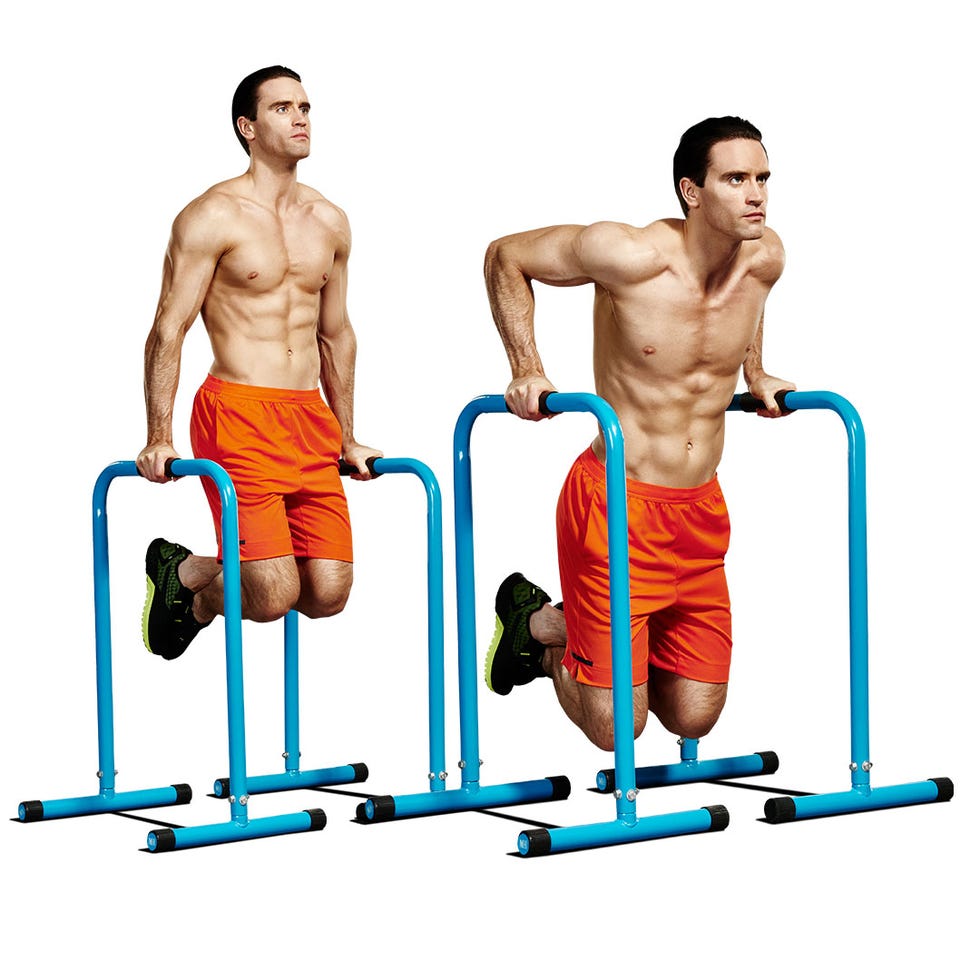
A bodyweight burner that should be a staple in every trainees arsenal. Stretch deep into the bottom of each rep to blow up your chest, but lower yourself slowly- before exploding back up- to share the glory with your triceps. Jump on a set of ring to double down on the gains, or add weight.
Jump up on two parallel bars or gymnastics rings with your palms facing inward and your arms straight (A). Use two boxes or the backs of two sturdy chairs if you’re at home. Slowly lower until your elbows are at right angles, ensuring they don’t flare outward (B). Drive yourself back up to the top and repeat.
2) CHIN-UPS
By switching from a wide, overhand grip to a closer, ‘supinated’ or ‘palms facing’ grip, your biceps are drafted in to assist the muscles of your upper back and lats. If you could do just one exercise to pump up those bi’s— this is it.
Grab a pull-up bar with your palms facing your body. Lift your feet off the floor and hang freely with straight arms (A). Pull yourself up by flexing your elbows, pinching your shoulders together. When your chin passes the bar, pause (B) before lowering to the starting position. Try not to swing too much.
3) FLOOR PRESS
Ditch the bench to blow up those arms. By shortening the range of motion versus a traditional bench press, your chest isn’t able to get the type of stretch that helps to blast the bar back upwards, instead it calls on your triceps to keep driving the rep count up. Keep your arms close to your body for extra tricep stimulus.
Lay flat on your back with your knees bent and your feet flat on the ground. Press a barbell or pair of dumbbells above your chest, locking out your elbows (A). Lower them slowly until the back of your arms are resting on the floor (B), close to your body, pause here before explosively pressing back up.
4) UNDERHAND BARBELL ROW
‘Supinated’. It’s that word again. Just like the chin-up, gripping your barbell with a slightly closer, underhand grip brings the biceps into play to a greater degree in this back building classic, loved by old-school bodybuilders. Squeeze those pythons hard at the top of each rep to establish the coveted ‘mind/muscle connection’.
Hinge down with soft knees and a flat back, gripping a loaded barbell with hands shoulder width apart, palms facing upwards (A). Draw your elbows back, rowing the barbell up towards your hips whilst maintaining a flat torso and tight core. Pinch your shoulder blades together and squeeze your biceps (B) Before slowly lowering the barbell.
5) CLOSE GRIP BENCH PRESS
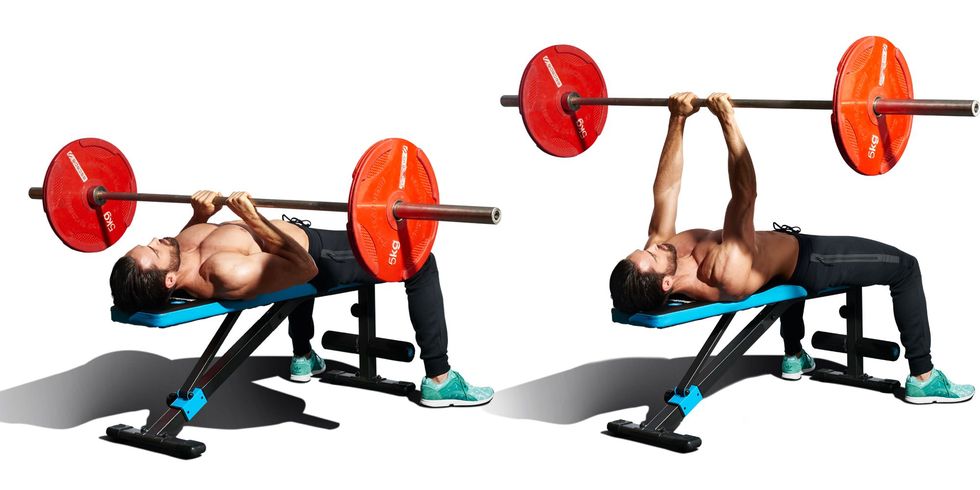
Bring your hands closer together and keep those elbows pinned to your sides during your bench press to lengthen the range of motion your triceps move through— think of it as extra growth inducing mileage. Slowly bring the bar down to below the centre of your chest before explosively pressing back up, flexing your triceps hard at the top of each rep.
Lay flat on a bench, your knees bent, pushing your feet into the floor. Grip a barbell with hands slightly closer than shoulder width apart and take it out of the rack, locking out your elbows (A). Lower the bar slowly until the bar touches just below your chest (B) keep your elbows close to your body throughout, pause here before explosively pressing back up.
6) RING ROW
By switching from a bar to the rings for rows, you’re able to create a completely bespoke range of motion, that you can tailor perfectly to your sleeve stretching goals. At the bottom of each rep, as your arms are outstretched ‘turn your biceps outs’ so that the backs of your hands are facing one and other to fully stretch the biceps. As you row your body upwards, rotate the rings, finishing each rep with your knuckles facing you, biceps fully contracted.
Hang, parallel to the ground, with straight arms beneath a set of rings. Create a tension throughout your entire body (A). Flex at the elbows, drawing yourself up towards the rings, rotating the rings until your palms are facing you. Squeeze your biceps at the top of each rep before slowly lowering yourself back down to the starting position.
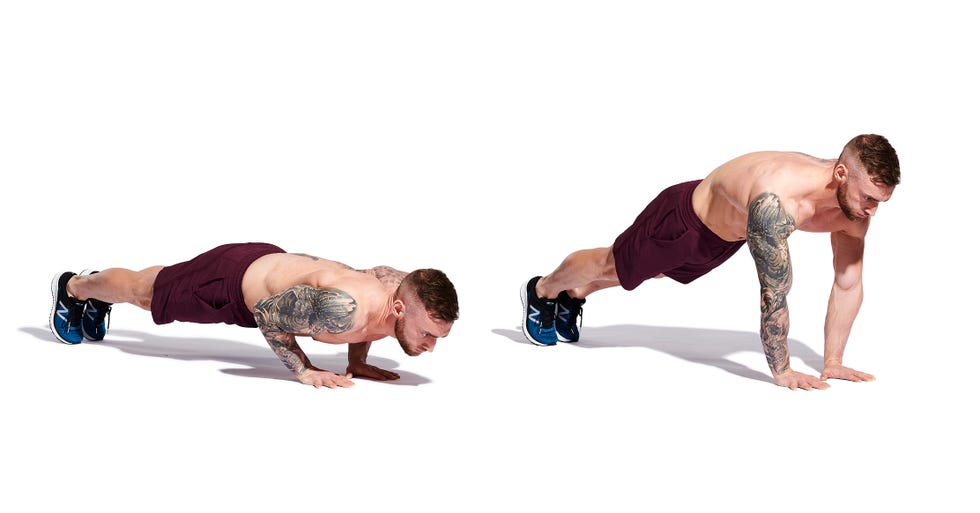
7) CLOSE GRIP PRESS-UPS
Just like the close grip bench press, keeping your arms pinned to your sides challenges your triceps far more than your garden variety press-up. Grip a pair of dumbbells or handles that almost touching, and aim to shift your bodyweight forward as you descend to spark new growth in the back of your arms.
Drop into a plank position, with your core tight and hands stacked below your shoulders (A), bend your elbows to bring your chest to the floor (B). Keep your elbows close to your body as you push back up explosively.
8) SANDBAG OVER SHOULDER
If you check the textbook, you’ll read that the biceps’ primary function are to ‘create flex at the elbow’. But, in practical terms that means that they’re built to pull heavy things close to your body, and hold them there. No movement provokes this response from your bi’s quite like picking up a heavy sandbag. You’ll be able to grip and rip considerably more than you can curl, building raw, real-world strength (and size) as you do.
With a sandbag between your feet, bend down and roll it side to side, working your hands underneath. Keeping your back straight (A). Lift the bag from the floor and rest it on your thighs. Now, pull it close to your torso and stand up explosively, use the momentum to roll the ball over one shoulder (B). Alternate shoulders each rep.
A citizen science approach has helped craft a resource-rich vaginal microbiome map with associations to lifestyle and events across a woman’s life course.
A self-sampling study of 3,345 women in Belgium called ‘Isala’, named after the first female doctor in Belgium, was designed to break societal taboos, as well as to provide insights into how vaginal bacteria are associated with women’s health. Lactobacillus crispatus seemed to be the most prevalent taxon in the healthy cohort (in 43.2% of samples), followed by Lactobacillus iners (27.7%) and Gardnerella species (9.8%). Age, motherhood, estrogen levels and menstrual stage emerged as strong influential factors that shape the vaginal microbiota. Additionally, menstrual products, contraceptives, sexual activity and partnership choices, as well as diet, also seemed to modulate the vaginal microbiome.
Access options
Access Nature and 54 other Nature Portfolio journals
Get Nature+, our best-value online-access subscription
$29.99 / 30 days
cancel any time
Subscribe to this journal
Receive 12 print issues and online access
$209.00 per year
only $17.42 per issue
Rent or buy this article
Prices vary by article type
from$1.95
to$39.95
Prices may be subject to local taxes which are calculated during checkout
Please provide your email address to receive an email when new articles are posted on .
We were unable to process your request. Please try again later. If you continue to have this issue please contact [email protected].
Key takeaways:
Integrating oral health into primary care is important for overall well-being but difficult to implement.
Disparities exist for certain patients, like those from underrepresented racial and ethnic populations.
For the best care, oral health should be integrated into primary care practices, but the United States is still a long way from that, according to experts.
The U.S. Preventive Services Task Force announced Tuesday that there was not yet enough evidence to officially recommend oral health screening and preventive interventions for adults and children aged 5 years and older. It was the first time the task force had issued a final recommendation on the subject, after previously calling for more research to help make a decision.
However, there is some confusion on what constitutes oral health and what differentiates it from dentistry.
Natalia Chalmers, DDS, MHSc, PhD, chief dental officer at the Centers for Medicare & Medicaid Services, told Healio that dental care is just one part of a patient’s oral health.
She explained that a simple way to view the relationship between dental care and oral health is to think of oral health like “the condition of a car’s engine” and dental care as “the regular maintenance and service you provide to keep that engine running smoothly.”
“In this analogy, oral health corresponds to the overall state of the car’s engine, including its performance, efficiency and longevity. Just as the engine’s condition depends on factors like the quality of the engine parts, driving habits, and fuel quality, your oral health relies on genetics, diet, lifestyle choices and hygiene practices,” Chalmers said. “Dental care can be likened to the maintenance and service of the car’s engine.”
In other words, flossing, brushing, dental check-ups, teeth cleanings and fillings are like changing the oil and “conducting routine inspections to identify and address potential issues,” she said.
Oral health is a broad concept that includes things like salivary glands, saliva production, tooth health (including roots, blood flow and enamel), gingival health and integrity, oral flora (bacteria that colonizes the mouth) and more, Adam Hunt, DO, an osteopathic physician specializing in emergency medicine and member of the American Osteopathic Association and Michigan Osteopathic Association, said.
Connections to overall well-being
Although the USPSTF does not have enough evidence to recommend oral health screening in primary care, it is important for primary care physicians to educate and encourage patients to maintain their oral health, Chalmers said, considering that “inadequate oral health has far-reaching consequences that extend beyond the mouth, profoundly affecting one’s overall wellbeing, nutritional intake and general health.”
“This interconnected relationship between oral and overall health underscores the importance of maintaining a healthy mouth. When oral health is compromised, it can lead to a cascade of issues,” she said. “For instance, poor oral health can hinder a person’s ability to chew food properly, resulting in dietary limitations and reduced nutrient absorption. This, in turn, can contribute to malnutrition, which is a serious concern for overall health, particularly among vulnerable populations such as seniors. Additionally, oral health problems can lead to chronic pain and discomfort, negatively impacting an individual’s quality of life.”
Additionally, Hunt said that “a link has been established between oral health and overall health — most notably, cardiovascular health.”
“Patients who have poor oral health have higher risk of cardiovascular events such as myocardial infarctions, strokes and endocarditis,” Hunt said. “Studies have shown that stress reduces the amount of saliva production. Saliva is a natural cleanse for the mouth, and without it or with a reduced amount, patients are at risk for gingivitis, tooth erosion, bacterial overgrowth and infection. There are many medications and medical conditions that reduce saliva production that lead to the same situation.”
Rena N. D’Souza, DDS, MS, PhD, the director of the National Institute of Dental and Craniofacial Research, also pointed to growing research indicating a strong connection between poor oral health and cognitive decline.
“Older individuals who have lost their teeth are more likely to experience cognitive decline,” she said. “This is not to say there is a direct cause and effect between tooth loss and cognitive decline. When a person loses their teeth, they may be uncomfortable in social settings and unable to maintain a balanced diet; these factors may also play a role in cognitive decline.”
Karen L. Smith, MD, FAAFP, a family physician and member of the American Academy of Family Physicians board of directors, also emphasized the importance of evaluating oral health as an early indicator for serious conditions like diabetes. In fact, the first sign of HIV that a PCP could identify is “a cotton mouth full of thrush,” she said.
Although oral health may not be completely integrated into primary care, Smith said that it is somewhat already part of being a family physician. Oral health care, she said, starts “when we give that first request of a patient: ‘open your mouth wide.’”
Integration
Smith said that when a patient opens their mouth at the beginning of their visit, she looks at the gums (“Are they receding? Are they bleeding? Are they really pale in color?”) and the teeth (“Are they present? Are they discolored? Are they chipped?”). She also looks at the tonsils and tongue to identify any lesions, changes in blood vessels, sores, growths and more.
“‘Open your mouth wide’ gives us entry into a host of not only preventable disorders, but possibly active disease or active disorders that we can intervene with,” Smith said.
Considering how oral health and one’s overall wellbeing are connected, D’Souza said that “it is critical for oral health care to be integrated into primary health care practices.”
The effort is already underway, she said; policymakers and health care professionals have been working to integrate oral health with primary care, especially for children, for decades.
“For example, Medicaid has been expanded to cover child oral health services, including caries risk assessment and sealant placements in children,” she said. “Efforts such as these have contributed to the reduction of untreated tooth decay in preschool children by nearly half — from 19% to 10% over 2 decades, putting early childhood caries at a historically low prevalence.”
However, she said the U.S. still has “a long way to go” when it comes to setting up the protocols, procedures and policies for “a fully integrated health care system.”
Full integration, she said, would involve PCPs incorporating oral health education, assessment, prevention and basic treatment services into their routine care.
“It involves physicians working closely with an interprofessional team of care providers, including physician assistants, nurse practitioners, dental hygienists, dental assistants and others,” D’Souza said. “It is essential for these teams to recognize the important connections between the mouth and the body. I think it is extremely important that we train our future generations of physicians to work in such settings.”
Smith said that collaborating with dentists is “vitally important” to her. She told a story of a dentist colleague who noted significant bleeding during a patient’s preventive services. The dentist mentioned the problem to the patient’s PCP and then learned the patient was diagnosed with advanced liver cancer.
“We have to recognize in health care how we work together, how we work in a collaborative fashion,” Smith said. “Recognizing that while family doctors may be the first point of contact for health care, (but) dental care is certainly something that we do not dismiss as being necessary in the life of an individual.”
Although many dental and oral diseases are preventable through this type of collaboration, D’Souza said “many individuals with limited access to dental care (also) find it difficult to access oral health care.”
Disparities
Recent research published in JAMA Network Open that evaluated the most common dental and oral health problems among Medicare beneficiaries in nursing homes revealed significant racial disparities.
The researchers found that Black beneficiaries had 5% higher odds of having cavities or broken natural teeth and 16% higher odds of having no natural teeth or tooth fragments compared with their white counterparts. American Indian or Alaskan Native beneficiaries had 45% higher odds of having inflamed or bleeding gums or loose teeth, 34% higher odds of having no natural teeth or tooth fragments and 20% higher odds of having cavities or broken natural teeth compared with their white counterparts.
Hunt suggested the wealth gap is also tied to oral health disparities.
“Patients of lower socioeconomic status are at higher risk for poor oral health due to many factors: lower rates of dental insurance, higher stress, less money that can be dedicated to dental care, higher rates of smoking and substance abuse,” he said. “Increasing insurance rates in this population would definitely make an impact, as well as providing education to people the importance of dental care and oral health.”
D’Souza said that early prevention, having an interprofessional team of health care providers and regular dental care “can help patients overcome these systemic health problems.”
“Routine dental check-ups, either from dental or primary health care providers, can catch problems early and provide patients with professional guidance on maintaining oral and overall health,” D’Souza said.
Cost
The U.S. spent $161.8 billion on dental services in 2021, according to an estimate from CMS. However, individual spending varies drastically by insurance coverage, or lack thereof. A recent survey from CareQuest Institute found that an estimated 68.5 million adults do not have dental insurance, and that number is only expected to grow, potentially hitting 91.4 million by the end of 2023.
Also, a 2020 article in JAMA revealed that, in 2016, oral disorders and well dental care resulted in the highest spending paid out of pocket, at an estimated $30.5 billion and an estimated $21.1 billion, respectively.
“Integration of oral health care into primary health care practices can provide care to more patients, improve patient outcomes, and reduce the cost of care,” D’Souza said. “Millions of people visit their primary care provider but do not have a dental home. Again, there is a long way to go. To make it a reality, there will need to be policy reforms that involve all providers coming to the table to make it feasible.”
Progress
Chalmers said that CMS “has achieved several significant accomplishments to advance oral health” over the past 2 years — namely, establishing a process to consider and review public recommendations for “Medicare payment for dental services inextricably linked to certain other covered medical services” and the fact that, as of October 2022, all 50 states and Washington, D.C., have offered some dental coverage for pregnant Medicaid enrollees through at least 60 days postpartum.
“These changes will strengthen access to dental services for more Medicaid and Medicare beneficiaries,” Chalmers said. “Access to oral health services that promote health and wellness is critical to allow beneficiaries and consumers to achieve the best health possible.”
Now, she said CMS is “undertaking a cross-cutting initiative to consider opportunities to expand access to oral health coverage using existing authorities and health plan flexibilities across Medicare, Medicaid/CHIP (Children’s Health Insurance Program), and the Marketplace.” CMS will also “consider opportunities to expand access to oral health coverage using existing authorities and health plan flexibilities,” she said.
“CMS plans to partner with states, health plans, and health care providers to find opportunities to expand coverage, improve access to oral health services, and consider options to use our authorities creatively to expand access to care,” Chalmers said. “Maintaining good oral health is not just about having a beautiful smile; it is an essential component of overall health, nutrition, and well-being.”
Women’s health and empowerment as a driver of economic stability and growth were critical agenda items at this week’s Asia-Pacific Economic Cooperation (APEC) CEO Summit in San Francisco, where I was the co-chair of the private sector host committee. And the reasons were compelling.
According to APEC, its 21 member economies represent approximately 62% of the world’s GDP. A 2023 report by Asia Matters for America notes that “nearly 58% of women aged 15 and older” who live in the APEC region “participate in the labor force.” That means women in the region are responsible for a substantial amount of the global economy. In this way, women are a powerful economic engine—and improving their health and wellbeing can significantly contribute to their economy and the world as a whole.
Data reinforces that improving women’s health creates an incredible multiplier effect. A 2016 report from the McKinsey Global Institute explained that if women “were to participate in the economy identically to men, they could add as much as $28 trillion or 26 percent to annual global GDP in 2025.” This is roughly the size of the U.S. economy today and serves as further proof that strengthening women’s health provides an economic benefit.
Many of my conversations at the event this week centered on the role the private sector plays in working with the public sector, civil society and others to address the collective priorities of APEC economies. This includes advancing the health of all women and further integrating women in the workforce—because no one entity or sector can advance the health of our 21 economies or the health of our people alone.
Below are a few of the approaches I shared at the CEO Summit on how the private sector can partner with key stakeholders to address the unmet health needs of women and, in turn, build more resilient, prosperous and inclusive economies.
1. Investment In (And Innovation For) Women Must Be A Top Priority
Innovation from the private sector can drive advances for the public good. Yet for too long, innovation in women’s health has not benefited from the resources or investment it deserves.
It is hard to ignore the numbers. One woman dies every two minutes around the world from preventable causes related to pregnancy and childbirth. In the U.S. alone—an APEC economy—women are dying from pregnancy-related causes before, during and after childbirth at a higher rate than other developed nations. Despite these shocking statistics,
This is just one example. There are many areas of unmet need and opportunities for impact. The private sector can lead the charge by investing and developing solutions that can significantly improve care, diagnoses and health outcomes for women.
It’s important to develop innovations, but they must exist within a rich ecosystem to unlock their value. In that ecosystem, the private sector, regulators, governments and civil society should be focused on ensuring that innovations are accessible to all. Ultimately, innovation is meaningless if it doesn’t reach people where and when they need it.
2. The Private Sector Can Bring New Solutions To Solve Demographic Challenges
The power of public-private partnership was on display throughout the Summit. The APEC Smart Families Menu of Policy Options for Demographic Resilience is a great example of how the private sector can collaborate with governments and NGOs to bring meaningful new solutions forward and support public health goals.
The Menu is the result of a year-long collaboration among APEC economies, the private sector (including my company) civil society and academia to help health and economic policymakers address demographic trends and the drag these forces exert on their respective economies.
Two trends that pose significant challenges for 17 of the APEC’s 21 economies are falling birth rates, some of which are below the level needed to maintain the population, as well as high rates of unintended pregnancy. These two trends can, and often do, exist in the same economy, reflecting the complexity of reproductive health conditions.
The Menu includes policy recommendations to increase access to fertility planning and contraceptive options. In doing so, more women can participate in the economy, enabling markets to become more inclusive and in the process, grow and thrive.
Our aim is for the private sector to continue working with stakeholders from across the ecosystem to come up with real-world, practical options that demand adoption and that improve the health of and advance economic prosperity for the world’s women.
3. Enabling Change From Within Through Workplace Policies And Culture
Finally, at the CEO Summit, there was much discussion about how businesses can lead through progressive workplace policies. This includes leave and benefits and implementing flexible work arrangements that promote equality and work-life balance.
For example, one in six people globally are impacted by infertility. Yet a 2023 report by Carrot, a global fertility care platform, revealed that only “32% of respondents seeking to grow their families say they are able to afford” fertility treatments. By offering comprehensive fertility benefits and services, such as egg freezing, in-vitro fertilization and time off for treatments, companies can support their employees with family planning priorities while also benefiting their recruitment and retention efforts, as well as overall societal goals. And there has been some progress. In 2022, the number of employers providing fertility benefits increased to 40% (compared to 30% in 2020).
Equally important is creating an environment where both women and men feel comfortable utilizing the benefits offered to them. Many parents cut their parental leave short due to concerns about the consequences for their careers and incomes, despite the health benefits of leave. By adopting family-friendly policies and pairing them with women-friendly corporate cultures, business leaders can help support these larger goals.
A Transformational Societal Opportunity
When policies that empower women to take control of their fertility and family planning decisions are put at the heart of population and development-related programs, the possibilities are endless.
I’m looking forward to seeing how governments adapt and implement new policies—to not only reverse the demographic challenges that are afflicting so many economies, but to help drive innovation and address the unmet health needs for roughly one-third of the world’s women who call the APEC region home.
Many of the common adverse effects of medication use that are seen in the oral cavity are dry mouth, abnormal bleeding of the gums, gingival enlargement, and soft tissue reactions. (Photo: Pexels)
THE next time you pop a pill, ask yourself this question: What will this medicine do to my mouth and teeth?
Many medications can affect your oral health. In addition to prescribed and over-the-counter drugs, vitamins, minerals, and herbal supplements can also cause oral health issues. Many of the common adverse effects of medication use that are seen in the oral cavity are dry mouth, abnormal bleeding of the gums, gingival enlargement, and soft tissue reactions. However, these side effects can be minimised by good oral hygiene practices, including regular brushing with a fluoridated toothpaste and flossing.
Some common oral side effects include:
Dry Mouth: Antihistamines, blood pressure and heart medications, antidepressants and other drugs can cause a decrease in saliva, leaving your mouth prone to soft tissue inflammation, pain and infection. Tooth decay can also develop, and chronic dry mouth can create problems for people who wear dentures. Alleviate dry mouth by drinking more water or using sugarless lozenges or gum to stimulate the flow of saliva. Artificial saliva or, in some cases, medication may be recommended by your dentist or physician.
Gum tissue overgrowth: Also referred to as “gingival hyperplasia”, gum tissue overgrowth is associated with anti-seizure medications, immunosuppressant drugs such as those taken by organ transplant patients and calcium channel blockers taken by heart patients. Studies suggest that gum tissue overgrowth can be controlled if meticulous oral hygiene is started at the same time or before medication is taken. Tissue overgrowth can complicate oral hygiene. Sometimes, a gingivectomy (a procedure used to remove excess tissue) may be necessary.
Soft-tissue reactions: Oral sores, inflammation or discolouration of the soft tissue can result from taking medications prescribed for blood pressure control, immunosuppressive agents, oral contraceptives and some chemotherapeutic agents. Your dentist may recommend an oral hygiene programme to limit the discomfort associated with such side effects.
Abnormal bleeding: Reduced blood clotting is a result of aspirin and prescribed anticoagulants, like heparin or warfarin. These medications are prescribed to treat strokes or heart disease, but can cause bleeding problems during oral surgery or periodontal treatment. If you’re having dental treatment, talk to your dentist about these medications, especially if the dental procedure involves bleeding.
Tooth discolouration: Intake of tetracycline products when teeth are developing can cause permanent staining in those teeth. Cosmetic dentistry techniques like veneers, crowns, bonding procedures, or, in some cases, bleaching may be used to lighten teeth with tetracycline stains.
Oral candidiasis: Certain inhaler medications used for asthma may lead to a yeast infection in the mouth. Rinsing your mouth out with water after using an inhaler can help prevent this side effect.
Preventing oral health problems
Some suggestions include:
• Avoid fizzy soft drinks, which are highly acidic and can erode tooth enamel. Drink fluoridated tap water instead.
• Cut back on sweet or sticky foods such as biscuits or popcorn.
• Chew sugar-free gum to encourage a steady flow of saliva.
• Pay careful attention to your tooth brushing and flossing habits. Brush your teeth thoroughly at least twice a day and floss once a day. Be gentle when cleaning your teeth to avoid damaging the gums.
• If your medication is acidic, rinse your mouth with water after taking it and avoid brushing your teeth for at least 30 minutes.
• Visit your dentist at least once or twice a year.
• Ask your doctor, dentist or pharmacist about the medicines you take and if they may affect your dental health.
•Minimise your intake of alcohol.
• Consider quitting smoking. Speak to your doctor or dentist about support available to help you quit.
• If you have a drug or alcohol dependence problem, consider talking to your doctor about support services or entering a drug treatment programme.
Your doctor and dentist may offer further self-care suggestions. Follow the suggestions carefully.
Dr Sharon Robinson, DDS, has offices at Dental Place Cosmetix Spa, located at shop #5, Winchester Business Centre, 15 Hope Road, Kingston 10. Dr Robinson is an adjunct lecturer at the University of Technology, Jamaica, School of Oral Health Sciences. She may be contacted at 876-630-4710. Like their Facebook page, Dental Place Cosmetix Spa.
If you have hypothyroidism, you may benefit from eliminating gluten, processed foods, and other foods that may trigger your immune system or cause inflammation.
Hypothyroidism is a health condition in which the body doesn’t make enough thyroid hormones. It affected about 11.7% of U.S. adults in 2019.
Thyroid hormones help manage a number of bodily functions, including growth, cell repair, and metabolism. As a result, people with hypothyroidism can experience symptoms like:
Medication is the first line of treatment for hypothyroidism, but following a healthy diet and lifestyle can help improve thyroid function and symptoms, too.
This article outlines a nutritious, well-balanced diet for hypothyroidism, including which foods to eat and which to avoid — all based on research.
The thyroid gland is a small, butterfly-shaped gland that sits near the base of the front of your neck.
It makes and stores thyroid hormones that affect nearly every organ system in your body.
When the thyroid gland receives a signal called thyroid-stimulating hormone (TSH), it releases thyroid hormones into the bloodstream. This signal is sent from the pituitary gland, a small gland found at the base of your brain, when thyroid hormone levels are low.
In hypothyroidism, the thyroid gland doesn’t release sufficient thyroid hormones, even when there is plenty of TSH.
Chronic autoimmune thyroiditis (Hashimoto’s thyroiditis) is an autoimmune disease in which your immune system mistakenly attacks your thyroid gland. It’s the most common cause of hypothyroidism in iodine-sufficient populations.
Other times, the thyroid gland doesn’t receive enough TSH. This happens when the pituitary gland is not working properly and is called secondary hypothyroidism.
When your thyroid isn’t working properly, it can cause a variety of symptoms, including extreme fatigue and constipation.
Some people with hypothyroidism may experience extreme symptoms, while others may not experience many symptoms at all.
A healthcare professional will choose an appropriate treatment plan based on your thyroid function, symptoms, and other health concerns.
Hypothyroidism is usually treated with thyroid hormone replacement medication, such as levothyroxine (Synthroid) or natural thyroid hormone medications like Armour Thyroid.
However, many people’s symptoms may persist even when they’re being treated with thyroid hormone replacement.
For example, people with Hashimoto’s thyroiditis may often experience symptoms like fatigue, cold intolerance, anxiety, and hair loss even after thyroid hormone medication has normalized their thyroid function. Because of this, many people with hypothyroidism may seek alternative treatment methods.
Research shows that, in addition to medication, dietary and lifestyle modifications can often help reduce certain symptoms and improve overall quality of life in people with hypothyroidism.
Learn more about the signs and symptoms of hypothyroidism.
Summary
Hypothyroidism is a condition in which the thyroid gland doesn’t make enough thyroid hormone. This can lead to a variety of symptoms, such as weight gain, cold intolerance, and constipation.
Hypothyroidism is usually treated with thyroid hormone replacement medications, but some people with hypothyroidism may still experience symptoms when their thyroid function is considered typical.
Following a nutritious diet is important for everyone, but studies show that certain dietary interventions can have specific benefits for people with hypothyroidism.
Hashimoto’s thyroiditis is the most common cause of hypothyroidism in the United States. It’s an autoimmune disease that leads to the gradual destruction of thyroid tissue by white blood cells, or lymphocytes.
Hashimoto’s thyroiditis is more common in women and often develops between ages 30 and 50, though men and younger people can develop the disease too.
Many studies have shown that dietary changes can benefit people with Hashimoto’s thyroiditis in a number of ways. This includes improving thyroid function, promoting a healthy body weight, and reducing hypothyroid symptoms.
Gluten-free diets, autoimmune elimination diets, and anti-inflammatory diets are some of the dietary patterns shown to be helpful for those with Hashimoto’s thyroiditis.
For example, gluten-free diets may help improve thyroid function. Additionally, diets high in vegetables and fruits could protect against cellular damage and promote healthy body weight maintenance in people with Hashimoto’s thyroiditis.
Some studies also suggest that elimination diets, like a modified paleo diet, could help reduce symptoms such as fatigue and improve quality of life in people with Hashimoto’s thyroiditis.
Following a nutritious, calorie-controlled diet can also help promote weight loss, which is something that people with hypothyroidism may have difficulty with.
What’s more, nutrient deficiencies can worsen hypothyroid symptoms, like fatigue, anxiety, and low mood.
Some deficiencies that may be responsible for worsening these symptoms include:
Because of this, it’s essential to try to maintain a well-rounded diet that provides optimal amounts of both macronutrients and micronutrients.
In general, a diet rich in nutritious foods and low in pro-inflammatory foods with added sugar or ultra-processed foods can be helpful for many people with hypothyroidism.
Summary
Following a healthy, nutrient-rich diet could help people with hypothyroidism improve their thyroid function, prevent nutrient deficiencies, and improve hypothyroid symptoms.
There are a number of nutrients that are essential to the health of the thyroid.
Plus, people with hypothyroidism are more likely to develop certain nutrient deficiencies compared with the general population.
Iodine
Iodine is an essential mineral that is needed to make thyroid hormones, and a deficiency can lead to hypothyroidism. In fact, insufficient iodine intake is the most common cause of hypothyroidism worldwide.
Though iodine deficiency is common in many areas of the world, it’s less common in developed countries like the United States.
People who don’t use iodized salt, pregnant women, and people following vegan diets are more at risk of having low iodine levels.
If you have hypothyroidism, avoid supplementing with iodine unless a doctor recommends it to treat low iodine levels. Taking in excessive amounts of iodine is harmful for the thyroid and can cause hyperthyroidism in people living in iodine-abundant areas, like many parts of the United States.
If you’re concerned that you’re not taking in enough iodine, contact a healthcare professional or dietitian to assess your iodine levels and determine the best iodine intake plan for you.
Selenium
Selenium is another mineral that’s necessary for thyroid health and thyroid hormone production. It helps protect the thyroid from damage caused by oxidative stress.
Adding selenium-rich foods to your diet is a great way to boost your selenium levels. Examples include:
Additionally, selenium supplements can be helpful for certain people with hypothyroidism.
For example, research from 2023 suggests that supplementing with 200 micrograms (mcg) of selenium per day has been shown to decrease thyroid antibodies and improve certain symptoms like low mood in people with Hashimoto’s thyroiditis.
But this doesn’t mean that selenium supplements are necessary for all people with hypothyroidism. Only supplement with selenium if recommended by a healthcare professional.
The National Institutes of Health has identified 400 mcg of selenium as the daily upper limit for adults. Chronically high intake of selenium can cause symptoms like hair and nail loss, diarrhea, nausea, and skin rashes.
Acute selenium toxicity can have serious, and sometimes fatal, effects like kidney failure, heart attack, and breathing problems.
Zinc
Like selenium, zinc is needed for thyroid hormone production and thyroid function.
Not getting enough zinc can negatively affect your thyroid function and many other aspects of health, so it’s essential to get enough of this nutrient in your diet.
When used alone or combined with other nutrients like selenium and vitamin A, zinc supplements may help improve thyroid function in those with hypothyroidism.
If you’re interested in taking a zinc supplement, talk with a healthcare professional. They can determine whether or not a zinc supplement may be appropriate for you.
Other important nutrients
In addition to the nutrients listed above, there are other vitamins and minerals that people with hypothyroidism should be mindful of:
Vitamin D: People with hypothyroidism are more likely to be deficient in vitamin D. Having low vitamin D levels can negatively affect thyroid function and worsen hypothyroid symptoms. Because vitamin D isn’t concentrated in many foods, supplementation is often necessary.
Vitamin B12: B12 deficiency is common among people with hypothyroidism. Talk with a doctor about testing your B12 levels. If your levels are low or suboptimal, a doctor can recommend a B12 or B-complex supplement.
Magnesium: Low or deficient magnesium levels are associated with thyroid dysfunction and can increase the risk of developing hypothyroidism. Supplementing with magnesium has been shown to improve hypothyroid symptoms.
Iron: Iron deficiency is common in women with hypothyroidism. Low iron levels or iron deficiency anemia can impair thyroid function. Supplementation is often necessary to reach and maintain healthy iron levels.
These are just some of the many nutrients that are important for thyroid function and general health. Other examples of nutrients important for people with hypothyroidism include:
Summary
People with hypothyroidism are more likely to be deficient in several essential nutrients. Supplementing with certain vitamins and minerals could help improve thyroid function and hypothyroid symptoms. But it’s recommended to talk with a medical professional or dietitian before starting any new supplement.
You don’t have to avoid many foods if you have hypothyroidism, but there are certain foods that may cause issues in some people with hypothyroidism.
Gluten and ultra-processed foods
Gluten is a group of proteins found in wheat, barley, triticale, and rye.
Some studies suggest that people with Hashimoto’s thyroiditis may benefit from following a gluten-free diet. Other studies disagree on whether a gluten-free diet is necessary for everyone with the condition.
Additionally, people with hypothyroidism may want to limit certain foods in order to promote overall health.
For example, people with Hashimoto’s thyroiditis have been shown to have increased markers of inflammation and oxidative stress. Oxidative stress is characterized by an excess of reactive compounds called free radicals in the body, which overwhelm the body’s antioxidant defenses and can lead to cellular damage.
People with hypothyroidism may want to avoid foods that contribute to oxidative stress and inflammation, such as ultra-processed foods, foods and beverages high in added sugar, and fried foods.
In addition to contributing to oxidative stress, a diet high in these foods is linked to obesity, so cutting back on these products could also help people maintain a healthy body weight.
Goitrogens
Goitrogens are substances found in cruciferous vegetables, such as cabbage and Brussels sprouts, and soy products that may interfere with thyroid hormone production.
Most people, including those with hypothyroidism, can enjoy moderate amounts of goitrogenic foods without negatively affecting their thyroid health. Cruciferous vegetables like broccoli are actually quite low in goitrogens.
Plus, cooking goitrogenic foods reduces goitrogenic activity, making them safer for people with hypothyroidism.
That being said, it’s a good idea to avoid consuming large amounts of juice made with raw cruciferous vegetables.
People with hypothyroidism may want to avoid eating large amounts of:
Other goitrogenic foods include soy and pearl millet.
In general, people with hypothyroidism may want to avoid eating large amounts of any goitrogenic foods.
Diet and thyroid medication
Make sure you’re taking your thyroid medication on an empty stomach to promote optimal absorption. This includes avoiding beverages, foods, and supplements that could interfere with medication absorption.
Experts suggest taking thyroid medications like levothyroxine at least 30–60 minutes before breakfast or at least 3–4 hours after dinner.
Even coffee can significantly affect thyroid medication absorption, so it’s important to always take your medication on an empty stomach and wait at least 30 minutes before consuming foods or beverages besides water.
It’s also important to avoid taking thyroid medication within 4 hours of taking iron or calcium supplements.
Summary
People with hypothyroidism don’t have to avoid many foods, but they may want to avoid consuming large amounts of goitrogenic foods and limit ultra-processed foods to promote overall health. Additionally, people with Hashimoto’s thyroiditis may benefit from a gluten-free diet.
Following a diet rich in nutritious foods can help improve overall health and promote healthy body weight maintenance.
Plus, a nutrient-dense diet can help reduce the risk of health conditions linked with hypothyroidism, such as heart disease, obesity, and type 2 diabetes.
A diet high in fiber can also help lower the risk of constipation, which is a common symptom of hypothyroidism.
If you have hypothyroidism, try incorporating the following nutritious foods into your diet:
Starchy vegetables: sweet potatoes, potatoes, peas, or butternut squash
Fish, eggs, meat, and poultry: fish and shellfish, eggs, turkey, or chicken
Healthy fats: olive oil, avocados, avocado oil, coconut oil, unsweetened coconut, or full fat yogurt
Gluten-free grains: brown rice, rolled oats, quinoa, or brown rice pasta
Seeds, nuts, and nut butters: almonds, cashews, macadamia nuts, pumpkin seeds, or natural peanut butter
Beans and lentils: chickpeas, kidney beans, or lentils
Dairy and nondairy substitutes: coconut milk, cashew milk, coconut yogurt, almond milk, unsweetened yogurt, or cheese
Spices, herbs, and condiments: spices like paprika, saffron, or turmeric, fresh or dried herbs like basil or rosemary, and condiments salsa or mustard.
Beverages: water, unsweetened tea, coffee, or sparkling water
Keep in mind that some people with hypothyroidism may benefit from avoiding gluten and other ingredients like dairy. Others may not need to cut these foods from their diet and may be able to consume gluten and dairy without an issue.
This is why it’s important to develop an eating plan that works for you and your specific health needs.
If you can, work with a registered dietitian who can help identify which foods you may need to eliminate. They can also help you develop a balanced eating plan that doesn’t unnecessarily cut out nutrient-rich ingredients.
Summary
There are plenty of healthy food options for people with hypothyroidism, including vegetables, fruits, healthy fats, and protein sources like fish and eggs.
Everyone with hypothyroidism has different health and dietary needs. Your calorie needs depend on a number of factors, including:
age
activity level
gender
height
whether you’re trying to lose or gain weight
This general meal plan can help you get an idea of what healthy eating may look like when you’re living with hypothyroidism.
Monday
Breakfast: egg and spinach omelet served with half of an avocado and a bowl of berries
Lunch: a large green salad with chicken, beans, and pumpkin seeds
Dinner: stir-fried shrimp and vegetables served with brown rice
Tuesday
Wednesday
Thursday
Friday
Breakfast: protein berry smoothie made with vanilla pea protein, natural peanut butter, and frozen mixed berries
Lunch: a large green salad with chicken, fresh vegetables, beans, and pumpkin seeds
This sample week-long meal plan is suitable for people with hypothyroidism. It provides plenty of options for a delicious and healthy menu.
Hypothyroidism, or an underactive thyroid, is a health condition that affects many people worldwide.
It can cause symptoms like tiredness, weight gain, constipation, low mood, and cold intolerance among many others.
There’s no “best” diet, but eating the right nutrients and taking medications can help manage hypothyroidism symptoms, improve thyroid function, and promote overall well-being.
Everyone has different diet needs, but people with hypothyroidism can benefit from a diet rich in whole, nutrient-dense foods like vegetables, fruits, nuts, and fish.
A new report found that Massachusetts is performing well on many health metrics related to women’s and children’s health, but that there are still areas for improvement.
A new report ranked Massachusetts second among the 50 states when evaluating the overall health of its women and children.
The United Health Foundation’s annual Health of Women and Children report showcased many positive health trends among Bay Staters, which experts largely attribute to the state being among the wealthiest and most educated in the country, as well as the state government’s proactive approach to improving residents’ health.
Even so, the report also identified several women’s and children’s health metrics on which Massachusetts could improve.
Socioeconomic factors play a role in health
It’s no coincidence that the report ranked Massachusetts number one in social and economic health factors for children and number seven for women, experts say.
The state did especially well on education metrics, including having the highest percentage of women ages 25 to 44 who graduated from a college or technical school — something experts say is likely due to Boston being an education hub.
Typically, high income and education levels correlate with good health outcomes, experts say. This was reflected in the report, which found that Massachusetts had the lowest child mortality rate in the country and was among the best when it came to women’s and infant mortality.
“We often look at health metrics and think they measure the quality of a health care system, but often, it’s really about wealth and social structure,” Boston University community health sciences professor Eugene Declercq recently told Boston.com.
According to Williams College economics professor Tara Watson, you are also less likely to smoke, be obese, or get pregnant as a teen if you are highly educated and/or wealthy, though it’s not clear why.
This was reflected in the report, which found that the Bay State had the second-lowest teen birth rate in the country — a rate which was half that of the country as a whole. It also had low smoking rates among pregnant people and women ages 18 to 44, and at 22.7%, the state had the lowest obesity rate among women in this age range.
Watson said that children of wealthy, educated people are also less likely to experience “adverse childhood experiences,” such as dealing with a parent struggling with addiction or witnessing violence in their neighborhood. This was evident in the report as well, as Massachusetts had the second-lowest percentage of children ages 0 to 17 who have dealt with these experiences.
How state government promotes health
Boston University community health sciences professor Sophie Godley, who used to work for the state Department of Public Health, said the state has a long history of implementing programs that promote health. The programs often work to educate health care providers and affected communities on health issues, or help people find treatment for health problems, she said.
For decades, Godley said, the state has had outreach and support programs targeting issues such as teen pregnancy and smoking, for instance..
Another example is the efforts the state has taken to get families enrolled in WIC programs, Godley said. This is reflected in the report, which found that Massachusetts had the second-highest percentage of eligible children enrolled in the program.
Massachusetts legislators have also contributed to the state’s good health by passing laws that promote health, experts said. For example, Godley said, state law requires insurers to offer robust coverage in their health insurance plans.
“This is a state that has always been at the forefront of health care reform,” she said, adding that this has been true regardless of what political party was in power.
While the causal relationship between strict gun laws and firearms-related deaths is often debated, data has shown that such laws correlate with fewer gun deaths. As Massachusetts has some of the most restrictive gun laws in the country, it’s not surprising then that the report found that it had the lowest rate of gun-related deaths for both women and children.
Similarly, Massachusetts has some of the highest water quality standards and regulations in the country. Experts say this may be why the state tied with several others for having the best water quality in the report.
Why the Massachusetts Health Connector is so important
Experts agreed that the biggest way the Massachusetts state government promotes health is through the Massachusetts Health Connector, which makes it possible for nearly every Bay Stater to have health insurance.
This is likely why the report found that Massachusetts had the lowest rate of uninsured women and children in the country, at about 3% and 1%, respectively. In the country overall, nearly 12% of women and a little over 5% of children were uninsured.
When people have health insurance, they are more likely to seek out preventative care and treatment for issues that may seem minor but can turn more serious later, Watson said. In that way, Declecq said, they stop health problems before they start.
This was reflected in the report, which found that a greater share of women and children received preventative care and regularly visited the doctor in Massachusetts than in the country as a whole.
The saturation of doctors in a small state, which experts say is tied to Boston being a medical school hub, also helps Bay State residents’ access health care easily.
“You only have to travel — even if you’re in a pretty rural location – maybe an hour to get to a doctor, whereas if you’re in rural Texas, you might be driving two or three hours,” Boston College nursing professor Brittany van de Water said.
Health problems tied to known issues
The report highlighted that Massachusetts struggles with housing-related issues. For one, the rate of households with children that spend more than 30% of their income on housing was higher than the national average. Experts cited the state’s ongoing housing crisis as being responsible for this problem.
“There’s a well-known high cost of living in Massachusetts, especially in the eastern part of the state,” Watson said. “ … That’s been true for a long time, but housing prices in Boston and other similar coastal cities have gone up even more in the past few years, and so it just becomes that much less affordable for the average person.”
Additionally, the Bay State’s relatively old housing stock, which goes back to the age of the state itself, seems to be causing problems. Experts said this is why the report recorded the state having some of the highest rates of asthma in women and children.
The report also found that nearly 30% of Massachusetts’s housing stock carries an elevated lead risk — a rate far higher than that of the nation as a whole.
Another area where Massachusetts seemed to perform poorly was in regards to children’s mental health. The report found that the state had some of the highest rates of anxiety and depression among children ages 3 to 17. The state’s childhood victimization rate was also the third-highest in the country, and more than double the national rate.
But several experts said they thought this might not actually be bad news. Since Massachusetts has such good health care access, they said it’s possible that the state doesn’t actually experience these health issues at higher rates, but that its health care providers are simply catching these issues more often than in other states.
This may be why the report found that the Bay State had the lowest teen suicide rate in the country — a rate which was half that of the country as a whole.
“We’re doing a better job of intervening,” Watson said.
Health problems without a clear explanation
Experts said there wasn’t a clear explanation behind every health metric on which Massachusetts did poorly in the report.
One example is the Bay State’s higher-than-average rates of excessive drinking, illicit drug use, and drug-related deaths among women. The report also found that the state had high rates of children ages 12 to 17 using drugs or alcohol.
Both Declercq and Watson agreed that, while it’s not clear why, it’s well-known that the opioid crisis has hit Massachusetts harder than many other states. Godley added that the state has had high alcohol abuse rates for a long time, though the cause of this issue is also unknown.
Why state leaders shouldn’t get too confident
Declercq said he is skeptical of the argument that Massachusetts’s poor performance on some health metrics is simply due to doctors catching these issues more often. He cautioned state leaders from taking too much solace in the state’s good overall health metrics for women and children, as the report identified many potential improvement areas.
For instance, despite the Bay State’s positive performance on preventative care metrics generally, the state had one of the lowest annual pap smear rates. The report also found that the state could stand to improve when it comes to women’s fruit and vegetable consumption.
Experts also warned that while Bay State women and children are, on average, healthier than those in other states, the state’s most vulnerable populations are still struggling.
“When states do well, the people who get behind get left further behind,” Godley said.
For instance, the report found that while the state had a lower child poverty rate than the nation as a whole, it had one of the worst racial disparities among impoverished children.
Health disparities in Massachusetts are also geographic, experts said. Watson gave the example of pollution, which she said disproportionately affects certain neighborhoods, while Godley said many of the state’s small cities have a high teen pregnancy rate.
“You risk a dangerous arrogance if you become too confident that things are going well,” Declerq said.
Newsletter Signup
Stay up to date on all the latest news from Boston.com