Home Blog Page 28

Can PTSD deteriorate women’s cardiovascular and neurological health?

0
Can PTSD deteriorate women’s cardiovascular and neurological health?

In a recent study published in JAMA Network Open, researchers investigated whether posttraumatic stress disorder (PTSD) symptoms in civilian midlife women negatively affected their cardiovascular and neurocognitive health.

Study: Posttraumatic Stress Disorder Symptoms and Cardiovascular and Brain Health in Women. Image Credit: Prostock-studio/Shutterstock.com

Background

They conducted a cross-sectional study of American women, incorporating extensive PTSD questionnaires, anthropometric measures, neuropsychological examinations, ultrasonography, and magnetic resonance imaging (MRI).

Their results revealed that the presence and severity of PTSD symptoms were associated with an increased risk of carotid atherosclerosis. Women who also carried the APOEε4 allele presented more significant brain small vessel disease and reduced cognitive performance.

PTSD and its role in health

Posttraumatic stress disorder (PTSD) is a mental health condition triggered by an event or experience that the patient considers terrifying. The condition is characterized by symptoms that include flashbacks, nightmares, and severe anxiety. More often than not, the condition requires clinical and psychological interventions to manage and treat.

Research has found that women are twice as susceptible to PTSD compared to men. This is alarming, given the high prevalence of PTSD-triggering experiences in the world today. Studies have estimated that almost all women in the United States (US) will go through at least one major traumatic event over the course of their lives.

Even worse, recent research suggests that PTSD’s demerits extend beyond just the mental, with growing bodies of evidence alluding to its cardiovascular and neurocognitive impacts.

Cardiovascular disease (CVD) and dementia (especially Alzheimer’s disease [AD]) are major causes of female mortality worldwide. In the US, CVD and AD rank first and fourth, respectively, as leading causes of women’s death.

Prevalence extends beyond mortality risk, with an estimated 45% of all American women suffering from the condition during their lifetime. Understanding the associations between PTSD and CVD/AD would provide medical practitioners and policymakers the information required to implement safeguards, improving overall women’s health.

Unfortunately, most studies on the link between PTSD and health focus on men, with few studies on women and even fewer on midlife women. Midlife represents a crucial period for women. It encompasses menopause, associated with significant hormone disruption independently associated with increased vascular risk, the potential reemergence of prior mental trauma, and decreased memory.

This period further immediately precedes the onset of clinical CVD and coincides with the highest risk of AD development.

Research focusing on the links between cardiovascular and neurological health in midlife women, and the influence of PTSD on both, is essential to identify and combat the drivers of these comorbidities, potentially revealing novel therapies that could reduce the risk of these deadly conditions.

About the study

In the present study, researchers investigated the associations between PTSD symptoms and carotid intima-media thickness (IMT), white matter hyperintensity (WMH), and volume (WMHV). They further evaluated cognition and memory in response to PTSD of varying intensities.

The methodology for the study complied with the Strengthening the Reporting of Observational Studies in Epidemiology (STROBE) recommendations for cross-sectional studies.

The study cohort, titled ‘MsBrain,’ comprised women aged 45 to 67 years who volunteered to enroll in the brain health and menopause study. Participants were recruited between 2017 and 2020 from Pittsburgh, Pennsylvania.

Women who were pregnant, presented bilateral oophorectomy or hysterectomy, or had any history of stroke, Parkinson’s disease, or cerebrovascular accident were excluded. Further exclusion criteria included dementia, cancer, current substance abuse, or the use of hormone modulators.

Of the 664 women screened, 274 met the inclusion criteria and were subjected to study procedures. PTSD symptoms presence and prevalence were measured using the Civilian Version of the PTSD Checklist (PCL-C). Higher scores represented greater PTSD severity, with scores ≥30 representing clinical PTSD cutoff.

Carotid IMT was evaluated using ultrasonography. Four locations, respectively, from the left and right carotid arteries, walls of the distal carotid artery, and the carotid bulb were imaged and categorized using a semiautomated reading software. IMT was defined as the mean of all readings taken.

Brain white matter (WMH and WMHV) was measured using MRI scans. Cerebral and cerebellar white matter were scanned and comprised the case (cerebral) and control (cerebellar) for individual participants.

An in-person neuropsychological examination was conducted for attention and memory performance to measure cognitive health. Cognitive processing speed was evaluated using the Symbol Digit Modalities Test. Visual perception and reaction were assessed with the Findings A’s test. The Montreal Cognitive Assessment was used to assess global cognitive function.

Anthropometric measurements included height, weight, and systolic- and diastolic blood pressure. Sociodemographic variables included race, ethnicity, gender, and education level.

Finally, enzymatic assays were used to compute fasting glucose, cholesterol, triglycerides, insulin, and lipoprotein (HDL and LDL) fasting levels. Linear regression models were used for statistical analyses of generated data.

Study findings

Statistical analyses of the data revealed that, among midlife women in the US, PTSD was associated with CVD and AD risk. Higher PTSD symptom severity was observed to result in greater carotid atherosclerosis, especially in women who were APOEε4 allele carriers.

Furthermore, in these carriers, PTSD symptoms were correlated with globally diminished cognitive performance and increased WMHV (Whole brain, deep cortex, frontal lobe, and periventricular).

The APOEε4 genotype has been associated with increased dementia risk in both men and women, with women presenting higher risk than their male counterparts. In studies focused on men, the allele has been observed to result in elevated CVD and PTSD susceptibility, further compounding the condition.

The current study highlights this allele as being responsible for a greater adverse outcome of prior traumatic experiences in women. It identifies the female cohort at greatest risk from PTSD outcomes.

“We considered PTSD symptoms in association with the regional distribution of WMHV. Women who were APOEε4 carriers who had higher PTSD symptoms had greater whole-brain WMHV, periventricular WMHV, deep WMHV, and WMHV in the frontal lobe. Notably, frontal lobe WMHs have been particularly linked to vascular risk, suggesting the importance of vascular processes here.”

Conclusions

The present study investigates the associations between traumatic experiences in women, and their subsequent risk of neurological and cardiovascular conditions, particularly during the midlife period. The study comprised extensive psychological assessments, cognitive evaluations, MRIs, and ultrasonography.

Linear regression analyses of derived data revealed that PTSD, CVD, and AD are linked, with more severe PTSD symptoms resulting in greater brain damage, poorer global cognitive function, and higher carotid atherosclerosis. Women who were carriers for the APOEε4 allele were identified as the highest-risk cohort, presenting more drastic CVD and AD risk than their non-carried counterparts.

“The findings of this cross-sectional study underscore the important implications of PTSD and its symptoms for women’s cardiovascular and brain health, with women who were APOEε4 carriers particularly at risk. PTSD is a major women’s health issue, affecting 10% of women in their lifetime. Our findings point to an at-risk population that may warrant early intervention and prevention efforts to reduce cardiovascular and neurocognitive risk at midlife and beyond.”

ProDentim Reviews – Is Hoax Or Legit? (Report 2023) ProDentim Consumer Reports, Reddit Dr Drew Sutton Teeth Read Before …

0
ProDentim Reviews – Is Hoax Or Legit? (Report 2023) ProDentim Consumer Reports, Reddit Dr Drew Sutton Teeth Read Before …

ProDentim Reviews: Get Healthy Teeth & Natural Gums Supplement!

Click Here To ProDentim – “OFFICIAL WEBSITE

The necessity of carrying a smile wherever we go has been instilled in us throughout our lives. However, for some people, this seemingly simple task is not so simple. Their teeth could be the problem, since they may not be as cosmetically beautiful as hoped. As a result, many of us are looking for supplements or medications that will improve the appearance of our teeth and manage dental disorders.

With so many dental remedies and oral health supplements on the market, it can be difficult to know which ones actually work. My curiosity was piqued when my friend Lionee informed me about ProDentim oral health formula, a dental and oral health medication that has been generating a lot of talk and gaining substantial popularity. The excellent reaction around it sparked my attention even more.

We discussed in depth some of the most prevalent issues that people experience when it comes to dental care. Tooth health and decay appear to be one such issue that many people have. Gum disease, enamel erosion, foul breath, the list goes on. In some circumstances, the tooth health issue becomes so severe that preventing tooth decay becomes challenging. Today, we go into our extensive ProDentim reviews to learn the truth about this oral and dental health supplement. But first, let’s hear what Dr. Johanna Kalons, an experienced professional in the field, has to say about ProDentim dental health supplements.

(ACT NOW & SAVE) Click Here to Buy ProDentim From The Official Website

The Value of Using Prodentim:

When it comes to general health, people frequently overlook their oral health, which results in a variety of oral disorders that make it even more difficult for a person to eat their favorite foods or exhibit their bright smile to those around them. The mouth is one of the entrances to our internal organs, so it is critical to provide it with the best care possible.

Brushing and flossing can assist maintain a healthy oral system to some extent, but using chemical-laden items on a regular basis may harm your oral flora. In this situation, you require a treatment that will work to improve your oral microbiome and general dental health. ProDentim oral health supplement contains probiotics and natural substances known for their health benefits, which aid in the restoration of the oral microbiota. In addition, the formula’s contents improve your oral health and prevent it from disease and harm.

Understanding Prodentim In Detail:

ProDentim teeth and gum formula is an oral health supplement that promotes dental health by utilizing only helpful bacteria and natural components. It is made up of expertly designed probiotic bacteria like Lactobacillus and strong organic components like Inulin and Peppermint that improve the health of your teeth and gums.

The oral health supplement contains a one-of-a-kind blend of 3.5 billion probiotic bacteria and important nutrients that will help with the rehabilitation of mouth-friendly bacteria and boost oral cleanliness. It is devoid of GMOs and does not include any chemical stimulants. The oral and dental health composition comes in a capsulated form that facilitates easy ingestion and is packaged in a well-insulated bottle that is excellent for carrying anywhere.

Exclusive Details: * ProDentim * Read More Details on Official Website!

ProDentim Dental Health Supplement is made in what country?        

ProDentim is made in the United States in a sanitary facility that is GMP-certified and FDA-approved. It differs from its competitors in several ways, including the fact that the oral health formula is entirely based on a healthy blend of probiotics and organic components. After years of diligent research and lab study, dental health professionals produced the formula. The substances employed were obtained from sanitary sources and were professionally processed and extracted to form part of the composition. Before being made available to the general public, the supplement underwent numerous clinical trials and was checked for purity.

ProDentim Formulation:

The components in ProDentim oral probiotic mix have been used in many traditional treatments around the world and are known to help maintain healthy oral and dental health. The health of our teeth and gums is frequently jeopardized by numerous chemicals and toxins to which we are exposed.

Given the circumstances, we are at risk of contracting several serious mouth disorders. ProDentim appears to help with poor oral hygiene. It promotes the growth of beneficial microorganisms in the oral cavity and lays the path for total dental health.

Handpicked and Organic Ingredients Used:

  • Lactobacillus paracasei: Lactobacillus paracasei is a healthy bacteria that lives in our mouth and contributes to good dental health. Furthermore, it combats harmful microorganisms that can endanger our oral and dental health. L.Paracasei can be detected in fermented dairy products as well.

  • lactis: BL-04 is a species of bacteria found in the big intestines of humans and other mammals. It promotes digestive health and aids in the absorption of nutrients. Furthermore, it promotes the equilibrium of mouth bacteria, therefore promoting oral health and supporting our respiratory tract. B.lactis is also beneficial to the immunological system.

  • Lactobacillus reuteri: It is a kind of bacteria. Lactobacillus reuteri is one of the beneficial microbiomes that aid in the prevention of plaque accumulation in the mouth. It promotes a healthy mouth environment and helps to avoid gum disease.

  • Inulin: Inulin is a probiotic that promotes the growth of beneficial microbes in the human body. It is high in fiber and low in calories, and because it is not digested, it remains in the intestine to aid in the growth of gut-friendly bacteria. It also promotes the health of the teeth and gums.

  • The acid malic: Malic acid is a common component found in many different types of fruits, giving them a distinct flavor. It aids in teeth whitening and may be useful in treating infections.

  • Peppermint: Peppermint has anti-inflammatory qualities that aid in the control of harmful germs. It also helps to clean the mouth and strengthen the teeth and gums. In addition, peppermint aids digestion and stimulates metabolic activities in the body.

ProDentim Key Benefits:

  • Oral Health Benefits from Prodentim Probiotic Supplement: ProDentim, with its innovative blend of probiotics and natural substances, achieves outstanding results on the cutting edge of dental health. It aids in the elimination of dangerous bacteria and the removal of plaque accumulation in the cavities, promoting overall oral cavity health. It also aids in the treatment of oral infections.

  • The ProDentim Formula Aids Dental Hygiene: The supplement contains microbiomes in an effort to boost tooth hygiene. These microbes aid in the removal of toxins, which are the source of many serious problems affecting cavities, and thus the probiotic supplement improves tooth health.

  • Prodentim Supplements Help to Prevent Tooth Decay: It does provide an appropriate blend of natural substances that prevent dental cavities. It can successfully halt the progression of tooth erosion and aid in its reversal. In addition, the oral and dental health formula improves the health of the teeth and gums.

  • Provides Clean Breath: The combination of healthy microbiomes and herbs kills harmful germs and provides clean breath. Oral probiotics can also serve as an effective barrier against the recurrence of these negative factors in the future.

  • Removes dangerous bacteria and combats toxins: ProDentim’s probiotic combination washes out the majority of the dangerous bacteria and plaque accumulation from dental cavities. It is advantageous to have a trouble-free and well-organized dental system.

  • Improves the performance of the Respiratory Tract: Along with improving dental hygiene, the beneficial components in the supplement aid to promote respiratory health by increasing the functionality of the respiratory tract.

Special Price for Sale: Order ProDentim from the Official Website Online

Is Prodentim Long-Term Effective?

Many individuals wonder if ProDentim is safe to take for an extended period of time. According to the supplement’s maker, the supplement is best used for a few months. It is critical to follow the recommended dosage and avoid mixing the supplement with any foods or beverages while taking it. Even though ProDentim is a safe dental health support supplement, it is not suggested for anybody under the age of 18, pregnant women, or nursing moms because the supplement’s substance may be harmful to these people’s biological makeup.

Side Effects of ProDentim:

ProDentim is primarily a dental health supplement that is generally regarded as safe for use. Because it is manufactured with pure probiotic ingredients and organic compounds, it is completely safe and well tolerated by the body under normal conditions. To yet, no harmful side effects have been reported as a result of using the supplement.

However, for your piece of mind, it is best to visit a medical practitioner and seek medical advice before using it. The doctor will review your medical history and determine whether it is safe for you to take. It is especially crucial for people who have underlying medical issues or are taking medicine for other disorders.

Where and how can I get ProDentim?

ProDentim oral hygiene products are reasonably priced and may be purchased directly from the company’s website. The payment process is extremely straightforward and quick, and suitable security precautions have been put in place to secure your credentials. It has included substantial reductions for all pricing bundles, and shipping is free. A significant discount is available for bulk purchases of three bottles, and the pricing drops even more if you purchase six bottles. The creators have also made free bonuses accessible for additional purchases, which we will discuss in the following section.

Discount Price: Higher Discount Price Available For ProDentim

ProDentim Evaluations – Final Verdict:

ProDentim is a fast-acting product developed by professionals, scientists, and dentists for your oral health, cleanliness, and overall well-being. After years of research, we have discovered how teeth are damaged and what causes gum disease.

The true underlying cause can now be treated with ProDentim’s 3.5 billion probiotic strains and its 10 extraordinary components. You’ll never feel the need to spend thousands of dollars on mouthwash, toothpaste tubes, or dental treatments. ProDentim allows you to address your dental needs and keep your gums healthy at home. Simply chew one soft ProDentim tablet first thing in the morning and observe how your day turns out.

Disclaimer:

The information on this website is offered solely for educational reasons and is not intended to replace the advice of a doctor, pharmacist, or other registered healthcare professional. This information should not be used to self-diagnose or treat a medical condition or disease. If you suspect a medical problem, contact your doctor immediately. 

The State of Men’s Mental Health Now

0
The State of Men’s Mental Health Now

RIB EYE AT $20 A POUND. Atmospheric rivers. Wildfires. Mass shootings. Covid surging (again). The politicization of everything. The sheer number of times you have to type in two-factor authentication codes. We’re dealing with a lot. Or maybe we’re not dealing. We decided to check in and see what you have to say. How are you doing, really? We just got the results of our Men’s Health in America survey—taken by a representative sample of 1,512 men throughout the country—to find out whether you’re struggling or secretly Zen. What’s stressing you out, how are you coping, and where do you need a little help? In a world where it’s finally okay to not be okay, you told us where you stand. There’s a lot of anxiety. A lot of depression. But there’s a lot that’s going well, too. See how you’re doing and get inspired to take your own mental health to a place where it can help you get what you want out of life.

so how are we doing

WE’RE ANXIOUS. YOU said you feel anxious a lot of the time, about a lot of things. And yes, there’s plenty to be anxious about, and yes, some anxiety is healthy. “But if you’re unable to distract yourself from your symptoms—like worrying, angst, or tension—and you’re unable to pivot or calm yourself down, that’s a sign that anxiety is a problem,” says psychiatrist Tracey Marks, M.D., author of Why Am I So Anxious?

59 percent of men say theyve been anxious for at least several days in the past two weeks
40 percent

are most anxious about MONEY
35 percent

about their PERSONAL LIFE
12 percent

about WORK
10 percent

about NEWS/WORLD EVENTS

Everyone can help their anxiety by understanding more about it. “Anxious thoughts are like shirts in your closet,” says therapist Kier Gaines. “You can observe them without wearing them.”

His tips for lowering these feelings:

icon of guy thinking

START BY NOTICING HOW YOU THINK ABOUT ANXIETY.

Do you greet it with guilt or embarrassment? Do you regret the way your brain works?

light bulb icon

GREET IT WITH CURIOSITY.

Try less “I hate that I think this way” and more “I wonder what made me think like this?”

speech bubble

ACKNOWLDGE THAT YOUR FEELINGS ARE VALID, BUT THEY’RE NOT FACTS.

It’s important that we separate who we are from what we feel. You are not an anxious person. You are a person who experiences anxiety. That’s not just semantics–words and thoughts heavily shape identity.

blue line

WHILE THAT DOESN’T necessarily point to major depressive disorder, it’s still an important signal. Talk with a mental-health-care provider or someone you’re close to and invest in healthy-mind strategies such as meditating, eating and sleeping better, and moving more, says MH psychiatry advisor Gregory Scott Brown, M.D.

Keep in mind that depression is not always about being sad. These surprising symptoms can point to depression, too: Irritability, loss of appetite or overeating, loss of interest in hobbies, isolating yourself from others, and having a decreased interest in sex.

blue line
whats going well

NINETY-FIVE PERCENT OF men surveyed say that mental health is just as important as—if not more important than—physical health. The older the guys, the more likely they are to make mental health a priority.

Congrats, You’re Taking Action

67 percent of you do something to take care of your mental health
83 percent say their mental health is either the same as or better than it was before the pandemic

In the middle of a loneliness epidemic, “alone time” as a top strategy is surprising, says Dr. Brown. “But I get it. Alone time allows men to reconnect with themselves and take time for self-care.”

Image no longer available

Also Congrats: You’re Down for Experimenting to Feel Good…

5 percent have taken ketamine or psychedelics

“The number is exciting but not surprising,” says MH psychiatry advisor Drew Ramsey, M.D. An estimated 3 million people have treatment-resistant depression, he says, “and they’re eager for something that’s going to work.” If you’re interested in a psychedelic, make sure you get properly screened beforehand and experience it somewhere with trained pros to help you through.

33 percent take vitamins or supplements

This is not necessarily so great. “It’s concerning to see the number of people who turn to a quick fix or supplement to take care of the most complex and nuanced organ in your body, which is your brain,” says Dr. Ramsey. Nutrients from supplements can help relieve depressive symptoms, but those from real food will get you further.

blue line
what to do now 4 strategies

SO NOW THAT you know where you’re doing well and where you could be doing better, use these four strategies to level up your mental health:

When we asked why you aren’t taking care of your mental health:

37 percent

of you say you DON’T KNOW where to start
36 percent

say MONEY
23 percent

say TIME

Dr. Marks says that caring for your mind isn’t always about adding more to your life. Sometimes you need to subtract. Unburden your mind by reducing how much you’re multitasking. Just do what’s required for that moment and stop spinning about what you need to do next.

It’s time to bust the myth that you have to spend a lot of time or money to be mentally healthy. There’s science behind self-care strategies, Dr. Brown explains. “Focusing on your breath, eating well, exercising, and practicing smart sleep habits all improve your mental health without upsetting your budget,” he says.

nearly 50 percent

of men ages 60 and up have NEVER TALKED ABOUT THEIR FEELINGS WITH OTHER MEN.
only about 27 percent

of guys ages 30 to 39 SAY THE SAME.
more than 85 percent

of you say you have ONE OR MORE FRIEND WHOM YOU RELY ON and/or WHO RELY ON YOU.

That’s great, but you’ve got to talk to them. “Men go through a ton of life changes and challenging experiences. Those feelings need somewhere to go, and it helps if they land in the hands of other men you trust and have similar lived experiences to,” says Gaines. You don’t have to choose someone chatty. Gaines points out that “many people don’t need a response, just an ear. You’ll be surprised at how many people talk through their feelings and land at the shores of an actionable solution.”

Seven to nine hours is recommended, but half of white and Asian men do not get enough sleep and over half of Black, Hispanic, and Latino men do not get enough sleep. Here’s how to change that.

When we asked what mental-health habit you wanted to start, getting adequate sleep was right at the top (along with exercising regularly). Smart, since only 43 percent of you get the recommended seven to nine hours of z’s. “You cannot be of a sound mental state and shortchange your sleep,” says MH sleep advisor W. Christopher Winter, M.D.

Image no longer available

“It takes effort and intention to plan for a bedtime,” says Dr. Marks. “It’s important to see sleep as a block of time we have to take, not just something we do when we’re done with everything else.” Decide on a time. Prioritize it. “I’ve even had patients set alarms or put timers on their lights to go off at bedtime so they don’t lose track of time,” Dr. Winter says.

29 percent of you take prescription meds for your mental health mostly for anxiety and or depression

It’s important to know that short-acting anxiety meds (benzodiazepines like Xanax and Ativan) can be helpful for extreme anxiety (e.g., many panic attacks in a day). But sometimes they make anxiety worse, and it can be difficult to get off them. Antidepressants are often a better first choice

27 percent of you use alcohol to manage mental health and
28 percent use marijuana

Among the problems with alcohol: Your body produces serotonin after a few drinks (antidepressant!) but also may produce less when you’re sober. And cannabis is tricky. Some research suggests strains with low concentrations of THC might improve anxiety. High THC (more than 10 percent) can worsen it for some people.


Methodology: Men’s Health conducted this survey of 1,512 men in the United States. The sample was census balanced for age, region, ethnicity, and income. The data-collection period spanned from June 21 to July 11, 2023. The margin of error for this survey is ±3% at a 95% confidence level. The survey was distributed to individuals using SurveyMonkey, Inc., San Mateo, California. www.surveymonkey.com

Headshot of Milan Polk

Milan Polk is an Editorial Assistant for Men’s Health who specializes in entertainment and lifestyle reporting, and has worked for New York Magazine’s Vulture and Chicago Tribune.

Headshot of Marty Munson

Marty Munson, currently the health director of Men’s Health, has been a health editor at properties including Marie Claire, Prevention, Shape and RealAge. She’s also certified as a swim and triathlon coach.

Birth control pills may alter how women perceive fear. Here’s how

0
Birth control pills may alter how women perceive fear. Here’s how

Birth control pills may adversely affect the brain’s fear-regulating regions in women, potentially increasing the risk of anxiety and stress-related disorders, according to a recent Canadian study.

The peer-reviewed study out of Quebec and published in Frontiers in Endocrinology on Tuesday found that the ventromedial prefrontal cortex, a brain region critical for regulating fear and emotions, was thinner for women currently taking oral contraceptives versus for men and women who never used the pill.

“This part of the prefrontal cortex is thought to sustain emotion regulation, such as decreasing fear signals in the context of a safe situation. Our result may represent a mechanism by which oral contraceptives could impair emotion regulation in women,” Alexandra Brouillard, a researcher at Université du Québec à Montréal and first author of the study, said in a Tuesday media release.


Click to play video: 'U.S. approves 1st nonprescription birth control. Is the same thing possible in Canada?'


U.S. approves 1st nonprescription birth control. Is the same thing possible in Canada?


More than 150 million women worldwide use oral contraceptives, according to 2019 United Nations data. In Canada, 2015 data showed that nearly three-quarters of Canadian women use oral contraceptives at some point during their reproductive lives. Data from the Society of Obstetricians and Gynaecologists of Canada shows that oral contraceptive pill use declined among those aged 15 to 19 from 69 per cent in 2006 to 32 per cent in 2016.

Story continues below advertisement

Combination birth control pills are the most common type of oral contraceptive, and they contain forms of the hormones estrogen and progestin. These hormones are known to modulate the brain network involved in fear processes, the authors of the study state.

In order to find the long-lasting effects oral birth control may have on the fear-related brain region, researchers recruited women ages 23 to 35 who were currently using oral birth control, women who used to be on it, women who never used any form of hormonal contraception, and men.

They found that women who were currently using oral birth control had a thinner ventromedial prefrontal cortex.

The researchers also pointed out another finding: the potential reversibility of the impacts of birth control pill use once a person stops taking them. This is because the effect on the ventromedial prefrontal cortex was seen exclusively in current users and not in past users, the study stated.

The ventromedial prefrontal cortex is located in the frontal lobe of the brain and it’s linked to greater fear extinction, lesser fear generalization and resilience following trauma exposure.


Click to play video: 'Ottawa pressured to grant universal access to contraception'


Ottawa pressured to grant universal access to contraception


“The prefrontal cortex is really what helps us interpret things objectively…. It is quite an important area,” Nafissa Ismail, professor at the University of Ottawa’s School of Psychology, told Global News.

Story continues below advertisement

“That’s the area we are going to use to make important decisions, to plan and to manage things. It’s essentially where good reasoning takes place. And here we see that specific nuclei within the prefrontal cortex can be impacted by oral contraceptives.”

Ismail, who has studied the impact oral contraceptives have on the brain, called the study “important” as the data is critical in better understanding women’s health.

“We’re just now starting to realize that there is a possible impact of oral contraceptives on the female brain,” she said.

Ismail and the researchers of the study said although there is no conclusive evidence on the direct impact birth control pills have on the brain, more research is needed in order to better understand potential side effects.

Past studies have shown that women are more susceptible to suffering from fear-related psychopathologies than men, including anxiety and stress-related disorders.

Story continues below advertisement

For example, a 2022 study published in Frontiers in Neuroendocrinology found that anxiety and depression disorders are twice as prevalent in women as in men and that sex hormones are a critical biological factor contributing to the increased depression and anxiety risk in women.

Because women may be more predisposed to anxiety and depression, the Quebec authors in Frontiers in Endocrinology said birth control pills could “exacerbate” this vulnerability by potentially inducing a thinning of the fear-inhibiting region.

Considering how widespread oral contraceptive use is, it is important to better understand its current and long-term effects on brain anatomy and emotional regulation, the researchers said.

“The objective of our work is not to counter the use of oral contraceptives, but it is important to be aware that the pill can have an effect on the brain. Our aim is to increase scientific interest in women’s health and raise awareness about early prescription of oral contraceptives and brain development, a highly unknown topic,” Brouillard said.


Click to play video: 'Relationship between teenage depression and birth control'


Relationship between teenage depression and birth control


Ismail said it’s already known that hormones may cause structural changes in the female brain. The change “seems to be more drastic” when oral contraceptives are taken early on in development, such as during puberty.

Story continues below advertisement

This is why more studies, like the one out of Université du Québec à Montréal, need to be done, she stressed.

“I am not to say that oral contraceptives are bad for our brain,” she added. “It’s just that we need more information. Women need to be informed properly before making any decision related to their health.”

&copy 2023 Global News, a division of Corus Entertainment Inc.

A framework for predicting the general effectiveness of traditional Chinese medicinal herbs

0
A framework for predicting the general effectiveness of traditional Chinese medicinal herbs
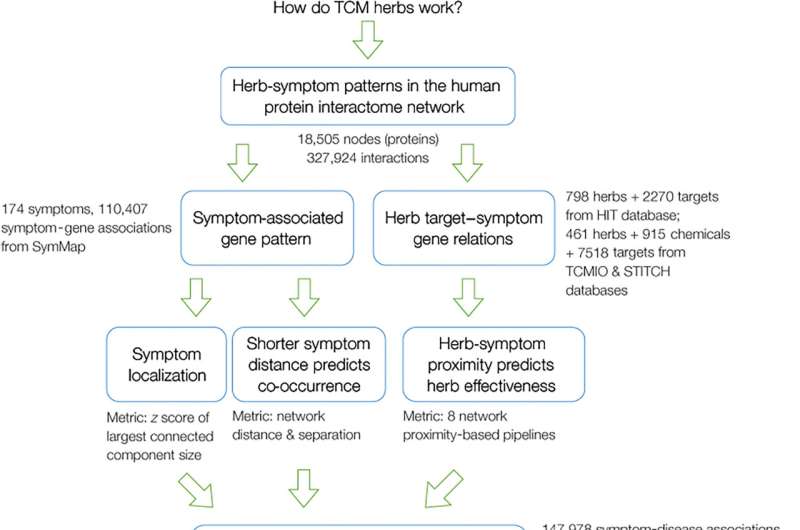
To explore the mechanisms of how TCM treats disease/symptoms, we develop a generic framework that characterizes TCM mechanisms as the network-based relation between symptom-associated proteins and herb targets in the human PPI. After collecting the symptom-associated proteins and herb-target data, we designed multiple network-based metrics to unveil the network patterns connecting them, including symptom localization, symptom-symptom relation, and herb-symptom proximity. We validated these relations by showing that our network-based framework captures symptom-disease relations and herb-symptom effectiveness, leveraging online public databases and a hospital inpatient dataset. We highlight the potential application of our work in predicting herb-symptom treatments. Credit: Science Advances (2023). DOI: 10.1126/sciadv.adh0215

A large team of medical researchers affiliated with a host of institutions in China and the U.S. has developed a framework for predicting the general effectiveness of traditional Chinese medicine (TCM) herbs. In their paper published in the journal Science Advances, the group describes how they used a multi-pronged approach to build a tool that might be used to test the efficacy of traditional Chinese medicinal herbs.

Prior research has shown that some traditional Chinese herbs can be effective in treating some ailments—qinghao, for example, has been shown to be effective for treating malaria. But thus far, because of the very large numbers of TCM herbs and their reputation as mythological remedies, such herbs have not been well studied with modern technology to find out if they are useful therapies.

For this new research, the team did not set out to test whether TCM herbs are effective treatments, but instead focused on creating a tool to test them in a more general way. Such a tool, they note, could be used in a methodical way to test a wide variety of TCM herbs.

To create the framework, the researchers started by compiling a list of human genes that are known to be behind the generation of symptoms of diseases—fever, for example, or insomnia. They narrowed the gene list down to just 20 that have been associated with 174 symptoms. They then mapped the associated symptoms onto a model that shows how 18,505 proteins interact. They added data for proteins that are targeted by TCM herbs for comparison purposes.

The researchers then used their compilation to create a framework that generated a score based on the estimated effectiveness of a given herb (or combination of herbs) against certain symptoms—based on protein generation. Next, they compared scores generated by the framework against a Chinese pharmacopeia to see how well they matched. They also applied the system to records of patients being treated at a traditional Chinese medicine–based hospital in Wuhan.

In studying the results of these comparisons, the research team found reason to be optimistic about the effectiveness of their new framework. They found instances where it scored highly for herbs that had been used for thousands of years to treat certain ailments and that did indeed offer some therapeutic benefit. They suggest more work needs to be done to test their framework to prove that it can correctly perform its intended purpose.

More information:
Xiao Gan et al, Network medicine framework reveals generic herb-symptom effectiveness of traditional Chinese medicine, Science Advances (2023). DOI: 10.1126/sciadv.adh0215

© 2023 Science X Network

Citation:
A framework for predicting the general effectiveness of traditional Chinese medicinal herbs (2023, November 1)
retrieved 12 November 2023
from https://medicalxpress.com/news/2023-11-framework-general-effectiveness-traditional-chinese.html

This document is subject to copyright. Apart from any fair dealing for the purpose of private study or research, no
part may be reproduced without the written permission. The content is provided for information purposes only.

Dried Fruit Can Be Healthy, by Charlyn Fargo

0
Dried Fruit Can Be Healthy, by Charlyn Fargo

If you look at your diet, do you get enough fruits and vegetables? For most of us, the answer is no. Only 1 in 10 Americans get the recommended two cups of fruits per day (for a 2,000-calorie diet). Fruits have important dietary benefits; they are a good source of fiber as well as key vitamins, minerals and antioxidants. Fruits are also a source of carbohydrates and can offer a sweet taste without added sugars.

One way to increase your consumption is dried fruits: raisins, cranberries, apricots, banana chips. Many shy away from dried fruits because of the concentrated sugar. However, a new study shows that eating dried fruit may help people consume more nutrients and improve their overall diet quality.

The study was published in October in the Journal of the Academy of Nutrition and Dietetics. Researchers found that people who eat dried fruit regularly had a higher-quality diet and were more likely to get enough underconsumed nutrients such as fiber and potassium compared with people who didn’t include fruit (fresh or dried) in their diets.

For the study, researchers wanted to determine whether dried fruits can play a role in filling nutrition gaps and improving diet quality. They performed a cross-sectional analysis of data from the National Health and Nutrition Examination Survey between 2007 and 2016 and estimated the average dried fruit intake of 25,590 subjects by dietary recall.

According to the data, 7.2% of subjects in the sample consumed dried fruit. Using the Healthy Eating Index as a reference, the researchers concluded that the group consuming dried fruit had overall higher-quality diets compared with subjects who did not eat dried fruit.

Dried fruit eaters also had a lower mean body mass index, waist circumference and systolic blood pressure than those who did not eat dried fruit. Dried fruit often contains more fiber, vitamins and minerals per serving than their fresh counterparts. While the drying process does deplete some nutrients, some studies have shown an increase in certain phenolic compounds.
But what about the extra calories?

In the study, the subjects who consumed dried fruits did appear to consume more calories, but their body mass indexes were still lower and their waist circumferences still smaller.

The bottom line? If you are not getting the daily recommended servings of fruit per day, try adding dried fruit to your diet. It will not only help you meet the dietary recommendation but also give you other health benefits of fiber and key nutrients.

Q and A

Q: Are sulfites in wine bad for me?

A: Sulfites have been used since ancient times — especially in winemaking. And they’re found in many everyday products, including dried fruits, pickles and seafood. Sulfites are also added to some medications. So, why is there a warning label on wine? Back in 1986, the Food and Drug Administration placed restrictions around the preservative after several people had asthma attacks from sulfites added to raw vegetables. While that sulfite sensitivity is rare, the FDA still requires any food or beverage containing 10 parts per million or more to say “contains sulfites” on the label. The bottom line is it’s not something to worry about for most of us.

RECIPE

With all the holiday food surrounding us that may not be so healthy, make sure to incorporate meals that offer your body plenty of protein, healthy fats, low sodium and fiber. This recipe for Pan-Roasted Sesame Salmon hits most of those categories. It’s quick, easy and full of good-for-you omega-3 fatty acids. It’s from Eating Well magazine.

PAN-ROASTED SESAME SALMON

4 scallions, whites and greens separated

1 clove garlic, grated

1 tablespoon hoisin sauce

1 tablespoon reduced-sodium soy sauce

1 tablespoon toasted sesame seeds, plus more for garnish

1 teaspoon honey

1 teaspoon mirin

1 1/4 pounds skin-on salmon fillet, cut into 4 portions

1/2 teaspoon salt

1 tablespoon canola oil

Preheat oven to 350 degrees F. Finely chop scallion whites, and place them in a small bowl (chop and reserve greens for garnish). Add garlic, hoisin sauce, soy sauce, sesame oil, sesame seeds, honey and mirin, and stir to combine. Pat salmon dry, and sprinkle with salt. Heat canola oil in a large ovenproof skillet over medium-high heat. Add the salmon, skin-side up, and cook until the underside is browned and releases easily from the pan, 3 to 4 minutes. Flip the salmon, and spoon the sauce over the top. Transfer the pan to the oven, and bake until the salmon flakes easily with a fork, 3 to 4 minutes. Sprinkle the salmon with scallion greens and more sesame seeds, if desired. Serves 4 (4 ounces each).

Per serving: 265 calories; 29 grams protein; 6 grams carbohydrates; 13 grams fat (2 grams saturated); 66 milligrams cholesterol; 1 gram fiber; 3 grams total sugars; 561 milligrams sodium.

Charlyn Fargo is a registered dietitian with SIU School of Medicine in Springfield, Illinois, and the current president of the Illinois Academy of Nutrition and Dietetics. For comments or questions, contact her at [email protected] or follow her on Twitter @NutritionRD. To find out more about Charlyn Fargo and read features by other Creators Syndicate writers and cartoonists, visit the Creators Syndicate website at www.creators.com.

Photo credit: Corina Rainer at Unsplash

Antibiotic resistance in children is becoming a bigger problem around the world : NPR

0
Antibiotic resistance in children is becoming a bigger problem around the world : NPR

Antibiotic resistance is a growing issue around the world. A new study finds that it’s leaving children and infants vulnerable to potentially deadly bacterial infections, like sepsis and meningitis


AILSA CHANG, HOST:

Each year, millions of people around the world die from drug-resistant infections as more bacteria gain the ability to fight the antibiotics we use against them. NPR’s Regina Barber reports that the spread of so-called superbugs is leaving many children and babies especially vulnerable.

REGINA BARBER, BYLINE: Ramanan Laxminarayan is a senior research scholar at Princeton University, and he has studied antimicrobial resistance for almost three decades. He says that in the last decade, the problem has sped way up. Over half a million infants die from bacterial infections globally each year. And, in fact…

RAMANAN LAXMINARAYAN: This is one of the most important threats for newborn survival and the only one that is growing.

BARBER: A study published in The Lancet Regional Health – Southeast Asia last week analyzed 86 papers that examined antibiotic resistance in 11 different countries. What they found was that there was extremely high rates of drug-resistant infections in newborns. Dr. Phoebe Williams at the University of Sydney School of Medicine led the study. She says that babies and children don’t have the same immune defenses as adults, which means they are more susceptible to potentially deadly infections, like sepsis and meningitis.

PHOEBE WILLIAMS: So children and babies are one of the populations that’s most at risk of bacterial infections, and therefore most at risk of antibiotic resistance as resistance emerges.

BARBER: And as the available drugs’ effectiveness have gone down, deaths have started to go way up. Dr. Williams says that in the Philippines…

WILLIAMS: Their mortality rate in neonatal sepsis has gone from being about 20% 10 years ago – so 1 in 5 babies dying – to 75% in the last two years.

BARBER: And new treatments just aren’t keeping up. In the last 20 years, there have been four new antibiotics for babies compared to 40 for adults. There’s another problem in the Philippines – a shortage of health care workers. Dr. Williams says that many nurses leave the country to go work in Australia, creating a brain drain to higher-income countries. While working in the Philippines, Dr. Williams says she has seen one nurse taking care of up to 20 babies in one unit.

WILLIAMS: And so once a multi-drug-resistant bacteria gets into that unit, it spreads very quickly and can infect many, many of the babies.

BARBER: There is a much stronger class of antibiotics called carbapenems, but they’re more expensive and they’re not listed in the World Health Organization, or WHO’s, antibiotic guidelines. Those guidelines were last updated back in 2013.

WILLIAMS: Most of those recommendations that are in guidelines, like those WHO ones, are very, very outdated.

BARBER: The good news is is that WHO is currently revising the guidelines, and the United Nations General Assembly is going to discuss antibiotic resistance next year. Even though Laxminarayan didn’t work on this study, he wants people to know.

LAXMINARAYAN: What the study makes clear is that either we invest in new antibiotics and we do this really soon, or we take greater measures to protect newborns from infection. There is no third way. And we are failing on both these counts.

BARBER: But Dr. Williams hopes that this study will raise people’s awareness on how these superbugs aren’t just affecting people and babies in Southeast Asia.

WILLIAMS: Bugs don’t respect borders, as we’ve seen with COVID-19. And so it’s really something that we should all be worried about.

BARBER: It’s not just a problem for lower-income countries, she says, but for the whole world. Regina Barber, NPR News.

(SOUNDBITE OF HERMANOS GUTIERREZ’S “AMAR Y VIVIR”)

Copyright © 2023 NPR. All rights reserved. Visit our website terms of use and permissions pages at www.npr.org for further information.

NPR transcripts are created on a rush deadline by an NPR contractor. This text may not be in its final form and may be updated or revised in the future. Accuracy and availability may vary. The authoritative record of NPR’s programming is the audio record.

How LHWs Boost Women’s Health In Pakistan

0
How LHWs Boost Women’s Health In Pakistan

No one should be expected to continue working without being fairly compensated. The lady health workers (LHWs) fall into this category of employees who deserve proper remuneration for their efforts.

The role of LHWs is important in Pakistan, where health is a low priority for the authorities. Thousands of women are deprived of basic healthcare, and many die from preventable health issues. 

Before the LHW programme was implemented in the early 1990s, thousands of women went through life without ever consulting a doctor or getting any proper medical care. For many women, LHWs are the only link to the health sector. Despite their valuable contribution, they are killed and abused for their work.

Mobina Shafeeq, a lady health worker based in Karachi, said, “While imparting awareness about women’s and children’s health, our efforts extend to empowering them with knowledge about their rights and improving their overall quality of life.”

The LHW programme was launched in 1994 in Pakistan, focusing on launching a family planning campaign across the country. It was meant to conclude at the end of the campaign. To execute this, “LHWs were hired for a nominal salary,” said Maqsood Ahmed, a trade unionist and labour rights expert. 

The concept was to train women fieldworkers to help women access healthcare facilities. Women who had studied up to middle school and were above age 35 were hired for the programme. They were given 15 months of training on how to go from door to door and dispense basic health services to the marginalised women. 

“When the campaign concluded, the LHWs were absorbed by the health department. However, they were not granted the same status as other health department employees due to the absence of a service structure for them,” emphasised Ahmed. 

He added that the main reason for the non-payment and delayed salaries of LHWs is the absence of a service structure – “This is also why LHWs are working in the same grade without receiving any increments for years or pension after retirement.” 

The LHWs formed the All Lady Health Workers’ Programme Union (ALPU) giving them a platform to not only amplify their voices but also give them strength in numbers. Led by chairperson Bushra Bano Arain, the ALPU worked constantly to spread awareness among the members through workshops and other activities to empower them. 

Maqsood Ahmed said that the main reason for the non-payment and delayed salaries of LHWs is the absence of a service structure – “This is also why LHWs are working in the same grade without receiving any increments for years or pension after retirement”

Bushra Arain began working as an LHW when she was young. “Over the years, I have realised that if we don’t stand up for ourselves, others will only try to push us back. I decided to stand up for other LHWs and help them understand their rights.”

Bushra expressed, “LHWs are tasked with more than their routine responsibilities. Working in the field, we’ve become targets for terrorists. Although our primary role is to deliver health services, we’ve been assigned security duties at polling stations and conducted census, among other tasks.”

She said LHWs are not paid for their extra work, but “they continue to do so fearing sacking”.

“Upon joining the union, I came to realize the multitude of rights women possess, and I believe their lives could significantly improve if only they were more aware of these rights,” said Mobina Shafeeq, a lady health worker based in Karachi.

In 2012, the Supreme Court issued an order to regularise LHWs. It mandated the development of a service structure for them. Despite the court’s directive, the order was not executed as intended. While some LHWs were regularised, confusion arose regarding pension eligibility for those regularized after 2012, as a minimum of 10 years of experience is required. This situation created significant challenges for those who had been working for two decades, with hundreds of LHWs being deprived of their rightful benefits.

Commenting on the complexities of the situation, Maqsood said, “After the 18th amendment, the LHWs became the responsibility of the provincial governments, which was unable or unwilling to develop a proper service structure for them. This began causing a lot of problems for the LHWs. They continued to work despite the serious terror threats and life threats, many paying with their lives.”

About 118 LHWs have been killed in the field so far, while many more have been injured. These workers are expected to work beyond their prescribed duties and not expect to be paid. Seeing this situation, “the ALPU began campaigning strongly, demanding that the apex court’s orders be implemented properly,” he added.  

Maqsood worked closely with NOWCommunities (an NGO that works with trade unions on labour rights) to train the LHWs about the importance of trade unions and their other rights – “It was heartening to see the response to the union’s call last year against the non-payment of salaries. It showed that the LHWs were no longer going to allow anyone to take them for a ride.”

LHWs received a Covid allowance during the vaccination campaign, which provided some relief to low-paid workers. However, this allowance was rescinded immediately after the campaign concluded. The ALPU leadership criticised the decision, highlighting that LHWs operate in highly perilous conditions, putting themselves and their families at risk.

Bushra and other LHWs were beaten up and even arrested when they protested in 2022. 

The government funds allocated to healthcare are insufficient despite the abysmal health indicators in the country. During the fiscal year 2023-23, the government allocated Rs24.21 billion for the healthcare sector – 2.8 percent of the total development budget and a mere 0.05 percent of the gross domestic product (GDP).

Pakistani women are the most vulnerable when it comes to health. Just the high maternal mortality rate indicates how bad the situation is in the country. Pakistan has one of the highest maternal mortality rates in South Asia, which makes the LHWs more important in Pakistan. 

According to a survey in 2018 conducted by the National Institute of Population Studies, “the MMR is nearly 26 percent higher in rural areas as compared to urban areas due to a major difference in health care services provided to people living in urban areas as compared to those living in distant regions.

Mobina Shafeeq said, “We try to help women a lot through our work and advice to bring a good change in society. The impact may be extremely low as it is just the beginning, but I am sure if LHWs keep persevering, they will be able to empower women in a small way, which can go a long way and improve the life of someone down the line.”