Home Blog Page 44

Canada hopes to boost regulation on natural health products. Here’s why – National

0
Canada hopes to boost regulation on natural health products. Here’s why – National

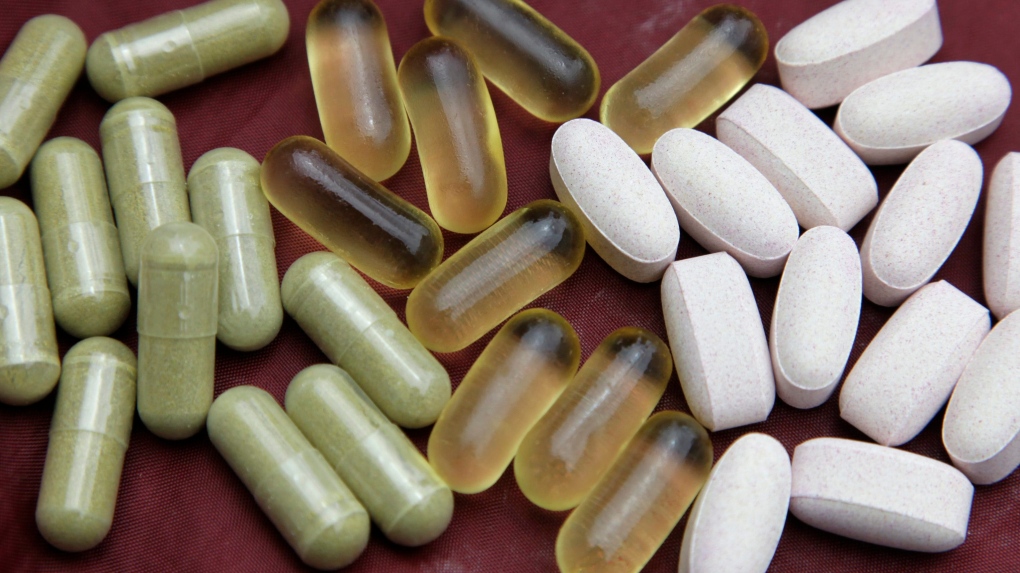
The federal government is hoping to strengthen its regulatory power over natural health products, such as vitamins and homeopathic medicines, according to a measure in Tuesday’s 2023 budget.

The budget proposes amending the Food and Drugs Act to extend powers by the Protecting Canadians from Unsafe Drugs Act (also known as Vanessa’s Law) to natural health products.

“These changes would protect the health of Canadians by enabling regulators to take stronger action when health or safety issues are identified with natural health products on the market,” the budget states.


Click to play video: 'University of Calgary researchers to look at aging brain as study says vitamin D prevents dementia'


University of Calgary researchers to look at aging brain as study says vitamin D prevents dementia


Vanessa’s Law is a piece of 2014 legislation that requires the reporting of serious adverse effects for medications used within the Canadian health-care system, explained Barry Power, editor and chief of the Canadian Pharmacists Association.

Story continues below advertisement

The law applies to an array of products including prescription and over-the-counter drugs, vaccines, gene therapies, tissues and organs, and medical devices. It does not cover natural health products.

“With natural health products, there is no requirement for health-care professionals or consumers to report side effects that come with it,” Power said.


Click to play video: 'Too much vitamin D is bad for bones'


Too much vitamin D is bad for bones


In Canada, natural health products are currently regulated separately from pharmaceutical drugs, and include vitamins, minerals, herbal remedies and homeopathic medicines, and “must be safe for use as over-the-counter products,” according to Health Canada.

All natural health products sold in the country are subject to the Natural Health Products Regulations, which came into force in 2004, Health Canada states.

Some commonly used natural products usually contain echinacea, gingko or glucosamine.

Story continues below advertisement

But many of these products have not been proven to benefit from what is advertised.

For example, according to the NIH, several studies of the herb echinacea did not find evidence of benefit against the common cold. And studies of ginkgo, including a large study that enrolled more than 3,000 older adults, found that ginkgo supplements don’t help prevent or slow dementia or cognitive decline.

Steve Flindall, an emergency room physician in the Greater Toronto Area, applauded the government’s proposal to extend Vanessa’s Law to natural health products, saying a lot of people who take them do not know what they are ingesting.

“We’ve known for a long time that a lot of these products are not regulated,” he explained, adding that some studies have shown that the amount of the so-called active ingredient in some of these products can be much more than claimed or can, in fact, be nonexistent.

Story continues below advertisement

Power agreed with Flindall and added that not only are side effects not well documented for natural health products, but another danger is for people taking it in combination with other medications.

If Vanessa’s Law makes natural health product manufacturers report serious adverse effects, it will “help to build a database that will better inform health care professionals and consumers about some of the potential downsides of using the medications,” he explained.

Whether the natural product is zinc, probiotics or omega-3 fatty acids, Flindall argued there should be regulation on what the product can be used for.

He explained he had a patient who had “well-controlled seizures” and was on a “well-studied antiepileptic drug.”

But a “naturopath told them to stop this toxic drug and to start taking zinc as a replacement. And unfortunately, the young man went into status epilepticus and eventually ended up dying,” he said.

“People are being treated with supplements to treat chronic, dangerous heart conditions, epilepsy conditions like this, where claims made by some so-called practitioners are not supported by the evidence and can lead to deadly consequences,” he said.


Click to play video: 'Risks & benefits of supplements'


Risks & benefits of supplements


The Canadian Pharmacists Association has been advocating to extend Vanessa’s Law to natural health products since it was first drafted in 2013, according to Power.

Story continues below advertisement

The federal proposal is a “needed step” to improve the safety of natural products in Canada, Power said, but added there are still some lingering questions: “Who will be required to report the side effects and what side effects will be required to be reported?”

In an email to Global News, a spokesperson from the department of finance said, “this legislative change will ensure that all natural health products available for sale in Canada are subject to the same monitoring and enforcement activities as drugs and medical devices.”

“Additional details will be made available in due course,” the spokesperson added.

&copy 2023 Global News, a division of Corus Entertainment Inc.

New research suggests parents play pivotal role in shaping children’s health habits

0
New research suggests parents play pivotal role in shaping children’s health habits

We’ve all heard the saying that children learn by example, but did you ever wonder just how much parents influence their kids’ health? A recent study published in the journal Eating Behaviors sought to answer this question and shed light on the role parents play in shaping their children’s health-related behaviors. The findings emphasizes that both mothers and fathers can positively impact their children’s physical activity and dietary habits.

In the age-old debate of nature versus nurture, it turns out that both parents play pivotal roles in shaping their children’s health behaviors, according to a recent study. This study, conducted by a team of researchers, delves into how parental physical activity and dietary habits can significantly impact those of their offspring.

The motivation behind this research stemmed from a desire to understand the extent to which early-life conditions and family dynamics influence a child’s development and health as they grow older. With rising concerns about childhood obesity and related health issues, the researchers sought to explore the intricate relationship between parents and their children’s physical activity and dietary choices.

“I am generally interested in the role of social context and environment in the development of children and adolescents,” said study author Helle Larsen, an associate professor of developmental psychology, at the University of Amsterdam.

“We know that parents play a crucial role in relation to eating habits and physical activity, and in shaping their children’s health behaviors. Parents can influence their children’s behavior through modelling so they can model both healthy and unhealthy behaviors. If we can better understand this influence, we can help develop effective strategies for promoting better health outcomes in children.”

The researchers drew their data from the ABCD (Amsterdam Born Children and their Development) study, a population-based cohort study launched in Amsterdam in 2003. This long-term project aimed to uncover how early-life conditions could explain a child’s later development and overall health. In 2015 and 2016, the team invited families still participating in the study, with children aged 11 to 12, to complete questionnaires.

The current study focused on data from 2,467 parent-child pairs who had provided information on physical activity, diet quality, and parental involvement in child care. Physical activity was assessed by asking parents how many minutes they engaged in sports each week, while children were asked about the type and amount of sports they participated in, excluding activities like walking or cycling to school. A weekly metabolic equivalents (METs) score was then calculated for children.

Diet quality was assessed by examining the dietary intake of four food groups: fruits, vegetables, snacks, and sugar-sweetened beverages (SSBs). Each food group’s daily intake was divided into quartiles, and the Diet Quality Score (DQS) was calculated based on these scores, ranging from 4 (unhealthiest) to 16 (healthiest).

Parental child care involvement was measured using a questionnaire that asked about various responsibilities related to daily activities, such as homework help and taking children to sports activities. The responses were rated on a 5-point scale, reflecting different levels of involvement.

The researchers also controlled for demographic and socioeconomic factors, such as age, body mass index (BMI), ethnicity, educational level, smoking habits, employment status, family financial status, and the number of siblings in the household.

The study demonstrated that both mothers and fathers have a significant impact on their children’s physical activity levels. Mothers who engaged in regular physical activity were more likely to have children who did the same. Fathers also influenced their children’s activity levels, especially when they were actively involved in daily child care.

The research indicated that parental dietary habits, particularly those of mothers, significantly influenced their children’s dietary choices. Mothers with healthier eating habits tended to have children who followed suit. Fathers also played a role, although the influence was more pronounced for father-son pairs.

The findings indicate “that both parents (fathers and mothers) matters when shaping healthy eating and activity behaviors,” Larsen told PsyPost. But “perhaps parents play a different role for daughters and sons, respectively.”

While this study offers valuable insights into the parent-child dynamic regarding health behaviors, it’s important to acknowledge its limitations. The data collected relied on self-reports, which may introduce some inaccuracies due to imprecise measurement and possible biases. In addition, the study population may not fully represent all families, as it skewed towards those with high socioeconomic status and of Dutch origin.

“We need to study these patterns over time to get more knowledge on development of healthy eating and activity behaviours longitudinally,” Larsen said. “Also, we need to examine different groups of socioeconomic position to increase generalizability of the findings.”

Nevertheless, the findings underscores the significant role parents play in influencing their children’s physical activity and dietary habits. The study emphasizes the importance of shared responsibility and engagement in parenting to promote healthy behaviors in children.

The study, “Associations between parental and pre-adolescents’ physical activity and diet quality: The role of parental child care involvement and child’s sex“, was authored by Helle Larsen, Roel C.J. Hermans, Sara Kayabal, Carry M. Renders, and Tanja G.M. Vrijkotte.

Intermittent Fasting for Morning Workouts

0
Intermittent Fasting for Morning Workouts

AFTER LEARNING TO count your macros, spending your time and money on grocery hauls and meal prep, and going all-in on protein, you might be looking for a different way to tweak your nutrition plan to meet your fitness goals. You’ll probably land on one of the most popular practices for physique-minded folks in recent years: intermittent fasting.

The practice has come a long way since its humble beginnings: In the early 1940s, scientists were testing the effect of daily fasting on the lifespan of rats. A daily practice of fasting appeared to correlate to a longer lifespan in the animals—springing the idea for the now popular diet strategy. The process is spelled out in the name: You’ll eat only for a small window of time during each day. By only allowing for such a small period for intake and eliminating opportunities for mindless eating, you’ll create a calorie deficit. You’ll gain control over your consumption by simply sticking to a timer—no more logging meals or purging your kitchen of foods some restrictive diets don’t allow.

Of course, there are some caveats to the practice. Food is fuel—and we need that for our workouts. If you’re the kind of person that struggles putting forth your best effort in the gym unless you’ve had your pre-workout snack, you might find it difficult to determine when to fit your workout into your day while you’re intermittent fasting.

This is important for more than just your energy levels. Our bodies utilize glucose stores for energy during exercise. Fasting diminishes those stores, lowering our blood sugar levels. Low blood sugar levels may cause several symptoms including elevated heart rate, shaking, confusion, and dizziness—increasing your risk of injury in the gym.

That doesn’t mean you can’t work out when you’re using intermittent fasting. It’s a matter of proceeding safely in a way that will still optimizes your training. A few small changes in your schedule and practices and you can continue your quest for that dream physique safely..

What Is Intermittent Fasting?

Let’s back up for a moment. First, it’s important to understand the intermittent fasting schedule before you consider how to implement the strategy within a workout plan.

The most common type of intermittent fasting is the daily, time-restricting format. Typically, there’s a 16-hour fast, followed by an eight hour eating window. For example, someone could make their eating period between 12 p.m. and 8 p.m., only consuming lunch and dinner.

The time schedule can vary depending on your day. If you’re a person that needs more fuel in the morning, you may run on a 9 a.m. to 5 p.m. schedule instead. The time of day doesn’t really matter, as long as the consumption window sits at eight hours.

What Are the Benefits of Intermittent Fasting?

If you frequently succumb to the temptation of a nighttime walk to the fridge, IF might just be the thing you need to keep your snacking in check and lose that excess weight.

“Intermittent fasting puts a cap on eating and can eliminate or minimize overconsumption at night. This can decrease calorie intake, can help with better sleep as the stomach won’t be having a fiesta when it is time for a siesta,” says Leslie Bonaci, R.D., M.P.H, sports dietician for the Kansas City Chiefs.

Weight loss isn’t the only benefit to the practice, though. There’s some evidence to suggest that intermittent fasting can reduce the risk of diabetes, lower blood pressure, and help maintain muscle mass.

That said, intermittent fasting is by no means the perfect diet for everyone, or a magic bullet for weight loss. For some, it’s a simple practice that may help eliminate those extra trips to the fridge. But for others, eating in a small window of time is just not sustainable— and the best diet is always one that keeps you consistent.

If fasting is that diet for you, exercise is vital to keep your heart healthy and muscles strong while dieting. Take these tips to schedule your workouts appropriately with your feeding hours.

How to Work Out When You’re Intermittent Fasting

Don’t Try to Build Muscle While Fasting

Whether it’s a 5/2 protocol (eat for five days, fast for two) a 16/8 (fast for 16 hours, eat for eight), or any other version of IF, most people on a fasting diet wind up losing weight. That’s because it’s much harder to overeat if all your daily calories are crammed into an eight-hour window than if you can spread them out over 15 to 16 hours. That’s what makes IF such an effective weight-loss tool: by restricting the time frame in which you can eat, you effectively restrict the number of calories you take in as well.

But if your main goal is maximizing muscle, fasting isn’t a great idea. “Unless you’re a real novice, you can’t build appreciable muscle in a caloric deficit,” says Angelo Poli, ISSA, co-owner of Whole Body Fitness in Chico, CA, creator of the MetPro diet and exercise app. A pound here and there? Maybe. But you won’t build anywhere near as much as you would if you consume a few hundred extra calories above and beyond what your body needs each day. So don’t try. Your primary goal while fasting should losing fat. To build muscle, you need fuel.

You Should Train While Fasting

Even if your main goal is losing fat, you still need to lift, which prevents your body from burning through muscle to fuel your daily activities. You won’t gain much muscle if you’re fasting, but if you lift, you won’t lose it, either. “The same activities that build muscle when you’re fueled help preserve it when you’re in a caloric deficit,” says Poli.

Since you’re only trying to maintain the muscle you have—not pack on additional beef—you can get away with a fairly infrequent lifting schedule—2 to 3 times per week, exercising your whole body each workout (try this routine).

Eat BEFORE You Lift Weights

Lifting weights, sprinting, doing CrossFit WODS, and other high-intensity activities all depend on carbohydrates for fuel, explains Poli. If you perform any of these activities during (or worse, at the end of) your fast, your performance will suffer. Instead of getting stronger and faster, you may well get weaker and slower.

What to do? “If you’re a big guy with a lot of weight to lose, no big deal,” says Poli. “Go ahead and lift on an empty stomach. You might lose a little bit of muscle, but you’ll burn fat, too—and that’s your main goal.”

If you’re a slimmer guy worried about your muscle definition, no need to worry— we have a solution for you too.

Sandwich Your Workout

It’s vital that you eat before you workout so that you can get the most out of your lift, but depending on your build, it might be good to ensure a little something afterwards. “Eliminating the post-workout refueling may delay recovery as well as muscle protein and muscle glycogen resynthesis,” says Bonaci.

So, if you’re on the slimmer side and are worried about losing some of your muscle definition, it’s probably better to schedule your lifting workouts during your feeding window. So if you eat from noon to 8 p.m. each day, try to hit the gym around 5, then go home and eat a high-protein meal to ensure adequate recovery from your workout.

Bonaci suggests sandwiching your workout into your meals if you’re limiting calories. Meaning, eat one third of your meal before the gym, and the other two thirds of the meal afterwards. That way, you get some in before to power the workout, and the rest after to recover. “Ideally, food and fluid would parenthesize the workout,” she says.

Overall, it’s best to do your best to fit your workout into your eating period so that you can have something before and after. If your schedule just doesn’t allow for it, it might be time to adjust the structure of your eating period— either by extending it, or changing the start and end times. “The window of eating may need to be longer to accommodate physical activity,” says Bonaci.

Fast Before Cardio

Many bodybuilders and other physique athletes swear by “fasted cardio”—jumping on a treadmill or bike for 30 minutes or more before breakfast—as a muscle-chiseling tool. Research is equivocal on whether this practice burns more fat than hitting the pavement after a meal or two. But Poli says it can’t hurt. “As long as you keep that cardio session low-intensity, you may well burn more fat in a fasted state,” he says.

Regardless, it’s less essential that you fuel up with carbs when you do lower-intensity work than it is when you lift or perform other high-intensity activities. Reason? “Slow cardio and other low-intensity activities run primarily on fat,” says Poli. “Even very lean athletes have plenty of fat on their bodies to power them through a long workout,” he says (think of lean ultra-runners who race for hours at a time without a bite to eat.)

While fasted lifting is a big fat mistake, fasted cardio is fine, and may help you burn additional fat. So for best results, schedule those lifting sessions during or after your feeding windows, and schedule cardio before them.

The Bottom Line

The key to exercising safety while using IF is to listen to your body. If you’re starting to feel light-headed after hopping onto the treadmill for some fasted cardio, be smart about the situation and stop and grab some food and water until you feel okay to start again. Carry a snack in your gym bag, for example, just in case.

To ensure you’re following a program that fits best to your body, speak with your doctor before starting up any new diet or workout program. They will be able to help you determine what will be safe and effective for you.

Headshot of Andrew Heffernan, C.S.C.S.

Andrew Heffernan, CSCS is a health, fitness, and Feldenkrais coach, and an award-winning health and fitness writer. His writing has been featured in Men’s Health, Experience Life, Onnit.comand Openfit, among other outlets. An omnivorous athlete, Andrew is black belt in karate, a devoted weight lifter, and a frequent high finisher in triathlon and Spartan races. He lives in Los Angeles with his wife and their two children. 

Headshot of Cori Ritchey

Cori Ritchey, NASM-CPT is an Associate Health & Fitness Editor at Men’s Health and a certified personal trainer and group fitness instructor. You can find more of her work in HealthCentral, Livestrong, Self, and others.

15 Tips For 30-Day Weight Loss

0
15 Tips For 30-Day Weight Loss

There’s no denying that healthy weight loss takes time, patience, and commitment. But it’s fair to wonder just how *much* time we’re talking about here. Maybe you’re even specifically wondering how long it takes to lose 10 pounds, and can you lose that amount in say…a month?

Here’s the thing: For the average person, it isn’t realistic to *safely* lose 10 pounds in one month, says Michael Glickman, MD, a board-certified family medicine and obesity medicine physician and founder of Revolution Medicine, Health and Fitness. “Losing weight too rapidly could increase the risk for gallstone formation, and even trigger rebound weight gain, especially if it was achieved by means of severe calorie restriction,” he explains.

Meet the experts: Michael Glickman, MD, is a board-certified family medicine and obesity medicine physician and founder of Revolution Medicine, Health and Fitness. Michael Hamlin, CSCS, is a certified strength and conditioning specialist and the founder of Everflex Fitness.

So let’s reframe the original question: How much weight can you safely expect to lose in a month? And how long does it actually take to lose 10 pounds? Below, experts weigh in.

How To Lose Weight Safely

First things first: A safe way to lose weight is a holistic and multi-factorial approach that involves optimal nutrition, frequent exercise, stress reduction, and adequate sleep, says Dr. Glickman. It’s not necessarily about eating less but being conscious of the diversity of plants in your diet, and the avoidance of processed foods, refined oils, and refined carbohydrates, he explains.

On top of that, apply sustainable healthy changes to your routine that you enjoy, says Michael Hamlin, CSCS, a certified strength and conditioning specialist and the founder of Everflex Fitness. Maybe that means attending a workout class with friends twice a week, cooking a plant-based dinner with your partner, or throwing on your favorite podcast and going for a solo walk.

When it comes to how much weight is safe to lose at a given time, stick to one to two pounds per week, says Dr. Glickman. “Some people can shed weight more quickly in the first month after instituting a lower calorie and healthy diet, however much of the weight loss on the scale will have been due to water weight.”

How long does it take to lose weight?

Weight loss is not a one-size-fits-all approach, Dr. Glickman reminds.

“On average, successful weight loss tends to average one to two pounds per week,” he says. “There could be some periods with greater weight loss, and other periods with less, so a net loss of four to eight pounds per month is a healthy target.”

15 Tips To Lose Weight In A Sustainable, Safe Fashion

1. Protect your sleep schedule.

Sleep deprivation promotes an increase in ghrelin, your hunger hormone, which can trigger late night snacking, ultimately increasing your daily caloric intake, says Dr. Glickman. So do your best to get seven to nine hours of sleep per night.

2. Commit to daily walks.

It may sound simple, but 30 minutes of daily walking could do wonders, says Dr. Glickman. “It isn’t about calorie burning, it’s about the mobility, the happy hormones your brain releases, and the physiological anti-inflammatory responses that have long-term impacts on your weight.”

3. Eat plants.

Plant diversity has been shown to have the most beneficial impact on the gut microbiome, which influences your metabolic set point (the body’s preferred weight), insulin levels, and fat storage, says Dr. Glickman. His suggestion? Try a plant-based day or meal per week to ensure you’re supporting your gut microbiome and loading up on the veggies.

4. Consider a calorie deficit.

It’s best to consult a doctor or registered dietitian to determine your daily caloric needs since it depends on your age, gender, activity level, muscle mass, current weight, and the amount of calories you burn at rest (AKA, your basal metabolic rate), says Hamlin. From there, they can determine a slight calorie deficit, or how many calories you need in a day to lose one to two pounds a week, he explains.

5. Reduce stress as best you can.

“Stress can lead to increased hunger hormones and an elevated metabolic set point,” says Dr. Glickman. Higher cortisol levels (your stress hormone) can create stubborn fat distribution around the abdomen, he adds. Although this one is often easier said than done, to help combat stress and anxiety, try relaxation techniques like meditation, yoga, and journaling.

6. Drink plenty of water.

“Sometimes we can mistake the feeling of thirst for hunger, so make sure to stay hydrated throughout the day, especially during and after exercise,” Dr. Glickman says. Women should drink about 11.5 cups (2.7 liters) of fluids a day, per Mayo Clinic.

7. Strength train.

Strength training has a significant impact on your metabolism and fat burning capabilities, studies show, so incorporate resistance training at least three days a week, says Dr. Glickman. Just take note that because strength training builds muscle, you may notice little or even no overall weight change at times, even though you are losing fat.

8. Work in HIIT exercise.

HIIT workouts burn a ton of calories and can change your body composition while building muscle, says Hamlin. In fact, women who incorporated HIIT programming achieved similar body composition and aerobic capacity results in half the time as women who did moderate-intensity workouts, a 2017 study published in the Journal of Diabetes Research found.

9. Increase fiber.

Fiber helps regulate blood sugar levels, prevent insulin resistance and diabetes, and is an excellent source of nutrition for healthy bacteria in the gut, says Dr. Glickman. High-fiber foods like vegetables are also filling without overloading on the calories, explains Hamlin. You can get fiber in powder or supplement form, but your best (and healthiest) bet is from plants, adds Dr. Glickman.

10. Avoid processed foods.

Weight gain is associated with the consumption of processed and packaged foods, Dr. Glickman says. “This includes any food item in a wrapper with ingredients you can’t pronounce, even if the calories and carbohydrates seem appealing,” he explains. “Always choose whole foods over packaged ones.”

11. Cook at home.

Do your best to prioritize cooking at home to eliminate sneaky fats, sugars, and processed ingredients that are not listed on a menu, says Dr. Glickman.

12. Limit alcohol.

Alcoholic drinks lack nutritional value and are usually packed with calories, so it’s best to scale back on booze, says Hamlin. When you drink alcohol, it also immediately goes to the liver where it’s prioritized as an energy source, so your body burns alcohol cals first.

This content is imported from poll. You may be able to find the same content in another format, or you may be able to find more information, at their web site.

13. Keep a food journal.

To help with accountability, Hamlin suggests using a food journal or app to track your meals. This will give you a better understanding and awareness of how many calories you’re consuming and at which meal.

14. Practice portion control.

It can take time for your stomach to recognize when it’s full, so pause in between portions before deciding if you actually want more, says Hamlin. You can either pre-pack your meals with smaller portion sizes or use smaller plates to provide a visual cue.

15. Set goals.

Think long-term about weight loss and establish a goal that is realistic for your lifestyle, says Hamlin. Your goals might take time and patience, but that’s okay, he adds. “Weight loss isn’t solely about a caloric deficit, because the body is a super complex piece of machinery, and we can’t simply boil all of weight loss down to calories in versus calories out.”

    Frequently Asked Questions

    How long does it take to lose 10 pounds?

      It’s different for everyone, but Dr. Glickman says to give yourself anywhere from two to three months to hit that 10-pound mark. “For some, this could take longer, so be compassionate with your body and prioritize what’s best for your health,” he adds.

      What should you eat to lose 10 pounds?

        Focus on the quality of food on your plate and aim for three hearty meals a day that include a small amount of complex carbohydrates (root veggies and whole grains), a moderate amount of high-quality protein (fish, chicken, eggs, and tofu), and lots of plant-based fiber, says Dr. Glickman.

        How do you lose weight and keep it off?

          It’s best to approach sustainable weight loss intuitively and holistically, says Dr. Glickman. “The approach shouldn’t feel too extreme and should include sustainable and realistic lifestyle applications that you’d be happy to continue in the long-term.”

          In other words, focus on lifestyle changes rather than quick fixes like extreme diets or fitness regimes, explains Hamlin. “This includes continuing to eat healthily, staying active, monitoring portion sizes, managing stress, and seeking support when needed.”

          When should you see a doctor about weight loss?

            “If you’ve tried all of the above measures for at least three months with no results, and/or you have a history of heart disease, diabetes, hypertension, high cholesterol, or hormonal dysregulation, I would recommend a clinical evaluation by a licensed obesity medicine specialist,” says Dr. Glickman. From there, they can determine a personalized game plan based on your goals, needs, and medical history.

            Bottom line: Weight loss is an extremely individualized process that takes time, consistency, and commitment. “Set realistic goals and be patient with yourself,” says Hamlin. “Focus on overall health and well-being, not just the number on the scale.”

            Headshot of Andi Breitowich

            Andi Breitowich is a Chicago-based writer and graduate student at Northwestern Medill. She’s a mass consumer of social media and cares about women’s rights, holistic wellness, and non-stigmatizing reproductive care. As a former collegiate pole vaulter, she has a love for all things fitness and is currently obsessed with Peloton Tread workouts and hot yoga.  

Natural health products in Canada: What to know

0
Natural health products in Canada: What to know


Senators in Canada are deliberating new regulations that would mandate closer monitoring of side effects of “natural health products.”


A part of Bill C-47, which implements several commitments made by the federal government under Budget 2023, would incorporate natural health products, such as herbal remedies and supplements, into Vanessa’s Law, which requires hospitals to report any adverse reactions associated with the products.


Here’s what you need to know about natural health products, the risks associated with these products, and Canada’s proposed regulations.


WHAT ARE NATURAL HEALTH PRODUCTS?


Health Canada defines natural health products as “naturally occurring substances that are used to restore or maintain good health.” Also called “alternative” or “complementary” medicines, they can come in the form of tablets, capsules, tinctures, solutions, creams, ointments and drops.


Examples of natural health products include vitamins and minerals, herbal remedies, homeopathic and traditional medicines, and probiotics.


Health Canada says some everyday consumer products, such as toothpastes and shampoos, can also be defined as a natural health products in Canada, as long as the product is involved in:


  • the diagnosis, treatment, mitigation or prevention of a disease, disorder or abnormal physical state or its symptoms in humans;

  • restoring or correcting organic functions in humans; or

  • modifying organic functions in humans, such as modifying those functions in a manner that maintains or promotes health.


WHAT ARE THE RISKS OF USING NATURAL HEALTH PRODUCTS?


Health Canada says these products are “generally safe and have fewer side effects than medications,” but notes that the products are “not risk free.”


According to the health agency, risks include manufacturing problems, unproven claims, a lack of information for consumers, the interaction with other drugs or natural health products and possible unwanted side effects.


The National Center for Complementary and Integrative Health—the U.S. government agency that regulates these products south of the border—also notes just because an ingredient has “natural” origins and wasn’t synthetically manufactured doesn’t mean it’s completely safe.


For example, the agency says kava, a plant native to the South Pacific that has been used as a dietary supplement, may be associated with severe liver damage.


Some critics argue Health Canada hasn’t been doing an adequate job of keeping potentially unsafe products away from consumers. A 2021 report from the Office of the Auditor General found 88 per cent of the natural health products reviewed were advertised with misleading product information. Some of the products had unproven and unauthorized health claims, wrong dosages, incomplete lists of ingredients, or unreadable information on the product label.


HOW WILL CANADA’S PROPOSED REGULATIONS AFFECT NATURAL HEALTH PRODUCTS?


Since 2014, hospitals have been required to report adverse health reactions associated with any pharmaceuticals after the federal government passed Vanessa’s Law.


At the time, natural health products were excluded from these reporting requirements. But these new regulations proposed under Bill C-47 would bring natural health products into the same framework as Vanessa’s Law.


The Canadian Health Food Association, which represents the natural health products industry, says it feels blindsided by the proposed regulations, arguing that the proposals haven’t been properly studied or debated, instead being tucked into an omnibus budget bill.


Meanwhile, the Canadian Pharmacists Association has come out in support of the regulations, and said natural health products should’ve been included when Vanessa’s Law was originally passed back in 2014.


With files from The Canadian Press

USDA Launches Nutrition Hub to Combat Diet-Related Diseases in Underserved Communities

0
USDA Launches Nutrition Hub to Combat Diet-Related Diseases in Underserved Communities

ALEXANDRIA, La., Sept. 28, 2023 – The U.S. Department of Agriculture (USDA) today announced the opening of a pilot Nutrition Hub under the Agricultural Science Center of Excellence for Nutrition and Diet for Better Health (ASCEND for Better Health) initiative. The Nutrition Hub is being launched in partnership with Southern University, a historically black 1890 Land-grant University in Louisiana, and host of the USDA-funded 1890 Center of Excellence for Nutrition, Health, Wellness and Quality of Life.

USDA’s new Nutrition Hub, informed by community conversations, will be an engine for providing science-based, nutrition-related information at the community level, particularly in underserved communities disproportionately impacted by diet-related chronic diseases such as obesity, type 2 diabetes and certain cancers. Future hubs will concentrate their efforts on additional high-need communities. USDA is following the successful Climate Hubs model that reaches more than 20,000 people yearly. This regional hub network links USDA research and programs to deliver timely, tailored, and authoritative information and decision-making tools.

This Nutrition Hub supports commitments made during the historic White House Conference on Hunger, Nutrition and Health, which outlined a strategy to prioritize the role of nutrition and food security in overall health including disease prevention and management. It also supports President Biden’s Cancer Moonshot effort to end cancer as we know it by advancing cancer prevention given that an estimated 30 to 50% of all cancers are preventable through healthy eating and lifestyle changes. Through dedicated outreach and engagement efforts, the Hub strives to improve health equity by enabling community members to better understand and integrate USDA-funded nutrition research in culturally responsive ways.

USDA will leverage the Nutrition Hub to increase the impact of its collective human nutrition research programs, develop more precise science-based solutions and resources, and advance the public’s understanding of real-world opportunities and challenges around food, nutrition and diet-related health disparities.

“USDA’s Nutrition Hub promotes health equity for underserved communities powered by more precise nutrition research,” said Dr. Chavonda Jacobs-Young, USDA Chief Scientist and Under Secretary for Research, Education and Economics. “Through this new Hub, we are changing the food landscape by being intentional and thoughtful about ensuring communities have equitable access to the resources they need to enjoy a healthy lifestyle.

USDA’s Agricultural Research Service (ARS) and National Institute of Food and Agriculture (NIFA) are investing $1 million to hire two full-time Nutrition Hub Co-Directors, one employed by ARS, and one employed by Southern University. This leadership structure enables a close partnership between USDA and Southern University to plan and carry out Hub activities that leverage the strengths, resources and relationships of both organizations. The funding will also support a full-time graduate student at Southern University.

“The Southern University Agricultural Research and Extension Center is extremely excited and honored to be the first university to house a USDA Nutrition Hub,” said Dr. Orlando F. McMeans, Chancellor-Dean of the Southern University Ag Center and the College of Ag. “This Hub will not only assist in combating diet-related chronic diseases in underserved communities, but it will also provide our students with the experience needed to build a workforce of nutritionists, researchers and extension agents that will aid in closing the nutrition gap in at-risk communities.”

The Nutrition Hub will:

  • Develop and share science-based nutrition information and connect communities with food and nutrition security and economic vitality programs.
  • Develop relationships and partnerships with organizations that serve African American communities and clearly define community needs and opportunities around food and nutrition.
  • Foster research and training opportunities in human nutrition research, particularly in underserved and underrepresented communities.
  • Build current and future workforce capacity to enhance collaborations between research and those working on the front lines of community nutrition and health.

Diet-related chronic diseases are prevalent among Americans and pose a major public health problem. Today, 6 in 10 people have at least one chronic disease and 4 in 10 people have two or more chronic diseases. These diseases significantly reduce quality and quantity of life, but many are largely preventable through proper nutrition and healthy living. The primary goal of the Nutrition Hub is to translate nutrition research into impactful solutions that improve public health and well-being, particularly in underserved communities.

USDA continues to enhance its research focus on precision nutrition science to better understand the needs of underserved communities. This research complements USDA’s efforts to advance food and nutrition security by providing consistent and equitable access to healthy, safe and affordable foods essential to optimal health and well-being.

As part of its commitment to ensure equitable access to USDA programs and information, USDA co-hosted four in-person community engagements earlier this year to hear about unique food-related challenges and opportunities in local communities. USDA partnered with Southern University and A&M College, Texas A&M International University and Texas A&M Institute for Advancing Health Through Agriculture, United Tribes Technical College, and 4-H to hold events focused on food, nutrition and health in African American, Hispanic, Native American and youth-based communities.

Feedback from those sessions can inform future research, education, Extension and program efforts that increase food and nutrition security, health equity and well-being of all Americans in ways that recognize and leverage the unique aspects of both individuals and communities.

USDA is hosting an ASCEND for Better Health virtual event today from noon-12:50 p.m. ET on Zoom. This event will convene food, nutrition and health experts to discuss how we can create healthier communities. It will include a live, healthy cooking demonstration. The event is free and open to the public. Registration is required.

USDA touches the lives of all Americans each day in so many positive ways. In the Biden-Harris Administration, USDA is transforming America’s food system with a greater focus on more resilient local and regional food production, fairer markets for all producers, ensuring access to safe, healthy and nutritious food in all communities, building new markets and streams of income for farmers and producers using climate-smart food and forestry practices, making historic investments in infrastructure and clean-energy capabilities in rural America, and committing to equity across the Department by removing systemic barriers and building a workforce more representative of America. To learn more, visit www.usda.gov.

#

USDA is an equal opportunity provider, employer, and lender.

Ontario’s first women’s and children’s hospital set to take shape in Mississauga

0
Ontario’s first women’s and children’s hospital set to take shape in Mississauga


Rendering of The Peter Gilgan Mississauga Hospital – Women’s and Children’s Hospital Entrance

The province’s very first hospital that will focus exclusively on women and children will take shape inside the soon-to-be-built Peter Gilgan Mississauga Hospital, which will be constructed over the next decade or so on the same site as the current hospital at Hurontario Street and The Queensway.

Today (Sept. 26), Trillium Health Partners (THP) and the Ontario government announced the new health-care project, the Women’s and Children’s Hospital, in Mississauga. 

THP operates three hospitals, including the existing Mississauga Hospital and Credit Valley Hospital. 

The Peter Gilgan Mississauga Hospital

“By focusing on women, children, and equity-deserving groups, THP will provide one-of-a-kind services and integrated care that will improve generational health in Mississauga and west Toronto,” THP said in a news release. 

The Women’s and Children’s Hospital will occupy 200,000 square feet of space in the future hospital and will boast cutting-edge technology, according to THP.

THP says key features will include a full suite of highly specialized reproductive, gynecological and children’s health services for all people, dedicated mental health inpatient beds for children and youth (a first for the region), expert care for pregnancies and births (including those that are high-risk) with modern labour and birthing suites for parents and families, a Neonatal Intensive Care Unit (NICU) that will allow parents and babies to stay together and access to state-of-the-art surgical suites.

The facility will also include gender-neutral washrooms, breastfeeding areas and a dedicated pediatric zone in the emergency department.

THP says the new facility will boast 31 birthing suites that are 80 per cent larger than in the current Mississauga Hospital, 53 postpartum recovery beds that are 70 per cent larger, 56 Level 2C NICU bassinettes, 36 inpatient pediatric beds (including 12 beds dedicated to child and adolescent mental health) and a full suite of women’s and children’s outpatient clinics.

The Peter Gilgan Mississauga Hospital

“The new hospital will be the first-of-its-kind in Ontario, expanding and improving care for women and children from across Mississauga,” said Premier Doug Ford in a statement. 

In a news release, THP said the new hospital will reimagine how women and children receive care.

“This is a historical announcement for THP that puts people and our community at the centre of creating a healthier future,” said THP President and CEO Karli Farrow in a statement.  

“Focusing on women, children and families is foundational to building a more equitable health system for all.  We look forward to working with our partners and community to ensure all people, including all gender identities, feel safe and represented at this Women’s and Children’s Hospital, and at THP overall.”

THP says the facility is expected to attract the world’s best health care providers, medical specialists, researchers, and talent to Mississauga and west Toronto. 

“Everyone deserves better health and confidence that the health system is working for them,” said Ward 7 Councillor Dipika Damerla in a statement. 

“This announcement is a game changer in the building of a healthier, more equitable, and thriving Mississauga.”

The Peter Gilgan Mississauga Hospital

Once completed, the Peter Gilgan Mississauga Hospital, named after the local developer/philanthropist who early in 2022 gifted $105 million to the project, will stand at a 24-storeys. 

In terms of costs, a THP representative told insauga.com that the province will cover 90 per cent of the cost of eligible hospital construction and all of the planning costs.

The remaining 10 per cent of construction costs, as well as other expenses, will be covered by funds raised by the local community (or local share).

Overall, the local share is expected to amount to 15 to 25 per cent of the overall costs. Contributions will come from a variety of different sources, including fundraising initiatives.

THP and the City of Mississauga will pay for the hospital along with senior levels of government.

Construction will begin sometime in 2025. A completion date has not yet been set, but officials said earlier it’ll be about a decade or so down the road.

The massive project entered the development phase earlier this year. Hospital officials say the state-of-the-art hospital will be about 2.8 million square feet in size, nearly three times the size of the current structure.

Once the new hospital opens, THP officials say it will provide “more beds, shorter wait times and greater specialization closer to home for patients and their families.”

Officials add that the new hospital will also provide doctors and staff with leading-edge equipment and resources needed to deliver exceptional care for the growing community.

Twenty-three cutting-edge operating rooms, up from the 14 older ORs currently in use, will be housed in the new facility.

Additionally, the emergency department will be one of the largest in Ontario and some 350 new beds will be added to bring the total to more than 950. More than 80 per cent of the beds will be in private rooms.

In advance of the new hospital construction, work began late last fall on construction of an eight-storey parking facility on the parcel of land that has housed the hospital since 1958.

The new hospital is badly needed, according to THP, which notes that over the next 20 years its three hospitals will experience more demand for services than any other hospital system in Ontario.

– With files from Declan Finucane

Editor’s note: This story has been updated from its original version to include information on costs from THP

insauga’s Editorial Standards and Policies
advertising

What Happens to Emily and Luke?

0
What Happens to Emily and Luke?

When we first meet young lovers Luke (Alden Ehrenreich) and Emily (Phoebe Dynevor) in Fair Play, they seem perfect for each other, sneaking off during a wedding to have messy sex in the bathroom which culminates in a spontaneous proposal. But this brief moment of carefree intimacy between the couple—who are also coworkers at a high-powered hedge fund—soon gives way to jealousy and mind games once Emily is promoted over Luke.

What follows is a study in male fragility, as Luke’s career begins to suffer while Emily thrives in her new role, and female rage, with Emily bristling under the manipulation and increasingly humiliating outbursts from her fiancé.

Spoilers follow.

The rising tension between the two explodes over into their workplace when a visibly drunk Luke, who has been AWOL for several days, barges into an important meeting and reveals their secret relationship to Emily’s boss, accusing her of sexual misconduct. While enraged in that moment, Emily later learns that nobody at the firm cares, as long as she is discreet: for better or worse, she is protected by her senior position at the firm, a position usually occupied by men.

Netflix

When Emily confronts Luke about his behavior, their argument turns heated, but what begins as a consensual encounter soon turns into a sexual assault, with Luke repeatedly ignoring Emily’s protestations.

The next day, Emily comes home to find Luke has packed his belongings and is moving to San Francisco, effectively ending their relationship. Emily is shocked and infuriated that he takes no accountability for his recent gaslighting, and he outright denies sexually assaulting her the night before, even when she shows him the bruises.

Emily seems to reach her own inner conclusion that a violent act of her own is warranted in order to make Luke accept culpability, and so she grabs a knife from the kitchen and physically threatens him, even slashing his arm before he finally breaks down and apologizes, telling her: “I’m nothing.”

Satisfied, Emily kneels down next to Luke and says: “Now wipe the blood off my floor, and get out. I’m done with you now.”

Speaking with Tudum following the film’s release on Netflix, Fair Play writer and director Chloe Domont reflected on the film’s intense final act, and the rocky journey that both characters went on to get there.

“While there are elements of female rage, the last scene is not about female revenge, it’s about holding a man accountable and getting him to face his own inferiority,” she said. “Luke’s inability to own up to that causes both of them so much pain and so much destruction. For me, the whole film really builds up to the moment when Emily finally gets Luke to acknowledge his own failure and his own weakness, when he finally mutters the words ‘I’m nothing’ — because more than being a film about female empowerment, this is really a film about male fragility.”

fair play, netflix, alden ehrenreich, phoebe dynevor

Netflix

“The most gratifying scene to film in terms of Emily biting back [was] when they get into a screaming match around the kitchen counter,” Domont added, “when she finally tells him that Campbell wanted to fire him because he’s the one who’s weak. Emily fights back with her words, which are arguably more cutting than the literal slice that she gives Luke in the end.”

Ultimately, Domont wrote that climactic scene the way she did in order to give both her characters what they needed to move forward: catharsis for Emily, and a chance for Luke to face up to what he has done.

“I think that if Emily had just let him walk out that door without that kind of confrontation, he would have continued to fail upwards, believing his own narrative about how he was wronged and deprived of what he ‘deserved,'” she explained. “By forcing him to acknowledge the brutality he inflicted on her, as well as face his own failures on a deep emotional level, my hope is that he would actually learn from that and he would, at the very least, do better next time.”

Headshot of Philip Ellis

Philip Ellis is News Editor at Men’s Health, covering fitness, pop culture, sex and relationships, and LGBTQ+ issues. His work has appeared in GQ, Teen Vogue, Man Repeller and MTV, and he is the author of Love & Other Scams.