Home Blog Page 45

Is It Pregnancy or Perimenopause?

0
Is It Pregnancy or Perimenopause?

Nausea, breast tenderness, fatigue, and the biggie: a skipped period. These symptoms would have a woman in her 20s rushing to the pharmacy to pick up a pregnancy test, or booking an appointment with her gynecologist. For her, they point to one thing: pregnancy.

But that same woman in her 40s might just assume that she’s experiencing the classic signs of perimenopause, the confusing time frame leading up to menopause. It can last anywhere from 12 months to over four years, according to the Cleveland Clinic. And it’s characterized by…nausea, breast tenderness, fatigue, skipped periods, heightened emotions, brain fog. Sound familiar?

It’s not just that middle-aged woman herself who might write off these symptoms as perimenopause, either. Kate White, MD, MPH, a family-planning specialist who is the vice chair of academics in the department of ob-gyn at Boston Medical Center, says she’s had several patients who called their primary-care doctors about such symptoms and were told, “It’s probably menopause,” only to end up in her office a month later to confirm that they were, in fact, pregnant. “They were given bad information,” says Dr. White.

Lorraine Chrisomalis-Valasiades, MD, a gynecologist and obstetrician in New York City, concurs. “I’ve had two 45-year-old patients who discovered they were pregnant in the last six months,” she says. “So it does happen.”

That’s not to say it happens often; the chance of pregnancy definitely drops with age. As the American College of Obstetricians and Gynecologists reports, “for healthy couples in their 20s and early 30s, around 1 in 4 women will get pregnant in any single menstrual cycle. By age 40, around 1 in 10 will get pregnant per menstrual cycle.”

And the odds continue to go down from there. “I would say the average perimenopause typically starts around 45,” says Navya Mysore, MD, a family physician and the national program director of reproductive and sexual health and medical director of One Medical Group. “And the likelihood of getting pregnant at 45 or beyond is no more than 3 or 4 percent.”

You’ll notice, however, that neither of those numbers is zero. Which is why Dr. Mysore found herself in an ER once, attending a 46-year-old woman with stomach pain who turned out to be six months pregnant and explained, “I just thought I went into early menopause, like my mother.”

The moral of the story is: If you’re a woman who is not interested in conceiving and thinks she might be experiencing perimenopause, the key to not ending up in a “Surprise, you’re pregnant!” situation is to be informed, aware, and proactive. Read on for the experts’ answers to all your questions about the intersection between the menopause transition and pregnancy symptoms.

How Do I Know If I’m In Perimenopause?

While menopause is an exact moment—12 months after your last period—perimenopause is the period of time before that when the menstrual cycle often becomes irregular, as your hormone levels drop and your body approaches menopause. “The average age of menopause in the United States is 51.4,” says Dr. Chrisomalis-Valasiades. “You can start getting perimenopausal symptoms as early as 43, 44, 45,”—or even earlier, if you’ve had one or both ovaries removed or are simply predisposed toward early menopause.

Also, however, keep in mind that it’s not over till it’s really over. “The definition of menopause is 12 months in a row with no bleeding—which means if you go four months with no periods and then have one, the clock resets,” says Dr. White. Once you’ve reached menopause—12 months with no period—you’re not going to get pregnant. But in the twilight zone before that known as perimenopause, you still can and might conceive.

Alvaro Medina Jurado//Getty Images

What Symptoms Are Common To Both Pregnancy And Perimenopause—And What Should I Do If I Have Them?

It may seem ironic that the same signs that signal conception—brain fog, nausea, fatigue, breast tenderness, and of course skipped periods—can also indicate declining fertility or menopause. But that’s because both are a result of hormones surging and/or plummeting. “It’s the fluctuation that causes the symptoms,” says Dr. Mysore.

So if you start feeling any pregnancy-like symptoms and haven’t reached menopause, don’t just assume they’re perimenopause. “If you have been having sex without contraception with a person who can get you pregnant, be on the safe side and take a pregnancy test, for peace of mind,” says Dr. White. “They’re easily available.”

“If you get your periods every 28 days, and it’s now day 29 or 30 without one, you should do a pregnancy test,” adds Dr. Chrisomalis-Valasiades. “And if they’re irregular, like every couple of months, test as soon as you feel the first symptoms.”

contraception techniques

SCIENCE PHOTO LIBRARY//Getty Images

How Important Is Birth Control During Perimenopause?

All our experts agree that, if you’re in perimenopause and you don’t want to get pregnant, contraception is a must. Don’t fall into the trap of thinking the odds of conception are negligible.

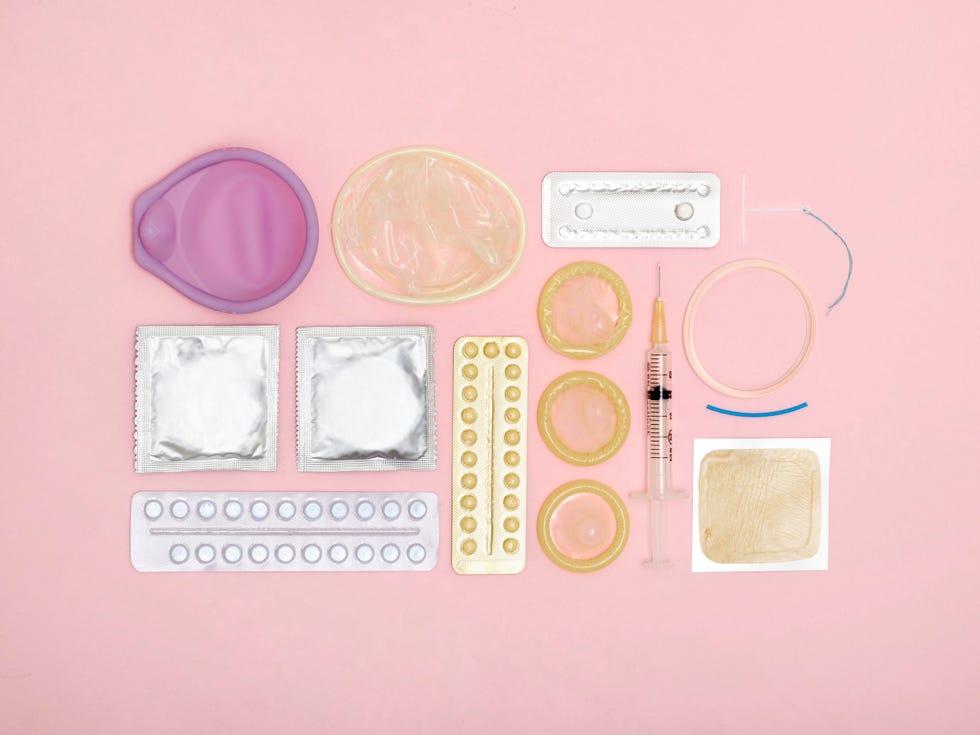
“There’s still a chance you could get pregnant, so we like to have contraception on board,” says Dr. Mysore. On top of that, she says, hormonal contraception “is very helpful to manage some of the perimenopausal shifts and changes and symptoms, especially if you’re thinking about an IUD, or a progesterone IUD.”

Dr. Chrisomalis-Valasiades’s go-to mode for perimenopausal women is a low-estrogen birth-control pill. “You can’t drop the ball in your 40s—you have to be on birth control if you really don’t want to be pregnant. But a low-dose pill, like a 10-mic pill, is perfect,” she says. “It’ll also take away some of the vaginal dryness, some of the irritability, and the brain fog.”

If committing to long-term contraception doesn’t appeal right now, there are other options. “If someone isn’t open to late-in-life pregnancy or condoms, and they’re not having sex very often, we’re really encouraging use of emergency contraception,” says Dr. White. It’s an option many women don’t consider, perhaps because of its branding—doctors are increasingly preferring the term “post-coital” contraception so as not to suggest that conditions need to be dire for it to be used. “I have patients of all ages who don’t like taking birth control every day or every week or every month when they’re not sexually active all the time. Whatever works for you in your life to prevent a pregnancy you don’t want is a great thing.”

And just as you can make preventing pregnancy work for you, there are many ways to keep perimenopause from impacting your life negatively. So whether you’re concerned about pregnancy or not, if perimenopausal symptoms are bothering you, see your obstetrician. “There are over 100 symptoms of perimenopause and menopause; there is no ‘one cocktail fits all,’” says Dr. White. “Depending on what your particular flavor of symptoms are, your doctors can advise dietary changes, medications, and different lifestyle adaptations based on where you are in your journey.”

5 things to know about teeth whitening and more : Life Kit : NPR

0
5 things to know about teeth whitening and more : Life Kit : NPR

This story originally published on March 19, 2023 and was updated on Sept. 26, 2023 to include a rerun of the podcast episode.

You’ve probably heard this dental advice before: Brush your teeth twice a day. Remember to floss. Get those pearly whites to the dentist twice a year.

But are they true? And why do we have to do these things?

We asked dental hygiene professionals to answer five basic questions about how to care for your teeth and keep them healthy. Here’s what they had to say.

1. How often should I really brush my teeth?

Photograph of 12 wooden toothbrushes with colorful bristles arranged in a circle representing a clock against a black backdrop.

Photo Illustration by Becky Harlan/NPR

Photograph of 12 wooden toothbrushes with colorful bristles arranged in a circle representing a clock against a black backdrop.

Photo Illustration by Becky Harlan/NPR

You should brush your teeth twice a day for two minutes a day, according to the American Dental Association.

But teeth maintenance is more than just brushing, flossing and tongue scraping, says Dr. Mark Burhenne, a dentist based in Sunnyvale, Calif., and the creator of askthedentist.com, a website that offers advice on professional and at-home dental practices.

He says it’s a complex equation juggling diet, saliva flow, avoiding dry mouth, maintaining the bacteria and pH in your oral microbiome, and managing your biofilm — an outer coating on your teeth containing bacteria.

“In that biofilm are bacteria that pull calcium and phosphate ions from saliva,” he says. Those minerals are then pulled “into the tooth and are able to actually fix and patch small cavities” before they get too large and need treatment.

“That’s [called] the remineralization effect,” he adds.

Brushing your teeth helps that process, says Burhenne. When we eat — sugary or acidic foods especially — the biofilm layer gets so thick and furry that it can’t remineralize your teeth properly. The mechanical movement of the toothbrush is what breaks up the biofilm so that it reforms into its natural thin and slippery state to protect teeth.

Brushing also helps remove plaque, which is the accumulation of biofilms containing large masses of microorganisms stuck to your teeth — kind of like algae on rocks. But if that build-up isn’t removed frequently, then demineralization can occur, leading to cavities, gingivitis, and periodontitis.

Funny enough, toothpaste actually does less work than you think, says Alicia Murria, a dental hygienist based in Washington, D.C., and founder of Hygienists for Humanity, a nonprofit that connects vulnerable communities with oral hygiene products.

“Your toothpaste is going to help you to feel fresher,” she says. “It’s also going to help to [kill] some of the bacteria that’s inside your mouth.”

But really, the most important step in keeping your teeth clean is good brushing technique, she adds. By brushing each tooth and slightly sweeping the gum line with your brush at a 45-degree angle, you’ll be able to remove plaque particles.

Murria says if your brushing technique is good, even a toothbrush with water can be enough.

2. Is there an ideal time of day when I should brush my teeth?

Photograph of a cup of coffee sitting on a plate with a napkin folded to the left. On the napkin rests a black toothbrush. The objects are photographed against a black background and touch on the question of when to brush your teeth, before or after breakfast.

Photo Illustration by Becky Harlan/NPR

Photograph of a cup of coffee sitting on a plate with a napkin folded to the left. On the napkin rests a black toothbrush. The objects are photographed against a black background and touch on the question of when to brush your teeth, before or after breakfast.

Photo Illustration by Becky Harlan/NPR

Burhenne suggests brushing your teeth first thing in the morning, before eating breakfast. It breaks up the biofilm and gets it ready to remineralize your teeth.

If you do happen to eat first, make sure you wait at least 30 minutes before brushing.

“If you’re brushing after a meal, that produces an acid attack in the mouth,” Burhenne says. The acid from the meal softens the enamel, so if you brush too soon you could damage that typically hard, shiny protective layer in its weakened state.

“You’re scraping away a lot of enamel. So for anyone who is eating junk or candy or having a soda or even coffee or a glass of wine, I would hesitate brushing [right away].”

Burhenne says waiting for the outer layer to remineralize prevents you from brushing your softened enamel right after you eat. If you don’t wait, it could thin out the top layer of your tooth.

Immediately after meals, you can rinse or drink water to flush acids and sugars from the mouth, increase the saliva’s pH and help with the remineralization process, according to research from the Journal of Indian Association of Public Health Dentistry.

3. Do I really need to floss?

Photograph of a small pink container of dental floss against a black backdrop. The floss coming out of the container spells a cursive "yes" in response to the question: Do I really need to floss?

Photo Illustration by Becky Harlan/NPR

Photograph of a small pink container of dental floss against a black backdrop. The floss coming out of the container spells a cursive "yes" in response to the question: Do I really need to floss?

Photo Illustration by Becky Harlan/NPR

You may not want to hear it, but the answer is yes, according to the ADA — you should be flossing at least once a day.

“Flossing gets to all the areas where toothbrushes don’t. You can’t do one or the other,” Burhenne says.

Burhenne says there aren’t many studies about flossing, but some research has shown that flossing, in addition to brushing, can improve cleaning and disease prevention.

Burhenne recommends flossing before brushing to open up areas you may not be able to clean with just the toothbrush, like in between your teeth. Flossing helps remove food debris and plaque before it hardens into tartar — a hard mineral deposit that can only be removed by a professional. Flossing also reduces the likelihood of gum disease and decay, according to the ADA.

Burhenne says flossing and brushing techniques can be all over the map, and it’s hard to see if you’re reaching all of your teeth.

“That’s why I recommend to my patients to buy a makeup mirror,” Burhenne says. “You get these little makeup mirrors that are lit up. You mount them on the wall or you can suction cup them on your mirror and take a look at 5x and 10x with a light inside the mirror, inside your mouth.”

And if you see blood as you’re flossing or brushing, Burhenne says that’s usually not from brushing too hard. He says that’s an early stage of gum disease — gingivitis.

“Gingivitis is classified as a type one category for gum disease,” he says. “As you get into the other categories, it gets worse. You get receding gums, you get more bleeding, you get [death] of the tissue, then you get [death] of the bone.”

4. How do I whiten my teeth?

Photograph of a white neon light in the shape of a tooth against a black backdrop, symbolizing the quest to find the best way to whiten your teeth.

Photo Illustration by Becky Harlan/NPR

Photograph of a white neon light in the shape of a tooth against a black backdrop, symbolizing the quest to find the best way to whiten your teeth.

Photo Illustration by Becky Harlan/NPR

From specialty toothpaste to DIY hacks to at-home whitening strips, there are all kinds of products and methods to help whiten your teeth. But dental professionals say to be wary.

Burhenne says the charcoal and whitening toothpaste you might find at the drugstore are so abrasive, they can make your teeth sensitive and potentially wear your teeth and gum line down.

The ADA discourages using home remedies like brushing teeth with lemon juice or rubbing vinegar on your teeth. There are limited studies on the efficacy of these methods, according to the ADA.

And when it comes to at-home whitening strips/other products, they can be OK, but do it slowly, says Burhenne. He recommends whitening products with carbamide peroxide concentrations of 10% or less.

But the ideal way to whiten your teeth is to ask your dentist for professional advice, he says.

“The best way to whiten is slowly with a-low strength gel, not a high-strength gel, and with a tray that … covers just the teeth and not the gums,” Burhenne says. Whitening tray and gel procedures can be done at home, but also by a professional.

Remember: The priority should always be making sure your teeth are healthy first over aesthetics, he says.

5. Do I really have to go to the dentist?

Photograph of a miniature dentist chair made out of legos photographed against a black backdrop.

Photo Illustration by Becky Harlan/NPR

Photograph of a miniature dentist chair made out of legos photographed against a black backdrop.

Photo Illustration by Becky Harlan/NPR

While proactive care at home can help keep your teeth healthy, yes — you still have to see a dentist, says Murria.

The ADA recommends that patients see a dentist at least once or twice a year. Burhenne says visiting twice a year isn’t necessarily a hard-set rule, as there are limited studies on what the perfect minimum is.

But visits are still important. Dentists and hygienists provide X-rays examining the enamel, dentin layer (the main supporting layer of the tooth, made of tiny tubes under the enamel), and pulp chambers (the soft centers of your teeth). Murria says professionals clean more effectively in areas you may struggle to reach and can help you with more complicated dental problems, like impacted wisdom teeth, receding gums, or cavities.

If financial barriers are an issue, both Burhenne and Murria recommend looking for dental schools, federally qualified health centers, and mobile dental clinics in your area for low-cost/no insurance options. More information on affordable options can be found on the U.S. Department of Health and Human Services website.

And if it’s been a while since you’ve been to the dentist or you’re feeling intimidated, remember there’s no shame in having dental issues, Burhenne says.

“Everyone has experienced this when they come in, and their gums bleed a little bit, there’s a little build-up of calculus and plaque, and the reason given is you haven’t flossed and brushed enough,” he says. “I think that’s unfair because the equation of the reasons why that would occur … are complex.”

There are a lot of factors to juggle in your dental health — but you don’t have to do it alone. That’s what your dental appointments are for.

“It’s never as bad as you think it is,” Burhenne says. “But the sooner you come in, the better it will be.”

The audio portion of this episode was produced by Sylvie Douglis and edited by Meghan Keane. The digital story was edited by Malaka Gharib and Danielle Nett. Our visuals editor is Beck Harlan. We’d love to hear from you. Leave us a voicemail at 202-216-9823, or email us at [email protected].

Listen to Life Kit on Apple Podcasts and Spotify, or sign up for our newsletter.

Natural treatments, remedies, and tips

0
Natural treatments, remedies, and tips

A range of natural and home remedies can help manage atrial fibrillation, such as yoga, exercise, and dietary choices.

When a person has atrial fibrillation (A-fib), their heart’s upper chambers can quiver, leading to an irregular heart rhythm. It can be acute, happening from time to time, but some people have chronic or persistent A-fib.

Symptoms include shortness of breath, weakness, heart palpitations, and sometimes a heart murmur. Blood clots can sometimes develop in the upper chambers, increasing the risk of stroke.

A-fib treatments will depend on individual symptoms and other factors. It is important for people to follow a doctor’s advice related to A-fib treatments, but some might also choose to supplement medical treatments with natural ones.

This article discusses some ways to help treat A-fib naturally.

There is limited research to support the use of natural treatments for A-fib, but some options may help reduce its symptoms and effects.

They include:

Some triggers for A-fib include:

  • fatigue
  • air pollution
  • caffeine
  • some over-the-counter and prescription medications
  • recreational drugs

Acupuncture

Acupuncture sessions of up to 20 minutes may help treat A-fib, according to a 2022 review. The research looked at the use of acupuncture and medication for A-fib compared with medication use only.

Acupuncture involves applying small needles to specific points on the body to promote energy flow.

It works by:

  • increasing blood circulation
  • reducing inflammation
  • calming the nervous system

The acupuncture point has a link with managing heart rhythm issues. More research is still needed.

Yoga

Yoga involves deep breathing, meditation, and body postures. According to one study, regular yoga practice for 1 hour, 3 days a week, may reduce the number of A-fib episodes.

It is unclear exactly how yoga reduces the incidence of A-fib, but researchers suggest it could reduce stress and inflammation that damages the heart as well as lowering a person’s resting heart rate.

What are some research-backed health benefits of yoga?

One natural herb formula reported to reduce A-fib and its symptoms is the Chinese herb extract Wenxin Keli (WXKL), which consists of five ingredients.

A 2015 review of WXKL’s effects suggested that taking this herbal formula could:

  • reduce changes to the heart that can occur as a result of A-fib
  • improve the maintenance of regular rhythm
  • have similar benefits as the beta-blocker sotalol in maintaining regular heart rhythms
  • reduce symptoms associated with A-fib, such as chest tightness, palpitations, and difficulty sleeping

However, there is not enough evidence to make dosage recommendations for WXKL.

Other research studied the effects of traditional Chinese medicine (TCM) herbs compared with prescription medications in treating A-fib.

The researchers concluded that:

  • TCM users had a reduced risk for stroke (1.93%) compared with non-TCM users (12.59%).
  • TCM users who were female or under 65 experienced the greatest stroke reduction benefits.
  • Those older than age 65 did not experience a significantly reduced stroke risk.

However, the study also did not track other factors that could have affected the risk of A-fib, including lifestyle habits and the use of other herbal medications.

TCM uses many herbs, and some may not be safe to use with pharmaceutical medications. For example, a useful herb such as Dan Shen can interact harmfully with warfarin, a blood thinner that doctors often prescribe for people with A-fib.

A person should consult with both a physician and a qualified Chinese herbal medicine specialist — such as an acupuncturist — before using Chinese herbal medicine. People can find a TCM specialist through the website of the National Certification Commission for Acupuncture and Oriental Medicine.

Here are some other herbs and supplements that may help treat A-fib, according to some 2015 research:

Can supplements help with arrthymia?

Lifestyle habits and dietary factors can potentially trigger episodes of A-fib.

Examples include:

  • Smoking and tobacco use: The risk appears to be higher for current smokers than those who have quit.
  • High alcohol intake: Consuming alcohol, even 7–14 drinks per week, appears to contribute to A-fib, but eliminating alcohol can reduce the incidence and severity of A-fib in those with this condition.
  • A high caffeine intake: A 2019 study found that consuming 1–3 cups of coffee a day might be more helpful at managing A-fib than no coffee or four or more cups.
  • Cough and cold medications that contain stimulants: Ingredients such as dextromethorphan or promethazine-codeine may increase the risk.

Some people are more sensitive to medications and additives than others. If a person notices that eating a certain food or drink increases the incidence of irregular heart rhythms, they should talk with their doctor.

Which foods should people eat or avoid with A-fib?

Healthy lifestyle choices can promote heart health overall and may help reduce the incidence of A-fib or lessen the risk of worsening symptoms.

Examples of healthful habits to follow include:

  • eating a healthy, balanced diet filled with fruits, vegetables, and whole grains
  • exercising regularly
  • managing high blood pressure through both medications and natural treatments, if desired
  • avoiding excess intakes of alcohol and caffeine
  • managing long-term conditions that could contribute to or worsen A-fib

Long-term conditions that could contribute to A-fib include high blood pressure, sleep apnea, thyroid disease, diabetes, and chronic lung disease.

According to the American Heart Association, a person with A-fib is five times more likely to have a stroke than someone who does not have a history of heart disease. By working to prevent cardiac complications, a person can live a healthier life with A-fib.

What are some tips for stopping an A-fib episode?

Some 21–74% of people with A-fib have obstructive sleep apnea (OSA), and treating OSA may help manage A-fib, experts say.

People with OSA stop breathing for brief periods while they are asleep. This can weaken the heart as it has to start working harder to make up for the lost oxygen when a person stops breathing.

Symptoms that suggest a person could be experiencing sleep apnea include:

  • being told they snore
  • waking themselves up at night with snoring or irregular breathing
  • having excessive daytime sleepiness

Anyone with these symptoms should consult a doctor. A cardiologist and sleep specialist can work together to help manage OSA and A-fib.

Here are some questions people often ask about A-fib.

How can you get rid of A-fib naturally?

It is essential to seek medical advice for A-fib or other changes in heart rhythm, but some natural remedies can support medical treatment. They include:

  • avoiding or limiting the intake of alcohol, tobacco, and caffeine
  • getting enough exercise
  • following a varied and nutritious diet
  • trying acupuncture, yoga, or both
  • asking a doctor about supplements and herbal remedies

Is it possible to reverse A-fib naturally?

Natural remedies can help manage A-fib, but chronic A-fib is a serious heart condition that needs medical attention to prevent severe complications. While it is possible to have only one episode, it is usually recurrent, although people may not always notice the symptoms.

A-fib is a serious heart condition that involves unusual heart rhythms. Various lifestyle, home, and natural remedies can help manage it.

However, a person with A-fib or other heart issues should always follow a doctor’s advice and check with a doctor before using any new remedy.

Anyone using herbal or alternative therapies should ensure work with a qualified practitioner and also inform a doctor.

Serious complications can arise if a person does not seek treatment for A-fib, such as a stroke, blood clot, or heart failure.

Low socioeconomic status can negatively impact children’s health starting in preschool, study finds

0
Low socioeconomic status can negatively impact children’s health starting in preschool, study finds

Low socioeconomic status can negatively impact children’s health in preschool, along with their ability to follow specialized health education intervention programs, Mount Sinai researchers found in an international study focused on health promotion in schools, including those in the Harlem section of New York City. The results, published September 18 in the Journal of American College of Cardiology, stress the importance of introducing a specialized health curriculum in classrooms starting in preschool.

This study shows that socioeconomic factors, including lower household income and education level, can negatively impact children’s health starting in preschool and emphasizes the importance of promoting healthy lifestyle habits through a specialized school curriculum focused on nutrition and exercise starting in preschool to prevent cardiovascular disease later in life. It is also important to not just educate children, but also teach their caretakers and teachers about healthy habits to further support these efforts.”

Valentin Fuster, MD, PhD, President of Mount Sinai Heart, Physician-in-Chief of The Mount Sinai Hospital, and General Director of the Spanish National Center for Cardiovascular Research (CNIC)

Dr. Fuster created and led the trial, known as the FAMILIA Project at Mount Sinai Heart.

The study is part of an ambitious multinational effort to intervene early in the lives of children, their caretakers, and teachers so they can form a lifetime of heart-healthy habits. Researchers conducted the work in 15 Head Start Schools in Harlem, a socioeconomically disadvantaged area that is commonly linked to higher rates of obesity, heart disease, and other health issues. The work was also done in schools in Madrid, Spain (middle to high economic status), and Bogotá, Colombia (middle to low economic status).

Researchers analyzed a total of 3,839 children between three and five years old-;562 students in Harlem, 1,216 in Bogotá, and 2,061 in Madrid. At the beginning, children had their weight and height measured and answered a simple guided questionnaire, which included pictures for easier comprehension, to test their knowledge, attitudes, and behaviors regarding diet, physical activity, how the human body and heart works, and emotions.

Children in half of the preschools (the control group) had their regular classroom curriculum, while children in the other preschools (the intervention group) went through a different learning program created by cardiologists, psychologists, and educators over a four-month period. In this program, students had specialized classwork, where teachers taught them about healthy diet, physical activity, how the human body works, and managing emotions. Caregivers were also told to engage in specific activities with their children on weekends during the four months, including buying fresh fruit at the grocery store and choosing physical activity over sedentary behavior. After four months, researchers reassessed children’s weight and height and gave that same questionnaire to children in both the control and intervention groups and compared them.

In this study, researchers specifically looked at household income and educational level, and how they impact students’ knowledge, attitudes, and habits (KAH) toward a healthy lifestyle, and their body mass index z-scores (zBMI). They assessed how socioeconomic status impacted children’s health before and after intervention.

The overall adjusted baseline KAH averaged at 46.3 points on a scale from 0 to 80. Children with higher socioeconomic status-;as measured by both household income and educational level-;started with higher (healthier) baseline scores. Students with high parental educational level had higher KAH scores (average of 47.2) than those with low parental educational level (average of 45.7). Children from high-income households had better KAH scores (47.4) than children from low-income households (45.8). Children from families with high educational level and household income had a lower zBMI compared with children from families with low educational level and household income at baseline.

After the end of the intervention, researchers compared KAH and zBMI between intervention and control groups. Overall, KAH improved more in the intervention group than in controls, and went up by 4.76 points compared to the control group after four months. There was also a bigger jump in points among children with higher socioeconomic status. KAH for the high-household-income intervention group went up by 6.33 more points than the control group. KAH for low-household-income intervention students went up 4.24 points more than the control group. KAH for intervention students from high-education families went up by 4.96 compared to the control group, and 3.75 for those from low-education families, suggesting that children from these families did not follow the curriculum as well as those from high-education backgrounds. zBMI numbers did not significantly change after the intervention and there were no major differences in zBMI between socioeconomic groups.

Dr. Fuster and his team are now running this school program in two boroughs of New York City and plan to expand it across the five boroughs in the next few years. This project will evaluate many other factors about health, teacher’s motivation, environment (pollution), and familial issues.

The FAMILIA project in the United States was funded by a grant from the American Heart Association and the Stephen Gellman Children’s Outreach Program The work in Spain and Colombia was funded by the SHE Foundation, the “la Caixa” Foundation. The project in Colombia was funded by the Santo Domingo Foundation.

Source:

Journal reference:

de Cos-Gandoy, A., et al. (2023) Impact of Socioeconomic Background on Cardiovascular Health Promotion in Early Childhood. Journal of American College of Cardiology. doi.org/10.1016/j.jacc.2023.07.014.

Oral health

0
Oral health

Overview

Most oral health conditions are largely preventable and can be treated in their early stages. Most cases are dental caries (tooth decay), periodontal diseases, tooth loss and oral cancers. Other oral conditions of public health importance are orofacial clefts, noma (severe gangrenous disease starting in the mouth mostly affecting children) and oro-dental trauma.

The WHO Global Oral Health Status Report (2022) estimated that oral diseases affect close to 3.5 billion people worldwide, with 3 out of 4 people affected living in middle-income countries. Globally, an estimated 2 billion people suffer from caries of permanent teeth and 514 million children suffer from caries of primary teeth.  

Prevalence of the main oral diseases continues to increase globally with growing urbanization and changes in living conditions. This is primarily due to inadequate exposure to fluoride (in the water supply and oral hygiene products such as toothpaste), availability and affordability of food with high sugar content and poor access to oral health care services in the community. Marketing of food and beverages high in sugar, as well as tobacco and alcohol, have led to a growing consumption of products that contribute to oral health conditions and other NCDs.

Dental caries (tooth decay)

Dental caries results when plaque forms on the surface of a tooth and converts the free sugars (all sugars added to foods by the manufacturer, cook or consumer, plus sugars naturally present in honey, syrups and fruit juices) contained in foods and drinks into acids that destroy the tooth over time. A continued high intake of free sugars, inadequate exposure to fluoride and a lack of removal of plaque by toothbrushing can lead to caries, pain and sometimes tooth loss and infection.

Periodontal (gum) disease

Periodontal disease affects the tissues that both surround and support the teeth. The disease is characterized by bleeding or swollen gums (gingivitis), pain and sometimes bad breath. In its more severe form, the gum can come away from the tooth and supporting bone, causing teeth to become loose and sometimes fall out. Severe periodontal diseases are estimated to affect around 19% of the global adult population, representing more than 1 billion cases worldwide. The main risk factors for periodontal disease are poor oral hygiene and tobacco use.

Edentulism (total tooth loss)

Losing teeth is generally the end point of a lifelong history of oral disease, mainly advanced dental caries and severe periodontal disease, but can also be due to trauma and other causes. The estimated global average prevalence of complete tooth loss is almost 7% among people aged 20 years or older. For people aged 60 years or older, a much higher global prevalence of 23% has been estimated. Losing teeth can be psychologically traumatic, socially damaging and functionally limiting.

Oral cancer

Oral cancer includes cancers of the lip, other parts of the mouth and the oropharynx and combined rank as the 13th most common cancer worldwide. The global incidence of cancers of the lip and oral cavity is estimated to be 377 713 new cases and 177 757 deaths in 2020. Oral cancer is more common in men and in older people, more deadly in men compared to women and it varies strongly by socio-economic circumstances.

Tobacco, alcohol and areca nut (betel quid) use are among the leading causes of oral cancer. In North America and Europe, human papillomavirus infections are responsible for a growing percentage of oral cancers among young people.

Oro-dental trauma

Oro-dental trauma results from injury to the teeth, mouth and oral cavity. Latest estimates show that 1 billion people are affected, with a prevalence of around 20% for children up to 12 years old. Oro-dental trauma can be caused by oral factors such as lack of alignment of teeth and environmental factors (such as unsafe playgrounds, risk-taking behaviour, road accidents and violence). Treatment is costly and lengthy and sometimes can even lead to tooth loss, resulting in complications for facial and psychological development and quality of life.

Noma

Noma is a severe gangrenous disease of the mouth and the face. It mostly affects children aged 2–6 years suffering from malnutrition, affected by infectious disease, living in extreme poverty with poor oral hygiene or with weakened immune systems.

Noma is mostly found in sub-Saharan Africa, although cases have also been reported in Latin America and Asia. Noma starts as a soft tissue lesion (a sore) of the gums. It then develops into an acute necrotizing gingivitis that progresses rapidly, destroying the soft tissues and further progressing to involve the hard tissues and skin of the face.

According to latest estimates (from 1998) there are 140 000 new cases of noma annually. Without treatment, noma is fatal in 90% of cases. Survivors suffer from severe facial disfigurement, have difficulty speaking and eating, endure social stigma, and require complex surgery and rehabilitation. Where noma is detected at an early stage, its progression can be rapidly halted through basic hygiene, antibiotics and improved nutrition.

Cleft lip and palate

Orofacial clefts, the most common of craniofacial birth defects, have a global prevalence of between 1 in 1000–1500 births, with wide variation in different studies and populations (1). Genetic predisposition is a major cause. However, poor maternal nutrition, tobacco consumption, alcohol and obesity during pregnancy also play a role. In low-income settings, there is a high mortality rate in the neonatal period. If lip and palate clefts are properly treated by surgery, complete rehabilitation is possible.

Risk factors

Most oral diseases and conditions share modifiable risk factors such as tobacco use, alcohol consumption and an unhealthy diet high in free sugars that are common to the 4 leading NCDs (cardiovascular disease, cancer, chronic respiratory disease and diabetes).

In addition, diabetes has been linked in a reciprocal way with the development and progression of periodontal disease (2). There is also a causal link between the high consumption of sugar and diabetes, obesity and dental caries. 

Oral health inequalities

Oral diseases disproportionally affect the poor and socially disadvantaged members of society. There is a very strong and consistent association between socioeconomic status (income, occupation and educational level) and the prevalence and severity of oral diseases. This association exists from early childhood to older age and across populations in high-, middle- and low-income countries.

Prevention

The burden of oral diseases and other noncommunicable diseases can be reduced through public health interventions by addressing common risk factors.

These include:

  • promoting a well-balanced diet low in free sugars and high in fruit and vegetables, and favouring water as the main drink;
  • stopping use of all forms of tobacco, including chewing of areca nuts;
  • reducing alcohol consumption; and
  • encouraging use of protective equipment when doing sports and travelling on bicycles and motorcycles (to reduce the risk of facial injuries).

Adequate exposure to fluoride is an essential factor in the prevention of dental caries.

Twice-daily tooth brushing with fluoride-containing toothpaste (1000 to 1500 ppm) should be encouraged.

Access to oral health services

Unequal distribution of oral health professionals and a lack of appropriate health facilities to meet population needs in most countries means that access to primary oral health services is often low. Out-of-pocket costs for oral health care can be major barriers to accessing care. Paying for necessary oral health care is among the leading reasons for catastrophic health expenditures, resulting in an increased risk of impoverishment and economic hardship. 

WHO response

The World Health Assembly approved a Resolution on oral health in 2021 at the 74th World Health Assembly. The Resolution recommends a shift from the traditional curative approach towards a preventive approach that includes promotion of oral health within the family, schools and workplaces, and includes timely, comprehensive and inclusive care within the primary health-care system. The Resolution affirms that oral health should be firmly embedded within the NCD agenda and that oral health-care interventions should be included in universal health coverage programs.  

In 2022, the World Health Assembly adopted the global strategy on oral health with a vision of universal health coverage for oral health for all individuals and communities by 2030. A detailed action plan is under development to help countries translate the global strategy into practice. This includes a monitoring framework for tracking progress, with measurable targets to be achieved by 2030.


References

1. Salari N, Darvishi N, Heydari M, Bokaee S, Darvishi F, Mohammadi M. Global prevalence of cleft palate, cleft lip and cleft palate and lip: A comprehensive systematic review and meta-analysis. J Stomatol Oral Maxillofac Surg. 2021;S2468-7855(21)00118X. doi:10.1016/j.jormas.2021.05.008. 

2. Wu, Cz., Yuan, Yh., Liu, Hh. et al. Epidemiologic relationship between periodontitis and type 2 diabetes mellitus. BMC Oral Health 20, 204 (2020). https://doi.org/10.1186/s12903-020-01180-w

Canada to start tracking adverse effects of natural health products

Canada to start tracking adverse effects of natural health products

OTTAWA –


A new plan to force hospitals to report adverse effects of “natural health products” such as herbal remedies and supplements has come as a surprise to manufacturers, who say they were blindsided by the proposed change.


The federal government included the plan in the 2023 budget bill, which is still making its way through the House of Commons.


It would see natural health products fall under the same category as pharmaceuticals when it comes to how they are monitored once they are on the market.


They would be incorporated into Vanessa’s Law, which was passed in 2014 to improve the reporting of adverse health reactions.


It was named after 15-year-old Vanessa Young, the daughter of a Conservative member of Parliament, who died in 2000 after her heart rate had been affected by medication that was prescribed by her doctor.


Putting natural health products under that framework would require hospitals to report on any unintended consequences associated with them, so that Health Canada can recall them or order fixes if necessary.


The provisions had been discussed before, said Aaron Skelton, president of the Canadian Health Food Association. But “there was nothing that would have indicated to industry that it was imminent,” he said.


“The industry and the association were both caught off guard when we saw that included in the budget.”


The debate about whether to include natural health products in Vanessa’s Law when it was first introduced generated “quite the discussion” on Parliament Hill at the time, Sen. Judith Seidman, who sponsored the original bill in the Senate, told her colleagues at a recent committee hearing.


The government at the time decided against doing so.


Since then, several high-profile tragedies that saw parents and patients eschew conventional medicine in favour of natural remedies have prompted a renewed national conversation about the regulation of natural health products in Canada.


In 2021, the federal auditor general found that Health Canada fell short of making sure products were safe and effective, and that gaps in the monitoring of products on the market left consumers exposed to potential health and safety risks.


“I think post-market surveillance and monitoring for safety around natural health products is urgent,” Seidman, an epidemiologist and health researcher, told the Senate committee earlier this month.


Vanessa’s Law would also let Health Canada demand that manufacturers make changes to their labels and recall unsafe products.


Skelton argued manufacturers are already responsible for reporting any ill effects associated with their products, and Health Canada already has the power to stop sales and seize products.


The decision to include natural products hasn’t been properly studied or debated, he said, and has instead been tucked into the omnibus budget bill.


“We have seen no consultation efforts to persuade us that the regulatory powers conferred in Vanessa’s Law would be appropriate for the lowest-risk products, such as natural health products,” he said.


Health Minister Jean-Yves Duclos said the change is meant to address the fact that not all products are equally safe for consumption.


“The objective is to make sure that all health products, different types and different formulations, are treated the same way, so Health Canada has the ability, if needed, to intervene in circumstances in which the health and safety of Canadians at stake,” Duclos said at a press conference in Sudbury on Tuesday.


While natural health products are considered lower-risk than some prescription drugs, the Canadian Pharmacists Association has repeatedly tried to reinforce that there is still some risk in using them.


Ginseng, for example, which is often used in hopes of boosting the immune system, has been associated with some cases of increased blood pressure, the association’s Barry Power told Senators at committee this month.


He also pointed to cases of bleeding associated with ginkgo biloba, which is thought to increase memory function — a potentially serious side-effect for older people who also use anticoagulants that thin the blood.


The plan outlined in the budget is the latest in several regulatory changes the government has introduced to tighten rules about how products are marketed and sold to Canadians, including changes to the way products are labelled.


This report by The Canadian Press was first published May 25, 2023.

Nutrient-rich diet to maximize memory

0
Nutrient-rich diet to maximize memory

Research suggests that the ability to maximize memory function may be related to what you eat. Following an eating plan that provides a healthier selection of dietary fats and a variety of plant foods rich in phytonutrients could positively affect your health. Phytonutrients are substances found in certain plants that are believed to be beneficial for human health and help prevent certain diseases.

There’s still much to learn about what makes up a brain-healthy diet. Studies are finding that what’s good for your heart also may be good for your brain. So the best bet for rich memories is to forgo unhealthy fat and remember to diversify your plant-based food portfolio.

Foods that boost memory

Diets rich in fruits, vegetables, whole grains and legumes, fish, healthier fats, and herbs or seeds boost the brain’s memory functioning. Here’s more about these powerhouse foods:

Fruits

  • Berries are high in antioxidants that can protect the brain from oxidative damage, and prevent premature aging and memory-impairing dementia. Blueberries are a rich source of anthocyanin and other flavonoids that may improve brain function.
  • Grapes are full of resveratrol, a memory-boosting compound. Concord grapes are rich in polyphenols, which have the potential to promote brain function.
  • Watermelon has a high concentration of lycopene, another powerful antioxidant. Watermelon also is a good source of pure water, which benefits brain health. Even a mild case of dehydration can reduce mental energy and impair memory.
  • Avocados are a fruit rich in monounsaturated fat, which improves memory function by helping improve blood cholesterol levels when eaten in moderation in place of saturated fats.

Vegetables

  • Beets are rich in nitrates, a natural compound that can dilate blood vessels, allowing more oxygenated blood to reach the brain.
  • Dark, leafy greens are known for their antioxidants, such as vitamin C, and have been shown to reduce age-related memory loss. Greens also are rich in folate, which can improve memory by decreasing inflammation and improving blood circulation to the brain.

Whole grains and legumes

  • Cracked wheat, whole-grain couscous, chickpeas, oats, sweet potatoes and black beans are examples of complex carbohydrates. Since brain cells run on glucose derived from carbohydrates and don’t store excess glucose, they need a steady supply of it. Complex carbohydrates are a preferred brain food, providing a slow, sustained supply of glucose. They take longer to metabolize and are high in folate, the memory-boosting B vitamin.

Seafood

  • Fatty fishes, such as salmon, trout, mackerel, herring, sardines, pilchards and kippers, are rich in heart-healthy omega-3 fatty acids. These have been shown to improve memory when eaten one to two times per week. Omega-3 fatty acids don’t affect low-density lipoprotein (LDL) cholesterol and can lower triglycerides.
  • Shellfish and crustaceans, such as oysters, mussels, clams, crayfish, shrimp and lobster, are good sources of vitamin B12, a nutrient involved in preventing memory loss.

Healthier fats

  • Olive oil provides monounsaturated fat, which can help reduce LDL cholesterol levels when used in place of saturated or trans fat. Extra-virgin olive oil is the least processed type with the highest protective antioxidant compound levels.
  • Nuts, such as walnuts, are a source of omega-3 fatty acids, which lower triglycerides, improve vascular health, help moderate blood pressure and decrease blood clotting.

Herbs or seeds

  • Cocoa seeds are a rich source of flavonoid antioxidants, which are especially important in preventing damage from LDL cholesterol, protecting arterial lining and preventing blood clots. Cocoa also contains arginine, a compound that increases blood vessel dilation.
  • Rosemary and mint are in the same herb family. Rosemary has been shown to increase blood flow to the brain, improving concentration and memory. Peppermint aroma has been found to enhance memory.
  • Sesame seeds are a rich source of the amino acid tyrosine, which is used to produce dopamine, a neurotransmitter responsible for keeping the brain alert and memory sharp. Sesame seeds also are rich in zinc, magnesium and vitamin B6, other nutrients involved in memory function.
  • Saffron has been shown to positively affect individuals with mild to moderate Alzheimer’s disease.

Making lifestyle modifications to control your cholesterol, blood sugar and blood pressure levels, as well as not smoking, taking daily walks and keeping your weight in a healthy range can help preserve memory function.

Try this recipe that combines brain-boosting vegetables and healthier fats:

Beet walnut salad

By Mayo Clinic Staff

Serves 8

1 small bunch of beets (or enough no-salt-added canned beets to make 3 cups, drained)
1/4 cup red wine vinegar
3 tablespoons balsamic vinegar
1 tablespoon olive oil
1 tablespoon water
8 cups fresh salad greens
1/4 cup chopped apple
1/4 cup chopped celery
Freshly ground pepper
3 tablespoons chopped walnuts
1/4 cup gorgonzola cheese, crumbled

Steam raw beets in water in a saucepan until tender (skip this step if using canned beets). Slip off skins. Rinse to cool. Slice in 1/2-inch rounds. In a medium bowl, toss with red wine vinegar.

In a large bowl, combine balsamic vinegar, olive oil and water. Add salad greens and toss.

Put greens onto individual salad plates. Top with sliced beets, chopped apples and celery. Sprinkle with pepper, walnuts and cheese. Serve immediately.

Nutrition per serving size of 1 cup lettuce and 1/2 cup beets: 90 calories, 5 grams fat, 1.5 grams saturated fat, 115 milligrams sodium, 9 grams carbohydrates, 2.5 grams fiber, 3 grams protein.

Elizabeth (Lizzie) Bertrand is a registered dietitian in Nutrition in St. James, Minnesota.

A Day in the Life of a Transplant Manager

0
A Day in the Life of a Transplant Manager

Pediatric Nurses Week is a time to celebrate and reflect on the contributions nurses make to the pediatric community and their families.

Gerri James, RN, BSN, CCTC, manager of the Pediatric Kidney Transplant Program at Stanford Medicine Children’s Health, is often the first person parents hear from when their children are referred for a transplant. She helps families line up all the support they need, making sure the whole child is cared for from dietitians to therapists, plays a key role in educating families about what to expect on their transplant journey, and is always there to answer questions/provide encouragement when families may be worried while waiting for an organ.

This Pediatric Nurses Week, James discusses how she started working in pediatric transplant and the importance of meeting families where they are.

How did you get started working with pediatric patients who needed transplants?

James: I started my nursing career on a surgical floor at an academic medical center on the East Coast. We cared for patients waiting for or receiving liver and kidney transplants. Once I cared for these patients, I knew this was the patient population I wanted to help.

Transplantation is a fascinating and rewarding field. Witnessing our young patients receive a second chance at life was, and still is, amazing. Now 35 years later, I’m still helping these patients and their families at Stanford Medicine Children’s Health. My first love is patient care, and I wouldn’t ever want to give it up.

What do you do in your role with the Pediatric Kidney Transplant Program at Stanford Medicine Children’s Health?

James: We’re so proud that our Pediatric Kidney Transplant Program is an identified Center of Excellence that has performed more pediatric kidney transplants than anywhere else in the country, and our one-year and three-year survival rates are also the best in the country.

No one ever wants to hear that their child or loved one needs a transplant. When patients are referred to our Kidney Transplant Program, we reach out to the family to introduce ourselves and explain what to expect. This often is a vulnerable and terrifying time of their lives. I feel blessed to be able to guide them through the process and take some of the stress away. I often tell families, “Let me worry about that part. You have enough on your plate.”

We meet the family where they are in the process and a big part of the conversation is educating them in what to expect throughout the entire transplant journey and being honest that there will be some bumps in the road. Ultimately, I try to meet the family where they are at in the process as that is key to building a successful and trusting relationship.

My team also collaborates with many other disciplines to assist with travel and lodging, consults to other services, etc.  – all in hopes of making the experience as easy as possible. As the Transplant Manager, I wear many different hats. My role is somewhat unique as I have a full patient assignment (both recipients and potential living kidney donors) in addition to my manager responsibilities.

What is the most rewarding to you about your role?

The most incredible thing for me is to watch a child, who was not expected to walk, survive, or thrive, running toward me in the clinic to give me a hug. Getting a graduation announcement, hearing how the family is going on vacation, dialysis-free, or any other big announcement makes me feel so proud of these brave children and their many accomplishments!

I like that every day is different and there is always something to learn. I have the honor of helping parents and guardians navigate a world that they are unfamiliar with during a scary and stressful time. Often when they hear that their child needs a kidney transplant, they are devastated. I try to make this new journey a little less terrifying. Providing them education and letting them know that they are never alone is a big part of what I do.

What is something that you would want people to know about your job?

Transplantation is a miracle and life changing for those who are fortunate enough to receive an organ as not everyone gets this opportunity due to the shortage of organs. Transplantation is a fascinating and rewarding field and one that gives the opportunity to make a significant positive impact on a patients’ and their families’ lives. I would also encourage everyone to sign up to be an organ donor. It’s the greatest gift that you’ll ever give.