Home Blog Page 48

How to Watch ‘The Exorcist’ Movies In Order

0
How to Watch ‘The Exorcist’ Movies In Order

WHEN THE ORIGINAL Exorcist movie, based on William Peter Blatty’s novel of the same name, came out in 1973, it was an absolute sensation, winning Oscars, getting nominated for more, and grossing a colossal $441 million—against a $12 million budget—at the box office. The movie, helmed by the late director William Friedkin, tells the story of a pair of priests who help a mother and her daughter dealing with a very specific problem; it proved to be a bona fide smash both critically and commercially, still considered one of the greatest horror movies ever made to this day.

Making a lot of money, though, also invites other ideas in: how can we do this again. That means sequels, that means prequels, that means follow-ups, that means more. And so in the 50 years since The Exorcist was originally released, attempts have rarely halted for too long to capture that original magic. And while some have been worthy (more on that in a bit), matching the success of the original has proven to be a difficult endeavor.

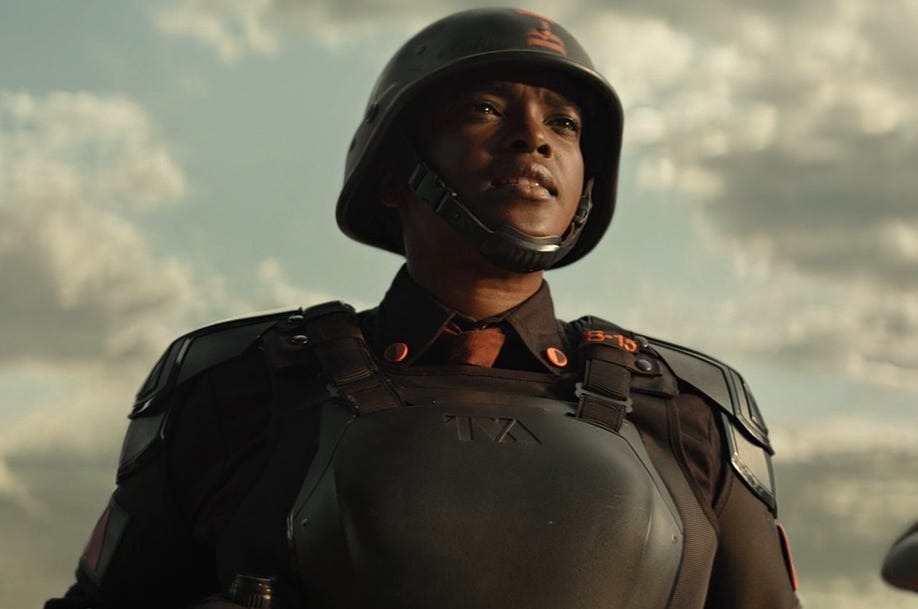
Next up, Universal is taking a $400 million swing at The Exorcist with a new trilogy from director David Gordon Green and co-writer Danny McBride, starring Hamilton‘s Leslie Odom Jr. and original Exorcist star Ellen Burstyn, that serves as a sequel only to the original movie, ignoring everything else (the Gordon Green/McBride duo recently completed a Halloween trilogy with a similar strategy, bringing Jamie Lee Curtis back and ignoring all the sequels and remakes).

But even if the movies themselves are ignoring some Exorcist installments, that doesn’t mean the movies no longer exist, and it doesn’t mean you won’t enjoy them. If you’re a fan of The Exoricist—or just want to get into this series and this world—it could be more than worth your time to check out the many riffs that have been made on the legendary story of horror and possession.

Below, you can check out a full guide to all of them.

The Original

The Exorcist (1973)

This content is imported from youTube. You may be able to find the same content in another format, or you may be able to find more information, at their web site.

The original film—you know all about this one. Ellen Burstyn plays the worried, frazzled, humane mother who cannot understand what’s happening to her young daughter (played by Linda Blair), and so she seeks the help of two priests, played by Jason Miller and Max Von Sydow. The movie is a masterpiece of horror, at times weird, at times gross, at times funny, and always very, very scary. It holds up—if you haven’t seen it somehow, the time to take the plunge is now.

Stream It Here

The Hated First Sequel

The Exorcist II: The Heretic (1977)

This content is imported from youTube. You may be able to find the same content in another format, or you may be able to find more information, at their web site.

After the success of The Exorcist, a sequel entered production, but neither director William Friedkin nor book author/screenwriter William Peter Blatty were involved (they had lots of behind the scenes problems during production of the original film and the aftermath). But ahead things rolled with a sequel, where both Linda Blair and Max Von Sydow return as a girl still dealing with the aftermath of the possession depicted in the original film, and the priest who helped to finally complete the exorcism. The movie was poorly received, currently holding only a 9% on Rotten Tomatoes.

Stream It Here

The Redeemed Second Sequel

The Exorcist III (1990)

This content is imported from youTube. You may be able to find the same content in another format, or you may be able to find more information, at their web site.

Much like Halloween III: Season of the Witch (which took the Halloween franchise in a direction away from chief villain Michael Myers), The Exorcist III takes the franchise in an entirely new direction as well. Set 15 years after the events of the original Exorcist (and ignoring the events of The Exorcist II), this film finds the return of William Peter Blatty as both writer and director for a film based on Legion, the follow-up to his original Exorcist novel (Friedkin was attached but had to drop out of the project). Rather than be centered on a possession and an exorcism, Exorcist III is more of a serial killer thriller, with the investigator from the first film (Lieutenant William F. Kinderman, now played by George C. Scott) hunting down a serial killer known as the Gemini Killer (based on the real-life Zodiac killer). But, of course, things do take a supernatural turn.

This movie received mixed reviews at the time (and Blatty has noted studio interference with the original cut of the movie), but has since been reclaimed as a pretty darn good sequel.

Stream It Here

The Prequels

Exorcist: The Beginning (2004)

This content is imported from youTube. You may be able to find the same content in another format, or you may be able to find more information, at their web site.

We should be clear: the situation with the Exorcist prequels is a bit confusing. Essentially? Paul Schrader (First Reformed, Taxi Driver) was originally hired to make an Excorcist prequel film, and when he turned in his cut… the studio was not happy with it. So unhappy with it, in fact, that they ultimately hired another director and underwent extensive reshoots to retool the movie entirely.

And that movie became Exorcist: The Beginning, a poorly-received (anyway) movie where Stellan Skarsgård plays a young version of Max von Sydow’s character from the original Exorcist film. Blatty said that watching Exorcist: The Beginning was his “most humiliating professional experience.”

Stream It Here

Dominion: Prequel to the Exorcist (2005)

This content is imported from youTube. You may be able to find the same content in another format, or you may be able to find more information, at their web site.

After Exorcist: The Beginning was a critical and commercial flop, Schrader worked out a deal to finish his version of the prequel (he was given only $35,000 to finagle things together) and get it a limited release via Warner Bros. The result, Dominion: Prequel to the Exorcist was still poorly received, but got better reviews than The Beginning. And, for what it’s worth, Blatty said Dominion was a “a handsome, classy, elegant piece of work.”

Stream It Here

The TV Series

The Exorcist (2016-2017)

This content is imported from youTube. You may be able to find the same content in another format, or you may be able to find more information, at their web site.

In 2016, The Exorcist made its first (and so far, only) jump to the small screen for a FOX TV show that ignored all the sequels and prequels and directly fed from the original film. The show’s first season featured Geena Davis playing a grown-up version of Regan MacNeil (Linda Blair’s character from the first film), while the cast also included Alan Ruck, Sophie Thatcher, and featured Ben Daniels and Alfonso Herrera as priests investigating occurrences of possession. John Cho was among the new cast members to join for the show’s second season.

Stream It Here

The New Continuity

The Exorcist: Believer (2023)

This content is imported from youTube. You may be able to find the same content in another format, or you may be able to find more information, at their web site.

And that brings us to 2023, where a new sequel to The Exorcist—titled The Exorcist: Believer and directed by David Gordon Green—is hitting theaters as the first of three planned Exorcist films from Universal and Blumhouse. The movie, like many others on this list, is a sequel only to the original film, ignoring everything else. Leslie Odom Jr. (Glass Onion, Hamilton) leads the way, while Ellen Burstyn returns as her character from the original Exorcist, giving the movie that real “requel” feel.

Buy Tickets Here

Headshot of Evan Romano

Evan is the culture editor for Men’s Health, with bylines in The New York Times, MTV News, Brooklyn Magazine, and VICE. He loves weird movies, watches too much TV, and listens to music more often than he doesn’t.

Veteran Travis Mills Lost His Limbs in Afghanistan But Found True Strength

0
Veteran Travis Mills Lost His Limbs in Afghanistan But Found True Strength

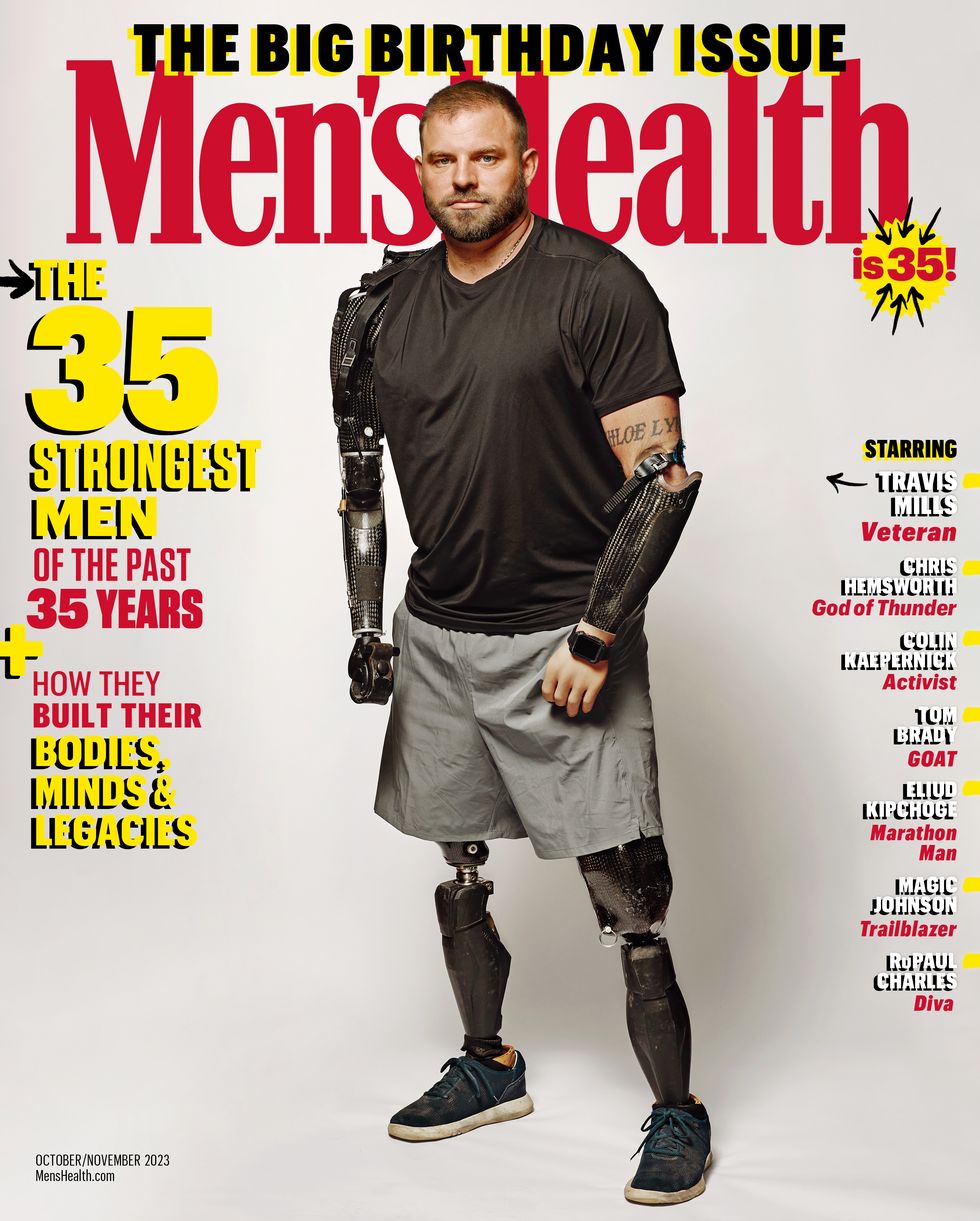
For our 35th anniversary issue, we’re spotlighting 35 men who embody strength in all of its forms. To see the full list, click here.


mh 35 years logo

A LITTLE MORE than a decade ago, as a U. S. Army soldier in his mid-20s, Mills stood six feet, three inches tall and weighed 250 pounds. His biceps, he says, taped 23 inches. To realize such a physique, Mills embodied a definition of strength many young athletes would recognize. “Everything was all about how much can I lift, and how big can I get my muscles, and how strong can I be with respect to picking things up and putting them down,” he says. As an infantryman, Mills had also undergone training that forced him to develop into an endurance performer, someone who could run five miles to a timer and carry weapons, ammunition, and heavy kit for days over uneven terrain.

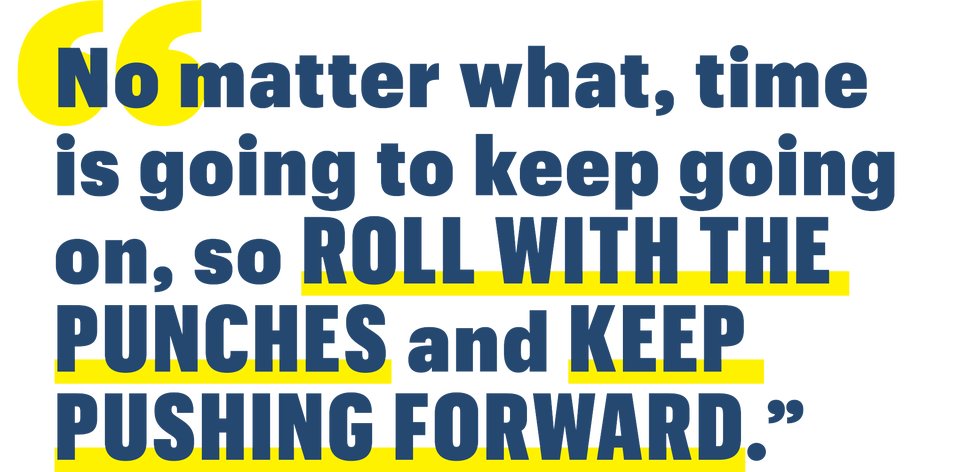
Much about these demands was physical. But Army training fostered mental toughness too. Mills would more fully understand the inner aspects of strength under battlefield stress. On his second combat deployment, an exhausting gunfight was followed by a difficult journey back to base, during which “everything that could go wrong did go wrong,” he says, including a truck breaking down at night. Mills summoned the resolve to see himself and his fellow soldiers through. At 21 years old, he experienced an epiphany in the night: “No matter what, time is going to keep going on, so roll with the punches and keep pushing forward.”

mens health october november 2023 cover travis mills

Mills with his wife and child.

Tony Luong

On April 10, 2012, Mills was patrolling in southern Afghanistan as a squad leader in the 82nd Airborne Division when a blast shattered or tore away much of both arms and legs. He woke days later in a hospital in Germany. He was a quadruple amputee. “I went from 250 pounds to 140,” he says “I lost 110 pounds in those seven days.”

Mills was cocooned in profound confusion. In the flash of the blast and the haze of a medically-induced coma, he had gone from being a staff sergeant with physical presence and a deep reservoir of competence and skill to a patient who needed to be fed, washed and moved around by others. He had lost more than his limbs and his job. His identity and purpose were gone, too. “I didn’t know who I was,” he says. Unable to envision a future in which he was not a burden to those he loved, Mills told his wife, Kelsey, that she should leave him. She remained. Her loyalty steeled him. He told himself that if his wife had chosen him, that she and their infant daughter, Chloe, were reasons to resist bitterness and reclaim his life.

What followed was a remarkable climb back. At first Mills could not sit up. But after intensive rounds of physical therapy at Walter Reed Army Medical Center, and month after month treating his recovery as a full-time job, Mills was fitted with prosthetics and learned to walk, drive, and feed himself. He regained a sense of purpose. His recovery came from both within and without, requiring the help of countless caregivers, loved ones, and friends.

no matter what time is going to keep going on so roll with the punches and keep pushing forward

Ever more aware of all he could do, Mills became the founder of a non-profit that assists wounded veterans and people struggling with disabilities, as well as a public speaker, the owner of businesses, and a new father as well. His son Dax was born in 2017. His name is a portmanteau of the first names—Daniel and Alexander —of the two medics who saved his life.

That name itself was a marker of Mills’ evolved understanding of strength. Still on a journey, the thirty-six-year-old possessed a definition that encompasses the many and varied aspects of recovery, and the people who help shape it. To him, strength became communal—the sum of the love and generosity and efforts he and his community poured into realizing, through a horror beyond the experience of almost anyone alive, the commitment to living a full life after a wartime odyssey like no other.

mens health october november 2023 cover travis mills

Tony Luong

This story originally appears in the October/November 2023 issue of Men’s Health.

Lettermark

CJ Chivers is a Pulitzer Prize–winning reporter for _The New York Times Magazine and the author of The Fighters and The Gun.

Children’s health leaders hopeful after implicit promise in budget

0
Children’s health leaders hopeful after implicit promise in budget

Those health officials hope to meet with provincial representatives as soon as this coming week to hammer out details.

Get the latest from Elizabeth Payne straight to your inbox

Article content

They are just 17 words contained in a 187-page budget, but children’s health officials are optimistic they represent a new direction for pediatric health care in Ontario.

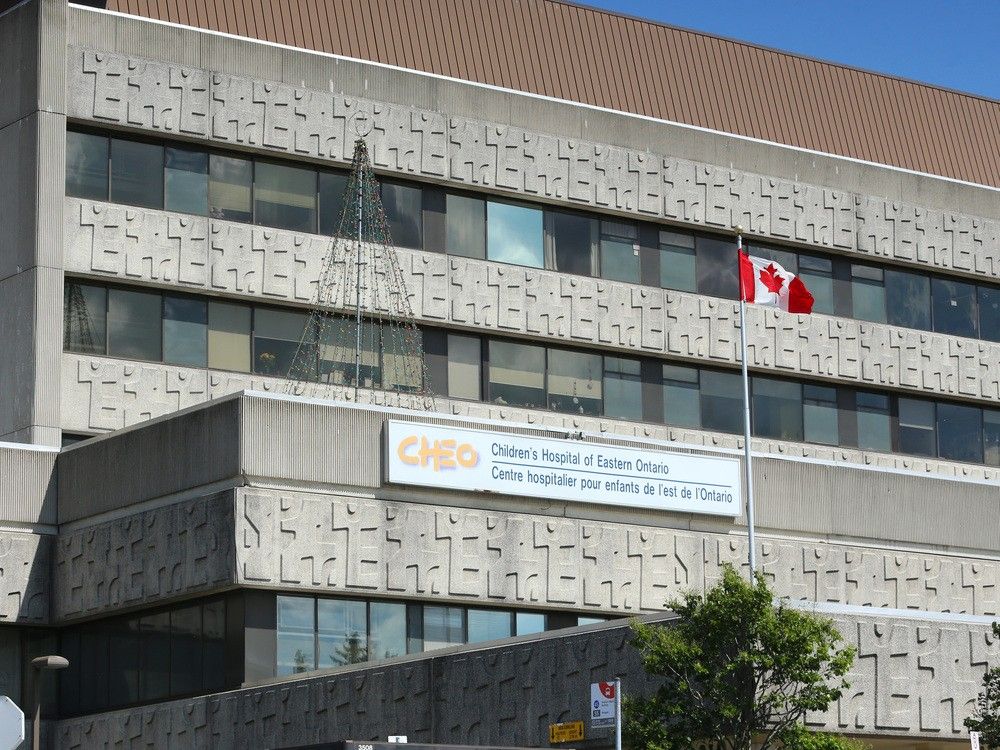
“We are hoping those 17 words will equal hundreds of millions of dollars for children’s health in Ontario,” CHEO President and CEO Alex Munter said.

Article content

The words: “Every child in Ontario should be able to get the care they need, when they need it,” were contained in Thursday’s Ontario budget.

Advertisement 2

Article content

Although there were no specifics attached to those words, Munter and other pediatric health leaders are optimistic they represent a response for their call to “right-size” children’s health care with funding that meets population growth and needs.

The Children’s Health Coalition, which includes CHEO and other pediatric health institutions across Ontario, released a comprehensive plan last fall to eliminate backlogs in care in children’s hospitals, child and youth mental health agencies and children’s rehabilitation centres, which have long been underfunded, according to officials.

That plans calls for an investment of $357 million annually over the next four years to ensure children have timely access to the health services they need.

Currently in Ontario, more than 8,300 children are waiting for surgeries, 9,500 children are waiting for ambulatory clinic visits and 28,000 children are waiting for mental health treatment. Meanwhile, children’s hospitals are seeing two and a half times as many emergency visits for eating disorders as they did before the COVID-19 pandemic.

Advertisement 3

Article content

Munter said the government’s commitment to invest in children’s health care was “pedianomics in action and will pay dividends for generations to come.”

Children’s health officials hope to meet with provincial officials as soon as this coming week to hammer out details.

“I think it is a recognition that, in most parts of Ontario for most types of care, kids wait longer than adults for that care and that is something that needs to be fixed,” Munter said.

CHEO has already received an increase in some permanent funding from the province. More permanent funding for acute care beds, among other investments, came through while the hospital was dealing with an unprecedented respiratory viral surge last fall, overwhelming its resources.

CHEO now has 19 additional critical-care beds with eight mental health beds coming on line this year.

“We are making progress, but we have a lot of work to do,” Munter said.

Among other things, children’s health funding has not kept up with population growth. Within CHEO’s catchment area, the population of children and youth has grown at nine times the provincial rate.

Advertisement 4

Article content

The Make Kids Count action plan calls for funding to provide timely access to acute care and an investment in innovative hospital and community programs to alleviate pressure on hospitals and make sure children receive care “in the right place and the right time.”

Munter said children’s hospitals across the province already had innovative models in place to improve access to care. Among them is a partial hospitalization program for children and youth with eating disorders, offering treatment during the day at CHEO, but allowing children to go home at night so they can connect with their families and sleep in their own beds.

“There are a lot of innovative models of care,” he said. “We have to find new and better ways to deliver care. The risk to kids of waiting too long is a risk to their development, to their health and the health of their families.”

Munter noted that the action plan amounted to less than 0.4 per cent of the provincial health budget.

“There are adequate funds to implement our plan,” he said. “We are ready to go. We are pleased to see this explicit callout in the budget saying children’s access to health care is a priority. I can’t remember a statement that clear in a budget.”

Related Stories

Article content

Comments

Postmedia is committed to maintaining a lively but civil forum for discussion and encourage all readers to share their views on our articles. Comments may take up to an hour for moderation before appearing on the site. We ask you to keep your comments relevant and respectful. We have enabled email notifications—you will now receive an email if you receive a reply to your comment, there is an update to a comment thread you follow or if a user you follow comments. Visit our Community Guidelines for more information and details on how to adjust your email settings.

Advertisement 1

Ready to right-size Ontario’s pediatric health system

0
Ready to right-size Ontario’s pediatric health system


Children's Health Coalition Statement

Children’s Health Coalition Statement

TORONTO, March 23, 2023 – The Children’s Health Coalition welcomes the Ontario government’s commitments to allocate additional funding and work with frontline pediatric health partners to identify more ways to connect children and youth to the care they need.

Today, Finance Minister Peter Bethlenfalvy tabled Ontario’s 2023 budget, Building A Strong Ontario, which includes this passage:

“Every child in Ontario should be able to get the care they need, when they need it.”

We agree. We know what needs to be done. We already have the plan. And we are ready to get to work. After decades of underinvestment by successive governments, we have a lot of catching up to do.

Children’s health service organizations will use increased investments to deliver with accountability and innovation.

Ontario’s pediatric hospitals and community partners are ready to implement our plan so kids and families see the results quickly.

Quotes

  • “Children and youth across the province are waiting too long for vital health-care services. What was previously a challenge has now become a crisis, despite the best efforts of our dedicated teams across the pediatric health system. This commitment to invest from the Ontario government is a good first step in enabling system-wide improvements to ensure children and youth in Ontario receive timely, high quality health care.” – Dr. Ronald Cohn, President and CEO, The Hospital for Sick Children (SickKids)
  • “The backlogs and wait times for young people to get surgeries and so many other services have ballooned in recent years to unacceptable, and in some cases dangerous, levels. Today, the government made children’s health a priority and we are ready to put funding into action immediately so kids can get back to being kids.” – Bruce Squires, President, McMaster Children’s Hospital
  • “Every missed developmental milestone may have long-term, even life-long, effects. Rehabilitation is intrinsically linked to healthy futures that children, youth and families need and deserve. An investment in pediatric healthcare today is preventative medicine for tomorrow.” – Julia Hanigsberg, President and CEO, Holland Bloorview Kids Rehabilitation Hospital
  • “As too many Ontario families know, all too well, delaying care to kids puts their development milestones at risk. It impacts whole families and entire communities. We’re ready to put these investments to work for all.”– Nash Syed, President, Children’s Hospital – London Health Sciences Centre
  • “There is a crisis in child and youth mental health and the investments announced in today’s budget will help to stabilize the system and reduce wait times.  Investments across the children’s health system are welcome and we look forward to working collaboratively to continue to improve access to the care that kids need.” – Tatum Wilson, CEO, Children’s Mental Health Ontario
  • “Ontario’s child development providers look forward to working with the government to find ways to bring more kids into care at home, in schools and in their communities. We are ready to deliver solutions to improve kids’ health and well-being, and alleviate the stress on healthcare for all Ontarians—at every age and stage.” Jennifer Churchill, CEO, Empowered Kids OntarioJennifer Churchill, CEO, Empowered Kids Ontario
  • “We are happy to see the government acknowledge and prioritize the needs of our children.  This is a good first step towards reducing wait times so children across our province receive the care they need. We look forward to working with the government to ensure the health and well-being of children and families in our communities.”  – Lauren Ettin, Executive Director, Kids Health Alliance
  • “Invest in kids’ health now, save for a lifetime. Every day matters in the life of a child and investing in kids’ health is good for everyone – for the individual and for the system. Today’s commitment to invest is pedianomics in action and will pay dividends for generations to come.” – Alex Munter, President and CEO, CHEO

Key Facts: Pandemic Impacts on Children’s Health and Access to Care 

  • 4200+ surgeries cancelled at children’s hospitals March 1, 2020 – May 31, 2021
  • 209,000+ non-surgical appointments cancelled at children’s hospitals March 1, 2020 – May 31, 2021
  • 90,000 kids are waiting for child development and pediatric rehabilitation services at home, in schools and in the community.
  • 2.5x increase in eating disorder emergency visits
  • 28000+ kids are waiting for diagnostic imaging
  • 31000+ kids are on wait lists for ambulatory services
  • 8300+ kids are waiting for surgeries
  • 9500+ kids are waiting for ambulatory clinic visits
  • 28000+ kids are waiting for mental health treatment
  • One in nine kids has a disability.
  • In many regions of Ontario, only 1 in 3 kids receives community-based child development services within the clinical standard time.
  • Kids are waiting three years or more for speech and language therapy.
  • Before the pandemic, kids were already waiting two times longer than adults for health care.
  • During the pandemic, 300,000 babies were born in Ontario. Without urgent action in the early years – where it can make the most difference – an unprecedented wave of kids will hit the school system in the next few years who have never had the support they needed to succeed and thrive.
  • Every kid who didn’t get help from a speech pathologist, physiotherapist, neurologist or other pediatric professional will arrive at school already behind where they should be. This will hit schools hard – and won’t just affect the kids who, by then, will need extraordinary accommodation from the school system – but every other child and teacher in the classroom.


The Children’s Health Coalition

The Children’s Health Coalition is a network of partners committed to advancing excellence and expertise in pediatric care – leading to better outcomes and a high-quality, consistent and coordinated approach to healthcare that is centered around children, youth and their families.

The Coalition includes:

  • CHEO
  • Children’s Mental Health Ontario
  • Empowered Kids Ontario
  • Holland Bloorview Kids Rehabilitation Hospital
  • Kids Health Alliance
  • London Health Sciences Centre Children’s Hospital
  • McMaster Children’s Hospital
  • SickKids

The coalition developed the Make Kids Count Action Plan representing a detailed analysis from the 115 cross-sectoral organizations that are represented within the Coalition. This analysis identified a need for an annual investment of $357 million each year for the next four years to ensure timely access to health care as part of system recovery, to ensure hospital capacity, and to ensure community providers can meet the urgent needs of Ontario’s children.

– 30 –

Province’s $330 million investment in kids’ health will help MCH free up hospital beds

0
Province’s 0 million investment in kids’ health will help MCH free up hospital beds


Hamilton Health Sciences will dedicate a portion of new provincial funding to its Same Day Overnight unit at our McMaster Children’s Hospital.

Advocacy work led by a coalition of children’s hospitals, including Hamilton Health Sciences (HHS)’ McMaster Children’s Hospital (MCH), has resulted in an investment of $330 million each year by the Ontario government to expand children’s health care across the province.

“Our teams will now have access to expanded resources to enhance what they do best: provide expert care and help young people flourish.” — MCH President Bruce Squires

“As a full-service children’s care provider, our hospital takes a whole-child approach to specialized treatment and service delivery,” says MCH President Bruce Squires. “We recognize and appreciate that these government investments span the spectrum of young people’s health and well-being, supporting acute, surgery, developmental, rehabilitation, and mental health.”

This historic investment was the direct result of the Make Kids Count campaign, launched by the Children’s Health Coalition in the weeks leading up to the June 2022 provincial election to encourage significant investment in children’s health recovery.

Made-at-HHS solution

Hamilton Health Sciences will dedicate a portion of funding to its Same Day Overnight (SDO) unit at MCH. The SDO unit is for patients who have surgery, stay overnight for monitoring and return home early the next morning to recover.

The new Same Day Overnight unit should minimize risks of surgeries being postponed.

“SDO patients require overnight care, but don’t need a full hospital admission,” says Caroline Dunnett, director of perioperative support services for HHS. Typical reasons for a patient needing an SDO bed might include pain management or monitoring underlying health issues.

SDO is an established program at our Hamilton General Hospital and Juravinski Hospital sites, which both serve adult patients. An SDO unit opened at MCH in the spring, with six beds. The new provincial funding will allow MCH to continue to provide this important care to our pediatric patients, says Dunnett.

In the past, children needing to be monitored overnight were admitted to hospital, where the discharge process can take longer. This, in turn, slowed down the process for admitting patients needing beds for longer stays.  “Unfortunately, a child’s surgery could have been postponed if there was not an admitted bed available,” says Dunnett. The new SDO should minimize risks of surgeries being postponed.

“It’s really about providing the right level of care to each patient,” says Dunnett, adding that SDO patients are typically discharged early in the morning, around 7 a.m. “Our SDO unit gets kids home to their families, where they can recover best.”

Make Kids Count Campaign

The Children’s Health Coalition is a collective of children’s health organizations across the province, including MCH. Other partners are the Children’s Hospital of Eastern Ontario (CHEO), Children’s Hospital – London Health Sciences Centre, Children’s Mental Health Ontario, Empowered Kids Ontario, Holland Bloorview Kids Rehabilitation Hospital, Kids Health Alliance and Toronto SickKids.

The coalition focused on how the pandemic has negatively impacted children’s health and exacerbated pressures in the children’s health care system and called on the newly elected provincial to make significant, immediate investments in children’s health.

Children across Ontario have been waiting longer than adults for critical health care services. In fact, close to two-thirds of patients at Ontario’s children’s hospitals had already passed the clinically recommended wait time for their surgery.

$330 million investment

The July 19 funding announcement will allow children’s hospitals and community-based providers across the province to expand services and reduce wait times for essential children’s health care services, including surgeries, procedures, diagnostic imaging, mental health treatment, and child development and rehabilitation. This will allow providers to run more operating rooms, open more beds, expand clinics, hire more staff, and, perhaps most importantly, deliver more innovative programs in partnership.

The announcement is a turning point for the hundreds of thousands of children across Ontario waiting for care. This expansion of children’s health care is a critical step towards right-sizing the pediatric health system to meet the needs of Ontario’s almost three million children and their families. Not only will this lead to better access to the right care at the right time and place, but it will also prevent further complications and challenges down the road, leading to better outcomes for an entire generation.

Preoperative Algorithm Might Halve Unnecessary Oophorectomies in Children

0
Preoperative Algorithm Might Halve Unnecessary Oophorectomies in Children

A new algorithm appeared promising to help reduce the number of unnecessary oophorectomies in young patients, researchers found.

At 11 children’s hospitals implementing the algorithm, the percentage of oophorectomies for benign disease decreased from 16.1% before adopting the risk predictive tool to 8.4% afterward (absolute risk reduction 7.7%, P=0.03), Peter Minneci, MD, MHSc, of Nemours Children’s Health in Delaware Valley, Delaware, and colleagues reported in JAMA.

Algorithm sensitivity for identifying benign lesions in the intervention cohort was 91.6% (95% CI 88.5-94.8), with specificity of 90.0% (95% CI 76.9-100), positive predictive value of 99.3% (95% CI 98.3-100), and negative predictive value of 41.9% (95% CI 27.1-56.6).

“Nationally, there was variability in the surgical procedures being performed in young girls who presented with ovarian masses across children’s hospitals,” Minneci told MedPage Today. “This study developed and implemented a consensus-based, preoperative risk stratification algorithm across pediatric surgical specialists who treat these patients, including pediatric surgeons and pediatric and adolescent gynecologists.”

“Algorithm use decreased variability in care and safely minimized the number of unnecessary oophorectomies for benign ovarian lesions,” Minneci added.

As evidence that many children are getting unnecessary oophorectomy, Minneci’s group pointed to the wide range in ovary-sparing surgery (OSS) rates, accounting for anywhere from 18% to 77% of procedures for benign ovarian neoplasms in kids.

“Oophorectomy can lead to premature ovarian failure, early menopause, and associated increased risks of cognitive impairment, osteopenia, impaired sexual health, and cardiovascular disease,” they added.

“Furthermore, patients with benign ovarian neoplasms are at increased risk of developing a contralateral second neoplasm. This may result in unintentional castration due to potential contralateral torsion or surgical castration if oophorectomy is ultimately required for malignant disease,” Minneci and coauthors continued. “Preoperative risk stratification through a comprehensive evaluation including history and physical examination, imaging studies, and serum tumor markers is critical to help identify lesions that are likely to be benign and appropriate for OSS.”

Their study comprised 519 kids and adolescents ages 6 to 21 years (median around 15) who were undergoing surgery for an ovarian mass in an inpatient setting at 11 children’s hospitals in the U.S. between August 2018 and January 2021.

The first 6 months of that period entailed preintervention assessment, followed by 6 months of intervention adoption and 18 months of intervention use. There were 96 patients in the preintervention phase, 105 in the adoption phase, and 318 in the intervention phase.

The algorithm directed patients to OSS if they had no suspected torsion and a symptomatic simple or hemorrhagic cyst that was unresolved or a complex mass with negative tumor markers and no concerning features.

All patients underwent an operation: 273 OSS, 43 oophorectomy, and two detorsions without additional intervention.

Benign disease was confirmed in 96.9% in the preintervention cohort and 93.7% in the intervention group.

Misclassification of patients with malignant disease as eligible for OSS occurred in a “low” 0.7% of patients after adoption of the algorithm (two of 275), “both of whom had immature teratomas that were completely excised without oophorectomy and without subsequent symptoms, ipsilateral or contralateral recurrence, or need for additional operations,” the researchers noted.

Among 318 patients in the intervention group, 174 presented with suspected torsion, one of whom was pregnant and underwent urgent detorsion with OSS, and two of whom underwent detorsion alone, the researchers reported.

Among the 165 cases presenting with suspected torsion with benign masses confirmed on pathology, unnecessary oophorectomies were performed in nine cases, with pathology revealing mature teratoma in five, mucinous tumor in two, and cyst in two.

Of 144 patients without suspected torsion, 54 had radiographically simple or hemorrhagic cysts and 90 had complex masses (85 with concerning features).

Algorithm adherence during the intervention phase was 95.0%, and fidelity was 81.8%. The most common reason for deviation was failing to evaluate tumor markers or evaluating an incomplete panel.

“One very encouraging finding was the high adherence with the algorithm, which suggests that the providers readily adopted and were able to use the algorithm,” Minneci said. “This algorithm can be readily adopted into practice and provides a simple way to decrease variability in care and safely promote ovary-sparing surgery for young females who present with ovarian masses.”

At the same time, there were several limitations of the study.

First, clinical practice at participating sites started to change during the planning of the study such that the percentage of unnecessary oophorectomies decreased from an expected 27% to 16% in the preintervention cohort, Minneci and colleagues wrote.

Additionally, results of the study may not be broadly generalizable, they noted, since it was performed at tertiary children’s hospitals with pediatric surgical subspecialists.

“Future studies are needed to determine barrier to algorithm adherence and adoption,” Minneci and colleagues concluded.

  • author['full_name']

    Jennifer Henderson joined MedPage Today as an enterprise and investigative writer in Jan. 2021. She has covered the healthcare industry in NYC, life sciences and the business of law, among other areas.

Disclosures

The study was supported by a grant through the Thrasher Research Fund.

Minneci had no disclosures. Co-authors reported receiving honoraria from the American College of Obstetricians and Gynecologists; receiving grants from AbbVie, the Patient-Centered Outcomes Research Institute, the Agency for Healthcare Research and Quality, and the National Institute on Minority Health and Health Disparities; and owning stock in FlexDex.

Primary Source

JAMA

Source Reference: Minneci PC, et al “Reducing unnecessary oophorectomies for benign ovarian neoplasms in pediatric patients” JAMA 2023; DOI: 10.1001/jama.2023.17183.

Hospital backlogs in pediatric care could affect children’s health for the rest of their lives

0
Hospital backlogs in pediatric care could affect children’s health for the rest of their lives

Open this photo in gallery:

A surgery is performed in the operating room at Toronto’s Hospital for Sick Children on Nov. 30, 2022.Chris Young/The Canadian Press

Two-thirds of pediatric patients in need of surgery at two of Ontario’s largest children’s hospitals are being forced to wait beyond the recommended window as a result of backlogs and inadequate resources, putting them at risk for lifelong complications and setbacks.

At Toronto’s Hospital for Sick Children, the surgical wait list soared to 6,509 last week, the longest it has ever been. Sixty-seven per cent of those on the list have been waiting beyond the recommended window for surgery, which can lead to deteriorating health and make the eventual surgery riskier.

“It’s hard to overstate the gravity of the situation and the difficulty for children to access surgical care,” said Simon Kelley, the associate chief of perioperative services, clinical and ambulatory, at SickKids. “That used to be a never event. We never used to have kids waiting that long.”

At McMaster Children’s Hospital in Hamilton, about 2,300 pediatric patients are waiting for surgery, with two-thirds already outside the recommended window. Hospital president Bruce Squires said those figures are “the tip of the iceberg,” as another 2,000 kids are waiting to have their first appointment with an ear, nose and throat surgeon just to get on a surgical wait list.

Mr. Squires said the massive delays in timely access to health care represent a “tragic loss.”

“There are intervention windows that are critical in a child’s development. If you recognize early and put in place the interventions that we know work, then you can minimize the long-term impact or even the short-term and the medium-term,” he said.

For instance, when children are forced to wait years for spinal surgery, their spines become more crooked, which makes the surgery more complicated and increases the risk. Those patients are also more likely to miss important developmental milestones, Dr. Kelley said.

The situation is just as dire in other parts of the country. Dafydd Davies, a pediatric and thoracic surgeon and chief of the department of surgery at the IWK Health Centre in Halifax, said there are 2,500 pediatric patients waiting for surgery at his hospital and that 30 to 40 per cent are beyond the recommended window.

But it’s not just surgery backlogs causing delays in timely care for children and adolescents. Pediatric facilities across Canada say they are grappling with a variety of challenges, including years-long waits for developmental assessments, used to diagnose autism, ADHD, fetal alcohol spectrum disorders and other conditions, and excessive delays in accessing specialty clinics, diagnostic scans and mental health services.

Carrie Dornstauder, the executive director of the maternal and children’s provincial programs for the Saskatchewan Health Authority, said the wait list for pediatric subspecialty care, such as respirology or gastroenterology, ranges from two to four years. While the most urgent cases are seen on a priority basis, the current state of the system means many children are left to wait too long, she said.

“Child health indicators have a very defined window of time. We need to address those,” she said.

At CHEO in Ottawa, there are almost 36,000 patients waiting to be seen at the hospital’s more than 70 medical specialty clinics, and about two-thirds of those are beyond the recommended window for care. The clinics with the biggest wait lists include ophthalmology, neurology and urology. The hospital has another 4,500 patients waiting for diagnostic imaging, with 56 per cent waiting longer than recommended. Some 2,180 are waiting for surgery, 44 per cent of them beyond the recommended window.

“We’re talking about pediatric health interventions that can change the trajectory of an entire life,” said Alex Munter, the president and CEO of CHEO. “So that’s why we feel an enormous sense of urgency about it.”

According to Children’s Healthcare Canada, pediatric facilities have been grappling with these issues for years because they haven’t had the proper funding to meet the needs of patients, said Emily Gruenwoldt, the advocacy association’s president and CEO.

Dr. Kelley said the SickKids surgical wait list demonstrates why pediatric facilities need more resources. The hospital performs about 12,000 surgeries every year and was able to maintain that number throughout much of the pandemic. But the backlog is growing because the hospital isn’t able to scale up to meet the needs of patients in a more timely way.

“We are at full capacity, yet the wait list is still rising,” Dr. Kelley said. “What we need is a significant increase in resources to be able to bring the wait list down.”

McMaster’s wait times to see a developmental pediatrician, who can assess patients for autism, fetal alcohol spectrum disorders and other neurodevelopmental conditions, are also bleak. Those pediatricians can see about 750 new patients a year, and about 2,000 are on the wait list, which means that every year another 1,250 names go on the list.

“It’s building and building and building and getting worse and worse,” Mr. Squires said.

Earlier this year, the federal government promised $2-billion to address the crisis in children’s health care, but so far only Ontario and Nova Scotia have committed to spend those funds on the pediatric system, said Ms. Gruenwoldt. But more money and resources are needed to address the problems facing the pediatric health care system over the long term, she said.

Children’s Healthcare Canada is pushing the federal government to create a position dedicated to overseeing children’s health across the country. Ms. Gruenwoldt said the system needs a leader with national oversight who can address the ongoing problems and ensure solutions get implemented.

“We need to wrap our arms around how we deliver more accessible care,” she said. “We need to set some targets, timelines and goals.”

UCalgary breaks new ground in transformative partnerships for child health | News

0
UCalgary breaks new ground in transformative partnerships for child health | News

A revolution in child health and wellness is underway at the University of Calgary. The One Child Every Child (OCEC) initiative is set to rewrite Canada’s narrative in child-health outcomes. This ambitious initiative is more than an investment in research; it’s a profound commitment to every child’s right to optimal health and the brightest possible future. 

Despite Canada being one of the wealthiest nations, UNICEF ranked it 30th out of 38 wealthy nations in child health-and-wellness outcomes in 2020. This alarming statistic sparked a response from UCalgary, leading to the creation of the OCEC initiative.  

Collaboration for a better future 

This groundbreaking initiative is backed by a robust $268-million investment, including the largest research grant ($125 million from the Canada First Research Excellence Fund) in UCalgary’s history. This funding, coupled with unprecedented contributions from partners and donors, amplifies the initiative’s potential to dramatically enhance children’s lives. 

“This transformational national investment in child health and well-being will allow us to develop new diagnostic tools for Canadian hospitals and build national training platforms for health-care professionals,” says research lead Dr. Susa Benseler, MD, PhD, director of the Alberta Children’s Hospital Research Institute (ACHRI) at UCalgary. 

The OCEC initiative thrives on collaboration, inclusivity and resourcefulness. It unites researchers, health-care providers, equity-deserving communities, educators, and national partners from Indigenous and non-Indigenous communities, forming a holistic, transdisciplinary network dedicated to advancing child health and well-being. 

“We are passionate about better meeting the needs of the children we serve. Relationships, partnerships, people … they are the heart of One Child Every Child,” says Benseler.  

Through UCalgary, 132 organizations across 25 countries, including UNICEF, Children’s Healthcare Canada, the Alberta Children’s Hospital Foundation and the Azrieli Foundation are on board. Additionally, more than 250 unique health-delivery organizations have joined the cause, forming a powerful global alliance for children’s health. 

“This level of collaboration is a very unique thing because we’re saying that we, together as a group, as a community, are committed to a better future for one child … and every child,” says Benseler. “We are setting out to change our society in a way that children can thrive.” 

Addressing one of society’s biggest challenges 

OCEC focuses on three strategic areas: Better Beginnings, Precision Health and Wellness, and Vulnerable to Thriving. Each area is a vital piece of the puzzle, contributing to a comprehensive approach to child health that is primed to create lasting societal benefits. 

The initiative arose from a dynamic partnership with the Women and Children’s Health Research Institute at the University of Alberta. “Collectively, we represent the largest and most productive concentration of child-health researchers in Canada,” says Dr. Benedikt Hallgrimsson, PhD, deputy director of ACHRI and co-author of the scientific strategy for OCEC.

“As we make scientific discoveries, we will work with our partners to implement those findings and overcome barriers to optimal child health.” 

Strategy 2 of UCalgary’s new strategic plan, Ahead of Tomorrow, emphasizes the role of research and innovation in addressing society’s biggest challenges. The OCEC initiative embodies this strategic vision, demonstrating how research can fuel real-world impact, provide invaluable experience for students, foster innovative discoveries for scholars and facilitate meaningful collaborations with community partners.  

“Data and discoveries from our research will be shared with policy-makers and partners to guide decisions with the potential for the biggest impact,” says Dr. William Ghali, vice-president (research). “Embedding research in all that we do enhances our ability to change the world.”  

As UCalgary steps forward with the One Child Every Child initiative, it’s clear that this is about more than research — it’s about committing to a future where every child has the chance to thrive. By focusing on the youngest members of our society, UCalgary is not only changing the face of research, but also shaping a healthier, brighter future for all. 

“One Child Every Child is not about showing that one group is better than the other, but that, together, we are so much better than individual buckets of excellence,” says Benseler. “It’s not surprising that it comes out of the University of Calgary, because that’s who we are. That’s what we do; we think outside the box.”