Home Blog Page 30

quip Launches Custom-Fit Mouth Guards and Whitening Solutions

0
quip Launches Custom-Fit Mouth Guards and Whitening Solutions


Today, quip, the modern oral health company that offers everything you need to keep your mouth healthy, is launching custom-fit Night Guards, Sports Guards, and Whitening solutions to provide professional-grade solutions for consumers in the comfort of their homes.

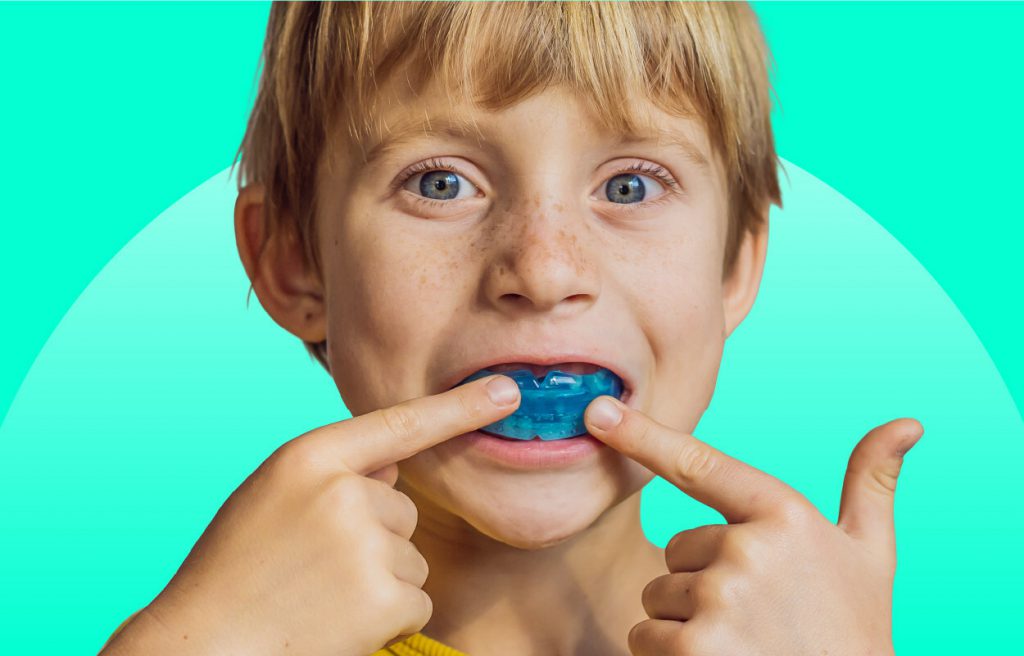
quip Sports Guards

All three products are custom-fitted to the user’s mouth, and the process is easy. Users will simply take detailed impressions at home, mail them back, and quip will send the user a custom Night Guard, custom Sports Guard, or Whitening Kit (including custom trays and a 14-day treatment supply) along with a protective storage case. The impression materials are included in each Custom Care Kit, and shipping is covered by quip. Additionally, the impression trays are BPA-free, latex-free, and FDA-approved.

“Consumer research shows there is strong demand for professional-grade services such as whitening and molded night and sports guards,” said Dr. Jeffrey Rappaport, chief dental advisor at quip. “With quip’s simple, three step process, people all over the country can use professional-grade oral care solutions for lower prices and without leaving their homes. I’m excited to recommend these services to my patients.”

quip Night Guards offer a solution to minimize the effects of teeth grinding and clenching in two lining options: Hard or Hard-Soft. quip Sports Guards provide protection to lower the risk of sports related teeth injuries.

With the quip Whitening Kit, users can choose from a daytime or nighttime treatment. The quip Whitening Kit is proven to whiten teeth up to 63% after the 14-day treatment and proven to show a brighter smile after just one day of treatment.1

Pricing breakdown for quip’s professional-grade solutions:

  • Whitening Kit: $199 with subscription, then $49 refills every six months.
  • Sports Guard Kit: $159 with subscription, then $99 for new guards every six months.
  • Night Guard Kit: $159 (Hard, or +$10 for Hard-Soft) with subscription, then $99 for new guards every six months.

quip recommends refills and new guards every six months and offers free shipping with a subscription.

For users interested in multiple Custom Care products, they can save $30 when they subscribe and get $60 off every additional kit using the same impressions.

For more information, visit getquip.com/customcare or download the free quip app.


About quip

quip is a modern oral health company launched in 2015 that provides thoughtfully designed personal oral care products and professional dental care services through a digital platform that makes maintaining good oral care health more simple, accessible, and enjoyable. quip’s current personal care offerings include the American Dental Association-Accepted (ADA seal) rechargeable and battery powered Adult and Kid Electric Toothbrushes, Smart Brushes, Refillable Floss Pick and String, Refillable Mouthwash, Gum, Mints, as well as its award-winning portable Water Flosser.

All products are designed to drive good oral care habits, while keeping products fresh and effective with a quarterly refill delivery service. quip’s professional platform which currently includes quip Virtual Care services and quip Aligners, is part of quip’s vision to connect personal care, oral health monitoring and professional care in one end-to-end digital oral care companion app that helps manage all your oral care needs, while guiding and incentivizing good oral care habits. Since launch, quip has sold more than 50 million products with millions of those users digitally connected and enrolled in a subscription plan that keeps brush heads and other refills replaced on the recommended quarterly schedule for maximum effectiveness. quip was co-founded by Simon Enever and Bill May.

Click here to learn more.


1 In a lab setting measured in VITA® Bleachedguide 3D Master in vitro. Data on file.

What Happens if You Masturbate Too Much?

0
What Happens if You Masturbate Too Much?

HAVE YOU BEEN NOTICING that your masturbation habits have become more frequent than usual? Maybe you’ve recently become single, started a new gig working from home, or opted for more nights at home on the couch because the weather’s getting colder. Whatever your motivation is for jerking off, know that there’s no reason to be ashamed of masturbating. It’s human nature to seek pleasure!

Unfortunately, masturbation doesn’t exactly have the best rep. Society has ingrained it into our minds that masturbation is only for teenage boys who just discovered porn—not grown men with sexual experience. (The truth: masturbation is for everyone!) So it makes sense that when you find yourself jerking off more often, you might start to worry that you’re masturbating too much.

Am I masturbating too much?

Let’s make on thing clear off the bat: the days of being shamed out of masturbating are over! We’ve moved past the ridiculous notions that too much masturbation can cause memory loss or blindness (did anyone ever really believe that one?). Science has found that pleasuring yourself is actually good for your health. In fact, studies have shown that more frequent ejaculation can have a positive impact on your immune system, heart health, and mood.


There’s also no such thing as “normal” when it comes to how often you jerk off. According to a 2023 survey published in Springer Nature, 35.9% of men reported masturbating at least once a week over the past year. Very few studies have been done on what frequency looks like beyond that. “Some people masturbate more than others,” according to the International Society for Sexual Medicine. “There is no ‘normal’ frequency. Some do it daily, some weekly, and some rarely. Some never do.”

But, just like eating too much fiber can back you up, or spending too much time with a loved one can stir up a fight, excessive masturbation can be an issue—but only if it feels like one (i.e., it’s interfering with your everyday life).

“However often you masturbate, it’s not a problem until it starts affecting your life in negative ways,” says Dan Drake, MFT, LPCC, a certified sex addiction therapist and clinical counselor.

Signs of Excessive Masturbation

When does a harmless masturbation habit turn into an issue? Here are the physical and psychological signs that you may need to give your boner a bit of a breather.

1) You hurt yourself.

Some guys masturbate so often that they actually hurt themselves, says Tobias Köhler, M.D., a urologist at Southern Illinois University. These injuries could be mild (e.g., skin chafing) or a more serious condition like Peyronie’s disease, or scar tissue buildup in the shaft of your penis that can result from using too much pressure while stroking, Köhler explains.

This may sound obvious, but if you’re masturbating so often that you’re hurting yourself, you need to cut back, he warns.

2) Your job suffers.

If you can’t complete a work task because you can’t stop thinking about masturbating, that’s when it becomes an issue. If you’re consistently watching porn at work or are you’re late to a meeting because you were masturbating in the bathroom, then you likely have a problem.

3) Your friendships suffer.

Do you cancel on friends because you’d rather stay home and masturbate? Are they getting annoyed by your constant flakiness? Then your masturbation habits could potentially be an issue.

We want to be clear: There’s nothing wrong with reserving a night to get down with yourself. That’s all well and good, and in fact, feel free to mark that in the calendar now! The cause for concern is when your need to jerk off has a clear negative effect on your relationships.

4) Your sex life suffers.

Some guys who masturbate a lot use one specific type of stimuli—say, certain categories of porn coupled with specific hand movements. When it comes time for them to actually have sex, they find that they can’t recreate the same type of excitement, Dr. Köhler explains.

Basically, if you watch the same porn or use the same hand motions every time you masturbate, it teaches your brain and body to get off that way and that way alone. If you’re having sex with a real-life partner, this could cause serious problems, both in terms of keeping it up and getting erect in the first place. “If that happens, you have a problem that needs to be addressed,” says Köhler.

5) You always think about masturbation.

You wake up wanting to masturbate. At lunch, your mind wanders to your favorite porn scene. Your commute home is almost unbearable, because you just want to sit on the couch with a beer and PornHub.

If any of this sounds familiar, and you often find yourself distracted by thoughts of when or how you’re going to yank it next, that’s a strong indication you have a problem, Drake says.

6) You masturbate at inappropriate times, or in inappropriate places.

When constantly thinking about masturbation turns into doing it in places you shouldn’t, it’s time to evaluate your relationship with self-pleasure. You might be losing control of your habits if you find yourself skipping work to jerk off (or doing it at work), sneaking away at family functions, or doing it in public. This kind of behavior can interfere with your career and relationships, and even get you arrested.

If you realize you have a masturbation problem, what should you do about it?

“There’s nothing unhealthy or problematic with masturbating,” Drake says. “But if it becomes detrimental to your life, then you need to treat it like you would any other harmful habit.” That means doing one of two things: a) cutting yourself off cold turkey, at least for the time being; and b) adopting more of a “harm reduction” approach by setting limits for yourself—for example, making a rule to only masturbate at night.

Considering you probably don’t want to give up solo orgasms for the rest of your life—masturbation is, after all, an integral part of any healthy sex life—you’ll probably want to opt for the latter approach. Set rules for yourself and see if you can adhere to them. If you can’t, and you find yourself slipping back into harmful old habits, consider seeing a therapist, as there might be a deeper psychological issue at play.

Bottom line? Indulging in a little self-love every now and then is fine. It’s only when it gets in the way of your actual life—or your actual sex life—that it becomes a problem. But if it’s not negatively interfering with anything, then go ahead and masturbate to your heart’s content!

Headshot of Melissa Matthews

Health Writer

Melissa Matthews is the Health Writer at Men’s Health, covering the latest in food, nutrition, and health.

Headshot of Cori Ritchey

Cori Ritchey, NASM-CPT is an Associate Health & Fitness Editor at Men’s Health and a certified personal trainer and group fitness instructor. You can find more of her work in HealthCentral, Livestrong, Self, and others.

What To Eat When You Have COVID, According To Experts

0
What To Eat When You Have COVID, According To Experts

Ugh, you’ve tested positive for COVID and feel like a fatigued slug. Can you eat your way to feeling better? While there’s no magic bullet that will cure you of COVID, doctors and dietitians say the best medicine is a healthy body to help fight the infection.

Wondering what to eat when you have covid? If you’re suffering from symptoms, such as nausea, loss of taste and appetite, diarrhea, and sore throat, you can soothe yourself with nourishing foods. Not sure which ingredients are best (and worst)? Consider this your COVID meal plan.

Meet the Experts: Samantha Nazareth, MD is a board-certified gastroenterologist and member of the Women’s Health Advisory Board. Cara Anselmo, MS, RDN is a New York State-certified dietitian nutritionist with more than 15 years of experience working with patients and clients. Valerie Agyeman, R.D., is a dietitian and host of women’s health podcast, Flourish Heights.


What are the best foods for COVID recovery?

Liquids. Samantha Nazareth, MD, a gastroenterologist, recommends staying hydrated. That could be with water, but also broths and non-dairy soups. “Hydration is essential,” agrees New York City nutritionist Cara Anselmo, MS, RDN. “So for a lot of us that means at least two liters of water or other fluids a day.”

Lean proteins. If your stomach can tolerate it, Dr. Nazareth suggests having chicken, fish, lentils, beans, or tofu.

“Protein helps preserve lean muscle mass, which is important for strength, wound healing, and overall recovery,” according to Valerie Agyeman, R.D., dietitian and host of women’s health podcast, Flourish Heights. If your appetite is diminished, getting enough protein can help prevent malnutrition.

Antioxidant-rich foods. “Eat the rainbow for antioxidants,” Dr. Nazareth also advises. Produce in season will be the most nutrient dense (and taste the best) so load up on fruits and vegetables at their peak. In the fall and winter, reach for sweet potatoes, carrots, pumpkin and other squash, cranberries, pomegranates, and apples.

Vitamin C. “This vitamin is a powerful antioxidant that helps protect cells from damage caused by free radicals,” says Agyeman. “It’s very important during an illness as the body is under oxidative stress.” Consuming vitamin C-rich produce, such as kiwis, citrus fruits, berries, and bell peppers may help enhance immunity. A recent study found that eating two SunGold kiwifruit a day for four weeks improves the function of neutrophils, a white blood cell directly involved in immune function.

Coconut water. This easy-to-digest drink is your BFF if you’re losing fluids from diarrhea or vomiting. According to Agyeman, “coconut water is naturally rich in potassium and sodium so it’s great for restoring electrolyte balance.”

chicken bone broth

JULIA GARTLAND

What to eat when you have COVID but no appetite

Loss of appetite is a common symptom of COVID. “Stick with bland food,” Dr. Nazareth advises. “Think BRAT diet (bananas, rice, applesauce, and toast).” These low-fat, low-fiber foods are easy to digest and gentle on the tummy.

“In terms of food and drink preferences, there are two camps,” Anselmo explains. Some find comfort in foods that are dry, salty, and bland. “So plain saltine crackers can be really soothing,” Anselmo says. While others find relief in foods that are cool, sweet, and refreshing, such as vanilla yogurt and fresh fruit. Anselmo says many of her clients faced with no appetite find watermelon really appealing.

For gastrointestinal distress, “ginger tea and ginger candy can make the nausea a little bit more low key,” Anselmo adds. “It’s not going to get rid of it entirely but ginger can be a helpful natural remedy.”

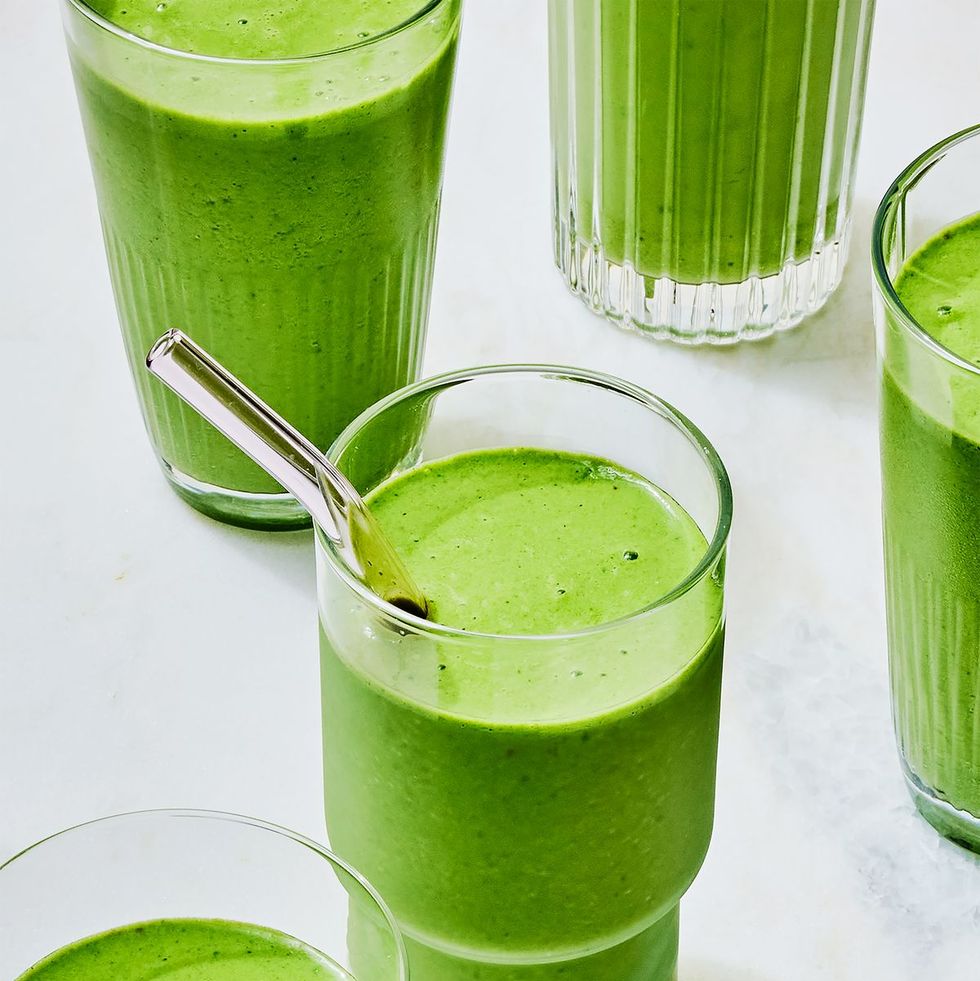
Another feeding strategy when you don’t feel like eating is to ingest just small amounts at a time. “Don’t force yourself to necessarily sit down and eat three big meals a day,” Anselmo cautions. If solid foods are a struggle, focus on nourishing liquids, which require minimal effort. After all, it’s much easier to sip smoothies from a straw, or soups from a bowl or mug. She does still encourage boosting these liquids with protein, but take baby steps. Maybe it’s high-protein smoothies that include soy milk or a scoop of peanut butter, or opting for protein-packed soups such as lentil or split pea.

Finding the right foods is not an exact science, however. “There’s always going to be trial and error,” Anselmo concedes. It may be frustrating for the convalescent as well as caregivers but instead of pressing the issue, try different options and take joy in small victories.

avocado spinach green smoothie

Laura Murray

What to eat when you have COVID but no sense of taste

Perhaps one of the most devastating symptoms of COVID is the loss of taste. In this case, take the nuclear option and blast your buds with flavor. Dr. Nazareth suggests spiking foods with acidity — citrus juices or even vinegar are strong and assertive. She recommends spices as another powerful taste stimulator. So go ahead and raid the spice rack; add a shake of pepper, cumin, garlic, ginger, or cinnamon to one of the recovery foods.

Water tasting bad is a common complaint among COVID sufferers, according to Anselmo. So what can you do to stay hydrated if you can’t even stomach water? “Add a little lemon juice or fresh mint if you’re drinking cold water — they can help stimulate the taste buds,” she advises. “Or try hot ginger tea and playing with the temperature of your drinks.” Anselmo says many people who’ve lost their sense of taste find it easier to drink liquids super chilled versus room temperature. When water won’t go down, she urges clients to try it icy-cold through a straw.

Electrolyte tabs or powder mixed into water can also help. “They probably don’t do anything from a health standpoint unless you have pretty severe diarrhea or are vomiting and losing a lot of fluid,” Anselmo says, “but if it helps you drink more water that’s a win.” She notes that you should steer clear of electrolyte drinks loaded with sugar or caffeine. “They’re usually not going to be your best bet in the long run.”

Find foods that smell good. “Taste and smell are closely linked,” Anselmo explains. “So if there are foods that smell enticing, try a bite of those—at least that will let you experience something even if your taste buds aren’t quite there.”

Try new things. Anselmo also advocates experimenting with flavors you’re not used to having. The novelty can be thrilling in way that promotes appetite. “It doesn’t just taste the same as everything else,” she states. And that, in and of itself, can be compelling.

What foods should I avoid if I have COVID?

Dairy and grease. So that means no pizza, for example. “Stay away from things that are greasy, fried, or fatty,” Anselmo advises. Rich foods take longer to digest and could potentially make you feel worse. “Foods that hit heavy tend to come up more or feel like they’re coming up more”—which can exacerbate nausea or reflux.

Sugar. Dr. Nazareth cautions to keep foods with added sugars to a minimum. That includes sodas, fruit juices, flavored drinks, and sweet snacks.

Processed foods. When fatigue strikes with COVID, you may be tempted to grab whatever is easiest but Dr. Nazareth wants to dissuade you from the packaged stuff, especially fast food, snack foods, frozen pizza, and cookies. These foods won’t nourish you in the way that whole, unprocessed ingredients can.

Alcohol and caffeine. Agyeman says these can result in dehydration and worsen symptoms, like fatigue or headaches. If it hasn’t been emphasized enough, “Staying well-hydrated is extremely important when you’re fighting an illness,” she says.

Miracle cure supplements. There’s a lot of supplements out there that promise to heal you, but Anselmo calls their bluff. “Most of those claims are just marketing and not actually based in science.” So don’t believe the hype, get nutrients from real food instead.

Agyeman adds that it’s essential to “eat in a way that makes you feel energized, comfortable, and supported when recovering from an illness.” She encourages you to listen to your body. “If certain foods exacerbate some symptoms, it’s best to put it on pause.”

Headshot of Susan Choung

Recipe Editor

Susan (she/her) is the recipe editor at Good Housekeeping, where she pitches ideas, parses words, and produces food content. In the Test Kitchen, she cooks (and samples!) recipes, working with developers to deliver the best written versions possible. A graduate of Brown University and a collaborator on several cookbooks, her previous experience includes stints at Food & Wine, Food Network, three meal kit companies, a wine shop in Brooklyn and Chez Panisse, the pioneering restaurant in Berkeley, California. She enjoys playing tennis, natural wines and reality competition shows.

The Big Deal About a Swimmer’s Nutrition and Eating Habits

0
The Big Deal About a Swimmer’s Nutrition and Eating Habits

The Big Deal About a Swimmer’s Nutrition

By Bailey Duran

Swimming requires massive amounts of energy, whether it’s an elite-level practice or an age group practice. Because of this high energy expenditure, swimmers need to take the right steps to replenish the nutrients lost.


According to wellness coordinator Brigette Peterson‘s research in sports nutrition, competitive swimmers can burn up to 5,000 calories in four hours, depending on the intensity of the workout. Thus, swimmers can burn approximately 40 percent of their daily energy during this time. Because of this incredible energy expenditure, proper nutrition is essential to rebuilding and recovering.

Peterson says, “Nutrition is cornerstone of every athlete’s performance, but especially a swimmer’s.”

Detrimental Nutrition Mindsets

Two common detrimental mindsets that swimmers have regarding meals fall on opposite ends of the spectrum.

The first is, “I swim hard every day so I can eat whatever I want. I’m working it off when I swim.” While it may be true that you are burning a lot of calories, you aren’t refueling with the necessary nutrients that will keep you healthy and swimming fast. Not to mention that eating loads of sugar and other processed foods will hinder your swimming and make you feel sluggish and slow.

The other mindset is: “I worked super hard in practice, so I don’t want to ruin it by eating too much. I won’t eat or will eat much less than what I probably should.” You can’t expect your body to be able to put maximum effort into a practice or a race if it doesn’t have enough fuel to do so.

It doesn’t matter how much or how hard you swim or train, you will not reach your potential without proper nutrition.

What Should Swimmers Eat?

Photo Courtesy: Joey Soraghan

You may be asking, “Well then, what should I eat?”

According to natural health and fitness expert Brue Baker, swimmers who are training intensely for more than two hours daily should eat four to seven light meals a day. Eating large meals or too much in one sitting will leave the swimmer feeling lethargic and will inhibit your performance (The Importance of a Swimmer’s Nutrition). It should also consist of foods that are easy to digest.

Carbohydrates should make up one half of a swimmer’s diet as it is the fuel swimmers need to get through that tough practice or meet. Carbs are stored as glycogen in the muscles and liver and is the fuel that our body uses throughout our day – especially during a workout. After the workout, that energy source will be running low and will need to be replaced. Some good sources of carbs are rice, cereal, pasta, potatoes, beans, peas, and lentils.

The other half of a swimmer’s meal should consist of protein, healthy fats (olive oil, nuts, avocados, and seeds), vegetables, fruit, whole grains, vitamins, and minerals.

According to the Academy of Nutrition and Dietetics, 0.5 to 0.7 grams of carbohydrates should be consumed for every pound of body weight. For someone who is 150 pounds, this adds up to about 75 grams. This should be coupled with 20 to 40 grams of protein.

Protein repairs and rebuilds the muscles after the stresses of training in addition to warding off soreness. The building blocks of proteins are amino acids, which are the main components of muscular growth and repair. Diana Goodwin of Aquamobile tells us that protein also supports and boosts the immune system as well as quenches those annoying hunger pangs that plague swimmers during practice. Some sources of protein are lean meats, fish, eggs, and low-fat dairy.

Swimmers should also drink water often to stay hydrated, sipping on their water bottles throughout the day to replenish sweat loss (yes, it is possible to sweat in the water). Many athletes don’t think about replacing electrolytes and other minerals lost in sweat, most notably sodium and potassium. While most athletes consume enough sodium in a normal diet, you can sprinkle some salt and glucose to your beverage for absorption and replenishment.

Peterson says, “A properly fueled body will result in better performance during practice and competition. Nutrition is everything.”


What to Eat the Day Before a Meet

The day before the meet, the swimmer should eat foods that are high in complex carbs and drink fluids often.

Swim England Masters advises to “eat little and often—every two to four hours to keep blood sugar levels steady and fuel muscles.” Stick to foods that you are familiar with and avoid big meals. Do not overeat – you’ll feel lethargic on race day!

Foods with Complex Carbs:
• Oatmeal
• Brown rice
• Sweet potatoes or white potatoes with skin
• 100% whole wheat bread and pasta
• Grapefruit
• Apples
• Bananas
• Blueberries
• Cantaloupe

What to Eat for Breakfast Before Practice or Meet

Fruit-Healthy-Food-Vegetables-Dairy

Photo Courtesy: Maxpixel

Even if you feel too tired or nervous to eat, you need to eat – even if it’s just a little bit.

Eating breakfast kick-starts your metabolism and helps your body prepare for what is to come while helping maximize performance and training.

Eat something light and easily digestible such as cereal, oatmeal, banana, toast, fresh fruit or yogurt. If you really lack appetite in the morning, Sport Dietitians of Australia recommends drinking a liquid meal, such as milk tetra packs or smoothies.

What to Eat Before a Practice or Meet

The swimmer should eat a high-carb meal two to four hours prior to a practice or meet. The meal should be low in fiber and fat. Examples are whole grain cereal with milk, fresh fruit or oatmeal with banana or cinnamon.

One to two hours before, the swimmer should follow up with a light snack such as fresh fruit or a sports bar.

What to Eat During a Meet

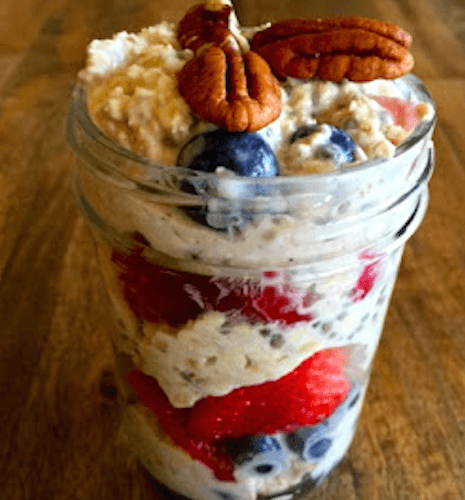
overnight-oats-food-breakfast

Photo Courtesy: Tasija Karosas

The swimmer should make sure to eat and drink between events to aid in recovery and to ward off dehydration.

If the swimmer has less than one hour between events, the snack should be light and easy to digest. Sport Dietitians of Australia recommends juice, yogurt pouches and small pieces of fresh fruit.

If the swimmer has more than one to two hours between races, they can fuel with the following: pasta, sandwiches (whole grain or whole wheat bread and organic meat) or sushi.

Bring a cooler of food so you are ready to re-fuel!

Snacks to Eat Between Races

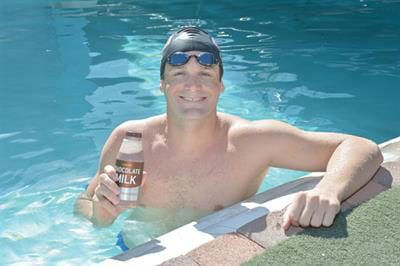
Chocolate milk

Photo Courtesy: Ben Fischer

After a race or practice, the swimmer needs to eat as soon as possible for recovery. Snacks should consist of complex carbs and proteins, not simple sugars or foods high in fat. Foods such as pasta salad, plain sandwich, bananas, grapes, apples, dried fruit (raisins, craisins, apricots, mango), cereal bars, yogurt and unsalted nuts are perfect for this.

If you can’t do solids between your races, try diluted juice with a pinch of salt, chocolate milk or a smoothie.

What to Eat After Meets and Practice

greek-yogurt-janine

Photo Courtesy: Janine, Flickr

Foods eaten after practice or a meet should contain carbs for fuel and protein for muscular repair and growth. The swimmer should also drink water to stay hydrated.

Carbs: fruit smoothies, yogurt fruit cup, fresh fruit or toast and jelly (or peanut butter with bananas).

Proteins: whole wheat pita and hummus, white meat sandwich, chocolate milk (protein and calcium to strengthen bones and feeds amino acids in the muscles), tuna salad, eggs, nuts, edamame, smoothie with dairy and omelets or fried eggs on toast.

In conclusion, perhaps Baker sums it up the best:

Swimmers – it is time to stop leaving your nutrition floating in the pool. I guarantee you that if you continue to train and implement the above swimmer’s nutrition recommendations into your diet, you will be able to swim faster and longer because of it. Don’t take your swimming nutrition for granted, it is just as important as your hours in the pool.


An easy and delicious swimmer smoothie recipe:

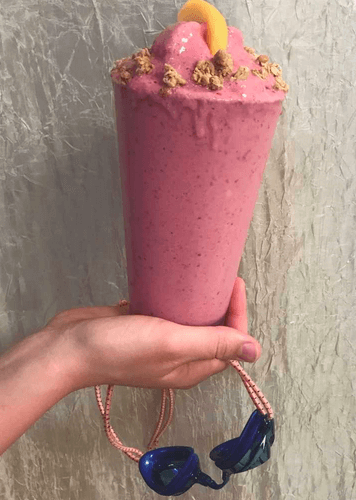
Peach Raspberry Gold Medal Smoothie

peach-smoothie

Photo Courtesy: Bailey Duran

Recipe by Victoria Duran, 15-year-old swimmer

• ½ bag of frozen peaches
• ½ bag of frozen raspberries
• 5 ice cubes
• ½ cup of vanilla Chobani non-fat Greek yogurt
• ½ avocado
• 1 scoop of whey vanilla protein powder
• ¼ cup of chopped almonds
• ¼ cup of agave nectar
• ½ cup almond milk

Blend until smooth.
Add more almond milk if needed.


For more information about foods that are in each category of the essentials for swimmers, click here.

Commentary: All nutritional research was conducted by the author and does not necessarily reflect the views of Swimming World Magazine nor its staff.

How lack of independent play is impacting children’s mental health : NPR

0
How lack of independent play is impacting children’s mental health : NPR

NPR’s Juana Summers speaks with research professor Peter Gray about the connection between the decline of children’s mental health and the decline of independent play.


JUANA SUMMERS, HOST:

We’ve been hearing a lot about the mental health crisis among children. Researchers have looked at a number of reasons, from social media use to isolation during the pandemic. But a recent commentary published in the Journal of Pediatrics looked at another factor – the decline of independent activity and play for children. Peter Gray is the lead author of that piece. For years, he’s been following the trend of declining mental health in kids and the declining levels of independent play. He joins us now. Welcome.

PETER GRAY: I’m very happy to be here.

SUMMERS: So, Peter, how is it that you and your co-author started to focus on the decline of independent play as a potential factor when it comes to the mental health crisis that we’re seeing among kids?

GRAY: Well, I’ve actually been studying play for many, many years and what play does for children, how children acquire confidence and abilities and make friends through play. And I’ve also, for a long time, been aware of the fact that over the past 50 to 70 years, there has been a continuous decline in children’s opportunities to play freely, away from adult intervention and control. So at some point, I began to put those findings together with the observation that, over this same period, the last 50 to 70 years – I mean, everybody is concerned about the most recent increase in anxiety, depression, even suicide among young people. But the mental health crisis really has long preceded COVID, and it has long preceded the internet.

SUMMERS: When you’re talking about this decline of independent play that you’re dating back to nearly half a century, do you have any sense of where the roots of that are? What changed?

GRAY: I think a lot of things changed. Television changed things. It brought kids inside, isolated them somewhat. Another thing that changed, and I think more significantly, is that over time, we began to develop the view that children develop best when they are guided and controlled by adults. This resulted in an increased amount of schooling and increased emphasis on schooling and the development of organized sports for kids and in other adult-directed activities outside of school, leaving less and less time for free play. In addition to that, beginning particularly in the 1980s, we developed a fear of allowing children to be outdoors unguarded by an adult. What was normal parenting before the 1980s of just sending your kids outdoors to play, that began to become regarded as negligent parenting because of fear that something terrible would happen to them.

SUMMERS: OK. So let’s unspool this out a little bit here. What is the connection between that less independent time and independent play that you’re describing and the declining mental health among kids that we’re seeing? How do those two things correlate?

GRAY: Play, to me and to most play researchers, is something that children do themselves. It’s not something that is organized by an adult. It’s something that – where children decide what they’re going to do and control what they’re going to do and solve the problems as they’re doing it. That’s how children develop the kinds of character traits that allow them to ultimately become independent adults. They learn that – they learn how to deal with peers without an adult intervening. They learn how to deal with minor bullying. There are always going to be bullies around.

SUMMERS: Right.

GRAY: But if you’re always protected from bullies by some adult, you’re not learning how to deal with that yourself. If we’re not allowing these kinds of things to happen with young children, they’re not learning that they can solve their own problems, they can take control of their lives. And when you believe that you cannot, then you kind of develop a victim attitude, like anything can happen at any time and there’s nothing I can do about it. And that’s an attitude that sets you up for anxiety and depression.

SUMMERS: I imagine if you’re a parent or a caregiver for a child who’s listening to this conversation, they might be asking themselves, what can I do? What are ways that I can give my child more independence, more time for that solo play that you’re saying is so important? What would you tell those people?

GRAY: So within the neighborhood, a group of parents might decide, look, let’s – every Friday afternoon, let’s all send our kids outdoors. Just send them outdoors. Leave the cellphone inside. And there’s going to be other kids out there. And maybe you have one parent out there, or ideally a grandparent, out there just for safety. And you let the kids play. It takes initiative. It’s not necessarily that easy to do, but I know of families that do that.

SUMMERS: Peter Gray is a research professor of psychology and neuroscience at Boston College. Thanks so much for being here.

GRAY: Thank you for having me.

Copyright © 2023 NPR. All rights reserved. Visit our website terms of use and permissions pages at www.npr.org for further information.

NPR transcripts are created on a rush deadline by an NPR contractor. This text may not be in its final form and may be updated or revised in the future. Accuracy and availability may vary. The authoritative record of NPR’s programming is the audio record.

MOUSTACHES NATIONWIDE UNITE TO TAKE ON MEN’S HEALTH, KICKING OFF 17TH ANNUAL MOVEMBER CAMPAIGN

0
MOUSTACHES NATIONWIDE UNITE TO TAKE ON MEN’S HEALTH, KICKING OFF 17TH ANNUAL MOVEMBER CAMPAIGN
  • MOVEMBER RAISES FUNDS AND AWARENESS FOR MEN’S HEALTH INCLUDING PROSTATE CANCER, TESTICULAR CANCER, AND MEN’S MENTAL HEALTH

TORONTO, Oct. 31, 2023 /CNW/ – Today, Movember, the leading global men’s health charity, kicks off its 17th annual campaign in Canada. Once again, moustaches will be sprouting on the faces of men across the country as they raise funds and awareness for men’s health. The annual campaign unites “Mo Bros” and “Mo Sisters” coast-to-coast, encouraging them to come together and raise awareness for some of the leading global men’s health issues:  mental health, suicide prevention, prostate cancer, and testicular cancer.

The stats speak for themselves. In Canada, 1 in 8 men will be diagnosed with prostate cancer in their lifetime, testicular cancer continues to be the most diagnosed cancer in young men, and 3 in 4 (75%) suicides are by men.

Movember may be best known for its hairy ribbon, but for those follicle-challenged (or who simply don’t want to grow), there are lots of ways to get involved. It’s easy. Sign-up at www.movember.com , create a Mo Space, choose to Grow, Move, Host or Mo Your Own Way and start raising funds and awareness for men’s mental and physical health. 

  • GROW: A Mo. At the beginning of the month, grab the razor and shave down clean. Grow your moustache for the next 30 days and wear it proudly.
  • MOVE: Commit to moving 60kms over the month. That’s 60kms for the 60 men we lose to suicide each hour, every hour across the world. Run, walk, wheel, spin, bike – get out and get active.
  • HOST: A Mo-ment- Rally a crew and do something fun. Hosting is all about having a good time for a good cause.
  • MO YOUR OWN WAY: Whether it’s a gruelling test of physical endurance or a not-so-sweaty pledge to kick a bad habit, you choose your adventure and run with it.

“At Movember, we continue to be committed to changing the face of men’s health. The harsh reality is that globally, we lose one man to suicide every minute of every day; prostate cancer is estimated to be the second most diagnosed cancer in men; and testicular cancer is the most common cancer in young men,” says Todd Minerson, Country Director for Movember Canada. “Our fathers, partners, brothers, and friends are facing a health crisis, and we can’t afford to stay silent. That’s why we’ll continue to make noise, to push boundaries, and to help shape the health and well-being of men for generations to come. Because we know that healthier men make healthier families, communities, and societies.”

WHERE DOES THE MONEY GO?
It may be in good fun, but those moustaches, movements and moments are quite literally saving lives. Since its start, Movember has been boldly pushing the boundaries of medical science, disrupting conventional approaches, and reshaping the way that health services reach and support men. Through funds raised, Movember has helped support the development of five life-extending therapies, three PET imaging radiotracers, and a revolutionary blood test – including two of the most significant medical breakthroughs in the management of advanced prostate cancer in the 21st century: scans that can detect the smallest of tumours once they have spread outside the prostate and radioactive molecules that can destroy cancer cells without damaging surrounding healthy tissue.

Movember’s commitment to men’s mental health is just as far-reaching and impactful. By funding initiatives that are focused on prevention and early intervention, Movember aims to stop the progression of mental illness, supporting men before they reach a crisis point. Their work emphasises the importance of better social connections, early recognition of poor mental health, and improved mental health discussions.

Funds raised during the month of Movember (and all year round) will go towards the continued funding of these innovative programs and research – many taking place in Canada’s own backyard. The following are only some of the Canadian-based programs Movember has actively supported in 2023:

  • In September 2023, Movember announced an investment totalling up to $5.8 million CAD in funding for researchers and/or organizations across Canada that qualify for one of four new global research grant programs, each aimed at reducing the numbers of men dying from prostate cancer and improve quality of life for those living with the disease. Read more HERE.
  • Through to 2024, Movember will continue to fund four Canadian programs that are aimed at supporting the mental health of veterans and first responders, investing a total of $1.6M. This includes the First Responder Resiliency Program based out of Loon Lake, BC. Watch here.

This campaign, Movember is thrilled to partner with the Pringles brand in Canada to drive more open conversations around men’s mental health. Pringles is generously donating $125,000 CAD to help support Movember’s commitment to fund & deliver innovative, breakthrough research and support programs for men.

For more information or to join the Movember movement today, visit www.movember.com.

Media assets including videos and imagery can be downloaded HERE.

Note to Editors:
Movember strongly encourages the inclusion of appropriate help-seeking information for stories about suicide and mental illness. For support at any time, day or night, we encourage Canadians to reach out to one of the following services: Suicide Prevention Service (Toll Free: 1-833-456-4566 – ENG, 1-866-277-3553 – FR) or the Kids Help Phone (1-800-668-6868). For more help-seeking information, visit Movember.com/findhelp. 

About Movember: 
Since 2003, Movember has built a global men’s health movement, funding more than 1,320 projects around the world, challenging the status quo, shaking up men’s health research and transforming the way health services reach and support men. Movember has taken on three of the biggest health issues affecting men: prostate cancer, testicular cancer, mental health, and suicide and over 20 years has:

  • Invested almost $350 million in over 600 biomedical research projects, focusing on prostate and testicular cancer.
  • Funded 4 prostate cancer registries, with over 200,000 men enrolled from 23 countries.
  • Supported interventions designed to assist and guide men through the prostate cancer journey, offering them resources and information so that they are empowered to make their own decisions, manage symptoms and share lived experiences.
  • Since taking on mental health and suicide prevention as a cause area in 2006, Movember has united experts, funded bold new approaches and embraced fresh perspectives. We’ve focused on prevention, early intervention, and health promotion through a male lens.

Movember is for everyone, not just for men.  We are a health movement and our invitation to take part is open to everyone. We champion healthcare that is sensitive to the needs of everyone, including men, so that everyone benefits. We have a strong focus on how improving men’s health can have a profoundly positive impact on women, families, and society. We are leading the charge in encouraging men to adopt healthy behaviours, challenging health systems and confronting gender norms to reduce health inequalities and save more lives.

SOURCE Movember Canada

For further information: Press contact: Fresh PR, Jo-Anne Stayner, [email protected], +1 604-603-0657; Movember Canada, Sonya Friesen, Public Relations Manager (Canada), [email protected], +1 613-808-1702

Julianne Hough Has Mega-Toned Abs In A Bra Top In A New IG Video

0
Julianne Hough Has Mega-Toned Abs In A Bra Top In A New IG Video
  • Julianne Hough shared an Instagram video of her Halloween costume where she is wearing a bra top and tights, and her abs are super chiseled.
  • The star loves staying active and enjoys dancing, strength training, and doing aerial yoga.
  • When it comes to her diet, she likes starting her day with lemon water, coffee, and green juice.

If there’s one thing Julianne Hough loves, it’s a moment where she can be a little extra. Whether she’s dancing with her co-stars backstage on Broadway or tearing it up in her dressing room, she’s always up to something fun.

So, it’s no surprise that when it came time for Halloween, the 35-year-old dancer showed up and showed out with an abs-bearing witchy costume that she wore on Dancing With The Stars. And Julianne dropped a video on Instagram of her transition into the costume for all her followers to see.

Before she gets dressed, she’s wearing a black bra top with a long-sleeve mesh shirt and underwear with sheer tights. The whole ‘fit puts Julianne’s mega-chiseled abs on full display. Then, the video transitions to her real costume: A black mini-dress and a cape to go with her bright red lips and overall spooky vibes.

“Season of the witch🧹🕸,” Jules captioned the reel:

Naturally, her followers and friends went crazy for the video. “EVERY WEEK YOU KILLL IT WITH THE OUTFITS,” DWTS contestant Lele Pons wrote. Professional dancer Lindsay Arnold commented, “🔥🔥🔥.”

Shop Julianne’s bra top look-alike: Airlift Line Up Bra

Shop Julianne’s bra top look-alike: Airlift Line Up Bra

Credit: Courtesy

It’s just a fact: Julianne’s abs are seriously strong. So, if you are wondering what the star does to stay toned, I have the scoop.

For starters, she is always dancing, and has been training in the sport since she was a child. Julianne’s cardio dance workouts, whether on TikTok, or just in the middle of the street, are definitely a great way to get her heart rate up.

She’s so dedicated to dance that she even launched her own dance fitness platform, KINRGY. The platform features 45-minute “high sensory activated dance method” workouts, mixing tai chi, cardio, strength training, qigong, and energy work.

And even though Julianne is busy, she always makes time to move her body. While she’s on the go, she loves doing exercise circuit with ankle weights.

It’s an easy one that anyone can do from their bedroom—it’s just: 10 donkey kicks, 10 fire hydrants with angled kickbacks, 10 angled kickback pulses, 20 hip thrusts, 10 single-leg hip thrusts per side, 10 bicycle crunches, 10 scissor kicks, and 10 straight-leg bicycle crunches.

Lucky for her social media followers, she often shares the deets of her quick at-home workouts on IG, like in this reel:

This content is imported from poll. You may be able to find the same content in another format, or you may be able to find more information, at their web site.

Of course, Jules is also a fan of aerial yoga, because, what can’t she do? Here she is totally crushing some moves mid-air:

Regarding her diet, she loves starting her day with lemon water, coffee, and green juice, per Harper’s Bazaar. For lunch, she’s a big fan of soups, but she also likes to eat salad with asparagus, broccolini, beets, watermelon radishes, and spinach. Yum!

I love to see it—keep dancing through life, Jules!

Lettermark

Jacqueline Tempera is an award-winning writer and reporter living in New Jersey with her many pets. She is a business owner and a double Scorpio who loves all things astrology and reality television. She is passionate about body diversity and representation, mental health, and the fight to end sexual assault and harassment. To learn more about Jackie, follow her on Instagram @jacktemp or visit her website at jackietempera.com

‘Women should avoid relying on herbal remedies and seek proper medicare for fibroids’

0
‘Women should avoid relying on herbal remedies and seek proper medicare for fibroids’

Understanding that fibroids can impact quality of life and fertility of women, Benjamin Oluwatosin Olowojebutu, the executive director and founder of the Benjamin Olowojebutu Foundation (BOF) speak on empowering women with the knowledge and resources they need to make informed choices about their fibroid care in this interview with Anthonia Obokoh. He also spoke on how BOF has been providing free fibroid surgeries for Nigerian women. Excerpts:

By way of introduction, kindly tell us about yourself?

My name is Dr. Benjamin Oluwatosin Olowojebutu, and I am the executive director and founder of the Benjamin Olowojebutu Foundation (BOF). Our journey began in 2016 and was officially inaugurated in July 2018. Since then, we’ve conducted around 10,000 free surgeries in 17 states across Nigeria, extending a helping hand to those in need and bringing hope and life to their lives. We’re proud to say that we are turning love into action, with three centres in Lagos and an ambition to expand our reach even further through partnerships with organisations that share our mission.

Read also: Nigerian health firms see expansion as acquisition deals rise

What are Fibroids?

Fibroids are non-cancerous benign tumours that affect women, primarily in the uterus. They come in various sizes and positions within the womb. Their size can range from as small as a garden egg to as large as a watermelon. The specific position of fibroids can lead to different symptoms, such as submucosal, pedunculated, intramural, cervical, or subserosal fibroids. These growths can cause complications like heavy bleeding (Menorrhagia), severe menstrual pain (dysmenorrhea), pain during intercourse, and an increase in the number of menstrual days. In some cases, fibroids can even affect other organs in the body, leading to complications like intestinal obstructions and acute kidney injuries. Early detection through medical consultation and proper diagnosis is crucial for prevention.

You recently helped a woman with fibroids. Could you tell us about her case and her chances?

A few weeks ago, on the 4th of October, I came across a viral video of a woman named Shikemi, who had been living with fibroids for about 15 years. Her condition was severe, and it touched many people who tagged us on social media, calling for help. We reached out to Shikemi and conducted a thorough evaluation. Her condition was critical, with a massive fibroid that weighed 9.9 kilograms, equivalent to the size of a one-year-old baby or five children in her womb.

Despite the daunting challenge, we embarked on the surgery with faith, prayers, and determination. By the grace of God, we successfully removed the fibroid, changing Shikemi’s life for the better. She’s now in good health, has come for follow-up appointments, and is excited about the future. We are delighted to have given her a new lease on life, offering her the hope of building a family and pursuing her dreams.

How can women find out they have fibroids, and why should they be aware of this condition?

Women should be alert to the possibility of fibroids if they experience changes in their menstrual cycles. If menstruation lasts longer than the usual three to four days and extends to seven to ten days, or if they notice a significant increase in clothing size that isn’t due to pregnancy, they should seek medical attention. Painful and heavy menstrual flows should also be a red flag. Fibroids are one of the leading causes of infertility because they can block the womb, making it challenging for sperm to reach the egg. Women experiencing primary or secondary infertility should also consider fibroids as a potential cause.

It’s essential for women, particularly in Africa, to be proactive about their health, not only for their appearance but to prevent hormonal complications that fibroids can bring.

Are fibroids hormonal or genetic, and why are they more common in African women?

Fibroids appear to have a genetic predisposition, and they are more prevalent in African populations. The exact reasons for their prevalence in African and African-American women are not entirely clear. It’s a phenomenon that researchers are still studying, but it seems to be a genetic and familial trait that has been more pronounced in people of African descent.

Read also: Global Citizen tackles poverty, health issues with new Move Afrika campaign

Are there any lifestyle factors that can increase the risk of developing fibroids in women?

Lifestyle factors can indeed contribute to the risk of developing fibroids. Obesity and a diet high in red meat have been associated with a higher risk. Red meat contains certain compounds that may be linked to uterine fibroids. Additionally, consuming highly processed and refined foods, like those rich in flours, can also increase the likelihood of fibroid development. Keeping the womb active and engaged through regular sexual activity and early reproduction can help prevent fibroids from occupying the uterine space.

At what age should women be cautious about developing fibroids?

In recent times, we’ve observed fibroids in younger women, as early as 22 to 25 years old. Previously, the condition was more commonly seen in women over 30. It’s crucial for women to be vigilant about their health and diet from a young age, not only to manage their appearance but also to prevent hormonal complications that fibroids can bring.

What new treatments are available for uterine fibroids?

There are several treatment options for uterine fibroids. These include Uterine Fibroid Embolization (UFE) for those who no longer wish to have children or are approaching menopause. Myomectomy, which involves surgically removing the fibroids, is a common approach. Hysteroscopy is suitable for small fibroids and is a minimally invasive procedure. High-Intensity Focused Ultrasound (HIFU) is another option, though it is less commonly used, and we have limited data on its effectiveness. Myomectomy and laparoscopy remain popular surgical methods.

Treatment costs can vary; in Lagos, it ranges from N500,000 to N2million. At BOFoundation, we offer discounts and free services to ensure accessibility to treatment.

Can herbal remedies and home treatments shrink fibroids?

No. Herbal remedies and home treatments cannot shrink fibroids. In fact, these remedies may do more harm than good, potentially affecting the liver, kidneys, and even causing fibroids to grow larger. Women should avoid relying on herbal remedies and seek proper medical care for fibroids.

Why do women often delay seeking treatment for fibroid symptoms?

Two primary factors contribute to women delaying treatment for fibroids: fear and financial constraints. The fear of losing their womb, not getting better, or even the fear of death can deter women from seeking early treatment. The high cost of medical care can also be a significant barrier. Many women, as a result, turn to herbal remedies, hoping for a more affordable solution.

Read also: Ogun to boost primary healthcare with clinical upgrade of 236 centres

BOFoundation aims to dispel these fears and provide affordable and accessible surgical care, instilling faith and confidence in women. We encourage women to seek help promptly, as early intervention can make a significant difference.

What role can the government play in addressing the issue of fibroids?

The government can contribute significantly by making insurance coverage accessible and compulsory. Initiatives like the National Health Insurance Authority (NHIA) are steps in the right direction. Insurance should be affordable and responsive, benefiting both patients and medical practitioners to improve healthcare outcomes. The government should also invest in public awareness and advocacy programs to encourage early treatment for uterine fibroids, helping women access care and support when needed.