Home Blog Page 31

Proactive dental care for overall wellness: Harnessing the power of P4 medicine in oral health

0
Proactive dental care for overall wellness: Harnessing the power of P4 medicine in oral health

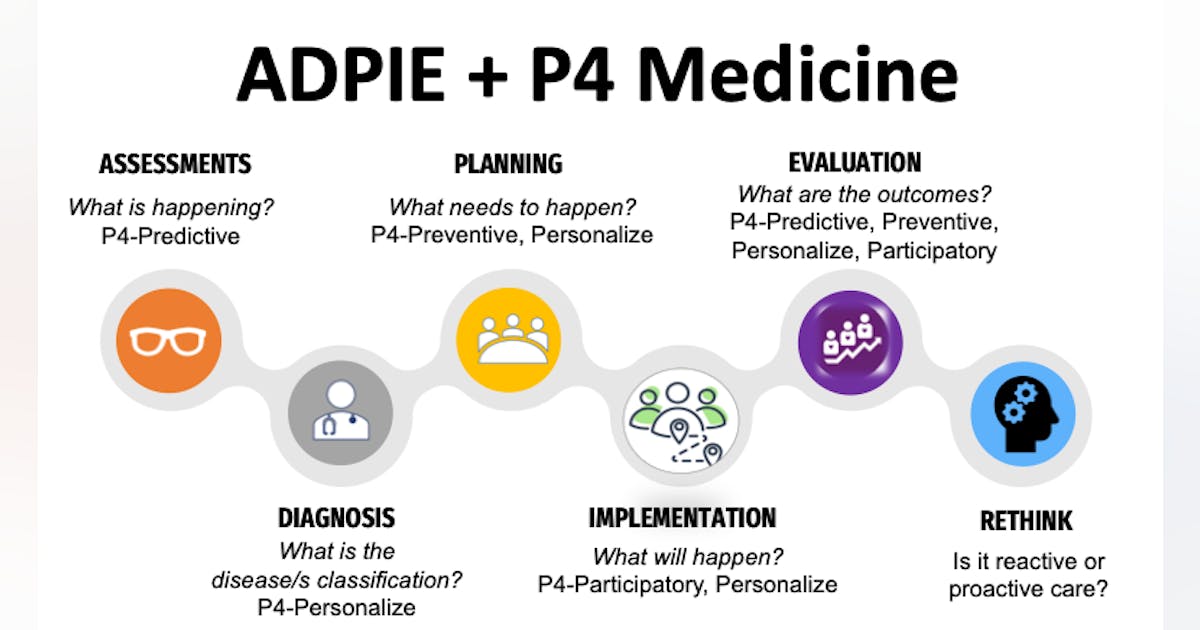
The process of care model, ADPIE (assessment, diagnosis, planning, implementation, and evaluation) is the framework and foundation for guiding practitioners in providing effective and efficient patient care. Yet, this model can also lead to reactive care, focusing only on the symptoms of the disease and not the etiology. The same disease/condition can have many causes, and simply having a label or classification does not mean there is an understanding of why it has occurred.

A reactive approach in managing a periodontal patient may concentrate solely on meticulous plaque control. Although the etiology of periodontal disease is undisputed, the host’s inflammatory response ultimately determines the level of destruction to the periodontium, not the quantity of plaque.1 A generic reactive approach can lead to an ineffective plan and reduce positive outcomes in 20% of cases.1,2

Health-care models have evolved from disease-based to evidence-based to, now, personalized-based.3 In 2023, is the current model still adequate, or are we at a tipping point? If the objective is optimal aging for oral and overall health, then more than personalized-based care is needed. Dentistry, like medicine, has the potential to revolutionize oral health care by shifting the focus from being reactive to disease symptoms to being proactive in preventing them, and promoting aging healthy dentitions and overall well-being.

You may also be interested in … Is a prophy without a comprehensive exam ethical—or even legal?

In 2011, biologist Leroy Hood envisioned a new health-care approach, focusing on four main pillars: predictive, preventive, personalized, and participatory care. This medical approach aims to provide patients with precise and individualized care by integrating advanced technologies and data analytics to support all the ADPIE elements rather than merely treating a disease and its symptoms. He coined the term “P4 medicine” to encapsulate these concepts.4

Predictive

Oral health diseases and conditions are multifactorial and share common risks with chronic illnesses, including genetics, lifestyle, and environment. Comprehensive dental clinical parameters are essential, but not populating the data into risk-level assessments or predictive models can misidentify patterns and focus therapy decisions on disease symptoms.4,5 A plan can be comprehensive, personalized, and predictive only if it captures the patient’s risk levels, diseases, and social determinants of health while integrating collaboration and coordination with other health and nonhealth professionals.1,2,6,7

Machine learning algorithms that manage large amounts of patient data—such as decision trees, neural networks, and supportive vector machines, which determine risk levels—are robust tools that provide predictable and effective outcomes that might not be visible through traditional practices.8 Even simply incorporating a three-tone disclosing solution can identify risk levels for decayed areas or gingival inflammation, initiating a more in-depth conversation about biofilm acidity, saliva’s buffering capacity, and nutritional counseling.

Preventive

The goal is to be proactive and prevent diseases, ultimately leading to better health outcomes and reduced health-care costs over time.9,10 The 2022 WHO report states that “oral diseases are largely preventable” and that oral health professionals’ primary focus “should be delivering evidence-based preventive care and minimally invasive interventions, supporting patients in effective self-care practices.”11

Gingivitis, defined by Trombelli et al., is a site-specific inflammatory condition12 that can elicit clinical reversible tissue changes, but the involved immune cells or trained immunity may not be reversible.13 Trained immunity refers to the enhanced response of innate immune cells to subsequent immune challenges after exposure to certain stimuli.

In gingivitis and periodontitis, chronic inflammation can lead to a state of trained immunity in the affected tissues. Studies have shown that monocytes and macrophages in the gingival tissue of individuals exhibit an altered phenotype characterized by increased expression of specific receptors and cytokines, which enhances their ability to recognize and respond to bacterial stimuli.13

Similarly, there is evidence that certain microbial products associated with periodontitis, such as lipopolysaccharide (LPS), can induce trained immunity in immune cells through epigenetic modifications.14,15 This suggests that exposure to oral bacteria may have long-lasting effects on the immune system, even after the infection is clinically resolved or restored to a eubiotic state. Therefore, implementing effective, antimicrobial, bioavailable therapeutic agents in self-care products to prevent gingivitis is critical, given that gingivitis is a precursor to periodontitis and perpetuates chronic inflammation.13-15

Stannous fluoride (SnF2) as a therapeutic agent must include a stabilized composition and bioavailability to effectively inhibit plaque growth, metabolism, and suppression of pathogen virulence.16 SnF2 can suppress the growth and reproduction of bacteria and inhibit the metabolic production of toxins such as short-chain fatty acids (SCFAs), increasing host cell membrane permeability and allowing LPS and lipoteichoic acid (LTA) involved with gram-negative bacteria membranes, increasing the reactivity of toll-like receptors (TLRs), which are involved in detecting pathogens and trigger a signaling cascade.17 Crest’s proprietary SnF2 formulation can directly suppress the LPS/LTA with TLRs, reduce pathogen virulence, and support the host’s return to biocompatibility.16-19 Biesbrock et al. showed a 3.7 odds ratio in a shift to a generalized gingival health status with proprietary SnF2 formulation compared to sodium fluoride toothpaste with SnF2, achieving subgingival penetration to a depth of 4 mm.16

Klukowska et al. demonstrated that subjects brushing with bioavailable gluconate chelated SnF2 dentifrice, another propietary Crest formulation, showed a 51% greater reduction in the average number of bleeding sites versus a negative control dentifrice, and reduced plaque toxicity even at sites not yet presenting symptoms of inflammation.19

Personalized

This approach considers an individual’s unique genetic, environmental, and lifestyle risks to tailor plans specific to their needs. It differs from the traditional “one-size-fits-all” approach, where treatments are often based on general population averages and reactive care.1,4

Personalized medicine has advanced with genomics and bioinformatics, the interdisciplinary field that combines biology, computer science, mathematics, and statistics to analyze and interpret biological data.1,20 The technological advancements could identify specific gene variants associated with increased risk for certain diseases or conditions by analyzing an individual’s genetic data, such as periodontal disease, oral cancers, and developmental disorders affecting the teeth and jaw.21 This field of study could allow for earlier interventions and more personalized care plans.

As technology advances, the role of epigenetics, biomarkers, and point-of-care chairside devices will likely increase in dentistry.

Participatory

This pillar of health care emphasizes active participation and engagement by patients in their own care. It recognizes that patients are experts in their own experience of illness and treatment and aims to empower them in decision-making about their health.1,4

Although comprehensive, the standard patient medical and dental history intake forms are typically closed-ended questions, which can limit the information’s quality, details, and importance. This can lead to health professionals asking several follow-up questions during the clinical appointment, which is often met with resistance from the patient.22 Self-reported forms are completed before and after the appointment and framed to give patients more time to reflect on their health and dental history, aiming for accurate, detailed information.22,23

The most common participatory oral self-care (OSC) practices and products are pivotal in achieving and maintaining oral and overall health.2,12,18 Yet, during clinical/-patient therapy appointments, the traditional approach for delivering OSC education is closer to the end or after debridement. A simple shift in OSC education delivery to the beginning of the appointment reinforces the importance of patients being active in their oral health care, supporting life-altering positive behavioral changes.

Evolving technology in oral care products, such as an electric toothbrush (EB), can support patients in achieving oral health. EB has extensive literature evidencing its ability to disrupt plaque/biofilm and reduce gingival bleeding, and an umbrella review in 2020 demonstrated its preventive benefits for periodontal diseases.24

Since 1991, Oral-B oscillating-rotating (O-R) technology has supported patients’ oral health. It continues with the next generation of O-R, Oral-B iO, a complete internal and external redesign.26 The Smart Display on the handle offers immediate bimodal feedback on the pressure sensor—0.8-2.5N, indicating green for optimal pressure and effectiveness, and red resulting in a greater than 2.5N pressure. The Artificial Intelligence Technology via the Oral-B iO app (figure 1) provides real-time individual coaching using 3D teeth tracking to promote thorough brushing across all regions and surfaces, supporting patient involvement in their care.24-27

Some vitamins and minerals simply work better when eaten together

0
Some vitamins and minerals simply work better when eaten together

The concept of dynamic duos like Sherlock Holmes and Watson, or trios such as The Three Musketeers, doesn’t just apply to entertainment. It’s also relevant to your diet. That’s because when certain vitamins, minerals, or phytonutrients, are consumed together, they have a more powerful effect on your health than when they’re eaten alone—a concept called nutrient synergy.

In some cases, consuming certain nutrients together enhances the body’s ability to absorb one or the other; in other instances, the nutrients can have additive effects. This biochemical synergy can boost the functioning of the nervous system, and improve cardiovascular health, respiratory and musculoskeletal systems, and the immune response.

“It’s always existed but we’re just discovering the importance of nutrient synergy—the idea that the whole is more impactful than the sum of its parts,” says Keith Ayoob, a dietitian in New York City and an associate professor emeritus of pediatrics at the Albert Einstein College of Medicine. “With nutrient synergy, when you combine nutrients in the proper amounts, they’re more useful to the body than either one is by itself.”

A study published this year in the American Journal of Clinical Nutrition, for example, found that when people consume a healthy fat (such as olive oil) along with foods that are rich in beta carotene—carrots or sweet potato—or lycopene which is found in tomatoes, the fat increases the bioavailability of these health-promoting phytochemicals.

[Many of these power nutrient pairings occur in Mediterranean cooking. Read about why the Mediterranean diet has stood the test of time.]

Other studies have found that pairing black pepper and turmeric increases the absorbability of turmeric’s active ingredient, curcumin, by 2,000 percent. And research has found that when magnesium is consumed with vitamin D, the mighty mineral helps activate vitamin D in the body so that it can positively influence bone growth and maintenance.

“Some nutrients are just better together,” says Wendy Bazilian, a nutritionist and a public health consultant based in San Diego. “It’s like one plus one equals three because they enhance each other.”

Here’s a look at six dynamic nutrient combos that have synergistic effects.

Vitamin C and iron

The synergistic effect: The human body easily absorbs iron present in meat, poultry, and seafood. But the iron in plant foods is more difficult to extract.

“Vitamin C helps liberate iron from plant-based foods and make it more absorbable,” Ayoob says. This matters because your body requires sufficient iron for proper growth and development and because the mighty mineral is needed to make hemoglobin, a protein in red blood cells that carries oxygen to every cell in your body and brain.

Insufficient iron can trigger iron-deficiency anemia, including weariness, lethargy, and issues with concentration and memory. A shortage of iron also reduces the immune system’s ability to fight off infections. In recent years, the power of this nutrient pair has been so well supported by randomized, controlled trials that a recent review published in 2022 in the journal Nutrients concluded that women with iron-deficiency anemia should increase their intakes of iron and vitamin C.

How to bring them together: For breakfast, have a bowl of iron-fortified cereal with sliced strawberries or kiwi fruit. For lunch, make a spinach salad with black beans, red pepper strips, and tomato slices. Or, stir-fry shrimp, broccoli florets, mushrooms, and sesame seeds, and call it dinner.

Consuming 25 milligrams of vitamin C, the amount in ¼ cup of broccoli, will double the absorption of iron present in this vegetable, says Joan Salge Blake, a registered dietitian and nutrition professor at Boston University.

Calcium, and vitamins D and K

The synergistic effect: You probably know that calcium and vitamin D are important for building and maintaining strong bones. But you may not realize how they interact or how vitamin K contributes to this mission.

“Vitamin D helps you absorb calcium from your diet and vitamin K helps lay calcium down in the bone,” explains Bazilian. The positive trio can help protect people from osteoporosis and reduce their risk of fracturing a bone. And because vitamin K helps direct calcium to where it belongs in the bones, it helps keep it from accumulating in the arteries where it can lead to blood clots.

How to bring them together: Make an omelet with eggs, spinach, mushrooms, milk, and cheese, or a smoothie with plain yogurt, fortified oat milk, blueberries, and a tablespoon of tahini. Prepare a salad with raw kale, roasted soybeans, and canned sardines, and lightly drizzle it with soybean oil before tossing it.

[Read more about why you probably aren’t getting enough vitamin D.]

Vitamins C and E

The synergistic effect: Both vitamins have strong antioxidant properties which means they help protect cells from damage caused by pollutants, exposure to ultraviolet rays, and other sources of unstable molecules called free radicals. But they do so in different ways. Vitamin E neutralizes free radicals and vitamin C removes them before they can damage cells.

In other words, “they tag-team each other as antioxidants,” says Bazilian. In addition, a study in a 2020 issue of the journal Nutrients found that boosting intake of vitamins C and E reduced pain in people with fibromyalgia.

How to bring them together: Have a bowl of sliced strawberries and kiwi fruit, topped with sunflower seeds and chopped almonds. Make a salad with raw spinach leaves, tomato slices, red pepper slices, and a vinaigrette dressing. Stir-fry broccoli and cauliflower florets with peanuts and sunflower oil.

Vitamins B6, B12, and folate (B9)

The synergistic effect: This trio of B vitamins plays a vital role in reducing high levels of homocysteine, which are associated with a greater risk of cardiovascular disease.

In a study in a 2023 issue of JAMA Network, researchers tracked the intake and blood levels of folate, vitamin B6, and vitamin B12 and the incidence of metabolic syndrome—a cluster of conditions including high blood pressure, high blood sugar, abnormal cholesterol levels, and excess belly fat that increase the risk of heart disease, stroke, and type 2 diabetes—among 4,414 adults. Those with the highest intake of these three B vitamins had a significantly lower incidence of developing metabolic syndrome over a 30-year period.

Together this threesome also helps protect brain health and proper neurological function. “If you get enough of these together, it seems to slow down cognitive decline—it’s a long game,” Ayoob says.

How to bring them together: Have a bowl of fortified cereal with sliced banana and low-fat milk. Make a big salad with spinach, avocado, chickpeas, cooked bulgur, and a sprinkling of nutritional yeast. Or, have broiled sockeye salmon with asparagus and baked winter squash.

Potassium, magnesium, and calcium

The synergistic effect: Together these three minerals lower blood pressure, dilate blood vessels, and “help with electrolyte balance, which is hugely important for proper nerve function,” Ayoob says.

In a study involving 16,684 adults, published in a 2022 issue of Nutrition Research and Practiceresearchers found that people who had a higher intake of potassium, magnesium, and calcium had a lower risk of developing high blood pressure over a seven-year period—which in turn reduced the risk for heart disease, stroke, and even a particular eye disease.

The three minerals also help regulate heart rhythm and fluid balance in the body. An additional perk, according to a 2023 study in PLOS One, found that getting enough calcium, potassium, and magnesium, may help protect adults ages 40 and older from developing glaucoma.

How to bring them together: Make a pot of oatmeal, using milk instead of water, and top it with pumpkin seeds, chia seeds, and banana slices. Add chopped spinach to your lentil soup and grate some cheese on it. Have a baked potato topped with plain yogurt or cottage cheese and cooked broccoli florets.

Vitamin E and selenium

The synergistic effect: While this is a newly discovered combo, mounting research supports the ability of these nutrients to work together as potent antioxidants to protect cells from damage.

“They help support immune cells and the function of immune cells—and they appear to enhance one another but the mechanism isn’t clear,” says Lona Sandon, an associate professor of clinical nutrition at the UT Southwestern Medical Center in Dallas. What is clear, “Vitamin E can help regenerate selenium as it gets used as an antioxidant.” What’s more, a 2021 study  found that when they’re consumed together, vitamin E and selenium can control allergy symptoms and reduce airway inflammation from asthma in mice.

How to bring them together: Make your own trail mix with almonds, dried fruits, and Brazil nuts. Bake or roast halibut and serve it with cooked broccoli and brown rice. Make a smoothie with spinach, plain yogurt, kiwi slices, green grapes, and a drop of sunflower oil.

Real food. Not supplements.

Keep in mind that all of these pairings relate to the presence of these nutrients in foods, not supplements.

Think of it this way: “It’s like going to the symphony—the first violinist is magnificent but when you put the whole orchestra behind the first violinist, it makes something magical,” Salge Blake says. “They work well by themselves but when they’re combined, the effect is even better.”

[Read more about how certain foods lower your risk of disease.]

This 5-Minute EMOM Total-Body Dumbbell Workout Builds Fitness

0
This 5-Minute EMOM Total-Body Dumbbell Workout Builds Fitness

THERE SHOULD BE MORE to your last-minute workout routines than boring straight sets of the same few exercises you cycle through when you can’t be bothered—or you just don’t have the time—to think outside the box. Take this quick five-minute routine from trainer Nellie Barnett, CPT, which mixes moves that expand outside of the standard pushup/squat/situp series and uses novel time and rep structures for a challenge that will hit multiple muscle groups and planes of motion.

What this means in practice is that you get a full-body routine that also tasks you to move from side-to-side under load (the frontal plane), expanding from the straight ahead movements of the more typical sagittal plane. Barnett includes exercises that hit the back, shoulders, legs, and core. All you need is a set of medium-weight dumbbells, just heavy enough to remain challenging throughout the series without pushing you to failure.

The final wrinkle of the workout is the EMOM structure. This means that you’ll still have an opportunity to rest during this lightning-fast workout—if you can finish your reps with good form with any moments to spare for each minute, that is.

The 5-Minute Dumbbell Multi-Plane EMOM Workout

Directions: Start a timer for five minutes. At the start of the first minute, begin performing each exercise for the prescribed number of reps before moving directly into the next one. Once you finish the allotted reps, you can rest until the next minute begins. Repeat the processes at the start of each new minute.

Lateral Squat

10 reps

How to Do It:

  • Hold your pair of dumbbells at shoulder height and stand with your feet wider than shoulder-width apart.
  • Bend one knee and descend down to that side, keeping your other leg straight and foot planted on the floor. Squeeze your shoulder blades and abs to keep your torso upright.
  • Press off the squat foot to explode upwards, and immediately shift your weight to stand up, then initiate the squat on the other side.

Dumbbell Swings

8 reps

How to Do It:

  • Stand with your feet just wider than shoulder-width apart, holding the dumbbells with a neutral grip (palms facing each other). Squeeze your shoulder blades, abs, and glutes to create tension.
  • Hinge at the hips to bring the dumbbells between your legs, then stand straight straight up explosively, squeezing your glutes at the top of the movement into hip extension. Keep your arms straight, allowing the momentum to power the swing. Maintain a neutral spine by looking straight ahead.
  • Reverse the movement, allowing the weights to return to the starting position, before initiating another swing.

Push Press

6 reps

How to Do It:

  • Stand with your feet hip-width apart, holding the dumbbells at shoulder height. Squeeze your shoulder blades, abs, and glutes to create tension.
  • Bend your knees slightly and descend into a quarter squat, then explode up and use that momentum to help power an overhead press, raising the weights straight overhead. Keep your abs tight to prevent your ribs from flaring.
  • Return back to the starting position, readying for the next rep.

Reciprocal Row

4 reps

How to Do It:

  • Stand with your feet hip-width apart holding the dumbbells with a neutral grip. Slightly bend your knees, push your butt back, then lower your torso to get into a bent-over position. Squeeze your shoulder blades, abs, and core to create tension and reinforce proper posture.
  • Row one weight up to your chest, rotating your chest and shoulder to slightly open up your torso to that side.
  • Repeat on the opposite side, cycling between arms.

Brett Williams, a fitness editor at Men’s Health, is a NASM-CPT certified trainer and former pro football player and tech reporter who splits his workout time between strength and conditioning training, martial arts, and running. You can find his work elsewhere at Mashable, Thrillist, and other outlets.

Harry Styles And Taylor Russell’s Astrological Compatibility

0
Harry Styles And Taylor Russell’s Astrological Compatibility

Move over Traylor, there’s another Taylor who’s dating life has caught the attention of Twitter stans—and pretty much everyone else on the internet—and that’s none other than Bones and All actress Taylor Russell.

ICYMI: The breakout star is dating everyone’s favorite pop icon and ex-One Directioner, Harry Styles. Seven months after calling it quits with Olivia Wilde in November 2022, Harry has seemingly moved on with the Escape Room actress. The two were first linked in June after they were spotted together in London, per Cosmopolitan. Then in July, Taylor was seen at Harry’s Vienna concert—part of his nearly two-year-long Love On Tour—seated in the VIP section, might I add, per photos obtained by TMZ. While attending someone’s concert could definitely just be friend vibes, the pair were also spotted strolling around the city the next day, leading to more speculation.

A month after their Before Sunrise-esque adventure (er, friendly hang?), the pair were seen getting quite cozy when Harry accompanied Taylor to the opening night gala of her play (she’s starring in the revival of The Effect in London), per images shared by E! News. Sorry, but the flirty eye contact and body language are not giving just friends. Then, on August 28, the rumored couple were spotted holding hands, seemingly confirming their relationship.

But if you need more proof, the Harry’s House singer is reportedly “head over heels” for the Lost in Space actress. “Things are very serious, and Harry definitely sees a future with Taylor,” an insider told Us Weekly in October. Um, are those wedding bells I hear?

And it’s not just Haylor fans (ahem, as in Taylor Russell not Taylor Swift, even though we’ve got 1989 Taylor’s Version playing on repeat) who are convinced these two are meant to be—just ask the stars. Harry and Taylor have an “interesting compatibility,” says intuitive astrologer Rachel Lang. “There are some definite points of attraction with their synastry. The two likely feel as if they’ve known one another before.” A past life perhaps?

This content is imported from poll. You may be able to find the same content in another format, or you may be able to find more information, at their web site.

Curious to know what else astrology has to say about the fate of this ‘ship? Lang analyzed Harry and Taylor’s birth charts to see what their astrological compatibility reveals about their bond. And let’s just say it’s not easy, but things that are worth it rarely are.

Taylor’s Sun and Moon bring out Harry’s emotional side.

Taylor’s Sun is in Cancer (a cardinal water sign), while Harry’s Sun is in Aquarius (a fixed air sign). While water and air don’t have a lot in common in astrology, this is a case in which opposites attract, per Lang.

“Cancer is a water sign that needs emotional connection and intimacy,” explains Lang. And “Harry’s got a lot of air sign energy in his chart, which indicates that he can detach from emotions more easily.” At the same time, Taylor, with her water sign placements, can bring out these more vulnerable qualities in Harry, says Lang.

Are you a Cancer, Scorpio, or Pisces? Watch to learn more about what it means to be a water sign:

Moreover, Taylor has her Moon (the luminary that rules one’s emotional world) in intense, passionate Scorpio, meaning she craves deep conversations and a ride-or-die bond, per Lang. Meanwhile, Harry’s Moon is in Libra. This is another water and air sign pairing, but given that Libra is all about romance, this combo may be able to fulfill their emotional needs, says Lang. Especially with Harry’s Mars (the planet of action and drive) and Venus (the planet of romance and love) in Aquarius, “he can give her the commitment she wants,” Lang adds.

It also doesn’t hurt that their sexual attraction to one another is out of this world. Taylor’s Mars in Gemini is in a favorable trine aspect with his Sun and Venus in Aquarius, indicating that she’s incredibly attracted to him, says Lang. Their relationship is likely steamy and has a fated quality.

In other words, this partnership is not totally doomed, as long as they’re both able to give each other the commitment and security they so crave.

But their partnership may be put to the test as a result of their Saturn returns.

Taylor and Harry are both moving through their Saturn returns, explains Lang. ICYDK, a Saturn return is a life-changing cycle in which transiting Saturn arrives back at the same point in the galaxy as where it was when a person was born, per Lang. “Saturn has a roughly 29-year cycle, and everyone hits their Saturn return between ages 28 and 29—before one’s thirtieth birthday.” Read: Saturn is the planet of adulting, and it’s when people often begin to consider if a relationship has long-term potential versus short-term fun, says Lang.

Harry began to move into his Saturn return cycle in February 2023, reaching an exact point on November 3, 2023. Taylor, on the other hand, starts her Saturn return in March 2024, Lang notes. Taylor is on the verge of her transit and if this pair makes it into the new year, her Saturn return will be an important moment in their relationship, says Lang. Why? “Her Venus opposes her Saturn [the planet of rules and responsibilities], making love and relationships some of her big work in this lifetime,” per Lang.

In other words, their relationship will be challenged simply because of this life-changing cycle, says Lang. If they’re able to survive the hurdles that come in the next few months, their bond may just be golden (sorry, couldn’t resist).

This is a homey relationship for this pair, thanks to Pluto.

Pluto is the planet of transformation and rebirth and Harry’s Pluto is conjunct Taylor’s Moon in Scorpio, Lang notes. “This shows that the relationship will bring a lot of healing for both of them, especially with regards to family of origin matters.” Additionally, Harry’s Libra Moon is conjunct Taylor’s IC or Imum Coeli, a marker of her fourth house cusp of home and family, per Lang. Read: “He probably reminds her of family members or brings out her nurturing qualities.” This relationship likely feels comfortable for these two—when they’re together, they’re at home.

What’s more? Harry’s Sun and Venus in Aquarius are in Taylor’s seventh house of marriage and partnership, demonstrating that he gives her a sense that “he could be the one,” according to Lang. In other words, “this isn’t just a fling for her.” It’s the real deal.

And if this pair gives off power couple energy, it’s because, well, they are—even the astrology backs it up. “These two are stars in their own right, but together, they’re supernovas!” says Lang. They’re able to bring out the best in one another, both in love and work, thanks to Harry’s Midheaven (the career house cusp) in Leo conjunct Taylor’s Ascendant.

In case you had any doubts about this ‘ship, it seems like it’s smooth sailing for these two as long as they prioritize the important things, like a new album (er, their bond).

Headshot of Naydeline Mejia

Assistant Editor

Naydeline Mejia is an assistant editor at Women’s Health, where she covers sex, relationships, and lifestyle for WomensHealthMag.com and the print magazine. She is a proud graduate of Baruch College and has more than two years of experience writing and editing lifestyle content. When she’s not writing, you can find her thrift-shopping, binge-watching whatever reality dating show is trending at the moment, and spending countless hours scrolling through Pinterest.

Woods Apothecary Academy of Healing Arts now open

0
Woods Apothecary Academy of Healing Arts now open
Gina Woods stands in the doorway of her location.
Provided / Kayla Anderson

SOUTH LAKE TAHOE, Calif. Woods Apothecary- a number one source of natural remedies in South Lake Tahoe- just opened a new workshop space and storefront on 2264 Tahoe Boulevard Suite #12. Not only does the apothecary sell tinctures, teas, and herbal medicines, but owner Gina Woods also has the space to be able to provide dance, movement, herbal workshops, and more on a regular basis.

“[Moving the apothecary here] allowed me to open up the space for a lot of potential classes in performance arts,” she says.

Woods Apothecary had a soft opening in October.
Provided / Kayla Anderson

Resident Andy Voelkel teaches music lessons to kids next door, complementing the type of atmosphere and energy that Woods wants to create in their corner of the Tahoe Keys Center.


“We can have belly dancing classes, a potential cabaret, there will be a full array of healing arts to raise awareness and connection,” Woods says.

Woods has been studying holistic healthcare and nutritional therapies since she was 18 years old and has had an apothecary since 2006 (which was formerly based in Meyers) as well as a farm in Malpais, Costa Rica.


“Over in Costa Rica the food forest becomes self-sustaining as it works with the natural rhythms of the earth,” she says.

“Woods Apothecary evolved naturally as I evolve,” Woods says, who is also a single mom, massage therapist, and certified doula.

Woods will be offering classes in the new location.
Provided / Kayla Anderson

Woods teaches workshops with names like The People’s Medicine, Herbal Mixology, and Cultivating The Inner Terroir. Her summertime outdoor “Materia medica” and foraging classes- where she shows off bioregional herbs and how to use them- often filled up.

The new suite in the Tahoe Keys Center allows Woods to do more of that. The open yoga/movement studio also doubles as a botanical lab/kitchen, where sweet smelling masala chai spices were wafting out of a pot. Two small plots of dirt outside of the apothecary will hopefully be home to a place where people can grow their own herbs.

“We will rehabilitate the soil over winter, install a permaculture medicine garden here for the community,” she says.

She also wants to employ teenagers in the hopes that this can also be a social gathering spot for SLT’s youth. She also wants to host kids’ classes, the indoor equivalent to the Tiny Seeds Forest School, which focuses on art, ecology, music, and movement.

“They can learn how to make things with herbs. Those kids are primarily educated in the outdoors so I would love for them to bring what they know here and create,” says Woods.

In how she got the new apothecary space, Woods noticed it when she was working at the Zen Massage Studio a few doors down. After COVID, it became available to lease and she grasped the opportunity.

“During COVID people felt isolated and all those thoughts of having a community hub were pushed to the backburner. Afterwards I started seeing more places like this popping up as people were yearning for that social interaction, a way to express themselves through the arts,” she says.

“‘Just go for it’ was the impetus for this place. People are hungry for that earth-based knowledge, and I feel that with the state of the world right now, we need to dig into something real.”

Woods held a soft opening in mid-October where she had a fire-cider making station and breathwork practice. Starting in November, the Apothecary Academy will have a consistent class schedule (Mondays, Wednesdays, Thursdays, Saturday-Sunday). The classes are the focus of the apothecary, so that’s when Woods will be there to sell herbs and tinctures. Right now, in the transition of the seasons, it’s an ideal time for elixirs, tinctures, and herbal remedies to help boost the immune system. Woods also provides private wellness consultations, available by appointment.

“My dreams of having a community hub have finally become a reality and this serves our purpose perfectly,” she says.

For more information about Woods Apothecary Academy of Healing Arts class schedule and products, visit http://www.woodsapothecary.org.

How Oral Care Startup Flaus Wants To Make Flossing Accessible To Everyone

0
How Oral Care Startup Flaus Wants To Make Flossing Accessible To Everyone

One of the unsung applications of assistive technology is oral hygiene.

As is the case with exercise and weight, society has this obsession with maintaining perfectly straight and pearly white teeth, replete with the healthiest gums. From a health perspective, these all are good ideals. It’s good to have healthy teeth and gums. By the same token, however, striving for idealism isn’t always realistic. For many people with disabilities, myself very much included, to have the healthiest teeth and gums may literally not be possible. I once read somewhere that people with cerebral palsy have the worst dental health. This is largely because brushing one’s teeth oftentimes be an exercise in futility and frustration due to the motor skills involved in getting a toothbrush in and around the mouth. Less “careful” brushing leads to not-so-clean teeth and leads to a host of icky situations such as gingivitis and periodontal disease.

The salient point here is simply that no matter the desire to have healthy teeth, and to ward off the stigmas surrounding bad oral health, the reality is not everyone can care for their teeth in the correct way. In other words, this issue is not as much about laziness than it is about sheer function and ability. The same goes for flossing. No matter how much someone may want to do it, many times it’s just untenable to do so.

Enter Samantha Coxe and her team at Flaus.

On the company’s website, its product is easy to grasp: it’s an electric flosser that’s “like an electric toothbrush, but for flossing.” Flaus bills itself as a money-and time-saving solution to manual flossing, one that’s environmentally friendly, easy to use, and helps build healthy dental habits. The device utilizes 18,000 sonic vibrations and has three speed options, an ergonomic handle, and recyclable floss heads. Moreover, Flaus is waterproof, portable, and has the approval of “over 200 dental professionals” participating in the company’s ambassador program. Flaus costs $119 for a one-time purchase. A subscription lowers the price to $99 and includes the shipment of 90 floss heads to users’ doorstep every three months. That’s an accessibility aid unto itself, insofar as it’s cheaper and saves a disabled person from logistical and/or physical barriers in getting to a brick-and-mortar store to buy replacement heads.

In an interview with me conducted last week via videoconference, Coxe explained the impetus for starting Flaus came during her time practicing mergers and acquisitions law in New York. She told me about a dentist appointment caused her to “vigorously” start flossing the week before, despite being a faithful brusher. With a hefty bill in tow, Coxe began talking to friends and colleagues about flossing and decided to look for an electric flosser to make it easier and expedite the process. To her surprise, no such thing existed on the market. It was then when Coxe had her “lightbulb moment” that would eventually bore Flaus.

“Flossing is a massive pain point for almost every single person,” she said. “Of course, there are some people who love flossing every day, but over 70% of Americans do not floss daily. The pain points are unanimous across the board: it takes too long, it’s difficult to do, it’s painful, it’s gross, and it’s wasteful. That was really the moment that I realized that I had stumbled upon a massive market opportunity. Something that excited me the most was, up until this point, flossing is such a unsexy category in such an unsexy space. That got me excited about all the opportunities for innovation on the product side and the brand side.”

Coxe incubated Flaus for a year-and-a-half during the pandemic, all while still working at one of the most prestigious law firms in the nation in Skadden Arps. She went through approximately 250, 3D-printed prototypes, all of which involved Coxe “running around putting it as many people’s mouths” as she possibly could. In April 2021, she started an Indiegogo campaign to see if her idea could gain traction in the market. She knew, though, she couldn’t work on Flaus while also doing her duties practicing law. She resigned from the practice and launched the campaign. Coxe decided to devote all her time and energy on Flaus.

“I feel like I’ve been attached to this oral care rocketship ever since [leaving law],” Coxe said of working on Flaus. “It’s been an incredible journey—and a total 180 [turn] from being a lawyer, especially as someone with no engineering background and no dental background.”

Between venture capital funding and the Indiegogo campaign, Flaus has raised over $3.5 million to date.

A large portion of my conversation with Coxe revolved around her cognizance of the accessibility problems inherent to conventional flossing, as well as the subsequent empathy she has for those in the disability community who, like me, have longstanding problems with flossing well. In essence, Coxe endeavored to make Flaus more accessible (in more ways than one) in a way regular dental floss never was or ever will be. To wit, she told me she had an epiphany early on that Flaus had the potential to be “an incredible accessibility tool for those that have a dexterity impairment or a visual impairment.” She shared an anecdote about getting feedback from three Blind people who told her they’d always had problems flossing. The team, Coxe said, has “really leaned into” the accessibility merits of Flaus, saying the disability community is an “amazing” group. The team went to such lengths as teaching themselves Braille so as to include it on the packaging. There’s also a QR code that, when scanned, takes users to a how-to video on Flaus that features audio descriptions. Making the product packaging accessible admittedly made the company’s bill of materials rise, but the team were adamant about adhering to their ethos of inclusivity. Coxe called the Blind and low vision community “a huge subset of the population that has been quite honestly overlooked,” adding she relishes the opportunity to connect with them and make them feel represented.

“I’m really excited, as we continue to work with different customers in this community, to continue to make Flaus—both from a product perspective, but also from a packaging perspective, as accessible as possible,” Coxe said.

Asked about the aforementioned stigmas around pristine teeth and gums, Coxe told me Flaus exists to help people “pamper and accessorize and invest in their smiles as much as their teeth skin and hair,” telling me Flaus is uniquely positioned to help revolutionize the beauty space vis-a-vis oral care. Coxe said another goal of Flaus is to help break barriers and shatter stigmas about prioritizing beauty and so-called “proper” dental care. She called the concept of literally everyone having the straightest, whitest teeth “completely unrealistic,” likening it to “societal dysmorphia that one has [in terms of] what we’re supposed to be looking like that’s unobtainable for the average American.”

Looking towards the future, Coxe said she hopes Flaus can help everyone, notably children and the elderly, in using the flosser as a tool towards achieving healthier dental habits. More specifically, the long-term goal for Flaus is to get one in every bathroom in America. Coxe noted a moonshot project for the company is to someday create a device with interchangeable heads such that a person wouldn’t need the clutter of both an electric toothbrush and an electric flosser as discrete devices.

To Coxe, it’d be an all-in-one product. Again, accessibility unto itself.

“There’s so many different ways we [at Flaus] can continue to further push the oral care space to make it more accessible and easier to incorporate in your daily routine,” Coxe said. “Particularly starting with kids—that is really where these habits need to be starting, because it’s scary to think about what this generation’s gum disease and oral health [problems] is going to look like with how much sugar is in our food.”

Who Is Mary’s Husband, Romain Bonnet, On ‘Selling Sunset’?

0
Who Is Mary’s Husband, Romain Bonnet, On ‘Selling Sunset’?

Selling Sunset fans met Romain Bonnet at the very beginning. He showed up by Mary Fitzgerald Bonnet’s side in season one, episode one—and has supported her ever since. On season 7, the couple’s bond grew even stronger as they shared in the joy of their first pregnancy and, later, the devastation of a miscarriage together.

And while longtime fans of the hit reality show are certainly familiar with Romain’s TV personality and contractor connection to the Oppenheim Group, it’s totally understandable to wonder about who he was before Selling Sunset and what he’s like off-screen. Here’s everything to know about Mary’s husband Romain:

Romain is French.

That oh-so-sexy accent isn’t a fake. He’s from France, and ICYDK, his family flew all the way to Los Angeles for Romain and Mary’s wedding. (No wonder it was stressful planning.) Mary says that his English vocab is superb and way better than her French.

He originally moved to LA for modeling.

According to Romain’s Instagram bio, he’s signed to Wilhelmina Models. His modeling career brought him to the Hollywood area, and it’s how he connected with Mary. “Romain flew out to look at some homes in the area, and I was his agent! We hit it off from there. His modeling agency encouraged him to relocate because of all the bookings in the LA area,” Mary tells Women’s Health. “He models as much as he can.”

Romain is a former pastry chef.

There’s no evidence of cooking or baking anything on his Instagram, though, so it appears like he’s permanently traded in kitchen gadgets for contractor tools. “He hasn’t worked as a chef for a few years now,” Mary says.

He’s younger than Mary.

There’s a 12-year age gap between the couple, and while fans may remember some of the difficult discussions surrounding this topic, they’ve clearly overcome those obstacles and are making it work.

Romain and Mary technically got married in 2018.

Remember that televised proposal and wedding? Well, apparently, Romain and Mary were already married when Selling Sunset season one started filming. The couple initially tied the knot on March 9, 2018, at the Ventura Courthouse, according to a marriage license and certificate obtained by TMZ.

“Mary and Romain had a civil union a couple of months before the show began filming in June of 2018, but they chose not to tell any of their friends or family, as they were still trying to see if their relationship would work out in the long term,” the couple’s rep told Us Weekly. “In their minds, they weren’t properly married until the wedding that was filmed during the show.”

This content is imported from poll. You may be able to find the same content in another format, or you may be able to find more information, at their web site.

Now, Romain’s part of The Oppenheim Group team.

He’s not a new agent—he’s the Oppenheim brother’s trusted contractor. “He does construction,” Mary tells Women’s Health. “He’s [alos] a project manager for a bunch of our listings, a lot of people don’t know that. So he’s been working on all of our projects.”

“He’s a great leader and an incredibly hard worker. Since the market has been crazy, he has been slammed with jobs as a project manager,” Mary adds. Most recently, in season 7, Jason and Brett hired Romain as the contractor for their new O Group office.

And because Romain works with the Oppenheim Group (as well as being a season one OG), he’s the only spouse who is attending the Selling Sunset season 7 reunion.

Romain and Mary are renovating a house together.

The couple have shared a few updates on their home renovation project with their Instagram audience, and honestly, it’s stunning.

He has an eye-catching tattoo.

The ink on Romain’s chest is front and center on his many, many shirtless snaps on Instagram. If you can pull your gaze away from his six-pack, you’ll notice the script reads: “Impossible is nothing.”

Romain snowboards.

He’s only shared proof of his snowy pastime once on the ‘gram, but he looks pretty darn smooth carving down the mountain.

Romain will send a personal video shoutout for $250.

If the current episodes of Selling Sunset aren’t enough, Romain is available on Cameo. He’s offering up personal videos for $250 each, and there are multiple types to choose from: Birthday, Pep Talk, Roast, Advice, Question, or Other. Btw, he has a 4.94 rating on the platform, so it seems like people are pretty darn happy with his video messages!

Jennifer Nied is the fitness editor at Women’s Health and has more than 10 years of experience in health and wellness journalism. She’s always out exploring—sweat-testing workouts and gear, hiking, snowboarding, running, and more—with her husband, daughter, and dog. 

Meal Plan, Foods List, and Tips

0
Meal Plan, Foods List, and Tips

Rich in fruits, vegetables, whole grains, and heart-healthy fats, the Mediterranean diet is both delicious and nutritious. It may help manage your weight, protect your heart, and prevent diabetes.

There are no concrete rules for following the Mediterranean diet, but general guidelines can help you incorporate its principles into your daily routine.

This article takes a closer look at the Mediterranean diet, how to follow it, and how it can affect your health. We also offer some meal tips and direct you to some handy recipes.

The Mediterranean diet is based on the traditional foods of countries bordering the Mediterranean Sea, including France, Spain, Greece, and Italy.

Some research has suggested that people living in these regions tend to be healthier and have a lower risk of many chronic conditions, compared with people who follow a standard American diet.

It typically encourages people to:

  • consume more:
    • fruits
    • vegetables
    • whole grains
    • legumes
    • nuts and seeds
    • heart-healthy fats
  • consume less:
    • processed foods
    • added sugars
    • refined grains
  • limit alcohol consumption

Research has indicated that the Mediterranean diet can:

For this reason, the Mediterranean diet is a suitable option for those looking to improve their health and protect against chronic disease.

There is no set plan for following a Mediterranean diet, but the following table offers some guidelines:

Features of a Mediterranean lifestyle that may also benefit a person’s health include:

It is difficult to define which foods belong to the Mediterranean diet, partly because there’s variation between countries.

Overall, however, the diet:

  • is high in healthy plant foods
  • is low in animal products and meat
  • includes fish and seafood at least twice a week

You can include a mix of fresh, frozen, dried, and canned fruits and vegetables, but check package labels for added sugar and sodium.

You can base your diet on these foods:

  • Vegetables: tomatoes, broccoli, kale, spinach, onions, cauliflower, carrots, Brussels sprouts, cucumbers, potatoes, sweet potatoes, turnips
  • Fruits: apples, bananas, oranges, pears, strawberries, grapes, dates, figs, melons, peaches
  • Nuts, seeds, and nut butters: almonds, walnuts, macadamia nuts, hazelnuts, cashews, sunflower seeds, pumpkin seeds, almond butter, peanut butter
  • Legumes: beans, peas, lentils, pulses, peanuts, chickpeas
  • Whole grains: oats, brown rice, rye, barley, corn, buckwheat, whole wheat bread and pasta
  • Fish and seafood: salmon, sardines, trout, tuna, mackerel, shrimp, oysters, clams, crab, mussels
  • Poultry: chicken, duck, turkey
  • Eggs: chicken, quail, and duck eggs
  • Dairy: cheese, yogurt, milk
  • Herbs and spices: garlic, basil, mint, rosemary, sage, nutmeg, cinnamon, pepper
  • Healthy fats: extra virgin olive oil, olives, avocados, and avocado oil

Get some tips for healthy grocery shopping

Foods to limit on a Mediterranean diet include:

  • Added sugar: added sugar is found in many foods but especially high in soda, candies, ice cream, table sugar, syrup, and baked goods
  • Refined grains: white bread, pasta, tortillas, chips, crackers
  • Trans fats: found in margarine, fried foods, and other processed foods
  • Processed meat: processed sausages, hot dogs, deli meats, beef jerky
  • Highly processed foods: fast food, convenience meals, microwave popcorn, granola bars

Beverages

Drinks to include are:

  • water
  • coffee and tea are also suitable, but with limited sugar or cream
  • small to moderate amounts of red wine, and only alongside a meal
  • fresh fruit juices without added sugar

Drinks to limit:

  • beer and liqor
  • sugar-sweetened beverages, such as sodas, which are high in added sugar
  • fruit juices with added sugar

Below is a sample menu for 1 week of meals on the Mediterranean diet.

Feel free to adjust the portions and food choices based on your own needs and preferences, and add snacks as desired.

For more ideas, check out this list of 21 healthy Mediterranean recipes.

Monday

  • Breakfast: Greek yogurt with strawberries and chia seeds
  • Lunch: a whole grain sandwich with hummus and vegetables
  • Dinner: a tuna salad with greens and olive oil, as well as a fruit salad

Tuesday

  • Breakfast: oatmeal with blueberries
  • Lunch: caprese zucchini noodles with mozzarella, cherry tomatoes, olive oil, and balsamic vinegar
  • Dinner: a salad with tomatoes, olives, cucumbers, farro, baked trout, and feta cheese

Wednesday

  • Breakfast: an omelet with mushrooms, tomatoes, and onions
  • Lunch: a whole grain sandwich with cheese and fresh vegetables
  • Dinner: Mediterranean lasagna

Thursday

  • Breakfast: yogurt with sliced fruit and nuts
  • Lunch: a quinoa salad with chickpeas
  • Dinner: broiled salmon with brown rice and vegetables

Friday

  • Breakfast: eggs and sautéed vegetables with whole wheat toast
  • Lunch: stuffed zucchini boats with pesto, turkey sausage, tomatoes, bell peppers, and cheese
  • Dinner: grilled lamb with salad and baked potato

Saturday

  • Breakfast: oatmeal with nuts and raisins or apple slices
  • Lunch: lentil salad with feta, tomatoes, cucumbers, and olives
  • Dinner: Mediterranean pizza made with whole wheat pita bread and topped with cheese, vegetables, and olives

Sunday

  • Breakfast: an omelet with veggies and olives
  • Lunch: falafel bowl with feta, onions, tomatoes, hummus, and rice
  • Dinner: grilled chicken with vegetables, sweet potato fries, and fresh fruit

There’s usually no need to count calories or track macronutrients (protein, fat, and carbs) on the Mediterranean diet, unless you are managing your glucose levels.

But, it is essential to consume all food in moderation.

If you start feeling hungry between meals, there are plenty of healthy snack options, such as:

  • a handful of nuts
  • a piece of fruit
  • baby carrots with hummus
  • mixed berries
  • grapes
  • Greek yogurt
  • hard-boiled egg with salt and pepper
  • apple slices with almond butter
  • sliced bell peppers with guacamole
  • cottage cheese with fresh fruit
  • chia pudding

Many restaurants serve foods that fit in with the Mediterranean diet.

Here are some tips to help adapt dishes when you’re eating out:

  1. Choose fish or seafood as your main dish.
  2. Ask for grilled foods rather than fried, where possible.
  3. Ask the server if your food can be cooked in extra virgin olive oil.
  4. Choose whole grain bread, with olive oil instead of butter.
  5. Add vegetables to your order.

When shopping, opt for nutrient-dense foods, such as fruits, vegetables, nuts, seeds, legumes, and whole grains.

Here are some basic Mediterranean diet items to add to your shopping list:

  • Vegetables: carrots, onions, broccoli, spinach, kale, garlic, zucchini, mushrooms
  • Frozen veggies: peas, carrots, broccoli, mixed vegetables
  • Tubers: potatoes, sweet potatoes, yams
  • Fruits: apples, bananas, oranges, grapes, melons, peaches, pears, strawberries, blueberries
  • Grains: whole grain bread, whole grain pasta, quinoa, brown rice, oats
  • Legumes: lentils, chickpeas, black beans, kidney beans
  • Nuts: almonds, walnuts, cashews, pistachios, macadamia nuts
  • Seeds: sunflower seeds, pumpkin seeds, chia seeds, hemp seeds
  • Condiments: sea salt, pepper, turmeric, cinnamon, cayenne pepper, oregano
  • Seafood: salmon, sardines, mackerel, trout, shrimp, mussels
  • Dairy products: Greek yogurt, yogurt, milk
  • Poultry: chicken, duck, turkey
  • Eggs: chicken, quail, and duck eggs
  • Healthy fats: extra virgin olive oil, olives, avocados, avocado oil

The Mediterranean diet has been linked to a long list of health benefits.

Helps with weight loss

Research has not confirmed that following a Mediterranean diet will cause a person to lose weigh. However, studies have suggested it may be a good long-term option for people seeking to manage their weight.

Data for people who followed the diet for 5 years indicated they were less likely to gain excess weight than those on other diets.

Benefits include:

  • plenty of variety means the diet is not restrictive and therefore easy to maintain
  • high fiber levels means a person is more likely to feel satisfied for longer and less likely to snack
  • the healthy fats are less likely to cause heart problems linked to obesity

Promotes heart health

The American Heart Association recommends the Mediterranean diet as an evidence-driven options for preventing cardiovascular disease and stroke.

In 2021, for instance, some researchers compared the effects of the Mediterranean diet with those of a low fat diet. They concluded that the Mediterranean diet was more effective at slowing the progression of plaque buildup in the arteries. Plaque buildup is a major risk factor for heart disease.

The authors of another study said the Mediterranean diet could support heart health by lowering blood pressure.

Supports healthy blood sugar levels

The Mediterranean diet may help stabilize blood sugar levels and protect against type 2 diabetes.

Studies have suggested that it may:

  • reduce fasting blood sugar levels
  • improve levels of hemoglobin A1C, a marker used to measure long-term glucose levels
  • decrease insulin resistance, which stops the body from using insulin to regulate blood sugar levels effectively

Protects brain function

The Mediterranean diet may benefit brain health and prevent cognitive decline as you get older.

One study found a possible link between following a Mediterranean diet, improved memory, and reductions in several risk factors for Alzheimer’s disease.

A large review also linked the Mediterranean diet to improvements in cognitive function, memory, attention, and processing speed in healthy older adults.

What are the main foods in a Mediterranean diet?

The Mediterranean diet focuses largely on fruits, vegetables, whole grains, and healthy fats.

What are the top 10 foods on a Mediterranean diet?

Examples of foods to consume on a Mediterranean diet include:

  • chard
  • broccoli
  • grapes
  • parsely
  • olives and olive oil
  • lentils
  • buckwheat
  • sunflower seeds
  • avocado
  • fish

You can drink a low to moderate amount of red wine, in small servings and with a meal.

What foods can you not eat?

You should limit or avoid your intake of:

  • red meat
  • processed foods, including meats
  • refined carbohydrates, such as added sugars
  • sweetened drinks
  • liqor and beer

Can you eat eggs on the Mediterranean diet?

You can eat eggs in moderation, for example, 2–4 servings weekly.

There is no single Mediterranean diet, but general guidelines suggest focusing on healthy plant foods and a moderate intake of dairy products and fish or seafood. The diet does not include highly processed foods, such as candies and processed meats.

The Mediterranean diet may have numerous health benefits. For instance, it may help prevent weight gain, stabilize blood sugar levels, promote heart health, and enhance brain function.

One reason the Mediterranean diet can benefit your health is that it provides a balance of nutrients and is adaptable and easy to stick to.